

We may earn a commission when you buy through links on this page, at no extra cost to you. Learn more.
The answer to “what does rioja taste like” is usually a dry, medium-bodied red with cherry, plum and berry fruit, refreshing acidity and gentle to firm tannins. Oak aging can add vanilla, cedar, baking spice or tobacco, while longer maturation brings dried fruit, leather and earthy notes. The balance depends on the grapes, cellar choices and time spent in barrel and bottle.
Rioja is a Spanish wine region best known for red wines built around Tempranillo, but the name covers several flavor profiles. A young red can feel bright and juicy; an older Reserva or Gran Reserva can be silkier and more savory. White, rosé and sparkling Rioja offer different expressions, so the label’s color and aging category are useful clues.
What Does Rioja Taste Like in the Glass?
Most people mean the red wine: dry, with red and dark fruit, moderate acidity and present but measured tannins. Tempranillo supplies much of the character, while oak and bottle age shape its maturity.
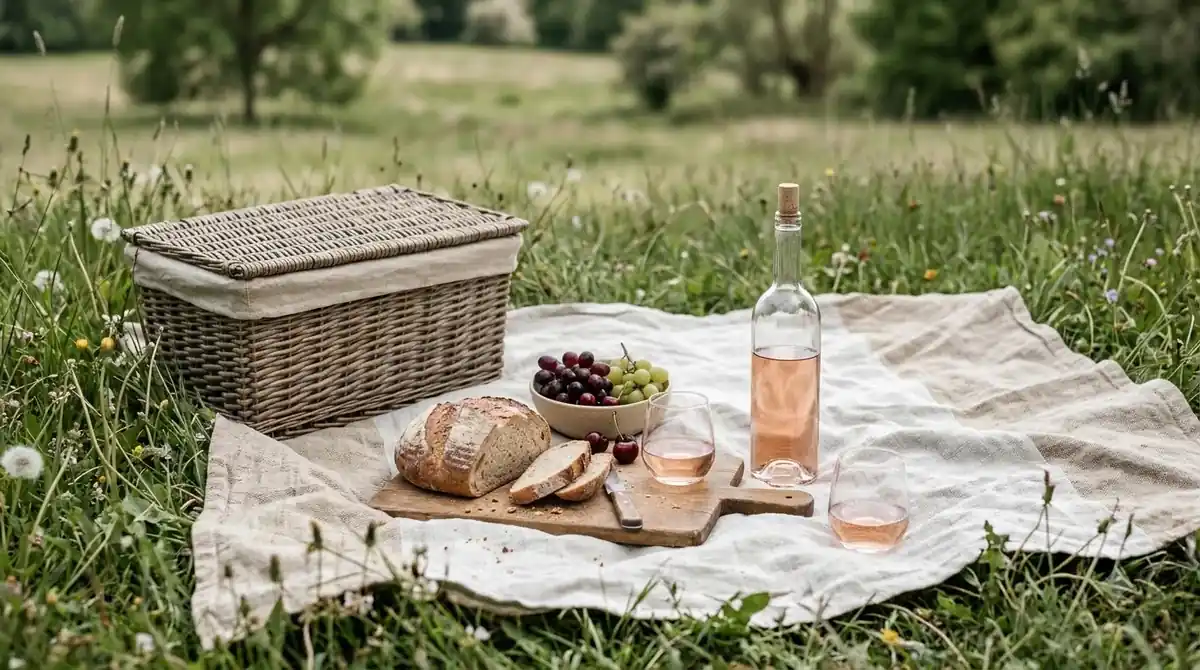
In a young red Rioja, look first for cherry, strawberry, raspberry and plum. Some examples lean toward black cherry, blackberry or currant, especially when the fruit is ripe and concentrated. The fruit usually tastes fresh rather than sugary: Rioja is generally a dry wine, so the impression of ripe plum or strawberry should not be confused with residual sweetness. A little herbal, floral or earthy character may sit behind the fruit, adding shape without making the wine taste heavy.
On the nose, the first aromas may include red berries, dark plum, violet or other wildflower notes. On the palate, acidity gives the fruit lift and helps the finish feel clean, while tannin creates a gentle drying sensation along the gums. Oak-aged versions can add vanilla, toast, cedar, coconut, clove or baking spice. These are aromas contributed by maturation in wood, not signs that the wine has been sweetened or flavored.
Body varies from medium to fuller-bodied, but Rioja is often more about balance than sheer weight. A traditional style may combine transparent fruit with savory oak; a modern, fruit-led version can show deeper color and a firmer frame. Decanter’s reporting on Crianza and Reserva emphasizes freshness and elegance, with oak supporting rather than obscuring the fruit. Fruit, freshness and savory detail should work together, not compete.
How Crianza, Reserva, and Gran Reserva Change the Flavor
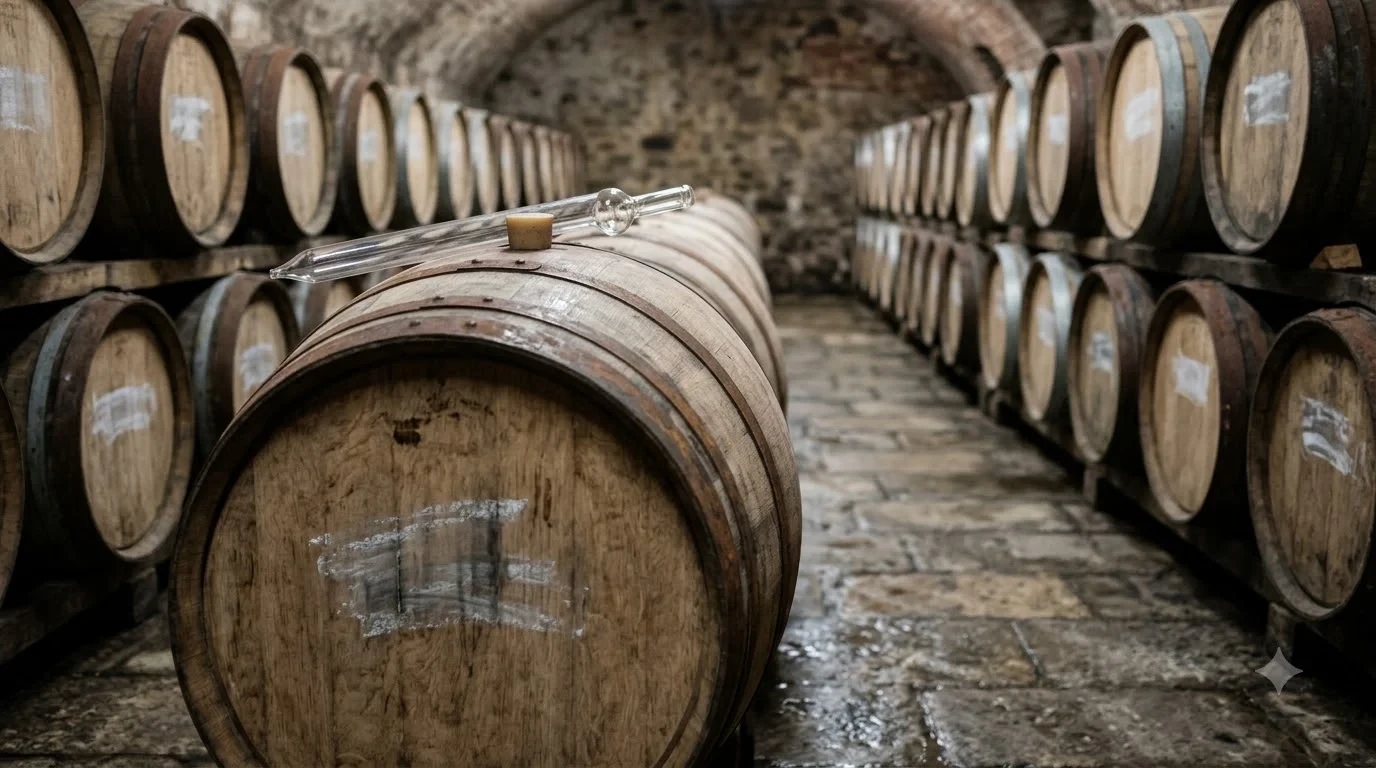
Rioja’s aging terms give a practical indication of the wine’s development. In general, the longer-aged categories move away from fresh berry fruit toward dried fruit, spice, leather, tobacco and softer-feeling tannins, although the producer’s choices still matter.
Rioja sets minimum aging periods for red wines, including time in oak and bottle. The table summarizes the usual red-wine requirements; producers may age a wine longer. For red Crianza, the region specifies at least one year in 225-liter oak barrels.
| Label | Minimum total aging | Minimum oak aging | Minimum bottle aging | Typical flavor direction |
|---|---|---|---|---|
| Genérico / young style | 1–2 years for the generic category | No fixed minimum | No fixed minimum | Fresh cherry, strawberry and plum |
| Crianza | 2 years | 1 year | No specified minimum | Fresh fruit, vanilla and gentle spice |
| Reserva | 3 years | 1 year | 6 months | Darker fruit, baking spice, tobacco and leather |
| Gran Reserva | 5 years | 2 years | 2 years | Dried fruit, earth, toast, coffee and mature savory notes |
A young or Genérico red is usually the most direct expression of fruit. It may offer juicy cherry and raspberry, a softer oak imprint and a lively finish. Crianza adds a clearer wood influence: vanilla, cedar or sweet spice can frame the fruit, but a good example should still taste recognizably fresh. This is often a sensible starting point for someone who likes a balanced red rather than a wine dominated by oak.
Reserva generally has more layers. Dark cherry, plum and blackberry may be joined by baking spice, vanilla, cocoa, tobacco or leather, and the texture often feels more integrated after its longer development. Gran Reserva takes the process further, with dried cherry or plum, earth, tea, coffee, tobacco and polished spice replacing some of the youthful fruit. For the official rules, see the Rioja classification explained by the region. Wine Enthusiast’s Rioja overview also describes how the fruit and oak profile shifts between the main red categories.
Tempranillo, Blending Grapes, and Rioja’s Three Zones
Tempranillo is the central red grape in Rioja, but the finished wine can include other varieties that change its aroma, structure and weight. The region’s three zones—Rioja Alta, Rioja Alavesa and Rioja Oriental—also contribute different expressions, so two bottles with the same aging term do not have to taste identical.
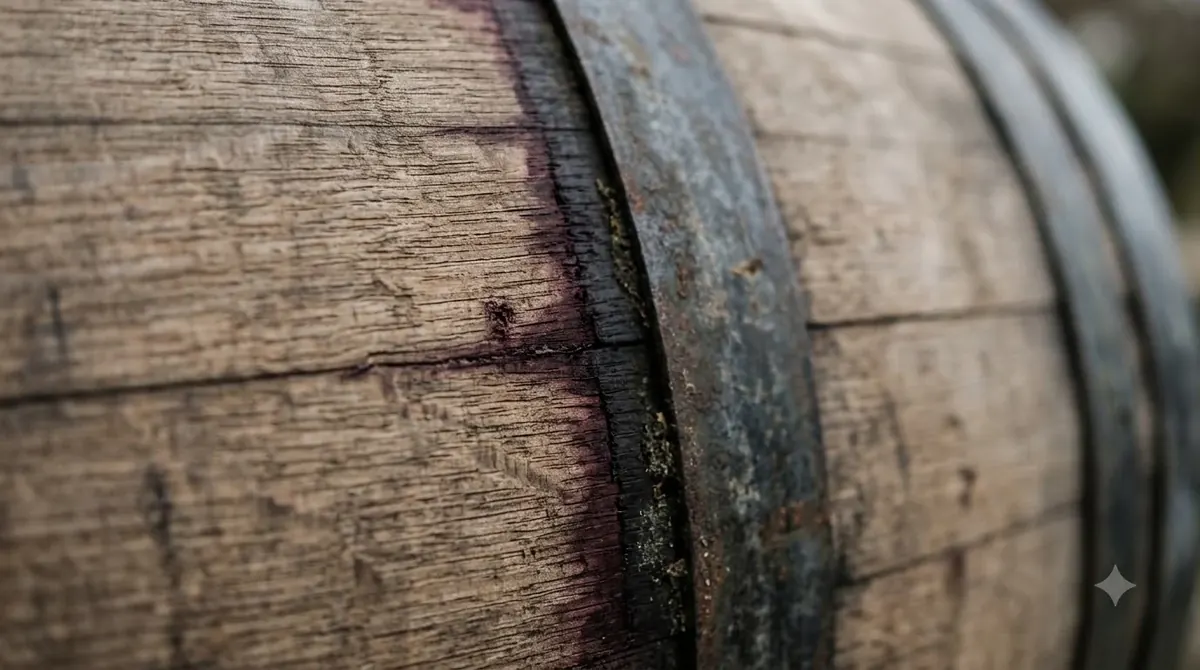
Tempranillo commonly brings red and black fruit, including plum, strawberry and forest berries, along with floral hints such as violet. With extended aging, its profile can develop vanilla, cocoa or licorice notes. That combination explains why Rioja can taste both fruity and savory: the grape supplies the fruit core, and cellar maturation adds further aromatic layers. A varietal Tempranillo can show the grape clearly, while a blend may be more about the balance between fruit, acidity, body and tannin.
Garnacha, also known as Grenache, often contributes ripe red fruit, warmth and body. Graciano can bring vivid aroma, color, acidity and firmer structure; Mazuelo, also called Carignan, can add acidity and tannin. The proportions vary: some bottles are based mainly on Tempranillo, while others use a supporting cast to create a rounder or more structured blend.
Rioja’s three zones are useful clues, not guarantees of a single flavor. Rioja Alta, influenced by Atlantic conditions, tends toward fresher, more structured and age-worthy wines; Rioja Alavesa is often associated with purity, perfume and precision; warmer, more Mediterranean Rioja Oriental tends toward fuller, riper styles, with Garnacha thriving there. The Wine Society describes these as broad regional tendencies rather than fixed rules. The official designation also recognizes municipality and single-vineyard origins, which identify a more specific place than a broad regional blend. If a label names a zone or village, it offers a geographical clue alongside the aging category. That is one reason Rioja belongs in a broader Wine by Type exploration rather than being treated as one unchanging red-wine flavor.
White, Rosé, and Sparkling Rioja Taste Different
Rioja is not only red: its white, rosé and sparkling wines cover a wider range of flavors, from crisp citrus and orchard fruit to creamy texture and savory complexity. White Rioja is especially varied because winemakers can choose fresh stainless-steel fermentation or barrel work that builds weight and oak character.
Viura, also known as Macabeo, is the best-known white grape in the region. Young white Rioja often tastes fresh and clean, with lemon, green apple, pear or subtle white-flower notes and medium-high acidity. Other permitted grapes include Garnacha Blanca, Malvasía, Tempranillo Blanco, Maturana Blanca, Turruntés, Verdejo, Chardonnay and Sauvignon Blanc. They can add aromatic lift, texture or a different balance of fruit and acidity, depending on the blend.
Barrel-fermented or barrel-aged white Rioja can feel broader and creamier than a stainless-steel example. Expect ripe apple, citrus peel, toasted nuts, vanilla or gentle spice, sometimes with a round texture from time spent on the fine lees. Rioja’s regulatory council describes its white wines as having body and medium-high acidity, and notes that younger aromatic whites are commonly fermented at low temperatures in stainless steel or neutral tanks, while fuller styles can ferment in barrels. That range makes it worth comparing a fresh white with an oak-aged bottle rather than assuming all Rioja Blanco tastes alike.
Rosé Rioja ranges from pale, light and fruity styles to deeper-colored clarets and wines aged in cask. Sparkling Rioja is made by the traditional method, so it can show fine bubbles alongside citrus, orchard fruit and, with longer bottle aging, bread or pastry-like aromas. These styles offer good alternatives when a red Rioja would feel too substantial. For a grape comparison, readers exploring what does chenin blanc taste like may recognize a similar contrast between fresh, high-acid whites and richer, barrel-influenced versions, even though the grapes and regional styles differ.
Foods That Bring Out Rioja’s Fruit and Savory Notes
Rioja’s acidity, fruit and moderate tannin make it a flexible food wine, especially with roasted meat, pork, mushrooms and dishes seasoned with herbs or paprika. Match the weight and age of the bottle to the food: a lively Crianza suits everyday dishes, while an older Reserva or Gran Reserva can handle slower-cooked, more deeply savory flavors.
Try young or Crianza Rioja with grilled pork chops, roast chicken, lamb kebabs, burgers, Spanish-style tortilla, or tapas with chorizo and Manchego. The wine’s cherry and plum notes complement browned meat, while acidity refreshes the palate between bites. Reserva works well with roast lamb, pork shoulder, braised beef, mushroom dishes and aged cheeses. Its developed savory notes can echo the browned edges of roasted food, herbs, and the earthy character of mushrooms. Gran Reserva is best with dishes that are flavorful but not too hot, such as slow-braised short ribs, roast lamb, grilled steak or aged sheep’s-milk cheese.
For vegetarian pairings, think roasted eggplant, lentils, grilled portobello mushrooms, tomato-rich casseroles and dishes with smoked paprika. The savory character in an aged Rioja can complement browned vegetables, while a younger red can match tomato acidity and herbs. Avoid assuming every red wine works with every fish: tannin can clash with oily fish, so choose a crisp white Rioja or a lighter rosé for salmon, tuna or sardines. Likewise, very spicy chili heat can make alcohol and tannin feel more intense. A milder preparation is usually a better partner for a structured red.
Tip: Match the wine’s intensity to the dish, not just its main ingredient. Salt and fat soften the impression of tannin, so a structured Reserva can feel smoother with roasted lamb or a salty aged cheese than it does on its own.
Sweetness and acidity matter too. A dry Rioja should not be expected to taste sweet alongside a sugary glaze or dessert; the wine should be at least as sweet as the food to avoid tasting thin or sour. Acidic dishes, such as tomato-based sauces, generally need a wine with equal or higher acidity. A fruit-forward red can work with grilled pork or tomato stew, but a highly sweet barbecue sauce may call for a different style. If you are choosing a red Italian wine instead, what does corvina taste like is a useful comparison for another red-grape profile built around bright fruit and savory food pairings.
Serving Temperature and Choosing a Bottle
Serve red Rioja slightly cool rather than warm: about 60–65°F is a good range for fuller styles, while lighter, younger reds can be served around 55–60°F. A modest chill keeps the alcohol from seeming heavy and helps the fruit and acidity stay in focus.
For an easy first bottle, choose a Crianza if you want a balance of fresh cherry and plum with vanilla or spice. Choose Reserva when you prefer darker fruit, more developed savory notes and a smoother texture. Gran Reserva is the option for pronounced bottle-age character—think dried fruit, leather, tobacco and earth—rather than a simple burst of fresh berries. If the label says Blanco, Rosado or Espumoso, use the color and style as your first guide instead of applying the red-wine flavor profile automatically.
Serve red Rioja in a regular wine glass and pour about 5 ounces, leaving room to swirl and smell the wine. A young, full-bodied red may benefit from 30–60 minutes in a decanter if it seems tight or dominated by oak when first opened. Older bottles need a gentler approach: stand the bottle upright before opening if sediment is expected, pour slowly, and avoid leaving a mature wine exposed to air for too long. A brief pause in the glass can reveal more aroma without stripping away delicate aged character.
For white Rioja, a light or unoaked bottle is best around 45–50°F, while a fuller barrel-aged white generally shows better around 50–55°F. Rosé can be served around 45–50°F, and sparkling Rioja around 40–50°F. These temperatures are starting points, not rigid rules: if a white feels muted straight from the refrigerator, let it warm slightly; if a red feels alcoholic or heavy, cool it a little. Store unopened bottles away from sunlight and heat, ideally near 55°F, with cork-finished bottles on their sides. Once opened, keep still wine in the refrigerator and aim to finish it within 3–5 days for best freshness.
Frequently Asked Questions
Do white Rioja wines follow the same aging rules as red Rioja?
No. White and rosé Crianza wines need at least 6 months in oak, while white and rosé Reserva wines require 2 years of aging with 6 months in barrel. White and rosé Gran Reserva wines require 4 years in total, including at least 6 months in oak.
How long does sparkling Rioja age?
The generic Espumoso de Rioja category requires at least 15 months of bottle aging using the traditional method. Reserva sparkling Rioja requires 24 months, while Gran Añada requires at least 36 months. Those longer periods can build finer bubbles and more complex aromas.
Is Rioja similar to Pinot Noir?
They can overlap in red-cherry and earthy notes, but they usually feel different in structure. Pinot Noir commonly has lower-to-medium tannin and high acidity, while many Tempranillo-based Riojas have more noticeable tannin and a stronger oak or savory imprint.
What does an older Rioja smell like?
With bottle age, a Rioja may develop aromas beyond fresh fruit, including dried leaves, leather, tobacco, forest floor, tea and savory spice. The exact mix depends on the wine’s original fruit, its time in oak and bottle, and how it has been stored.
Can Rioja be made from grapes other than Tempranillo?
Yes. The designation permits 14 grape varieties in total, including the lesser-known red Maturana Tinta and white Turruntés. A bottle may be a blend or focus on one variety, so the grape name can provide a useful clue alongside the Rioja designation.
Rioja’s signature red profile is dry, fruit-centered and savory, with oak and bottle age shaping how much vanilla, spice, leather or dried fruit appears. Start with a Crianza for freshness, move to Reserva for added complexity, and explore white or rosé Rioja when you want a brighter alternative.
More in Wine Types & Grapes
 Zinfandel Sugar Content: Dry Red vs. White Zinfandel GramsUpdated Nov 21, 2026
 Best Zinfandel Substitute Options for Sipping and CookingUpdated Nov 21, 2026
 Zweigelt Food Pairing: Best Dishes, Cheeses, and Serving TipsUpdated Nov 21, 2026
 Zinfandel Tannins Explained: How Structure Shapes Every BottleUpdated Nov 21, 2026
 Zinfandel Sweetness Level: Dry Red vs. Sweet White Zin ExplainedUpdated Nov 21, 2026
 Xinomavro Food Pairing: Best Dishes, Styles, and Serving TipsUpdated Nov 21, 2026