

We may earn a commission when you buy through links on this page, at no extra cost to you. Learn more.
Claret wine is a dry red wine from Bordeaux, France, usually a blend of Cabernet Sauvignon, Merlot and other classic grapes. The word is the old English name for the region’s red wines, and today it most often means the dry, dark-red Bordeaux style. Most bottles are medium to full bodied, with firm tannins and dark fruit, and they show their best with food.
This guide explains where the name comes from, which grapes go into a claret, how the Left Bank and Right Bank styles differ, and how to serve and pair these wines. If you have seen “claret” on a restaurant list and wondered whether it is a different wine from Bordeaux, the short answer is that it is the same family of wines under an older name.
Where the name claret comes from
The word claret traces back to the French clairet, a light, dark-rosé style that was Bordeaux’s most common export in the medieval period. English merchants bought large quantities of the region’s wine while Aquitaine was under English rule, and the name was anglicized over the 12th to 15th centuries. Over time English speakers began using it for red Bordeaux in general, and British traders kept that usage for centuries.
Today the name carries a legal meaning in the European Union, which protects “claret” as a term for red Bordeaux. In the United States it is used more loosely, sometimes as a semi-generic label for Bordeaux-style red blends made elsewhere. Because the word is so old, you will still find it in older books, auction catalogs and British wine lists, where it simply means a red from Bordeaux.
The grapes in a classic claret
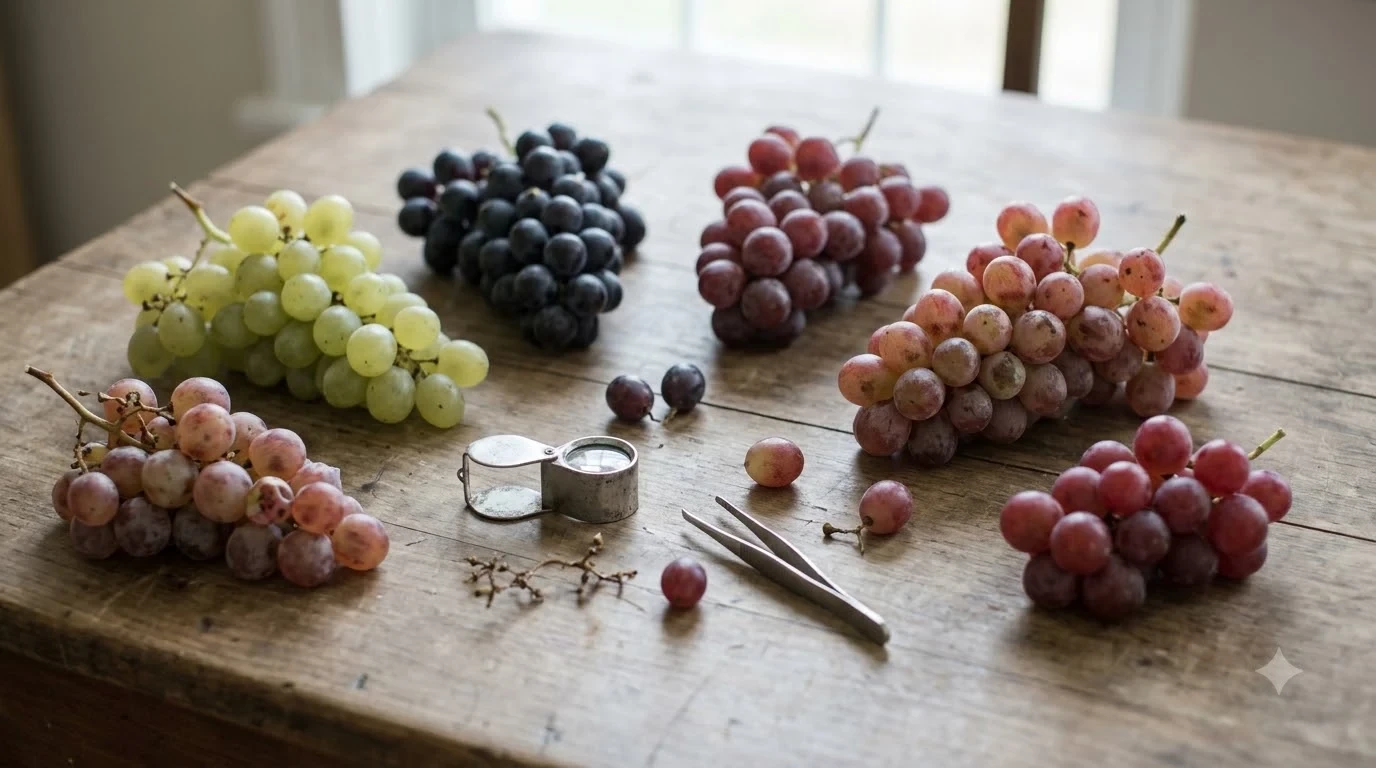
Red Bordeaux is a blend, and the permitted red grapes are Cabernet Sauvignon, Cabernet Franc, Merlot, Petit Verdot, Malbec and Carménère. Producers rarely use all of them in one bottle. Each estate chooses a mix that suits its soil and the vintage, which is why two claret bottles from neighboring estates can taste quite different.
Cabernet Sauvignon gives structure, firm tannins and dark fruit, while Merlot adds softness, plum flavors and a rounder mid-palate. Cabernet Franc often brings floral and herbal notes, and Petit Verdot is used in small amounts for color and spice. Malbec, which was once more widespread in the Médoc, now plays a smaller role in most blends. Winemakers usually age each grape separately before deciding the final proportions, so the blend is tuned after the fact rather than planted as a single recipe.
Left Bank and Right Bank claret
The Gironde estuary divides the Bordeaux region into two halves, and the wines on each side tend to lean in different directions. This is the most useful distinction for understanding claret. The Left Bank, including the Médoc and Graves, is generally Cabernet Sauvignon dominant, while the Right Bank, including Saint-Émilion and Pomerol, tends to be Merlot dominant.
In practice, Left Bank bottles often feel firmer and more reserved when young, with cedar, pencil lead and black currant notes that open up with age. Right Bank bottles are often softer and rounder, with plum and dark cherry flavors that can be enjoyable sooner. Neither style is better in general. The choice depends on whether you want a wine to age for years or to drink with dinner tonight.
Vintage weather also changes the picture. A warm, dry season tends to give ripe, concentrated wines, while a cooler year can produce lighter bottles with more acidity. Because the two banks respond to weather differently, a good Right Bank year and a good Left Bank year can taste quite different even from the same producer group. Reading the vintage on the label alongside the bank gives you a more reliable idea of what is in the glass.
| Feature | Left Bank claret | Right Bank claret |
|---|---|---|
| Dominant grape | Cabernet Sauvignon | Merlot |
| Well-known areas | Médoc, Graves | Saint-Émilion, Pomerol |
| Typical flavors | Black currant, cedar, graphite | Plum, dark cherry, cocoa |
| Early drinking | Firm, usually needs time | Softer, approachable sooner |
How to serve claret
Serving temperature has a bigger effect on claret than many people expect. The Wine Folly Cabernet Sauvignon guide recommends serving full-bodied reds at 60 to 68°F (15 to 20°C), which is cooler than most living rooms. A short rest in the refrigerator before pouring is often enough, and it keeps the wine from tasting heavy or overly warm.
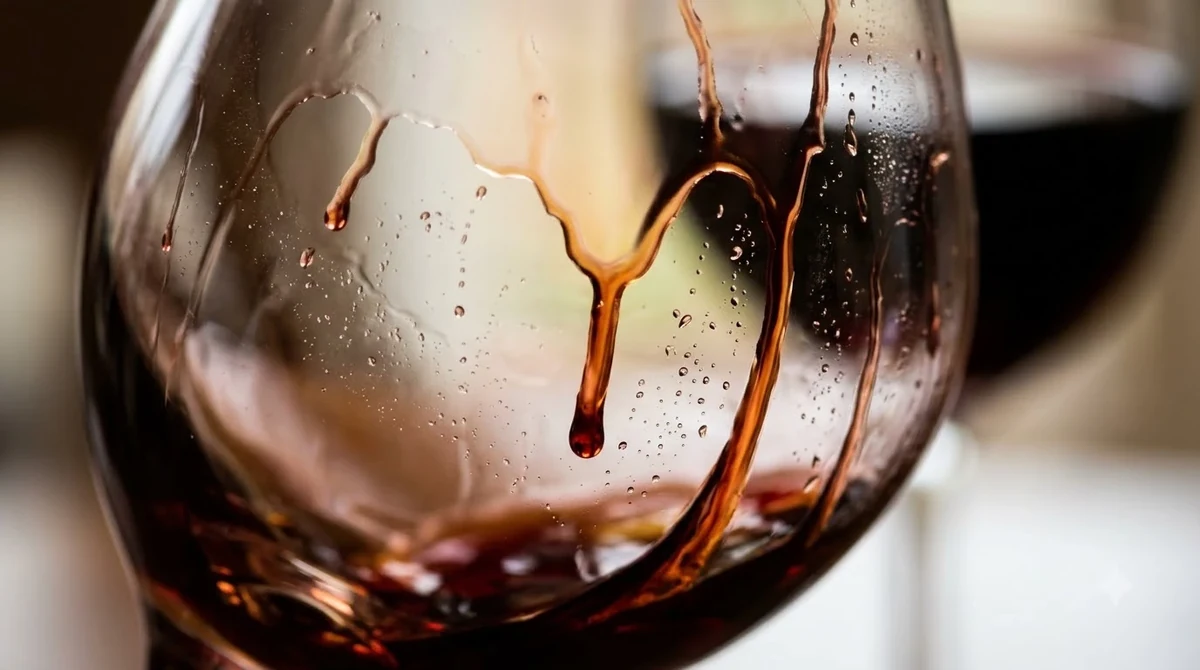
Decanting helps younger bottles. The same guide suggests decanting a big red for about an hour before serving, which softens the tannins and lets the aromas develop. Older bottles need more care, since they can throw sediment. Stand them upright for a day before opening and pour slowly. A large glass also helps, because claret’s aromas are easier to read when the wine has room to open.
Food pairings for claret
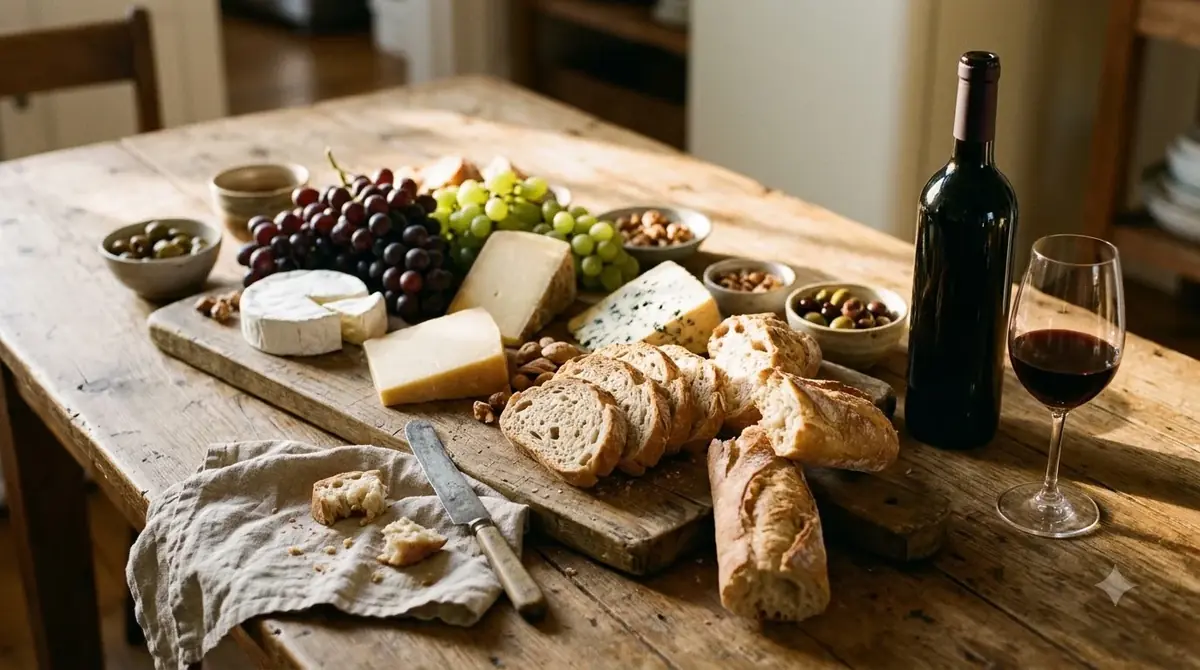
Claret pairs best with food that has enough fat and protein to match its tannins. Grilled or roasted red meat, lamb and aged hard cheeses are classic partners, because the fat softens the tannins while the wine’s dark fruit lifts the richness of the dish.
Lighter Right Bank styles also work with roast chicken, mushroom dishes and tomato-based pasta. A firmer Left Bank bottle suits a rich beef stew or a steak with peppercorn sauce, where its structure has something to push against. Be cautious with very sweet sauces and very spicy food, because heavy tannins can taste bitter alongside them.
Cheese is a good test case. Hard, aged cheeses with crystals and nutty flavors tend to match a Left Bank claret well, while soft, creamy cheeses are often easier with a Right Bank bottle. If you are building a dinner around one bottle, start with the main course and let the sauce decide the style. A mushroom or red wine reduction suits a softer wine, while a peppery or charred dish gives a firmer claret room to show its character.
How to choose a bottle of claret
Start with the appellation or the vintage rather than the price. A label that names Médoc or Saint-Émilion tells you the likely grape balance, and the vintage tells you how the growing season went. Look for the words Bordeaux or Bordeaux Supérieur on the label for a standard regional wine, and for a named commune or château if you want a more specific style.
If you are new to claret, a Right Bank bottle is often the easier first choice because it is softer. Once you know which style you like, try a Left Bank wine to compare the two side by side. Tasting two claret from the same vintage is one of the quickest ways to learn how grape balance shapes flavor, because the difference between a Merlot-led and a Cabernet-led bottle becomes obvious when they sit next to each other. For a broader view of how claret fits among other red wine families, the wine types guide lays out the main categories, and the cabernet sauvignon wine guide explains the grape that anchors most Left Bank blends.
Tip: If a menu lists a bottle simply as “claret,” ask whether it is a Left Bank or Right Bank style. Servers often know the answer, and it tells you quickly whether to expect something firm or something soft.
Frequently Asked Questions
Is claret the same as Bordeaux wine?
In most usage, yes. Claret is the traditional English name for red wine from the Bordeaux region of France, and it generally refers to a dry red blend. Some producers outside Bordeaux use the word loosely for Bordeaux-style blends, so check the label if the origin matters to you.
What grapes are in a claret?
The permitted red grapes are Cabernet Sauvignon, Cabernet Franc, Merlot, Petit Verdot, Malbec and Carménère. Most bottles blend two or three of them, and the mix changes with the estate and the vintage.
Should claret be served chilled?
Not very cold. The Wine Folly guide suggests 60 to 68°F (15 to 20°C) for full-bodied reds, so a short time in the refrigerator is usually enough if the room is warm.
How long can claret age?
Firm Left Bank bottles from strong vintages can develop for many years in good storage. Many Right Bank and everyday bottles are best within a few years of release. Check the producer’s guidance for the specific wine you are buying.
Claret is a good place to start if you want a structured dry red with a long history. Whether you pick a firm Left Bank bottle or a softer Right Bank one, the key is matching it to the meal and giving it a little time to open.
More in Wine Types & Grapes
 Zinfandel Sugar Content: Dry Red vs. White Zinfandel GramsUpdated Nov 21, 2026
 Best Zinfandel Substitute Options for Sipping and CookingUpdated Nov 21, 2026
 Zweigelt Food Pairing: Best Dishes, Cheeses, and Serving TipsUpdated Nov 21, 2026
 Zinfandel Tannins Explained: How Structure Shapes Every BottleUpdated Nov 21, 2026
 Zinfandel Sweetness Level: Dry Red vs. Sweet White Zin ExplainedUpdated Nov 21, 2026
 Xinomavro Food Pairing: Best Dishes, Styles, and Serving TipsUpdated Nov 21, 2026