

We may earn a commission when you buy through links on this page, at no extra cost to you. Learn more.
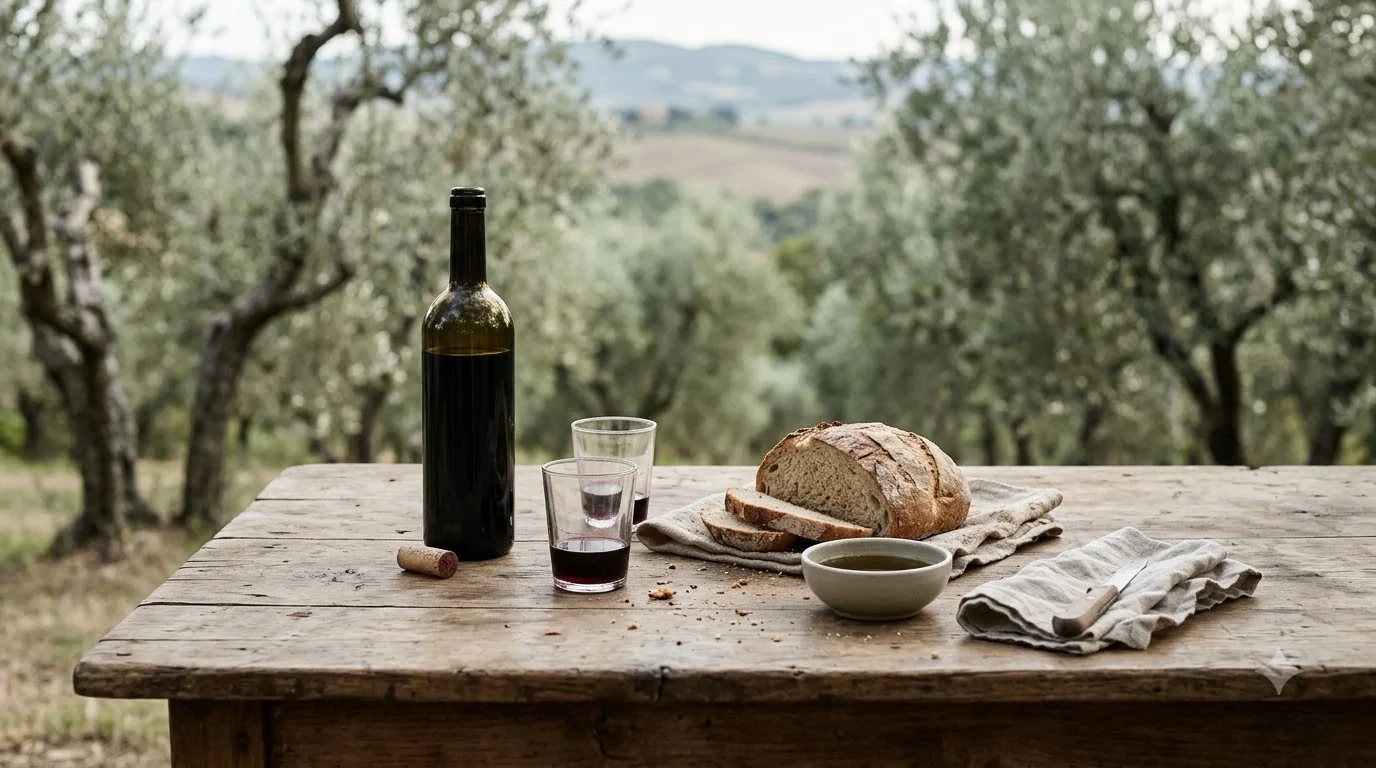
If you are wondering what does nero d avola taste like, expect a bold, fruit-driven red wine bursting with flavors of black cherry, black plum, and blackberry, layered over savory hints of licorice, tobacco, and spice. Sicily’s flagship red grape delivers a medium-full to full body with moderately high acidity and firm, approachable tannins. Depending on how it is aged, a bottle can lean either juicy and bright or rich, velvety, and dark like Cabernet Sauvignon or Syrah.
Pronounced “nair-oh davo-la,” this indigenous Italian grape has anchored Sicilian winemaking for centuries. While it spent much of its history blended into other regional wines to add color and weight, modern winemakers now bottle it on its own to highlight its expressive fruit and sunny Mediterranean character. If you enjoy exploring distinct Wine by Type, understanding Nero d’Avola opens the door to one of southern Italy’s most rewarding everyday reds.
What Is Nero d’Avola?
Nero d’Avola is Sicily’s most important indigenous red wine grape, taking its name from the historic town of Avola in the southeastern part of the island. In Italian, the name translates roughly to “the black grape of Avola,” a nod to its deeply pigmented, nearly opaque ruby-purple color in the glass.
Historically, the grape was also known locally as Calabrese, a term widely believed to stem from a Sicilian dialect pronunciation rather than the mainland region of Calabria. For generations, northern Italian and French winemakers quietly imported Sicilian Nero d’Avola in bulk to strengthen lighter wines from cooler climates. It was not until the late 1990s that forward-thinking Sicilian estates began bottling single-varietal expressions that earned international acclaim.
Today, Nero d’Avola stands at the center of Sicily’s quality wine renaissance. Built to thrive in arid, sun-drenched vineyards, the vine retains a surprising thread of natural acidity even in extreme heat. That balance keeps the finished wine lively on the palate rather than heavy or jammy, making it far more versatile at the dinner table than many drinkers expect from a warm-climate red.
Flavor Profile and Winemaking Styles
In the glass, Nero d’Avola balances lush dark berry and stone fruit notes with an unmistakable savory, herbal edge. According to Wine Folly’s comprehensive guide to Nero d’Avola, primary fruit notes typically center on black cherry, black plum, and prune, accented by secondary nuances of licorice, chili pepper, cocoa, and sweet tobacco.
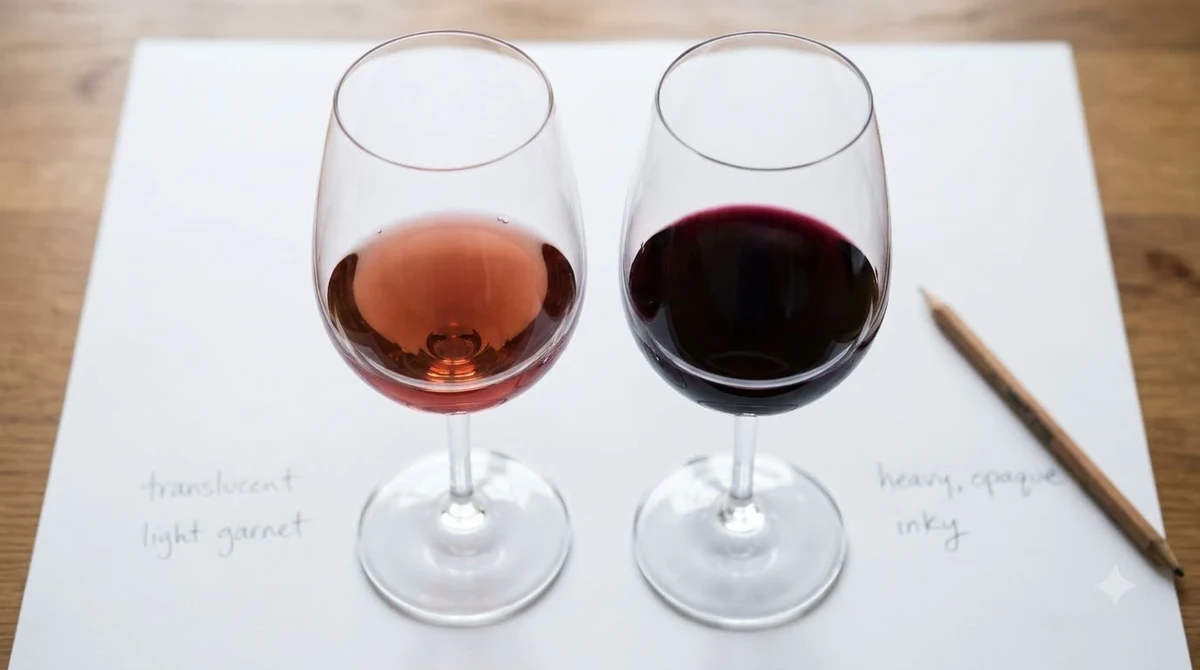
Structure is where Nero d’Avola truly shines. Most bottlings fall into the medium-full to full-bodied range, typically landing between 13.5% and 14.5% ABV, though some sun-ripened examples reach 15% ABV. Its tannins are medium-high—firm enough to coat the palate and hold up to rich food, yet smoother and less astringent than Nebbiolo or young Cabernet Sauvignon. Moderately high acidity cuts through that richness, giving each sip a juicy, mouthwatering finish.
Winemakers generally craft Nero d’Avola in two distinct styles, which dramatically shapes what you taste in the glass:
- Unoaked or Concrete-Aged (Fresh Style): Fermented and rested in stainless steel or neutral concrete tanks, these wines emphasize bright red and black cherry, raspberry, violet, and wild Mediterranean herbs. They feel lighter on their feet, energetic, and easy to drink young.
- Oak-Aged (Rich Style): Matured in French or Slavonian oak barrels, these expressions develop deeper layers of blackberry jam, dried fig, espresso, dark chocolate, leather, and baking spice. The oak rounds out the edges and adds a plush, velvety texture built for cellar aging.
| Attribute | Unoaked / Concrete-Aged Style | Oak-Aged Style |
|---|---|---|
| Primary Fruit Notes | Red cherry, raspberry, fresh plum | Black cherry, blackberry, dried fig, prune |
| Savory & Secondary Notes | Wild herbs, white pepper, mineral, violet | Tobacco, cocoa, espresso, licorice, leather |
| Body & Tannin | Medium to medium-full; supple, chewy tannins | Full-bodied; firm, velvety tannins |
| Comparable Wines | Chianti Classico, Côtes du Rhône | Cabernet Sauvignon, Syrah, Zinfandel |
If you are accustomed to lighter, aromatic Italian styles—like those you would explore when learning what does corvina taste like—an oak-aged Nero d’Avola will feel noticeably denser and darker, while an unoaked bottle bridges the gap nicely.
Where Nero d’Avola Grows
Although nearly all of the world’s Nero d’Avola grows across the island of Sicily, a handful of warm-climate producers in California and Australia have also begun cultivating the grape. Within Sicily, soil type and elevation create subtle regional differences from coast to mountain.
Its ancestral homeland lies in southeastern Sicily around Avola, Noto, and Vittoria, where calcareous, sandy soils and cooling sea breezes produce fragrant, finely structured wines. Further inland and across western Sicily—in areas like Marsala, Menfi, and Agrigento—warmer temperatures and clay-limestone soils yield darker, broader, and more opulent reds. Higher-elevation vineyards in central Sicily introduce sharper diurnal temperature swings, preserving crisp acidity and floral aromatics.
Outside Italy, the grape’s natural drought tolerance has caught the attention of winemakers facing hotter growing seasons. Pioneering growers in Mendocino County, California, and McLaren Vale in South Australia have planted small blocks of dry-farmed Nero d’Avola, producing ripe, juicy reds that echo their Sicilian roots.
How to Serve Nero d’Avola
Serve Nero d’Avola slightly below room temperature, ideally between 60°F and 68°F (15°C to 20°C), in a large-bowled red wine glass. Chilling the bottle briefly before pouring keeps the alcohol feeling integrated and accentuates the grape’s bright berry fruit.
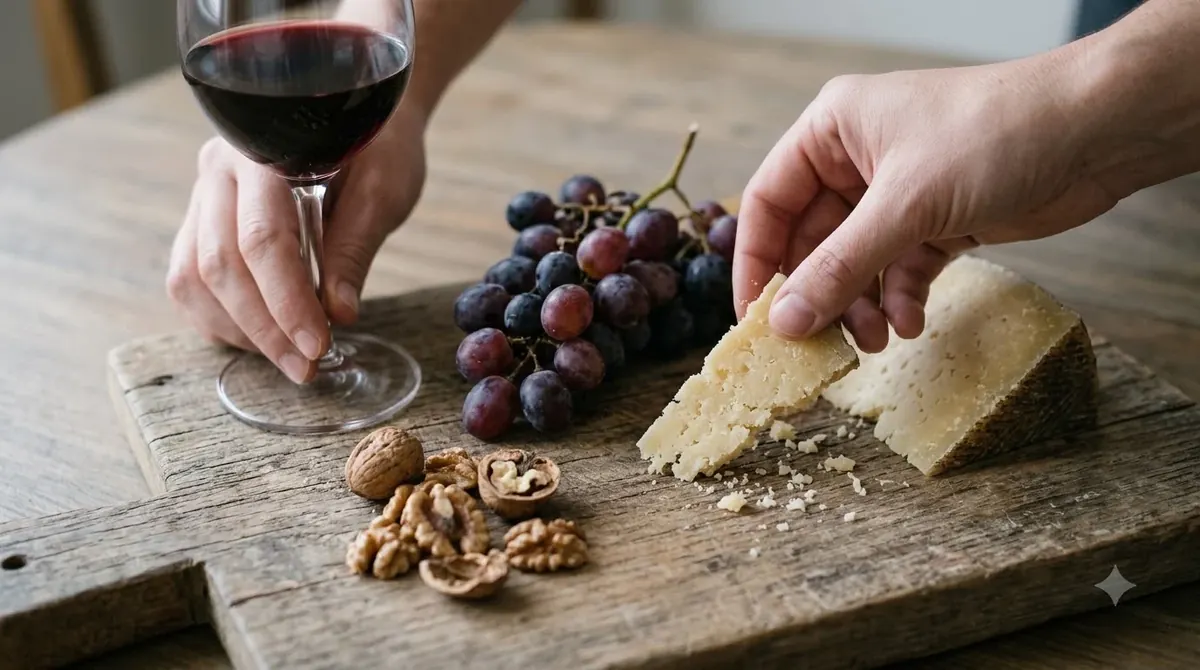
A large bowl gives the wine plenty of surface area to breathe, softening its firm tannins and concentrating its aromas of dark fruit, spice, and tobacco. For younger, oak-aged bottles with tighter structure, pouring the wine into a decanter for 30 to 60 minutes before dinner allows harsh edges to mellow and secondary cocoa and herbal notes to emerge. Conversely, lighter unoaked bottlings can handle a slightly cooler temperature—closer to 58°F or 60°F—making them refreshing options even on warmer evenings.
While most everyday bottles are crafted to be enjoyed within three to five years of the vintage date, well-structured single-vineyard and Riserva bottlings from top Sicilian estates can age gracefully in a cool cellar for 10 years or more, developing complex tertiary notes of dried fig, leather, and forest floor.
Tip: Put your bottle of Nero d’Avola in the refrigerator for 20 to 30 minutes before serving so it hits the sweet spot around 62°F instead of warm indoor room temperature.
Best Food Pairings for Nero d’Avola
With its combination of bold dark fruit, savory spice, and mouthwatering acidity, Nero d’Avola is a natural match for hearty, slow-cooked meats, smoky grilled dishes, and rich tomato-based pastas. Its firm tannins bind smoothly to proteins and fats, while its acidity cuts through heavy sauces.
Classic Sicilian and Italian pairings highlight the grape’s savory side. Braised beef short ribs, slow-simmered oxtail stew, and roast lamb with rosemary and garlic mirror the wine’s dark plum, bay leaf, and herbal undertones. For weeknight meals, a medium-bodied Nero d’Avola pairs effortlessly with spaghetti marinara, baked ziti, or wood-fired pizza topped with spicy sausage, as the wine’s bright acidity matches the tang of cooked tomatoes.
Nero d’Avola also shines at backyard barbecues and holiday spreads. Reviewers at VinePair’s Sicilian Nero d’Avola tasting guide point out that the grape is an ideal Thanksgiving companion because its plush fruit and lively structure stand up to roast turkey, rich gravy, and savory side dishes alike. Off the grill, bacon cheeseburgers, smoky barbecue ribs, and charred eggplant or portobello mushroom steaks bring out the wine’s sweet cherry and cocoa notes, while aged hard cheeses like Pecorino Romano and Parmigiano-Reggiano make an easy post-dinner pairing.
How to Choose a Bottle of Nero d’Avola
Reading the back label and regional designation is the easiest way to predict whether a bottle of Nero d’Avola will taste bright and juicy or dark and structured. Because producers make the grape in several distinct expressions, paying attention to a few key cues will point you toward the style you prefer.
First, look at the aging vessel mentioned on the label. Bottles noting fermentation in stainless steel or concrete tanks—often labeled under the Sicilia DOC or Terre Siciliane IGT designations—typically deliver pure, fruit-forward flavors of red cherry, raspberry, and herbs with minimal oak influence. If you prefer a fuller, richer glass with notes of dark chocolate, vanilla, and espresso, look for mentions of French oak aging or “Riserva” on the label, which requires extended maturation before release.
You will also encounter Nero d’Avola in traditional Sicilian blends. The most famous is Cerasuolo di Vittoria DOCG, Sicily’s only DOCG wine, which blends Nero d’Avola with the lighter, floral Frappato grape. That pairing yields a vibrant, medium-bodied red bursting with strawberry, cherry, and spice—a great stepping stone if you usually favor Pinot Noir or are curious about contrasting fuller reds with crisp whites like what does chenin blanc taste like.
Frequently Asked Questions
Is Nero d’Avola a dry or sweet wine?
Nero d’Avola is almost always made as a fully dry red wine. Its ripe flavors of black cherry, blackberry, and plum can give a slight impression of fruit sweetness on the mid-palate, especially in warm-vintage bottles, but there is virtually no residual sugar. If you are looking for an authentically sweet Italian wine with floral aromatics, you would want to explore what does moscato d asti taste like instead.
What wine is most similar to Nero d’Avola?
Oak-aged Nero d’Avola is most frequently compared to Cabernet Sauvignon, Syrah, and Zinfandel because of its full body, dark fruit core, and savory notes of tobacco, pepper, and spice. Unoaked or concrete-aged versions feel closer to Chianti Classico or a medium-bodied Côtes du Rhône, offering brighter red fruit and lively acidity.
How do you pronounce Nero d’Avola?
Nero d’Avola is pronounced “NAIR-oh DAH-voh-lah.” The emphasis falls on the first syllable of each word, and the name translates from Italian to “the black grape of Avola,” referencing the southeastern Sicilian town where the variety originated.
Does Nero d’Avola have high tannins?
Nero d’Avola has medium-high tannins that provide noticeable grip and structure without feeling overly harsh or drying. While oak-aged and Riserva bottlings carry firmer tannins suited for rich meats, younger unoaked versions have supple, rounded tannins that drink smoothly right away.
Whether you reach for a bright, concrete-aged bottle for pasta night or a plush, oak-matured expression for a slow-braised roast, Nero d’Avola offers remarkable depth and character. Its blend of sun-ripened dark fruit, savory Mediterranean spice, and refreshing acidity makes it one of Italy’s most dependable red wines to keep in your regular rotation.
More in Wine Types & Grapes
 What Glass for Sangria Works Best for Easy, Chilled ServingUpdated Nov 21, 2026
 What Does Vin Santo Taste Like? Flavor Profile, Styles, and Pairing GuideUpdated Nov 21, 2026
 What Glass for Sake Works Best to Unlock Every AromaUpdated Nov 21, 2026
 What Glass for Mulled Wine Keeps It Warm and Safe to HoldUpdated Nov 21, 2026
 What Glass for Mead: Choosing the Right Stemware for Every StyleUpdated Nov 21, 2026
 What Glass for Dessert Wine Brings Out the Best Flavor and AromaUpdated Nov 21, 2026