

We may earn a commission when you buy through links on this page, at no extra cost to you. Learn more.
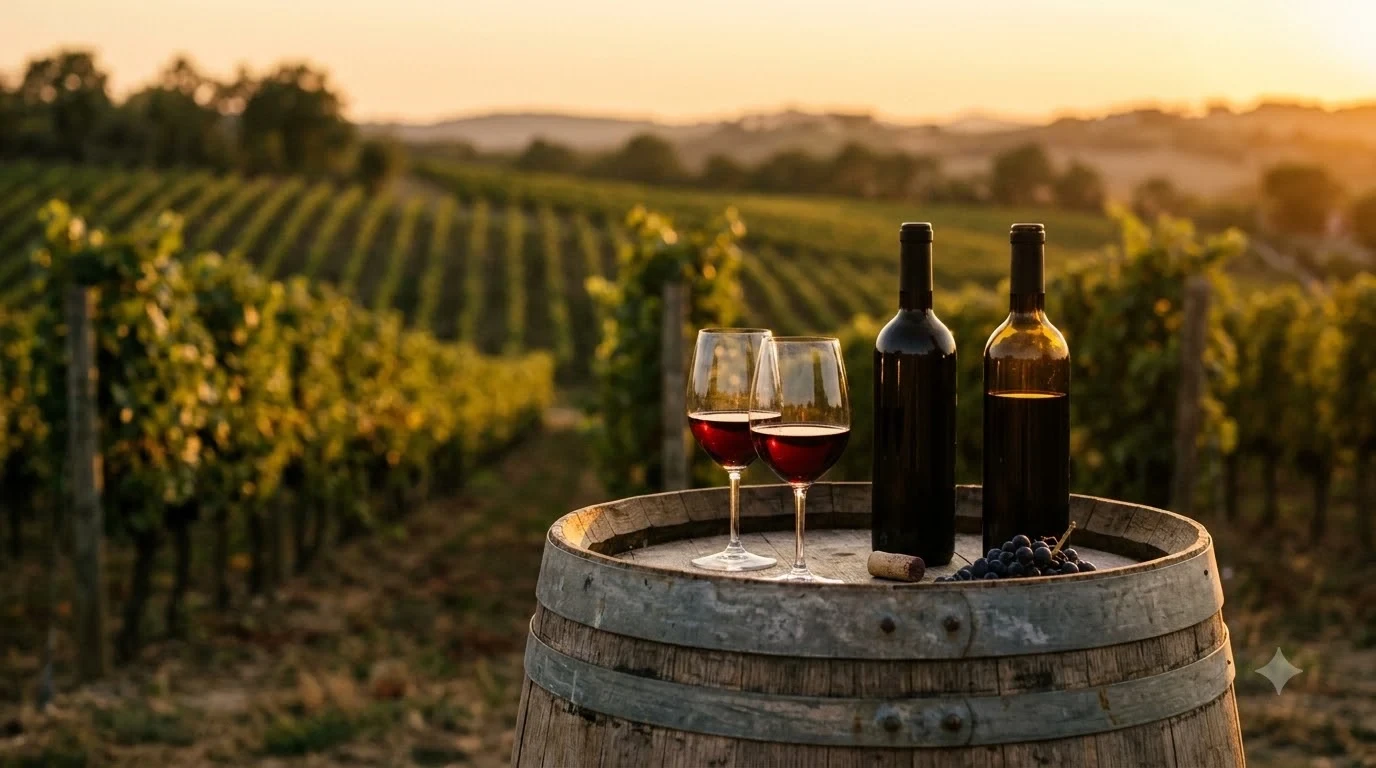
Wales wine tasting offers visitors the chance to discover distinctive cool-climate wines, including crisp Solaris whites, expressive Pinot Noir reds, refreshing rosés, and traditional-method sparkling wines at welcoming countryside vineyards. The strongest concentration of wineries is in Monmouthshire and southeastern Wales, although interesting producers also operate in Pembrokeshire, Carmarthenshire, the Vale of Glamorgan, and North Wales. Visitors can enjoy guided vineyard walks, cellar-door tastings, local food pairings, and small-production bottles that reflect Wales’s maritime climate. Booking ahead is important because many estates are small and accommodate limited visitor numbers.
Welsh wine is an increasingly interesting discovery for travelers who already appreciate the wines of England, France, and other cool-climate regions. Its producers work with challenging growing conditions, distinctive grape varieties, and a willingness to experiment with traditional-method sparkling wine, natural winemaking, and aromatic whites. A vineyard visit offers more than a glass of wine: it provides an opportunity to understand how local landscapes, farming decisions, and changing weather influence what ends up in the bottle.
Understanding Wales as a Wine-Tasting Destination
Wales is a small but increasingly distinctive wine-producing country within the United Kingdom. Its vineyards combine maritime growing conditions, relatively small production volumes, and a varied collection of grape varieties that create an appealing destination for wine enthusiasts.

The Welsh wine industry developed relatively slowly because of the country’s cool, wet climate. Although vines have a historical presence in Wales, the modern commercial industry began taking shape during the 1960s. Better vineyard management, improved knowledge of suitable grape varieties, and greater attention to individual vineyard sites have helped producers establish a recognizable identity.
According to Wine Enthusiast, Wales has approximately 60 registered vineyards, most of which occupy less than two hectares. These small operations create an intimate tasting experience. Visitors are more likely to encounter an owner, grower, or winemaker explaining the estate’s approach than to experience the scale of a large commercial winery. Small production also means that individual wines may be available in limited quantities. The publication’s overview of Welsh wine and its vineyards provides additional context about the country’s emerging wine industry.
Geography plays an important role in the country’s wine character. Welsh vineyards sit above 49.9 degrees north latitude, and long daylight hours during the growing season help grapes develop aromatic complexity. At the same time, temperatures remain relatively moderate, helping preserve freshness and acidity. The Atlantic influence brings moisture and changing weather, making careful vineyard-site selection particularly important.
Unlike some established European wine destinations, Wales does not have one dominant grape or one standardized flavor profile. A tasting might include aromatic Solaris, crisp Seyval Blanc, fruity Rondo, elegant Pinot Noir, or sparkling wines produced using bottle fermentation. The experience depends heavily on the vineyard and the varieties that thrive on its particular site.
Wine enthusiasts comparing international destinations can also explore Wine Regions to understand how geography, climate, and local grape traditions shape the wines produced in different countries.
Another important distinction is the country’s geographical wine protection system. Welsh Wine PDO and Welsh Regional Wine PGI recognize wines associated with Welsh grape-growing and production standards. The relevant designation involves an application process, sensory assessment, and independent analytical testing. These protections help distinguish qualifying Welsh wines from products that simply use a Welsh-inspired name or label.
Welsh Grapes and Wine Styles to Explore
Welsh vineyards produce a wider selection of wine styles than many first-time visitors expect. White wines and sparkling wines are especially interesting starting points, but the country’s reds and rosés also deserve attention.
Solaris is one of the most useful grapes to recognize during a tasting. This white hybrid variety is valued for its ability to ripen in cooler conditions while maintaining lively acidity and expressive fruit. Expect citrus, pineapple, orchard fruit, and sometimes floral notes. A well-made Solaris can feel refreshing and aromatic without needing pronounced oak character.
Seyval Blanc is another important white variety. It typically produces crisp wines with citrus, green apple, and light herbal characteristics. Its naturally refreshing profile makes it suitable for aperitifs, seafood, and lighter meals. Some Welsh producers also use Seyval Blanc in sparkling-wine production.
For red wine, Rondo is a useful variety to look for. It produces deeply colored wines with dark berry flavors and a more substantial impression than many light-bodied cool-climate reds. Regent is another red grape found in Welsh vineyards, offering fruit-forward character and moderate structure.
Pinot Noir provides a different experience. Its lighter tannins, bright acidity, and red-fruit profile make it a natural choice for visitors who prefer elegant reds rather than powerful, heavily structured wines. Pinot Noir also appears in sparkling-wine production, where it contributes structure and fruit character.
Chardonnay is grown in Wales as well, particularly at estates exploring traditional-method sparkling wine and still white wine. Depending on the winemaking approach, it can show citrus, apple, pear, or more rounded orchard-fruit characteristics. Albariño is another interesting variety, particularly at Ancre Hill Estates, where it contributes to experimental and aromatic wines.
Here is a practical reference for identifying the major styles during a vineyard visit:
| Grape or style | Typical characteristics | What to notice |
|---|---|---|
| Solaris | High acidity, citrus, pineapple | Freshness and aromatic intensity |
| Seyval Blanc | Crisp, light, citrus-driven | Clean finish and refreshing acidity |
| Chardonnay | Medium acidity, apple, pear | Fruit concentration and winemaking influence |
| Pinot Noir | Light to medium body, red berries | Fine tannins and fresh acidity |
| Rondo | Dark berries, deeper color | Fruit intensity and structure |
| Regent | Red fruit, moderate structure | Spice and balanced tannins |
| Traditional-method sparkling | Fine bubbles, fresh acidity | Autolytic character and persistent mousse |
| Rosé | Red berries, refreshing finish | Fruit freshness and balance |
Traditional-method sparkling wine deserves particular attention. This production method involves a second fermentation in the bottle, creating the bubbles and allowing the wine to develop additional complexity. Welsh producers use grapes such as Pinot Noir, Chardonnay, and Seyval Blanc to make sparkling wines with lively acidity and delicate fruit character.
Visitors may also encounter pét-nat, orange wine, and other low-intervention styles. These wines demonstrate how individual producers interpret Welsh grapes rather than following one established regional formula.
Tip: Begin a tasting with sparkling wine or a dry aromatic white, move to rosé, and finish with red wines. If the producer offers Solaris, Rondo, and Pinot Noir together, compare their acidity, fruit character, and structure to understand how different grapes respond to Welsh growing conditions.
Monmouthshire and the Wye Valley: The Main Vineyard Trail
Monmouthshire is the most practical starting point for exploring Welsh vineyards because southeastern Wales contains the country’s strongest concentration of wine producers. Its relatively favorable growing conditions, accessible countryside, and proximity to historic towns make it especially appealing for visitors planning several tastings.
White Castle Vineyard is one of the best-known stops in the area. Located near Abergavenny, the estate has approximately 7,000 vines and produces red, white, and rosé wines. Visitors can explore the vineyard and learn about the challenges of growing grapes in a relatively cool maritime climate. Its wines provide a useful introduction to the diversity of Welsh production, particularly for visitors interested in red varieties.
White Castle is also associated with Cabernet Franc plantings and a willingness to experiment with grapes that may not immediately come to mind when considering Welsh viticulture. The estate’s range gives visitors a chance to compare different approaches to red wine production within one location.
Parva Farm Vineyard offers a contrasting experience near Tintern Abbey. Its hillside position provides views across the Wye Valley landscape, and its setting makes the visit appealing even to travelers who are not exclusively interested in wine. The vineyard has produced several award-winning wines, making it a worthwhile addition to a Monmouthshire itinerary.
Ancre Hill Estates near Monmouth is another important destination. The vineyard is particularly interesting for visitors curious about organic and biodynamic farming. Richard and Joy Morris planted their first 500 Chardonnay and Albariño vines in 2006. By 2014, the estate had expanded to 30,000 vines and developed a distinctive approach to vineyard management and winemaking.
Ancre Hill produces still wines, traditional-method sparkling wines, pét-nat, and orange wine. Its experimental orange wine incorporates Chardonnay, Albariño, Solaris, and Ortega. This is an excellent place to explore how extended skin contact and different fermentation approaches can create wines with a very different texture from conventional white wine.
Another interesting stop is Sugar Loaf Vineyards near Abergavenny. The estate offers a self-guided vineyard experience, a café, and local food platters. Visitors who prefer a more structured introduction can arrange an evening guided tour for a small group.
For a convenient itinerary, combine two vineyard visits with lunch in Abergavenny or a walk around Tintern. Trying to visit too many small estates in one afternoon can make the experience rushed, particularly when tours require advance arrangements.
South Wales and Western Vineyards Worth Visiting
Beyond Monmouthshire, several Welsh vineyards offer memorable tasting experiences in the Vale of Glamorgan, Pembrokeshire, and Carmarthenshire. These destinations are especially appealing to travelers who want to combine wine with countryside accommodation, regional food, and coastal scenery.
Glyndwr Vineyard in the Vale of Glamorgan is one of the country’s established producers. The family-owned estate has operated since 1979 and makes white, rosé, red, and sparkling wines. Its tasting experience combines wine with a local food platter, and the vineyard’s rural setting makes it a pleasant stop for visitors exploring the area west of Cardiff.
Llanerch Vineyard is another useful destination in the Vale of Glamorgan. Its 28-acre estate combines vineyard tourism with accommodation and a restaurant. Visitors can arrange a longer countryside stay rather than treating the vineyard as a brief stop between other attractions. The estate’s restaurant also provides an opportunity to explore Welsh wine alongside prepared dishes.
St Hilary Vineyard, located approximately eight miles west of Cardiff, is a smaller operation covering one hectare. It has 3,000 vines, including Chardonnay, Pinot Noir, and Pinot Meunier. Its plantings make it particularly interesting for anyone curious about the grape varieties commonly associated with traditional-method sparkling wine.
Further west, Velfrey Vineyard in Pembrokeshire focuses on traditional-method sparkling wines made from carefully selected, hand-harvested Pinot Noir and Seyval Blanc. Its tasting experiences include vineyard visits and refreshments, making it a good choice for travelers exploring the Pembrokeshire countryside.
Jabajak in Carmarthenshire combines wine production with hospitality. The estate offers vineyard tours and operates a restaurant serving wines produced from grapes grown on the property. Its sparkling rosé received Best Sparkling Rosé at the Welsh Wine Awards 2025, making it an especially interesting stop for visitors who enjoy pink sparkling wines.
Hebron Vineyard, on the border of Pembrokeshire and Carmarthenshire, is another destination for visitors interested in low-intervention winemaking. The vineyard uses regenerative approaches and makes wines in traditional ceramic amphorae. Tours include wine tasting and locally produced tapas, creating an experience that connects wine with the surrounding agricultural landscape.
Travelers should allow enough time between these destinations. Pembrokeshire and Carmarthenshire are not immediate neighbors of the Monmouthshire vineyard cluster, so attempting to visit all of them on a single day is impractical. A multi-day itinerary provides a better opportunity to appreciate the differences between southeastern and western Welsh wine production.
For additional visitor information about these estates, the official Visit Wales guide to award-winning Welsh vineyards highlights producers, tasting opportunities, and wine tourism experiences across the country.
North Wales and Mid-Wales: Discovering Smaller Producers
North Wales and mid-Wales provide a different perspective on Welsh viticulture. Their vineyards demonstrate how growers work with individual microclimates, local landscapes, and grape varieties suited to challenging conditions.
Gwinllan Conwy is an interesting destination in North Wales. The estate offers guided vineyard tours and tastings, including a Welsh grazing platter. This combination makes the visit particularly appealing to travelers who want a relaxed introduction to regional food and wine rather than a technical winery appointment.
Nearby, Pant Du offers another countryside experience in the Eryri, or Snowdonia, area. The estate combines vineyard and orchard interests, allowing visitors to explore more than grape growing alone. Its setting also makes it a natural addition to a wider North Wales sightseeing itinerary.
On Ynys Môn, known in English as Anglesey, Red Wharf Bay Vineyard offers a particularly unusual story. The producer has made wine using a blend of grapes from the United Kingdom and Spain since 2010. Visitors can combine a vineyard visit with time around Traeth Coch, also known as Red Wharf Bay, making this an attractive option for a coastal day out.
In the Vale of Clwyd, Gwinllan y Dyffryn has 7,500 vines and offers guided tours and tasting sessions from May through September. This seasonal schedule makes advance planning particularly important for visitors traveling outside the summer months.
Mid-Wales also offers opportunities to discover producers working with regenerative farming and experimental winemaking. Whinyard Rocks Vineyard in Radnorshire, for example, has developed a natural-wine approach connected to the agricultural history of its family farm. Its visitor activities have included occasional open days, so travelers should confirm arrangements before making a special journey.
One of the most interesting newer examples of site-specific planting is Murmur y Môr near Harlech. Its growers have selected Divico, Rondo, and Phoenix for the vineyard’s particular growing conditions. The site combines slate and alluvial soil characteristics, illustrating why individual vineyard decisions matter so much in Wales.
These northern and central destinations are best approached as part of a broader regional holiday. Rather than attempting to travel from one end of Wales to another for a single tasting, choose a local base and combine a vineyard appointment with nearby scenery, food, and accommodation.
Planning a Successful Welsh Vineyard Tasting
A good vineyard itinerary starts with realistic travel distances and confirmed appointments. Many Welsh wine estates operate on a small scale, so visitors should not assume that every vineyard has a permanent tasting room or accepts walk-in guests.
Late spring through early autumn is a practical period for planning vineyard visits. May through September is particularly relevant for some seasonal tasting operations, including Gwinllan y Dyffryn. Summer visits offer the opportunity to see actively growing vines, while early autumn may provide a closer look at the harvest period, depending on weather and grape variety.
When arranging a visit, establish exactly what the experience includes. A guided vineyard walk is different from a seated tasting, and some estates combine both with food. Ask whether the tasting includes still and sparkling wines, how many samples are provided, and whether the appointment requires a minimum group size.
It is also useful to ask whether the wines are made at the vineyard or whether production takes place elsewhere. Welsh producers use different arrangements, including shared facilities and contract winemaking. Understanding the production setup can add useful context to a discussion about vineyard ownership, grape sourcing, and regional identity.
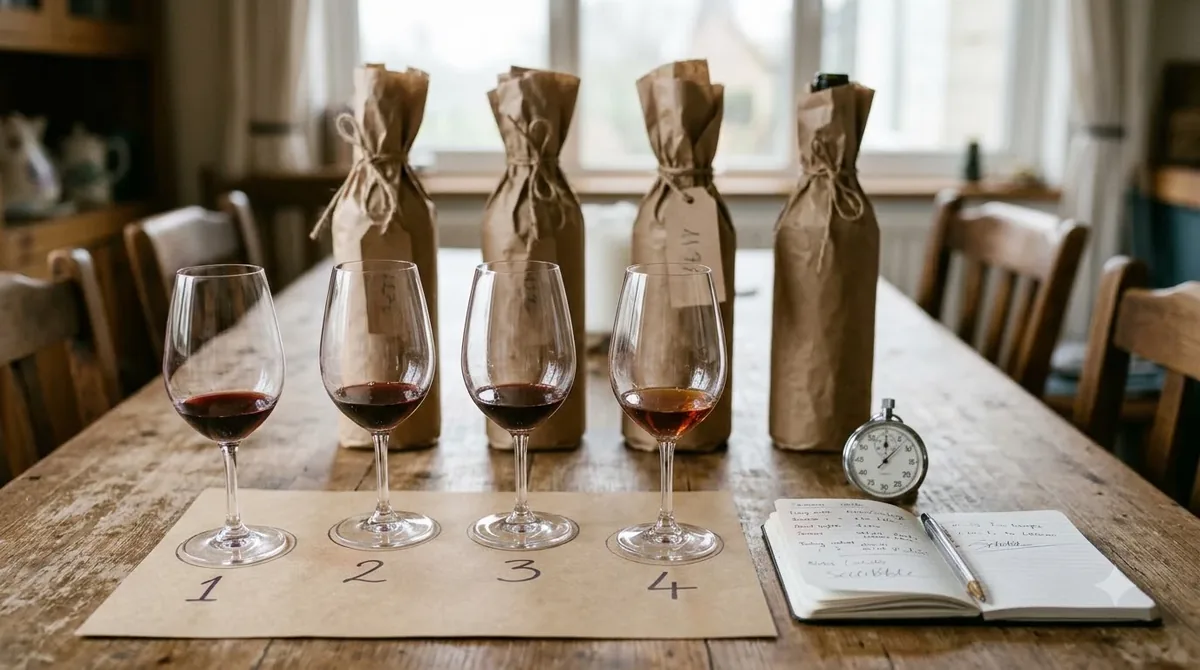
For the tasting itself, a simple sequence makes it easier to appreciate differences between wines. Start with sparkling wines, continue with aromatic whites, then try rosé and reds. If orange wine or pét-nat is available, consider tasting it separately so its unusual texture and fermentation character do not distract from comparisons between conventional styles.
Serving temperature also influences what you notice. Sparkling wine is generally best served at 40–50 F, while light whites and rosé are most enjoyable around 45–50 F. Fuller-bodied whites work well at 50–55 F, and light reds show their freshness around 55–60 F. These temperatures help preserve the aromatic character and balance of cool-climate wines.
Food pairings are another important part of the experience. Crisp Welsh whites work naturally with oysters, shellfish, grilled fish, and fresh goat cheese. Their acidity helps balance the richness of seafood and creamy dishes. Sparkling wines are particularly versatile with salty snacks, smoked fish, and fried foods.
For red wines, try Pinot Noir with roast chicken, mushroom dishes, or salmon served without an excessively rich sauce. Rondo and Regent can work with lamb, grilled vegetables, and moderately rich meat dishes. Avoid pairing highly tannic reds with delicate oily fish, since the combination can produce an unpleasant metallic impression.
Visitors who enjoy comparing different wine regions may find it useful to consider Alsace wine tasting as another cool-climate experience, particularly for aromatic whites and food-friendly acidity. For a contrasting destination, Bolgheri wine tasting introduces a warmer Mediterranean approach with a different emphasis on grape varieties and wine structure.
Finally, consider transportation before booking multiple tastings. Designate a driver, arrange a local transfer, or choose accommodation within convenient distance of the vineyard. A smaller number of well-planned visits is generally more rewarding than trying to fit several appointments into a tight schedule.
How Welsh Wine Compares with Other Cool-Climate Regions
Welsh wine shares some characteristics with other northern European wine regions, particularly its emphasis on acidity, aromatic whites, and sparkling production. However, its individual vineyards and small production scale create a distinctive identity that makes comparisons especially interesting.
One useful comparison is with Alsace in northeastern France. Alsace is particularly associated with aromatic white varieties, including Riesling, Gewürztraminer, and Pinot Gris. Wales has a different grape composition, but its crisp whites and expressive aromatics can appeal to visitors who enjoy the freshness and food compatibility of Alsatian wines.
Welsh Solaris and Seyval Blanc provide a useful introduction to this style of wine. Both can deliver bright fruit character and refreshing acidity, although their specific flavor profiles differ from the classic Alsatian varieties. The important shared characteristic is the emphasis on freshness rather than excessive weight.
There are also differences in sparkling-wine production. Wales produces traditional-method sparkling wine, a style associated with regions such as Champagne and other established sparkling-wine destinations. The method involves a second fermentation in the bottle, producing fine bubbles and potentially adding notes of bread, pastry, or biscuit through extended aging on the lees.
However, Wales is not limited to traditional-method production. Pét-nat offers another approach, with fermentation completed in the bottle and a more varied range of textures and styles. Some producers also experiment with orange wine and other low-intervention techniques, making Welsh tasting menus particularly interesting for curious visitors.
Another comparison worth making is with warmer Mediterranean wine regions such as Bolgheri in Tuscany. Bolgheri is well known for structured reds, including wines based on Cabernet Sauvignon, Merlot, and Cabernet Franc. Welsh reds generally offer a different experience, often emphasizing freshness, lighter body, and varieties adapted to cooler conditions.
This difference becomes especially clear when tasting Pinot Noir alongside Cabernet-based wines. Pinot Noir generally has lower to medium tannin and high acidity, whereas Cabernet Sauvignon has high tannin and a firmer structure. Comparing these styles illustrates how climate, grape selection, and regional winemaking traditions influence the final result.
For anyone interested in regional wine identity, Wales provides a particularly useful example of how a small producer community can build recognition without copying a more established neighbor. Its growers are exploring different farming methods, unusual grape combinations, and production techniques that reflect their own landscapes.
That independence is part of the attraction. A visit to a Welsh vineyard is not simply an opportunity to compare another country’s version of Champagne or Burgundy. It is a chance to discover wines that reflect the particular conditions, creativity, and agricultural character of Wales.
Frequently Asked Questions
Can visitors buy Welsh wine directly from vineyards?
Yes. Direct vineyard sales are an important part of the Welsh wine business, and many small producers sell bottles through their cellar doors. Availability can be limited because individual estates produce relatively small quantities, and some special releases may only be offered during particular visits or events. Ask about shipping arrangements if you are visiting from overseas.
Are Welsh wines available outside the United Kingdom?
Some Welsh producers sell through specialist wine retailers, restaurants, and export distributors, but international availability varies considerably by estate. Small production volumes can make particular vintages difficult to find abroad. Travelers interested in a specific producer should ask about international shipping and import restrictions before purchasing.
What does Welsh Wine PDO mean on a bottle?
PDO stands for Protected Designation of Origin and identifies wine meeting the relevant geographical and production requirements for the Welsh designation. The Welsh specification also includes an eligibility restriction concerning vineyard elevation: qualifying vines must grow below 220 meters above sea level. PGI is a separate protected geographical indication with its own applicable production rules.
Can visitors attend Welsh Wine Week?
Yes. Welsh Wine Week provides opportunities to discover local producers through vineyard events, tastings, and other wine-related activities. Participating estates and event schedules can vary, so visitors should consult the Welsh wine industry’s official event announcements before arranging travel. It can be a useful occasion for discovering several producers in one trip.
Do Welsh vineyards offer non-alcoholic activities for visitors?
Many vineyard visits include activities beyond sampling wine, such as guided walks, countryside views, orchard visits, and regional food experiences. Llanerch combines its vineyard with accommodation and restaurant facilities, while Sugar Loaf offers self-guided estate exploration. These options make vineyard tourism appealing to mixed-interest travel groups.
Wales offers a rewarding destination for wine enthusiasts interested in distinctive cool-climate wines, small producers, and scenic countryside experiences. Start with Monmouthshire for the greatest concentration of vineyards, then explore South Wales, Pembrokeshire, or North Wales for a broader understanding of the country’s wine culture. With advance bookings and a little regional planning, a Welsh vineyard itinerary can become one of the most memorable parts of a visit to the country.
More in Wine Regions
 Willcox Wine Trail: Discover Arizona’s High-Elevation Wine CountryUpdated Nov 20, 2026
 Yakima Valley Wine Region: Find the Best Styles to TryUpdated Nov 20, 2026
 Vosne Romanee Wine Tasting: Identify Aromas and Choose Better PairingsUpdated Nov 20, 2026
 Yakima Valley Wine Festival: Find the Best Seasonal Wine EventsUpdated Nov 20, 2026
 Wales Vineyards: Discover Cool-Climate Wines and Where to VisitUpdated Nov 20, 2026
 Yountville Wine Festival: Discover Napa Wines and Local FoodUpdated Nov 20, 2026