

We may earn a commission when you buy through links on this page, at no extra cost to you. Learn more.
The waipara wine festival is a celebration of North Canterbury’s wine, food and local culture, best experienced at the annual North Canterbury Wine & Food Festival in Waipara, New Zealand. Held at Glenmark Domain, the event brings together regional wineries, food producers, musicians and visitors for a relaxed outdoor gathering. The next scheduled festival is Saturday, March 13, 2027, offering an opportunity to explore the area’s Pinot Noir, Riesling, Chardonnay and other distinctive wines.
Waipara is one of the most interesting wine destinations on New Zealand’s South Island. Located north of Christchurch, its vineyards produce expressive cool-climate wines, while its small communities contribute a strong food and hospitality culture. The festival brings these elements together in one location, making it a useful introduction to North Canterbury for wine enthusiasts and first-time visitors alike. Understanding the event, its wine styles and its setting will help you make the most of a day among the vineyards.
What Is the Waipara Wine Festival?
The event generally associated with the Waipara wine festival is the North Canterbury Wine & Food Festival. It celebrates the wineries, growers, chefs and food producers of North Canterbury through wine tastings, regional dishes and live entertainment. Its emphasis is on bringing local producers together rather than presenting a formal wine competition or a specialist industry conference.
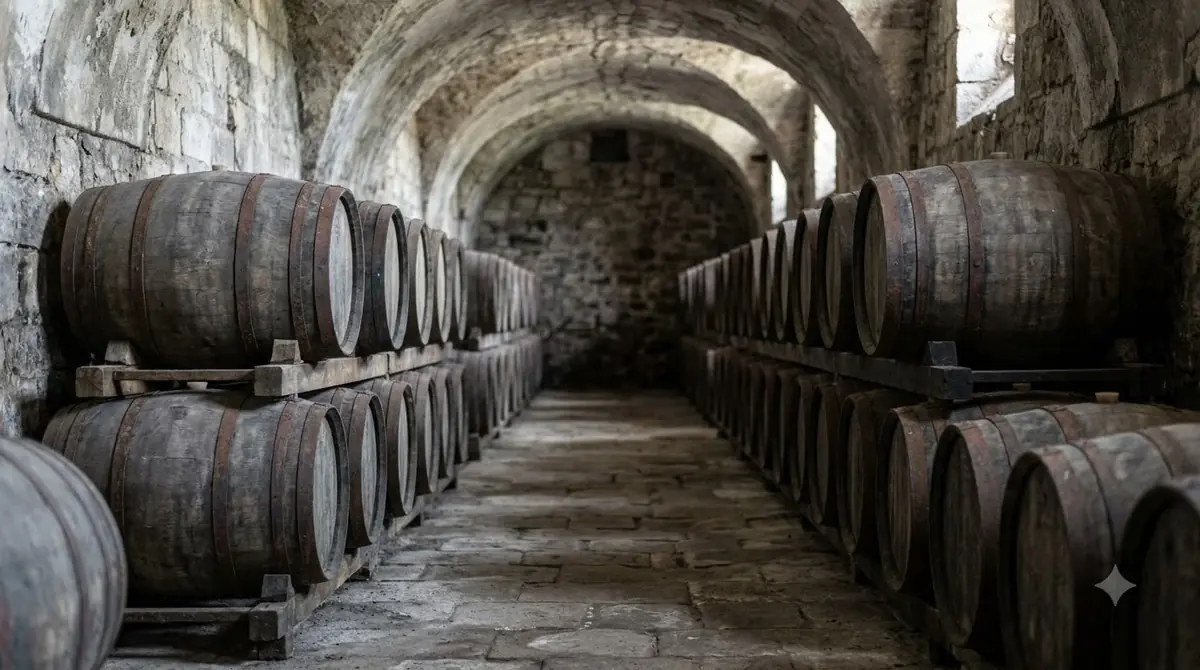
The festival takes place at Glenmark Domain in Waipara, a rural setting that provides space for tasting areas, food stalls, entertainment and social gathering. Large oak trees help define the venue, giving the event a relaxed outdoor character. Visitors can spend the day moving between wine producers, sampling food and listening to musicians rather than following a rigid tasting schedule.
The official event name is important when searching for tickets and travel information. Although people may refer to it informally as the Waipara Wine Festival, the North Canterbury Wine & Food Festival is the name to look for on the organizer’s website. The official event information lists Saturday, March 13, 2027, as the next scheduled date.
The festival is also a regional showcase. North Canterbury has a collection of independent wineries with different approaches to vineyard management, grape growing and winemaking. Bringing these producers together gives visitors the opportunity to compare wines from the same broad region without having to drive between multiple cellar doors.
Unlike a conventional winery tasting appointment, a festival visit can introduce people to several producers in a single afternoon. One stand might feature fragrant Riesling, while another focuses on Pinot Noir or Chardonnay. Conversations with winery representatives can provide additional context about vineyard locations, grape varieties and winemaking decisions.
For travelers who are already exploring New Zealand wine country, the festival provides a convenient reason to include Waipara in a South Island itinerary. Visitors interested in other regional celebrations can also compare the event with an Indiana wine festival, although the landscapes, wine traditions and grape varieties are quite different.
Glenmark Domain and the Waipara Valley Setting
Glenmark Domain gives the festival its distinctive country setting, with mature oak trees, grassy areas and room for food and wine stalls. Located close to Waipara township, the venue makes the event accessible from Christchurch while retaining the rural atmosphere associated with North Canterbury’s vineyards.
The festival organizer places Glenmark Domain approximately 55 minutes by car from Christchurch. Drivers generally travel north along State Highway 1 toward Amberley, continue toward Waipara and turn onto Waipara Flat Road before following Glenmark Drive to the venue. The domain is approximately 300 meters north of Waipara township, near the intersection of Glenmark Drive and Church Road.
The location is useful for visitors who want to combine the festival with a wider wine-country visit. Waipara Valley is the main wine-producing subregion of North Canterbury, with vineyards distributed across the valley floor and nearby hillsides. The surrounding countryside offers a mixture of agricultural land, vineyard rows and limestone-influenced landscapes.
One reason the area is interesting to wine enthusiasts is its variation in growing conditions. The Glasnevin area, near the Waipara River, has gravelly soils associated with ancient glacial deposits. Omihi, farther north and higher in the hills, includes clay and limestone soils. These differences influence vineyard drainage, vine growth and the characteristics of the resulting wines.
The regional climate also contributes to Waipara’s reputation. North Canterbury benefits from good sunshine, relatively dry conditions and a long growing season. Surrounding hills offer protection from some cooling winds, while the broader region experiences temperature differences between warmer days and cooler nights. The New Zealand Wine regional profile explains how the region’s climate, soils and growing conditions support expressive Pinot Noir, Chardonnay and aromatic wines.
These conditions support grapes that can develop ripe fruit character while retaining freshness. Riesling is especially notable, but Pinot Noir and Chardonnay are also important. The area’s combination of soils and vineyard exposures makes it possible to produce different interpretations of familiar grape varieties within a relatively compact geographical area.
Visitors with more time can extend their trip beyond the festival grounds. Nearby cellar doors, vineyard restaurants and accommodation options make Waipara suitable for a longer wine-country stay. ChristchurchNZ also describes a three-day regional itinerary that includes vineyard visits and other local attractions.
Regional Wines to Look for at the Festival
Waipara is best known for Riesling, Pinot Noir and Chardonnay, three varieties that demonstrate the region’s cool-climate strengths. These wines are useful starting points for a first tasting because they offer contrasting expressions of acidity, fruit, texture and structure.
Riesling
Riesling deserves particular attention in Waipara. The grape responds well to the area’s long growing season, sunshine and cooler nighttime conditions. Regional examples can range from dry, citrus-driven wines to off-dry and sweeter styles. Common aromas include lime, lemon, green apple, white flowers and stone fruit.
Acidity is a defining feature of Riesling. Dry examples can feel crisp and refreshing, while wines with residual sugar balance sweetness against their natural acidity. If you enjoy aromatic white wines, compare several versions rather than assuming all Riesling tastes sweet. The grape can produce very different styles depending on harvest timing and winemaking decisions.
Pinot Noir
Pinot Noir is another important variety in North Canterbury. It generally has lower to medium tannin than Cabernet Sauvignon or Syrah, with acidity that helps maintain freshness. Depending on vineyard site and production style, Waipara examples can show red cherry, raspberry, plum, floral notes, spice and earthy characteristics.
Some bottles emphasize delicate red fruit and fine structure, while others have darker fruit and more pronounced texture. Comparing wines from different producers is a useful way to understand how vineyard exposure, soil and winemaking affect the final result.
Chardonnay
Chardonnay offers another perspective on the region. Waipara versions can feature citrus, apple, stone fruit and mineral impressions, with differences in richness and texture depending on fermentation and aging choices. Some wines are crisp and restrained, while others have more body and may show creamy or subtle oak-influenced characteristics.
Other Varieties
Visitors should also look for Pinot Gris and Sauvignon Blanc. Pinot Gris often delivers pear, peach and spice notes, while Sauvignon Blanc is recognized for fresh acidity and aromatic citrus or herbal character. Gewürztraminer provides a more perfumed option, with floral and spice-driven aromas.
Smaller regional plantings of Syrah, Cabernet Franc and Albariño offer additional variety. These grapes are particularly interesting for visitors who already know the more familiar New Zealand wine styles and want to explore something less widely encountered.
The following table provides a practical starting point for choosing wines during a tasting. The characteristics are general descriptions rather than guarantees about every bottle.
| Grape variety | Typical characteristics | What to notice |
|---|---|---|
| Riesling | High acidity, citrus, apple and floral aromas | Dryness, freshness and balance |
| Pinot Noir | Low-to-medium tannin, red fruit and spice | Texture, aromatic detail and finish |
| Chardonnay | Medium acidity, citrus and stone fruit | Body, oak influence and texture |
| Pinot Gris | Pear, peach and spice | Weight and aromatic intensity |
| Sauvignon Blanc | High acidity, citrus and herbal notes | Freshness and fruit expression |
| Gewürztraminer | Floral aromas, spice and ripe fruit | Perfume and texture |
| Syrah | Dark fruit, pepper and noticeable tannin | Structure and savory character |
| Albariño | Citrus, stone fruit and fresh acidity | Mineral impressions and crispness |
A good tasting strategy is to begin with lighter white wines, continue with fuller whites and finish with reds. This sequence makes it easier to recognize differences without allowing stronger flavors and tannins to dominate earlier samples. If you are especially interested in Riesling, try comparing a dry version with a sweeter example to understand the grape’s range.
Wineries and Local Producers to Discover
The participating wineries are one of the festival’s strongest attractions. The 2026 event directory included more than 20 wine producers, representing a mixture of established North Canterbury names, boutique operations and wineries with distinct approaches to regional grape varieties.
Among the producers listed were Black Estate, Greystone Wines, Pegasus Bay, Pyramid Valley, Terrace Edge, Waipara Springs, Ataahua Wines, Fancrest Estate, Mount Brown Estates and The Boneline. The exact lineup can change between festivals, so visitors should use the organizer’s current winery directory when planning their tasting priorities.
Black Estate
Black Estate is a notable Waipara producer with a family-owned operation and an organic and biodynamic approach, according to the festival’s winery information. Its portfolio includes Pinot Noir, Chardonnay and Riesling, making it an interesting stop for visitors who want to compare several varieties from one producer.
Greystone Wines
Greystone is another regional name worth seeking out. The winery is associated with clay-rich hillside vineyards and produces varieties including Pinot Noir, Chardonnay, Sauvignon Blanc and Syrah. Its wines provide an opportunity to explore how hillside sites can contribute different characteristics from those found on the valley floor.
Pegasus Bay and Main Divide
Pegasus Bay is recognized for its North Canterbury wines, particularly Riesling, Pinot Noir and Chardonnay. Its sister label, Main Divide, offers a broader range of approachable regional styles. Tasting wines from both labels can provide a useful comparison of different expressions from the same wider producer family.
Pyramid Valley
Pyramid Valley is associated with organically farmed vineyards and site-focused winemaking. Its approach makes the producer especially relevant to visitors interested in the relationship between soil, vineyard location and wine character. Look for opportunities to compare its wines with those from other North Canterbury producers.
Smaller Regional Producers
Terrace Edge, Ataahua Wines, Waipara Springs and Fancrest Estate also help demonstrate the variety of businesses represented in the region. Their portfolios offer different interpretations of Waipara grapes, from aromatic whites to Pinot Noir and rosé.
The advantage of meeting producers at a shared event is the opportunity to ask direct questions. You can discuss vineyard location, harvest decisions, fermentation, aging and preferred serving styles. These conversations often provide more useful context than simply reading a bottle description.
For visitors who enjoy discovering regional producers at festivals, Waipara can also be compared with California’s Livermore wine festival. Both provide a way to encounter multiple local wineries in one gathering, although their climates, grape selections and wine traditions differ considerably.
Food, Music and the Festival Atmosphere
The North Canterbury Wine & Food Festival is not exclusively a wine-tasting event. Food stalls, regional ingredients and live music are central parts of the experience, allowing visitors to spend several hours enjoying different activities rather than concentrating on wine alone.
The festival’s published 2026 directory included an extensive selection of food vendors. Examples included Vietnamese food, Hungarian langos, dumplings, pizza, barbecue, oysters, fish and chips, empanadas, burgers and sweet treats. This range makes the event suitable for groups with different food preferences.
Regional produce is particularly relevant because food helps demonstrate how North Canterbury wines work at the table. Riesling and Sauvignon Blanc can pair well with seafood, vegetables and lighter dishes. Chardonnay is a useful choice with roast chicken, creamy sauces and richer vegetable preparations.
Pinot Noir can complement roast poultry, mushrooms, grilled salmon and dishes with earthy flavors. Its moderate structure makes it more flexible with food than heavily tannic reds. Syrah, where available, can be a good match for barbecue and grilled meats, especially when the seasoning is not excessively hot.
There are a few useful pairing principles to remember while sampling food at the festival:
- Match sweet dishes with wines that are at least as sweet as the food.
- Choose high-acidity wines for acidic dishes, since low-acidity wines can taste flat alongside sharp ingredients.
- Salt and fat soften the perception of tannin, making structured red wines easier to enjoy with suitable foods.
- Be cautious with spicy dishes because alcohol and tannin can intensify chili heat.
- Choose crisp white wines rather than tannic reds for oily fish.
Food also makes it easier to pace a full afternoon of tasting. Eating between wine samples helps prevent the experience from becoming tiring, while water provides a non-alcoholic alternative between glasses.
Live music contributes to the festival’s social character. The official event promotes entertainment alongside the wine and food program, with a main stage and additional opportunities to enjoy performances around the grounds. The 2027 program is presented separately through the event website, so checking the published lineup before arrival is useful.
The setting is particularly appealing for groups. Friends can meet at a winery stand, explore different dishes and return to the music area without having to follow a formal itinerary. Visitors who prefer a quieter tasting experience can focus on producer conversations earlier in the day, before the grounds become busier.
There are also options for visitors who are not drinking alcohol. The organizer confirms that non-alcoholic beverages are available, making the event more practical for designated drivers and members of a group who prefer not to consume wine.
Tickets, Transport and Practical Visitor Information
Planning transport and understanding the venue rules are important parts of a successful festival visit. Glenmark Domain is close to Waipara township, but visitors traveling from Christchurch should arrange their transportation before the event, particularly if they intend to participate in wine tastings.
The official event information gives a gate opening time of 10:30 a.m. and a finishing time of 5 p.m. Alcohol sales stop at 4:30 p.m., so visitors should leave enough time for their preferred tastings rather than arriving shortly before the afternoon closes.
| Visitor detail | Published information |
|---|---|
| 2027 event date | Saturday, March 13, 2027 |
| Venue | Glenmark Domain, Waipara |
| Gate opening | 10:30 a.m. |
| Festival closing | 5:00 p.m. |
| Alcohol sales stop | 4:30 p.m. |
| Drive from Christchurch | Approximately 55 minutes |
| Distance north of Waipara township | Approximately 300 meters |
| Published bus pickup network | 11 locations |
Getting There from Christchurch
Most visitors traveling by car will follow State Highway 1 north from Christchurch toward Amberley. After continuing north, they turn toward Waipara using Waipara Flat Road and follow Glenmark Drive through the township. The festival grounds are close to the corner of Glenmark Drive and Church Road.
The organizer has also advertised festival bus transport from 11 pickup locations. These have included Lincoln, Halswell, Cashmere, central Christchurch, Bealey Avenue, Cranford Street, Papanui, Northwood, Rangiora, Woodend and Amberley. Bus arrangements and departure times should be confirmed through the official ticketing information because availability can change.
Tickets and Entry
The festival offers ticket options for general admission and the premium Loula Lounge experience, alongside a sober-driver option. The Loula Lounge is intended for visitors seeking a more private setting, with reserved seating, a welcome drink, main-stage views and exclusive wine tastings curated by local winemakers.
Ticket availability and admission conditions should be checked directly through the official event website. Buying in advance is a sensible approach, particularly for visitors traveling from outside the region or planning to use organized transportation.
What to Bring
The outdoor setting makes comfortable clothing and sensible footwear important. The organizer permits visitors to bring a picnic rug, cushions or a deck chair. However, personal food and drinks are not permitted because the festival has its own food and beverage vendors.
Reusable coffee cups, an empty water bottle and a reusable shopping bag are encouraged. Free water refill stations are available, which makes bringing a bottle particularly useful during a warm afternoon.
Tip: Arrange a designated driver or reserve a festival bus before the event. Bring comfortable shoes, a sun hat, a reusable water bottle and a picnic rug, and leave enough time to explore the winery stands before alcohol sales finish at 4:30 p.m.
Accessibility and Weather
The festival describes Glenmark Domain as an accessible venue, but the grass is not completely level. Tree roots, acorns and uneven areas can affect movement, so visitors who require particular accessibility arrangements should contact the organizers before attending.
The event is intended to operate in all weather conditions. March is an autumn month in New Zealand, and conditions can change during the day. A light jacket, sun protection and comfortable footwear are useful preparations even when the forecast looks favorable.
Hay bales are provided as informal seating around the grounds, and visitors can also bring their own chairs. Gazebos and personal shade tents are not permitted, as the existing oak trees provide shaded areas.
Pets are not permitted, apart from service dogs. Visitors should also remember that camping is not allowed in the main festival car park. Those planning an overnight stay should arrange separate accommodation or confirm alternative camping arrangements in advance.
How to Make the Most of a Waipara Wine Festival Visit
A little preparation can make the festival more enjoyable, particularly for visitors who want to discover several wineries and regional wine styles. The best approach is to treat the event as an introduction to North Canterbury rather than attempting to taste every available wine.
Start by identifying a few producers that interest you. Someone who enjoys aromatic whites might prioritize Riesling, Pinot Gris and Sauvignon Blanc. Visitors who prefer red wine could focus on Pinot Noir, while adventurous tasters might seek out Syrah or Cabernet Franc.
Once inside, consider tasting wines in a deliberate sequence. Start with sparkling wines or lighter whites, continue with fuller white wines and finish with red wines. If you want to compare several Pinot Noirs, taste them close together so differences in fruit, acidity and texture are easier to recognize.
Use small tasting pours when available and take short breaks between producers. A standard restaurant wine serving is approximately 5 ounces, and a 750-milliliter bottle contains about five such glasses. Festival samples are often smaller, but several samples can add up over an afternoon.
Water and food should be part of the schedule. Try a small dish between tastings, refill your water bottle and spend time away from the tasting stands. The event includes music and other entertainment, so there is no need to spend the entire day holding a wine glass.
Use the Festival to Plan Future Cellar-Door Visits
One of the most useful things about meeting several producers in one location is identifying wineries you want to visit later. A conversation about vineyard soils or a particular Riesling style might lead you to explore a cellar door in greater detail during a separate trip.
Waipara is especially suitable for this kind of follow-up because its wineries are distributed across a relatively compact area. A longer visit can include tasting appointments, vineyard dining and regional sightseeing. Some producers also offer accommodation or food experiences, allowing visitors to spend more time in the area. The ChristchurchNZ guide to Waipara’s wine region provides additional ideas for cellar-door visits, vineyard stays and local food experiences.
Visitors interested in understanding wine regions more generally can explore our Wine Regions section. It provides a broader context for comparing Waipara with other established wine destinations and understanding how climate, soil and grape varieties influence wine styles.
Another useful comparison is the Utah wine festival, which provides a different perspective on wine tourism and regional wine events in the United States. Such comparisons can help visitors appreciate the distinct local identity of North Canterbury and its emphasis on cool-climate varieties.
The most rewarding festival visit is one that balances tasting, food, conversation and entertainment. A few carefully chosen wines and conversations with knowledgeable producers can provide a better understanding of Waipara than rushing through every stand.
Frequently Asked Questions
Is Waipara Valley a registered wine-growing region?
Waipara Valley is a registered New Zealand Geographical Indication for wine. The GI system identifies geographical origins and protects the use of registered regional names on wine labels. This designation helps distinguish wines from Waipara from those produced elsewhere in Canterbury.
What does the name Waipara mean?
Waipara is a Māori place name associated with the area and its river. The Waipara River is an important geographical feature of the valley, influencing the landscape and the distribution of vineyard soils. The area’s history and identity are closely connected to its waterways and surrounding hills.
Can visitors buy wine directly from participating wineries?
Many regional wineries operate cellar doors or direct sales channels independently of the festival. Individual producers can explain their purchasing arrangements and whether particular wines are available for shipment or collection. Visitors interested in a specific bottle should ask the winery representative about its availability.
Is Waipara Valley suitable for cycling between wineries?
Waipara’s vineyard landscape can appeal to cyclists, particularly those interested in quieter rural routes. However, road conditions, distances between cellar doors and traffic should be considered before planning a cycling itinerary. Anyone intending to cycle should also avoid consuming alcohol before riding.
Does Waipara produce sparkling wine?
North Canterbury producers also make sparkling wines, including traditional-method styles. Traditional-method sparkling wine undergoes its second fermentation in the bottle, creating the bubbles and characteristic texture. The availability of individual sparkling wines at the festival depends on the participating wineries and their event selections.
The Waipara wine festival is an excellent opportunity to discover the distinctive wines and food culture of North Canterbury in one relaxed setting. With regional producers, local cuisine and live entertainment at Glenmark Domain, the North Canterbury Wine & Food Festival offers a memorable introduction to Waipara Valley. For the best experience, arrange transportation in advance, explore the wine styles that interest you and leave time to enjoy the wider festival atmosphere.
More in Wine Regions
 Willcox Wine Trail: Discover Arizona’s High-Elevation Wine CountryUpdated Nov 20, 2026
 Yakima Valley Wine Region: Find the Best Styles to TryUpdated Nov 20, 2026
 Vosne Romanee Wine Tasting: Identify Aromas and Choose Better PairingsUpdated Nov 20, 2026
 Yakima Valley Wine Festival: Find the Best Seasonal Wine EventsUpdated Nov 20, 2026
 Wales Vineyards: Discover Cool-Climate Wines and Where to VisitUpdated Nov 20, 2026
 Yountville Wine Festival: Discover Napa Wines and Local FoodUpdated Nov 20, 2026