

We may earn a commission when you buy through links on this page, at no extra cost to you. Learn more.
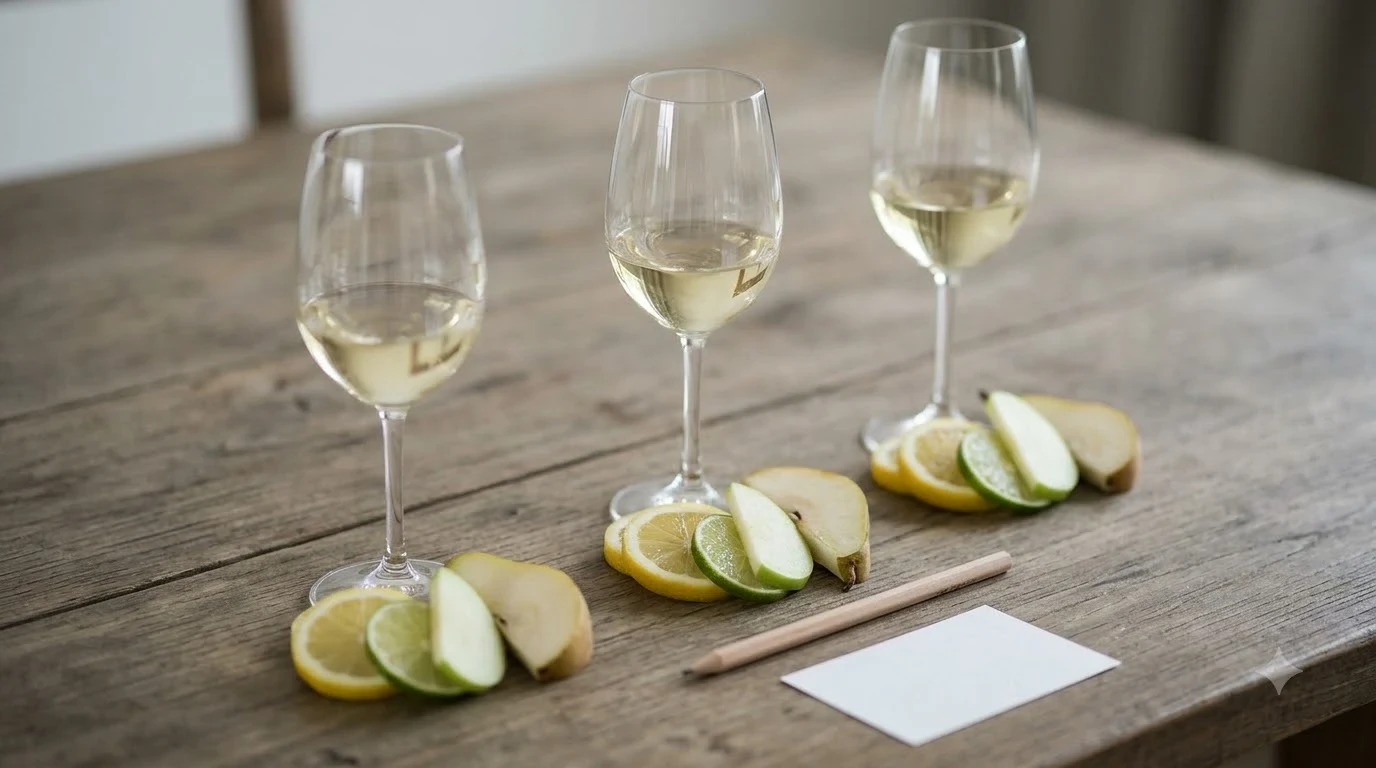
The utah wine festival is a three-day Southern Utah celebration centered on wines from Utah wineries, regional food, guided tastings, and small-format culinary events. The 2026 edition ran September 4–6, with activities based around Cedar City and nearby venues. Its defining feature is the focus on Utah wineries rather than a broad lineup of national and international producers. The next edition’s dates and event list should be confirmed through the organizer’s published schedule instead of assumed from the previous year.
For travelers, the appeal is the chance to connect a tasting with the people, landscapes, and dishes shaping a young state wine scene. The festival also makes a useful starting point for exploring Southern Utah’s vineyards, learning how local conditions influence wine, and planning a weekend that extends beyond the tasting room.
What Makes the Utah Wine Festival Distinct
The Utah Wine Festival is designed to spotlight producers from within the state, with food experiences that put local chefs and regional ingredients alongside the wines. Organizers described the 2026 edition as its eighth year and emphasized that the wineries featured come from around Utah.
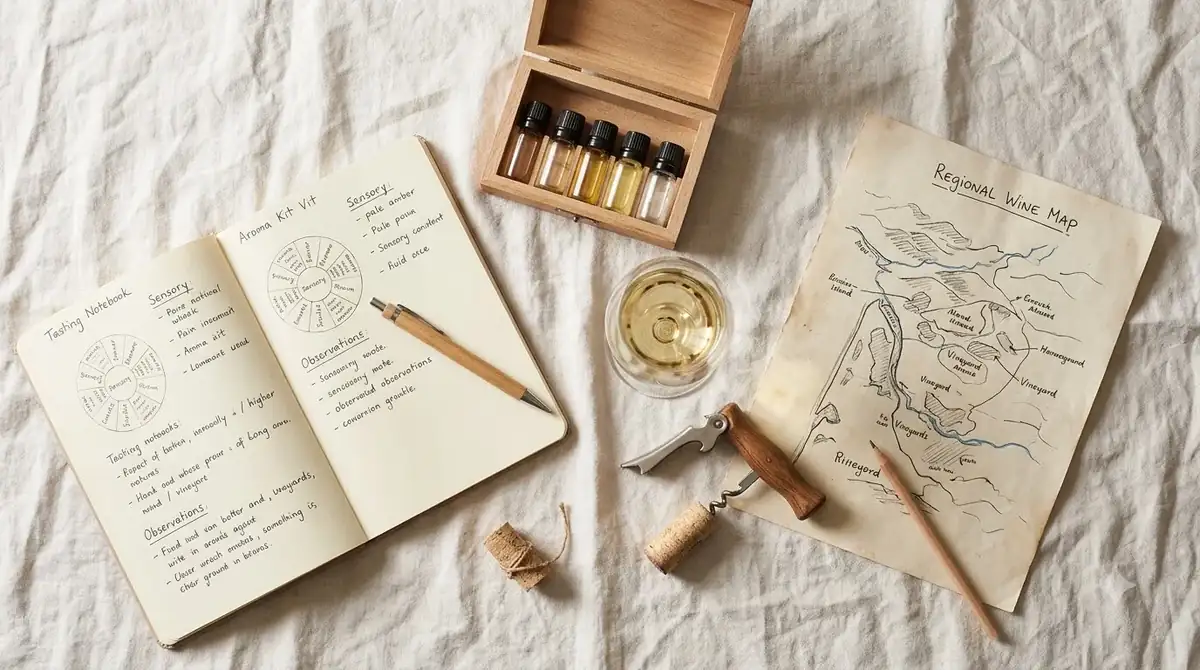
That focus gives the event a different purpose from a large commercial tasting built around famous labels from many countries. Visitors can compare local producers, explore the grape varieties they are working with, and hear how growers respond to regional conditions. Past programs have combined educational tastings, public judging, farm dinners, and informal gatherings.
The festival also introduces a wine industry that remains young by American standards. Wine Enthusiast notes that Utah has had grapevines since the late 1800s, while modern momentum began in the 1980s as winemakers explored the state’s elevation and cool, dry climate. Cabernet Sauvignon, Chardonnay, and Syrah may be familiar grapes, but their Utah expressions are shaped by a different growing environment.
Arrive with an open mind and ask which wines use Utah-grown grapes, which varieties a producer is exploring, and how warm days and cool nights shape the style. A broader understanding of Wine Regions helps connect climate, elevation, soil, and grape choice.
Where the Festival Takes Place in Southern Utah
The Utah Wine Festival is rooted in Southern Utah, with the 2026 edition centered on Cedar City and activities spread across several nearby venues. The schedule is not simply a single hall with one entrance; a visitor may move between a winery, a farm, and a restaurant or resort setting during the weekend.
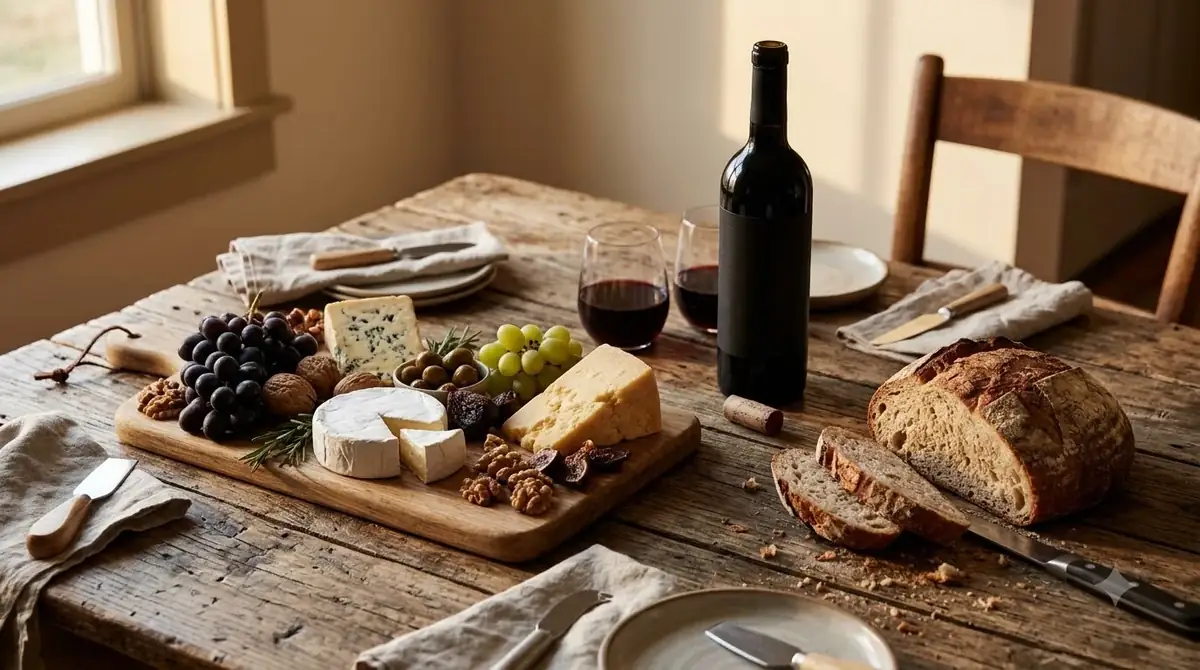
I/G Winery was a recurring anchor: its downtown Cedar City tasting room hosted a comparative class and popcorn pairing, while its backyard held evening gatherings and a wine-judging event. Other 2026 venues included Red Acre Farm for a harvest dinner, Heather Hill Farm in Enoch for a Greek-themed meal, Open Sky Resort near Virgin for a picnic brunch, and the Courtyards at Shurtz Canyon for the closing dinner. Check each address and start time; these locations are not all walkable from one central point.
The surrounding wine geography adds context. Greater Zion’s visitor organization describes warm days, cool nights, volcanic soils, and elevation as distinctive regional conditions, and identifies five wineries on the Utah Wine Trail, four in Greater Zion. Festival venues also extend beyond Greater Zion itself, with Cedar City and Enoch to the north and Virgin and the St. George area providing other Southern Utah settings.
Greater Zion describes Bold & Delaney’s 12-acre vineyard in Dammeron Valley, Chanela Vineyards at about 5,000 feet near Pine Valley Mountain, and Zion Vineyards in Leeds, where more than 10 varieties are available to sample. I/G Winery also uses grapes from Washington, Oregon, and California, showing why winery location and grape origin are not interchangeable. See Greater Zion’s wine and dining overview for regional producer details.
How the Three-Day Schedule Is Structured
The 2026 program illustrates the festival’s mix of education, food, and informal social events across Friday, Saturday, and Sunday. Rather than requiring every attendee to follow one fixed route, the schedule offered separate experiences with distinct times and venues.
Friday, September 4, opened with Secret Sip Society, a speakeasy-style gathering in the I/G Winery backyard at 7 p.m. It featured cocktails made with Utah distillery spirits and bites from Zest & Vine; the listing said no ticket was required and directed guests to arrive around 7:30 p.m. Saturday, September 5, offered two 11 a.m. sessions: European Master of Wine Sheral Schowe compared four European wines with Utah examples of the same varieties, while Jim Santangelo of the Wine Academy of Utah led a flavored-popcorn pairing.
At 2 p.m., You Be the Judge invited attendees to score wines alongside professional judges, with both medal results and People’s Choice recognition planned. Saturday evening offered two 6 p.m. dinners: Terroir to Table at Red Acre Farm paired seasonal farm ingredients with Utah wines, while The Odyssey at Heather Hill Farm in Enoch featured Greek-inspired dishes, wines, and meads from Utah producers.
Sunday, September 6, began with a 10:30 a.m. brunch at I/G Winery, followed by an Appalachian-inspired picnic brunch at Open Sky Resort near Virgin at 11 a.m. The Grand Dinner at the Courtyards at Shurtz Canyon was scheduled for 6:30 p.m. Future editions may differ, so check the festival’s posted event schedule for new dates, venues, and booking details. Choose events to suit your interests: a comparative class provides structure, the judging session introduces evaluation, and a farm dinner allows more time with hosts. A shorter visit can work well with one daytime tasting and one evening event.
Which Utah Wines to Look For
The festival’s award results give visitors a practical shortlist of producers and styles to ask about, although a medal is a conversation starter rather than a guarantee that every taster will share the judges’ preferences. The 2025 results listed red, white, and fruit wines, including recognizable international varieties and blends from Utah wineries.
Red gold medals and People’s Choice awards went to I/G Winery Napa Cabernet and B&D Malbec. Silver medalists included Chanela Red Blend, Zion Vineyards’ Miscela Rossa Red Blend and Tempranillo Reserve, Zions Vineyard Teroldego, and I/G Sangiovese; bronze winners included B&D Pinot Noir and The Vine Yard Syrah. The styles offer useful contrasts: Cabernet Sauvignon is typically tannic, Pinot Noir lighter in tannin with higher acidity, and Syrah often more firmly structured.
For whites, I/G Winery Roussanne earned gold and People’s Choice recognition, while I/G Winery Riesling and Chanela Chardonnay received silver. Bronze winners included The Vine Yard Viognier, B&D Malvasia Blanc, and B&D Sauvignon Blanc. Fruit-wine medalists included Hive Desert Sunset Peach and two black currant wines, a reminder to taste beyond dry reds.
| Wine category | Gold | Silver | Bronze | Examples from the 2025 results |
|---|---|---|---|---|
| Red | 2 | 10 | 5 | I/G Napa Cabernet; B&D Malbec; Zion Vineyards Tempranillo Reserve |
| White | 1 | 2 | 3 | I/G Roussanne; I/G Riesling; Chanela Chardonnay |
| Fruit | 0 | 0 | 3 | Hive Desert Sunset Peach; Hive Black Currant |
The counts are tallied from the festival’s published 2025 medal list, not a prediction of future entries. Ask about vineyard source, grape composition, and whether a wine is intended for early drinking or aging; a Utah winery may work with fruit from both in-state and other western growing regions.
How to Taste and Pair Utah Wines
A simple tasting sequence helps you compare wines fairly and keep your palate fresh: start with lighter-bodied whites or sparkling wines, move to richer whites and rosé, then taste lighter reds before fuller, more tannic reds; finish with sweet or fortified styles if they are offered. Between pours, note acidity, tannin, body, alcohol warmth, and finish. Acidity creates a mouthwatering impression; tannin adds a drying grip, especially in Cabernet Sauvignon and some Syrah. Riesling and Sauvignon Blanc are generally high-acid grapes, while Chardonnay usually has medium acidity, though ripeness and winemaking can shift the result.
Pairings reveal those differences. Salt and fat soften tannin, making Cabernet or Syrah a good candidate for grilled beef, lamb, or aged cheese. High-acid Riesling and Sauvignon Blanc suit citrus, goat cheese, and tangy dressings; Pinot Noir can work with salmon or mushrooms, while tannic reds generally clash with oily fish. Alcohol and tannin can amplify chili heat, so choose softer, lower-alcohol wines with spicy dishes.
Tip: Taste the wine before the first bite, then take another sip after the food. If a dish has strong acidity, choose a wine with equal or higher acidity; if it is sweet, choose a wine at least as sweet as the dessert so the wine does not taste thin or sour.
Serve light whites and rosé around 45–50 F, full whites at 50–55 F, light reds at 55–60 F, and fuller reds at 60–65 F. Young, full-bodied reds often benefit from 30–60 minutes in a decanter; very cold whites can hide their aromas.
How to Plan a Cedar City Festival Weekend
Plan the weekend around the event locations first, then arrange lodging, meals, and sightseeing to fit the gaps. Because the published 2026 program moved between Cedar City, Enoch, Virgin, and nearby rural venues, driving time and a designated driver or other safe transport plan deserve attention before tickets are booked.
Avoid scheduling distant events too tightly. The 2026 program placed an 11 a.m. class and a 2 p.m. judging session at I/G Winery, leaving time for lunch, while 6 p.m. dinners used separate venues. Confirm parking, arrival windows, food inclusions, and transport for each booking. Organizers describe events as small with limited tickets, so prioritize popular sessions when the next calendar appears.
Leave time for the Southern Utah landscape rather than squeezing a national park visit between tastings. Greater Zion includes Zion National Park and several state parks, while Cedar City is a useful base for central winery events. Consider one half-day tasting, one farm dinner, and a separate block for outdoor sightseeing. For another regional perspective, compare the Livermore wine festival or Traverse City wine festival.
Utah’s alcohol rules matter: the Department of Alcoholic Beverage Services sets the minimum purchase and consumption age at 21. Bring valid identification, follow staff instructions, and arrange a designated driver or other transport before tasting; never drive after drinking. For a first visit, keep the schedule selective: one guided tasting, one meal with wine pairings, and one informal event provide a useful introduction without racing between every listing. A return visit can focus on a different grape comparison, another producer, or the winery trail beyond the festival weekend.
Frequently Asked Questions
These answers clarify which Utah event to book, how grape origin differs from winery location, and how the state’s wine industry fits into the wider American wine map.
Is the Utah Wine Festival the same as the Park City Wine Festival?
No. The Utah Wine Festival described here is the Southern Utah event focused on wineries from within the state. The separate Park City Wine Festival features more than 50 wineries at its Grand Tastings and includes wines from the West Coast to France, so check the event name and location before making travel plans.
Does Utah have an American Viticultural Area?
The federal Alcohol and Tobacco Tax and Trade Bureau’s current list of established American Viticultural Areas does not include Utah among its single-state or multi-state AVAs. Utah wineries can still identify eligible origins such as the state or county on labels, but there is no Utah AVA designation to look for.
Can I visit a Utah winery outside festival hours?
Yes. Greater Zion’s visitor information describes I/G Winery’s downtown Cedar City tasting room as open to walk-in visitors. Guests can choose wine by the glass, bottle, or flight, with local beer, spirits, and cocktails also available.
Can a visitor buy packaged wine at a winery or festival?
Sales depend on the winery’s license and the event’s approved arrangements. Utah DABS lists packaged wine among the products available through state liquor stores and package agencies, so visitors should confirm lawful purchase options with the venue rather than assume every tasting ticket includes a take-home bottle.
How far back does grape growing in Southern Utah go?
Greater Zion’s historical account says 309 families were sent to southwest Utah in 1861 to cultivate agriculture. By 1875, the region was producing more than 100 grape varieties and about 3 million pounds of grapes annually, before local wine production faded in the early 1890s.
The Utah Wine Festival is a distinctive way to learn about a developing wine region through its producers, food, and landscapes rather than through tasting alone. Confirm the next schedule directly with the organizers, choose a few events that fit your interests, and give each wine enough attention to understand what makes Southern Utah different.
More in Wine Regions
 Willcox Wine Trail: Discover Arizona’s High-Elevation Wine CountryUpdated Nov 20, 2026
 Yakima Valley Wine Region: Find the Best Styles to TryUpdated Nov 20, 2026
 Vosne Romanee Wine Tasting: Identify Aromas and Choose Better PairingsUpdated Nov 20, 2026
 Yakima Valley Wine Festival: Find the Best Seasonal Wine EventsUpdated Nov 20, 2026
 Wales Vineyards: Discover Cool-Climate Wines and Where to VisitUpdated Nov 20, 2026
 Yountville Wine Festival: Discover Napa Wines and Local FoodUpdated Nov 20, 2026