

We may earn a commission when you buy through links on this page, at no extra cost to you. Learn more.
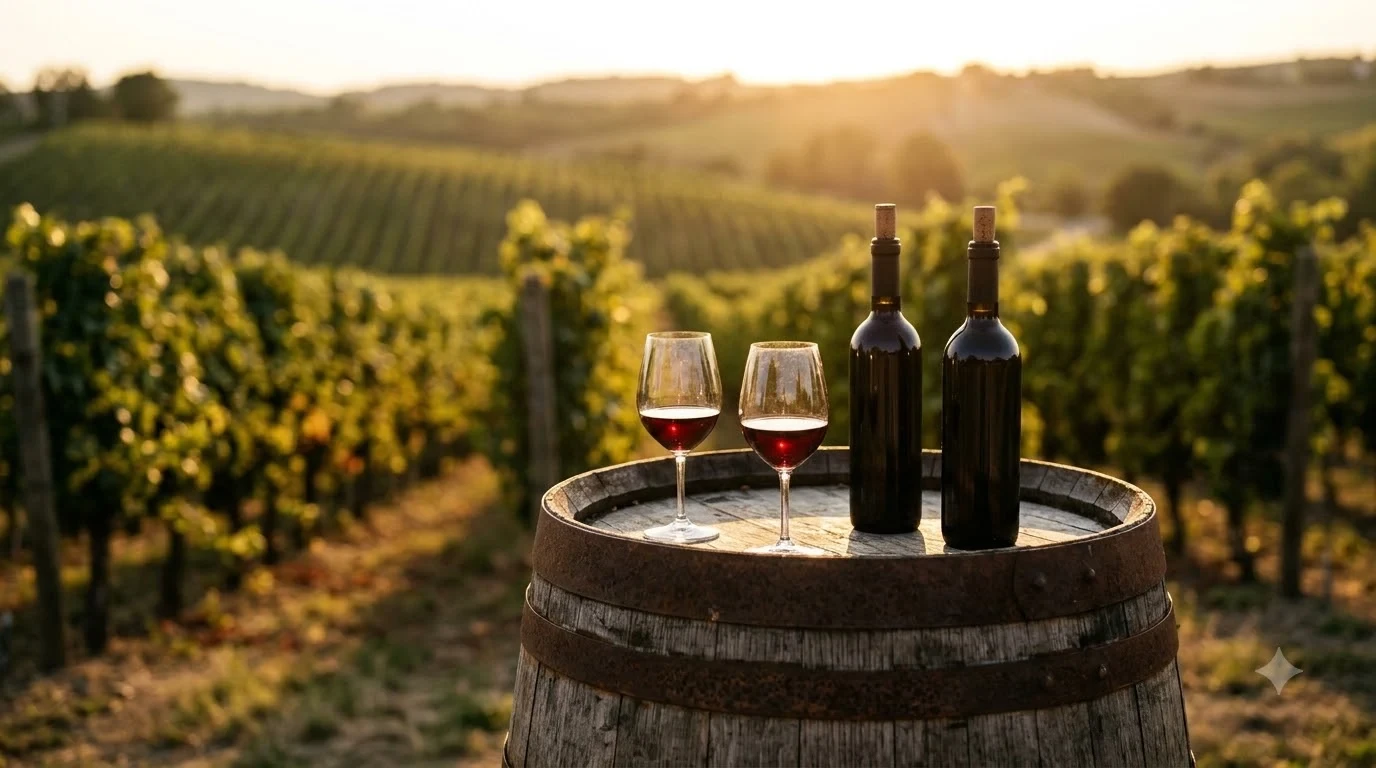
Waipara vineyards are known for producing distinctive cool-climate Pinot Noir, Riesling and Chardonnay in North Canterbury, on New Zealand’s South Island. Their character comes from a combination of gravelly valley-floor soils, limestone-rich hillsides, abundant sunshine and a long growing season. Located about an hour north of Christchurch, the region offers an appealing combination of expressive wines, boutique producers and vineyard experiences.
Waipara is one of New Zealand’s most interesting destinations for wine drinkers who want to look beyond the country’s better-known regions. Its vineyards produce wines with fresh acidity, concentrated fruit and a recognizable savory character. Pinot Noir and Riesling are particularly important, although Chardonnay, Pinot Gris and several less familiar varieties also contribute to the region’s identity. Understanding the geography, grape varieties and producers makes it easier to appreciate why Waipara deserves attention from wine enthusiasts.
Where Waipara Valley Sits in New Zealand’s Wine Landscape
Waipara Valley is part of North Canterbury, on the eastern side of New Zealand’s South Island. Its position north of Christchurch makes it relatively accessible, while its combination of sheltered hills and open agricultural land gives the vineyards a growing environment distinct from other New Zealand wine districts.
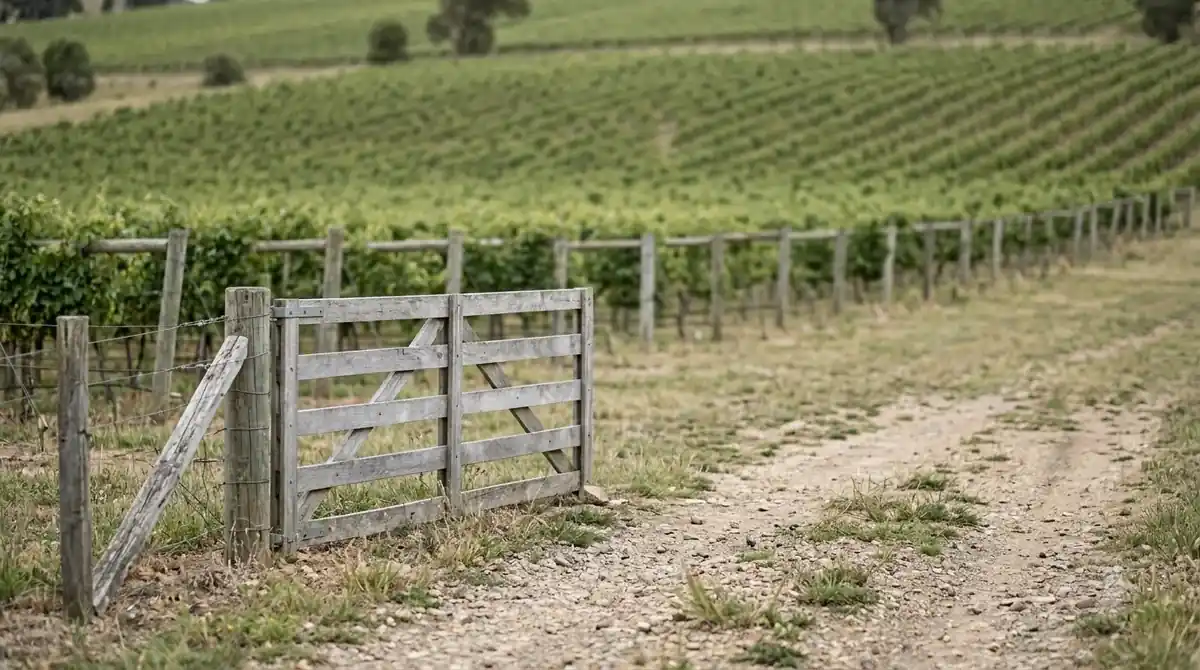
North Canterbury extends for nearly 200 kilometers along the South Island’s eastern coastline, according to New Zealand Wine. Waipara is one of its principal wine-growing areas, situated approximately an hour’s drive north of Christchurch. The broader region also includes the Canterbury Plains, Banks Peninsula and inland areas such as Waikari. These places share a regional identity but have different elevations, soils and growing conditions.
Waipara itself includes two particularly important areas: Glasnevin, around the valley floor and Waipara River, and Omihi, farther north on higher ground. Glasnevin is associated with gravelly, free-draining soils, while Omihi has hillside vineyards with clay and limestone. This geographical variation allows winemakers to work with different expressions of the same grape variety.
The region’s position is significant when comparing New Zealand wines. Marlborough, farther north, is internationally recognized for Sauvignon Blanc, while Central Otago, farther south, is famous for Pinot Noir. Waipara offers another interpretation of cool-climate viticulture, with a particularly interesting combination of Pinot Noir, Riesling and Chardonnay. Its wines can have substantial flavor without losing freshness.
North Canterbury’s modern commercial wine industry developed from the 1970s onward. Earlier vineyards had existed around Banks Peninsula, but the industry gradually expanded north toward Waipara. St Helena, established near Christchurch in 1978, was the region’s first commercial winery, according to Decanter. The subsequent development of specialist vineyard sites helped establish Waipara as an important part of New Zealand’s wine landscape.
For readers exploring other wine-growing destinations, the geographical differences between regions are equally important in places such as Tasmania vineyards, where maritime influences and cooler conditions create another distinctive New World wine style.
Climate, Hillsides and the Soils That Shape Waipara Wine
Waipara’s wine style depends on a cool, dry climate, good sunshine and a relatively long growing season. Its surrounding hills provide shelter from some prevailing winds, while differences in elevation and soil composition create distinct growing conditions within a comparatively compact area.
The region benefits from a rain-shadow effect and a relatively sunny growing environment. Long, settled autumns can give grapes additional time to mature, helping develop flavor while retaining acidity. Cool nights are also important, particularly for varieties such as Pinot Noir and Riesling, which benefit from a balance between ripe fruit character and freshness.
However, growing grapes here is not without challenges. Strong winds can affect vineyard management, while late spring and autumn frosts can threaten yields. Dry conditions also make water management important. These factors mean that vineyard location, canopy management and harvest timing play substantial roles in determining the character of individual wines.
Soils are among the most interesting features of Waipara. Glasnevin’s valley-floor vineyards are associated with free-draining gravel deposits and alluvial material. These soils differ from the clay-rich and limestone-influenced hillsides farther north around Omihi. The resulting differences in drainage, water availability and vine growth give winemakers opportunities to produce distinct site expressions.
The inland areas around Waikari and Weka Pass add another dimension. Higher elevations and limestone-rich geological formations create cooler and more marginal growing conditions. Decanter reports that vineyards in Waikari generally harvest one to two weeks later than those in warmer Waipara locations, according to Pyramid Valley winemaker Huw Kinch.
Decanter also describes North Canterbury as a region where late spring and autumn frosts and strong winds can affect yields. These challenges help explain why site selection matters so much. A sheltered hillside with favorable exposure may produce a very different wine from a vineyard on the open valley floor, even when both grow Pinot Noir.
Tip: When comparing two Waipara wines made from the same grape, look at their vineyard locations. A valley-floor Pinot Noir and a hillside Pinot Noir may differ considerably in fruit intensity, texture and savory character because of their different soils and growing conditions.
The region’s varied landscape is one reason it rewards exploration. Rather than producing a single uniform style, Waipara offers a collection of vineyard expressions connected by freshness, careful site selection and a strong emphasis on regional character. The New Zealand Wine overview of North Canterbury provides additional information about its subregions, growing conditions and principal wine styles.
Pinot Noir, Riesling and Other Important Waipara Grapes
Pinot Noir and Riesling are two of Waipara’s defining varieties, with Chardonnay also playing an important role. The region’s climate and diverse soils support both aromatic white wines and structured, expressive reds.
Pinot Noir is particularly attractive to wine drinkers interested in the relationship between vineyard location and flavor. Typical Waipara examples can combine red and dark berry fruit with earthy, herbal and savory details. Their structure may be more noticeable than in lighter-bodied Pinot Noir from some other cool-climate regions. Acidity provides freshness, while moderate tannins make the wines adaptable at the dinner table.
Riesling is another regional strength. Waipara’s long growing season and cool nights help preserve the acidity that makes the variety so versatile. Depending on the producer and harvest conditions, wines can range from dry and mineral-driven to sweeter styles with ripe citrus and stone-fruit characteristics. Some examples have a distinctive combination of fruit concentration, floral aromas and lively acidity.
Chardonnay offers a different perspective on the region. It can show citrus, stone fruit and subtle savory or mineral details, supported by a combination of acidity and texture. Winemaking choices, including fermentation and maturation vessels, can influence whether a particular bottle feels crisp and restrained or broader and more rounded.
Pinot Gris is another variety worth seeking out. Its aromatic profile often includes pear, peach and spice, with a fuller texture than many Sauvignon Blanc wines. Gewürztraminer adds floral and exotic fruit notes, while Sauvignon Blanc provides a familiar New Zealand combination of fresh acidity and aromatic intensity.
Smaller plantings of Syrah, Cabernet Franc and Albariño demonstrate the range of varieties being explored. These wines may be less common than Pinot Noir or Riesling, but they offer useful opportunities to discover different interpretations of the region’s soils and climate.
The following overview summarizes the principal varieties and what wine drinkers can generally expect:
| Grape variety | Typical wine style | Common flavor characteristics |
|---|---|---|
| Pinot Noir | Dry red | Cherry, red berries, herbs and earthy notes |
| Riesling | Dry to sweet white | Lime, citrus, flowers and stone fruit |
| Chardonnay | Dry white | Citrus, peach, apple and mineral notes |
| Pinot Gris | Dry to off-dry white | Pear, peach and spice |
| Sauvignon Blanc | Dry white | Citrus, fresh herbs and tropical fruit |
| Gewürztraminer | Dry to off-dry white | Floral aromas, lychee and spice |
| Syrah | Dry red | Dark berries, pepper and savory spice |
| Cabernet Franc | Dry red | Red fruit, herbs and savory notes |
| Albariño | Dry white | Citrus, stone fruit and fresh acidity |
These are broad stylistic descriptions rather than guarantees for every bottle. Vineyard location, vintage conditions, harvest decisions and cellar techniques all influence the finished wine. A dry Riesling from a cooler site, for example, may feel quite different from a sweeter example made from riper grapes.
Wine drinkers interested in comparing regional grape traditions can also explore Uruguay vineyards, where Tannat and other varieties create a contrasting South American wine identity.
Notable Waipara Vineyards and Wine Producers
Waipara’s producers range from established regional wineries to smaller operations focused on individual vineyard sites. Their different approaches offer a useful way to understand the area’s grape varieties, soils and winemaking traditions.
Pegasus Bay
Pegasus Bay is one of the recognizable names associated with North Canterbury. Its regional identity is closely connected with expressive wines, particularly Pinot Noir and Riesling. It is also a useful destination for visitors interested in combining wine tasting with a winery dining experience.
Riesling enthusiasts should pay particular attention to the range of styles produced in the region. The grape’s natural acidity allows winemakers to create dry, off-dry and sweeter wines without sacrificing freshness. This versatility is an important part of Waipara’s appeal.
Black Estate
Black Estate is known for its site-focused approach and biodynamic vineyard practices. The winery’s wines include Pinot Noir, Chardonnay, Riesling and Cabernet Franc. Its individual vineyard bottlings provide an opportunity to compare the influence of different sites rather than treating Waipara as one uniform growing area.
Black Estate also contributes to the region’s food and wine appeal through its restaurant. Visitors can combine a tasting with a longer meal, making it an appealing stop for travelers who want to experience the local wine culture beyond the cellar door.
Greystone Wines
Greystone is another important name for visitors exploring Waipara. Its organic estate wines and vineyard-focused production provide a useful introduction to the region’s Pinot Noir and aromatic white varieties. The winery is also associated with the wider development of North Canterbury’s wine tourism.
Its location makes it a practical addition to a visit that includes other nearby producers. Visitors can explore the wines while learning about the differences between individual blocks and the area’s gravel-based soils.
Mountford Estate and Terrace Edge
Mountford Estate is associated with Pinot Noir, Chardonnay and Riesling, three varieties that express the region’s cool-climate characteristics particularly well. Its wines provide another perspective on how producers interpret the combination of acidity, fruit and structure.
Terrace Edge is especially interesting for visitors looking beyond the most familiar grapes. Its hillside plantings include varieties such as Albariño and Syrah, demonstrating how producers are experimenting with different grapes and vineyard conditions in North Canterbury.
Other producers to explore
Waipara Springs, The Boneline, Georges Road and Pyramid Valley are additional names worth investigating. Pyramid Valley is particularly relevant to the wider limestone story of the region, while The Boneline offers another perspective on the area’s Cabernet Franc and Pinot Noir production.
Rather than choosing wineries solely by reputation, consider selecting producers that specialize in different grapes or vineyard locations. A tasting that includes Riesling, Chardonnay and Pinot Noir from several producers will reveal more about Waipara’s range than sampling several similar bottles from one style.
What Waipara Wines Taste Like and How to Serve Them
Waipara wines generally combine expressive fruit with freshness and a savory dimension. Pinot Noir is often structured and earthy, Riesling is known for its lively acidity, and Chardonnay can balance citrus fruit with texture.
Pinot Noir from the region can show cherry, raspberry, cranberry and darker berry flavors, accompanied by herbs, earth and spice. Some wines are relatively delicate, while others have more concentration and structure. Serving them slightly cool helps preserve their freshness and makes the aromatic details easier to appreciate.
Riesling offers one of the broadest food-pairing opportunities. Dry examples can be crisp and citrus-driven, while sweeter bottles may feature ripe stone fruit and floral notes. Their acidity makes them especially useful with dishes containing citrus, fresh herbs or moderate amounts of spice.
Chardonnay can vary according to winemaking choices. Unoaked versions often emphasize citrus, apple and mineral character, while wines matured in oak may have additional texture and subtle spice. Both styles benefit from serving temperatures that allow their aromas and structure to develop without becoming overly warm.
Recommended serving temperatures are straightforward:
- Waipara Pinot Noir: 55–60°F.
- Chardonnay: 50–55°F.
- Dry Riesling: 45–50°F.
- Pinot Gris: 45–50°F.
- Gewürztraminer: 45–50°F.
- Sweet Riesling: 43–50°F.
Pour approximately 5 ounces per glass. A standard 750-milliliter bottle provides about five servings. Younger, fuller-bodied Pinot Noir may benefit from 15–30 minutes in an open glass or decanter if it initially seems restrained, although extended aeration is not necessary for every bottle.
Storage also matters. Keep unopened bottles on their sides in a cool, dark place near 55°F, away from direct sunlight and major temperature fluctuations. Once opened, refrigerate still wines and generally aim to finish them within three to five days for the best flavor.
Food Pairings That Bring Out Waipara’s Regional Character
Waipara’s combination of fresh acidity, moderate tannins and expressive fruit makes its wines suitable for a wide range of foods. Pinot Noir is especially versatile with meat and mushroom dishes, while Riesling and Chardonnay offer excellent options for seafood, vegetables and poultry.
Pinot Noir works particularly well with roast chicken, duck, pork tenderloin and grilled mushrooms. Its moderate tannins and acidity complement savory flavors without overpowering lighter meats. Dishes with herbs, mushrooms or roasted root vegetables can reinforce the wine’s earthy and aromatic characteristics.
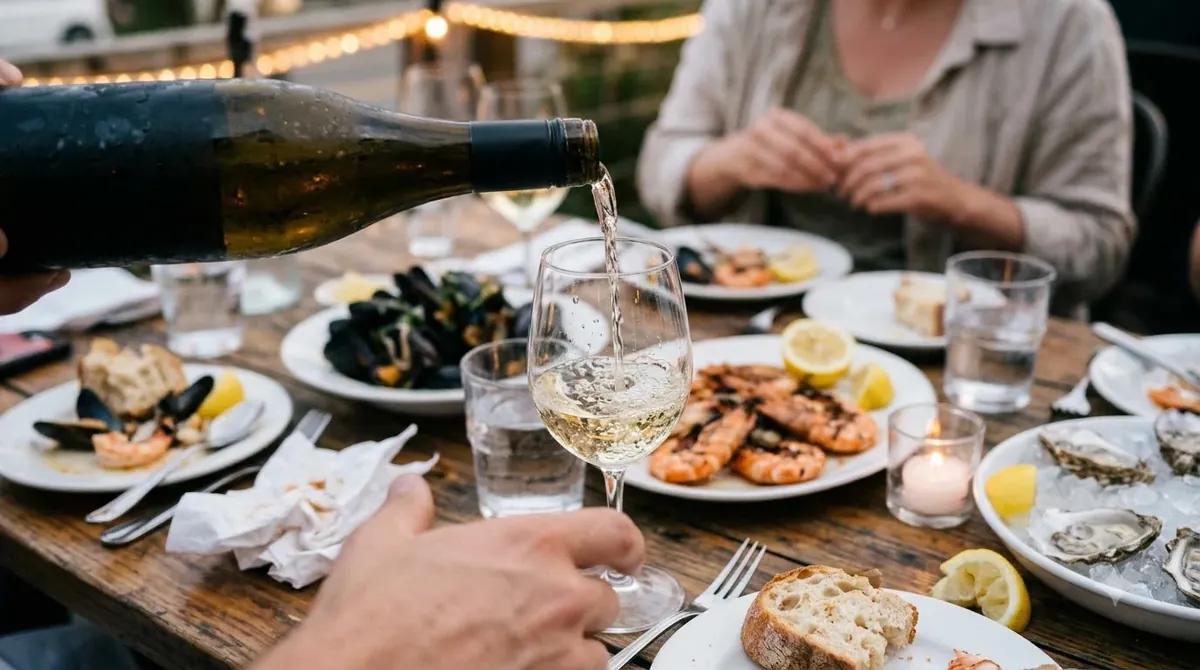
Riesling is a strong match for seafood, Asian-inspired dishes and foods with aromatic seasonings. Dry versions pair well with grilled fish, prawns and salads containing citrus dressing. Slightly sweeter Riesling can work particularly well with moderately spicy dishes because a touch of residual sugar balances the heat.
Chardonnay is suitable for roast chicken, creamy pasta, grilled salmon and dishes involving butter-based sauces. More restrained examples work with simply prepared seafood, while richer versions can handle fuller textures and roasted flavors.
Pinot Gris is another useful food wine. Its pear and stone-fruit character complements pork, roasted vegetables and mildly spiced dishes. Gewürztraminer can be particularly successful with aromatic foods, including dishes containing ginger, fragrant herbs and lightly sweet sauces.
For a practical pairing reference, consider these combinations:
- Pinot Noir: roast duck, grilled mushrooms, herb-roasted chicken and pork tenderloin.
- Dry Riesling: oysters, prawns, grilled white fish and citrus salads.
- Off-dry Riesling: moderately spicy noodles, Thai-style dishes and aromatic curries.
- Chardonnay: roast chicken, salmon, creamy pasta and grilled scallops.
- Pinot Gris: pork, roasted vegetables and lightly spiced seafood.
- Syrah: grilled lamb, beef dishes and roasted vegetables with herbs.
When planning a meal, match the intensity of the wine to the intensity of the food. High-acid Riesling can handle acidic ingredients such as lemon, while Pinot Noir is generally better suited to dishes that do not overwhelm its moderate tannins. Salt and fat can soften tannin, making richer meat dishes particularly appropriate with more structured reds.
For cheese, consider aged Gouda or moderately firm alpine-style cheeses with Pinot Noir, and fresh goat cheese with dry Riesling. Sweeter Riesling can also work with blue cheese, provided the wine is at least as sweet as the cheese’s accompanying sweet elements.
One pairing to approach carefully is very spicy food with high-alcohol reds. Alcohol and tannin can intensify chili heat, making a fresh, lower-tannin white or a slightly sweeter Riesling a more comfortable choice.
Planning a Visit to Waipara’s Cellar Doors
Waipara is accessible as a day trip from Christchurch, but an overnight stay provides more time to explore its producers and vineyard surroundings. A good itinerary includes a manageable number of cellar doors, a relaxed lunch and time to enjoy the scenery.
Driving from Christchurch generally takes just under an hour, depending on the starting point and destination. This makes the region convenient for travelers staying in the city. A rental car offers flexibility, but visitors planning several tastings should arrange a designated driver or another transportation option before setting out.
Summer, from December through February, is attractive for outdoor dining, vineyard views and longer visits. Autumn, particularly March and April, offers another rewarding experience because harvest activity and changing vineyard colors add interest to the landscape. Exact harvest dates depend on the vintage and grape variety.
For a first visit, consider grouping wineries by location. Start with producers around Omihi, continue toward the main Waipara valley-floor vineyards, and allow enough time for lunch. If staying longer, explore the inland areas toward Waikari and Weka Pass, where higher elevations and limestone-rich sites provide a different perspective on the region.
A useful itinerary could include:
- Morning: Visit Torlesse or another Omihi-area producer to explore Pinot Gris and other aromatic varieties.
- Late morning: Continue to Greystone for Pinot Noir, Chardonnay and estate wines.
- Lunch: Reserve a table at Black Estate and explore its wine and food offerings.
- Afternoon: Visit Waipara Springs or another producer for Riesling and additional regional styles.
- Optional extension: Explore Pyramid Valley and the inland limestone country around Waikari.
Visitors should contact individual wineries before arriving. Cellar-door schedules, tasting arrangements and restaurant availability can vary. Booking ahead is particularly useful for smaller producers and weekend visits.
Accommodation options include vineyard retreats and smaller rural stays. Staying overnight removes the pressure of fitting every tasting into a single day and allows visitors to enjoy a more relaxed dinner among the vineyards.
For a broader understanding of wine destinations and their geographical differences, explore our Wine Regions resource. Comparing the soils, climates and grape varieties of different places can make a Waipara tasting considerably more informative.
For additional regional context, Decanter’s exploration of North Canterbury’s vineyards and producers discusses the differences between Waipara and the higher inland sites around Waikari and Weka Pass.
Frequently Asked Questions
Is Waipara Valley a protected wine appellation?
Waipara Valley is a New Zealand geographical indication for wine. New Zealand’s geographical indication system identifies recognized wine-growing place names and helps establish their geographical origin. It is distinct from the European appellation systems used in places such as Chianti Classico.
Can Waipara Riesling age in the bottle?
Yes. Well-made Riesling with strong natural acidity can develop additional complexity over several years. Mature examples may develop honeyed, petrol-like and dried citrus characteristics that differ from the fresh lime and floral aromas of younger bottles.
What does the name Waipara mean?
Waipara is a Māori-derived New Zealand place name. The word is associated with the area’s river and surrounding landscape, reflecting the close relationship between local geography and the identity of the valley.
Are Waipara wines suitable for collectors?
Some premium Pinot Noir, Riesling and Chardonnay bottlings have the structure and acidity to reward cellaring. The best candidates depend on the producer, vineyard site, vintage and winemaking approach. Collectors should consider individual bottlings rather than assuming every regional wine is intended for extended aging.
Is Waipara part of the Canterbury wine region?
Waipara belongs to North Canterbury, which is part of New Zealand’s wider Canterbury wine-growing area. North Canterbury also includes the Canterbury Plains and Banks Peninsula, as well as inland growing areas around Waikari. These subregions have different landscapes and growing conditions.
Waipara deserves attention from anyone interested in New Zealand wines beyond the country’s most familiar names. Its distinctive soils, long growing season and dedicated producers create expressive Pinot Noir, Riesling and Chardonnay with a recognizable regional identity. Whether exploring the valley through its cellar doors or discovering its bottles at home, Waipara offers a rewarding introduction to North Canterbury’s wine culture.
More in Wine Regions
 Willcox Wine Trail: Discover Arizona’s High-Elevation Wine CountryUpdated Nov 20, 2026
 Yakima Valley Wine Region: Find the Best Styles to TryUpdated Nov 20, 2026
 Vosne Romanee Wine Tasting: Identify Aromas and Choose Better PairingsUpdated Nov 20, 2026
 Yakima Valley Wine Festival: Find the Best Seasonal Wine EventsUpdated Nov 20, 2026
 Wales Vineyards: Discover Cool-Climate Wines and Where to VisitUpdated Nov 20, 2026
 Yountville Wine Festival: Discover Napa Wines and Local FoodUpdated Nov 20, 2026