

We may earn a commission when you buy through links on this page, at no extra cost to you. Learn more.
The vouvray wine region in France’s Loire Valley is best known for Chenin Blanc wines made in dry, off-dry, sweet, and sparkling styles. Located in the Touraine district near Tours, Vouvray combines limestone-rich soils, a river-influenced climate, and a grape variety naturally suited to both freshness and sweetness. Its wines range from crisp, citrus-driven whites to honeyed dessert wines and traditional-method sparkling bottles, making it one of the Loire Valley’s most versatile white-wine appellations.
Vouvray deserves attention because it offers several distinct wine experiences under one regional name. The amount of residual sugar, the ripeness of the harvested grapes, the growing conditions of an individual vintage, and the winemaking method all influence the finished bottle. Understanding the area’s geography and its four principal styles makes it easier to select a Vouvray for dinner, a celebration, or a wine cellar.
Where the Vouvray Appellation Is Located
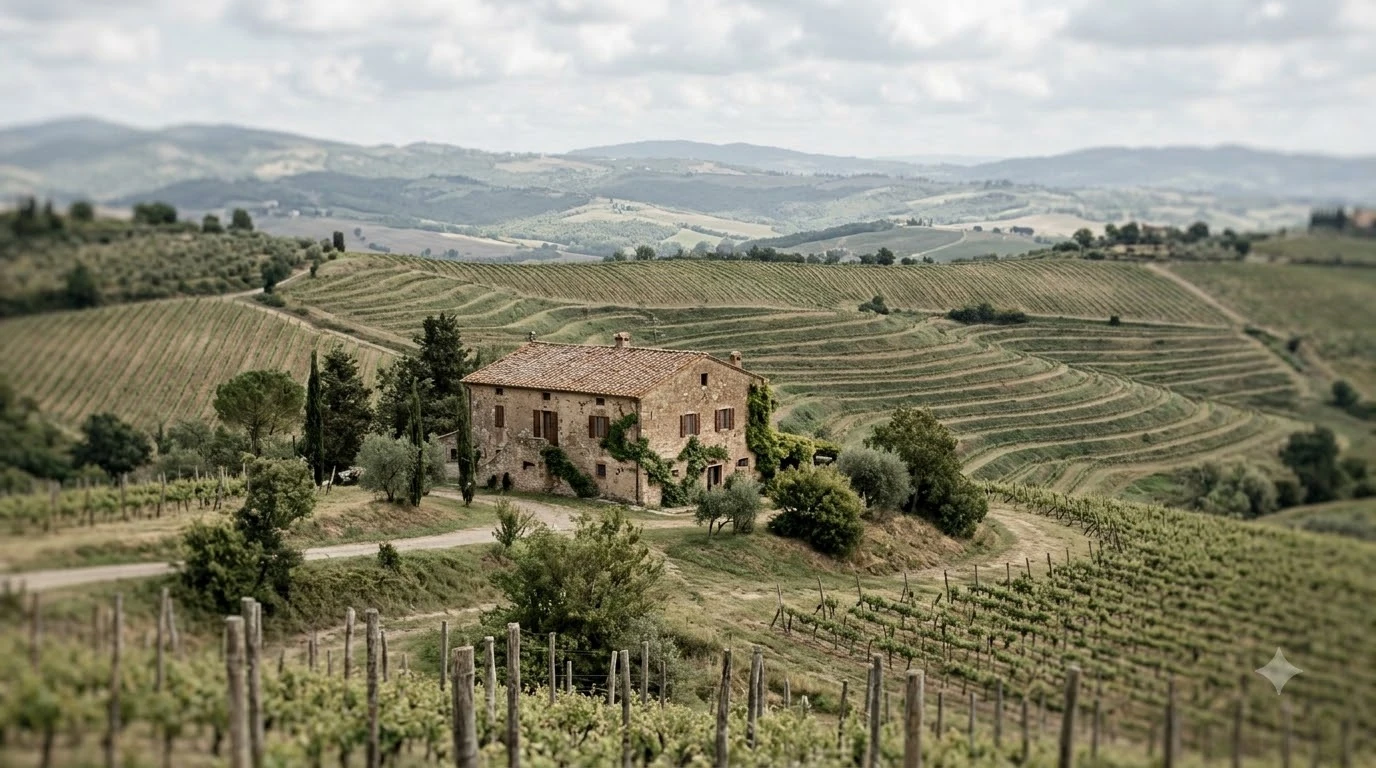
Vouvray occupies part of the Touraine wine district in central France, along the northern side of the Loire Valley near Tours. Its approximately 2,300 hectares of vineyards cover eight communes, giving the appellation a broader geographical identity than the village of Vouvray alone.
The appellation includes Tours, Vouvray, Chançay, Noizay, Reugny, Rochecorbon, Vernou-sur-Brenne, and Parcay-Meslay. According to the Vins de Vouvray appellation organization, approximately 150 domaines cultivate these vineyards. The area’s landscape combines plateaus, slopes, valleys, and small vineyard sites overlooking or approaching the Loire. These variations create different growing conditions within a relatively compact wine-producing area.
The Loire is an important part of Vouvray’s identity. Its waterways historically provided transportation for wine, connecting local growers with markets farther along the river and beyond France. The appellation’s position near Tours also placed it within the historic heart of Touraine, a region known for its châteaux, agricultural land, and long-established wine culture. The local appellation organization records official AOC recognition in 1936, establishing a protected identity for wines produced within its defined geographical area.
Vouvray is particularly useful for understanding how a single appellation can contain several wine styles without relying on multiple grape varieties. While some French regions depend on blends or separate grape-growing zones to achieve stylistic diversity, Vouvray draws much of its range from Chenin Blanc and differences in grape maturity. Readers building a broader understanding of French and international wine geography can explore the site’s wine regions overview for comparisons with other established appellations.
| Appellation detail | Figure | Why it matters |
|---|---|---|
| Vineyard area | Approximately 2,300 hectares | Shows the geographical scale of the appellation. |
| Wine-producing domaines | Approximately 150 | Represents the number of estates identified by the appellation organization. |
| Communes | 8 | Defines the communities included within the production area. |
| Official AOC recognition | 1936 | Marks the formal recognition of the appellation. |
| Natural cellar temperature | 12°C | Helps explain the suitability of underground limestone galleries for wine storage. |
These figures provide a useful introduction, but they do not mean that every bottle from Vouvray tastes alike. A vineyard close to a limestone ridge may have different soil conditions from a site with deeper clay-rich earth. A grower harvesting particularly ripe grapes will also produce a different expression from one picking earlier to preserve a dry, refreshing style.
Tuffeau Limestone, Vineyard Soils, and the Loire Climate
Vouvray’s terroir is shaped by soft tuffeau limestone, layered clay-siliceous soils, and the moderating influence of the Loire River. The meeting of oceanic and continental weather patterns creates a growing environment where grape ripeness can vary considerably from one vintage to another.
Tuffeau is a soft, chalk-rich limestone that forms an important part of the local geological structure. According to the Vins de Vouvray appellation organization, the soil profile includes Turonian tuffeau, clay-siliceous deposits, and loamy material carried by the wind during the Quaternary period. These layers produce different vineyard conditions across the appellation. Some locations have relatively shallow soils over limestone, while others contain more clay or surface flint.
The variation is visible in the landscape around named vineyard sites and walled properties. Clos Naudin, Clos du Bourg, Clos du Petit Mont, and Clos de Rougement are examples identified by the appellation organization. These sites are associated with the limestone ridge and its slopes, where vineyards overlook valleys and old underground quarry galleries. The presence of stone walls around individual clos also reflects the area’s long relationship with limestone as both a geological feature and a building material.
The Loire River helps moderate local temperatures, while the meeting of maritime and continental weather systems influences rainfall and ripening. The appellation organization reports approximately 680 millimeters of annual rainfall and notes that summers commonly include at least one heatwave lasting several days. These conditions create a meaningful balance between warm periods that encourage ripening and cooler influences that help retain Chenin Blanc’s naturally lively acidity.
Climate variation is particularly important because Chenin Blanc can be harvested at different stages of maturity. Earlier picking can preserve freshness and produce grapes suited to dry wine. Later harvesting allows additional sugar and flavor development, creating opportunities for off-dry and sweet styles. When the weather is particularly favorable, noble rot may also contribute to concentrated dessert wines. The official Vins de Vouvray terroir overview provides further detail on the relationship between the river, soils, slopes, and vineyards.
Vouvray offers an interesting contrast with mountain-influenced wine regions, where elevation and cooler conditions shape grape development in different ways. The Savoie wine region and the Switzerland wine region provide useful comparisons for understanding how geography influences freshness, grape selection, and regional wine identity.
Chenin Blanc Styles and Sweetness Levels
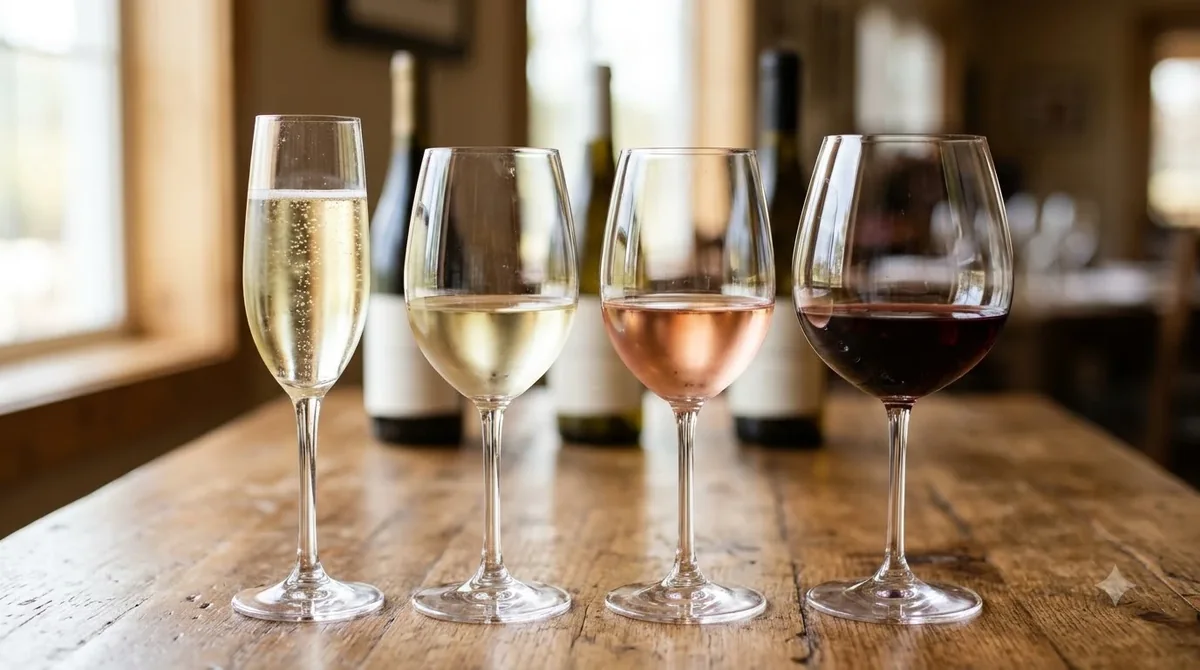
Chenin Blanc is the only grape variety used for Vouvray, but the wines cover a broad range of sweetness levels. The main styles to understand are sec, demi-sec, moelleux, and the particularly sweet liquoreux category.
Vouvray Sec: Dry and Fresh
Sec means dry, making this the natural starting point for drinkers who usually choose Sauvignon Blanc, dry Riesling, or other crisp white wines. Dry Vouvray commonly shows fresh apple, citrus, pear, white flowers, and a firm line of acidity. Depending on the producer and vineyard, it may also offer quince, chalky impressions, or hints of honey without tasting sweet.
The acidity is a defining feature. Chenin Blanc can maintain a lively, refreshing character even when its fruit becomes ripe and expressive. This creates dry wines that are more layered than a simple neutral white, with enough freshness to work as an aperitif or accompany food. Sec is a useful choice for people who want complexity without noticeable sweetness.
Vouvray Demi-Sec: Off-Dry Balance
Demi-sec means off-dry and indicates that the wine contains some residual sugar. The additional sweetness gives the palate a rounder texture, while Chenin Blanc’s acidity prevents the wine from feeling heavy. Ripe apple, pear, peach, honey, apricot, and floral notes are common possibilities.
Some off-dry Vouvray wines are less sweet in perception than their residual sugar might suggest. The relationship between sugar and acidity matters more than sweetness considered by itself. Decanter uses the term sec tendre for an off-dry Loire Chenin style and explains that lively acidity can make the wine taste relatively dry. Demi-sec is often a useful middle ground for people who enjoy dry whites but want a little more fruit richness and softness.
Vouvray Moelleux and Liquoreux: Sweet Expressions
Moelleux wines are sweet, with a richer texture and more concentrated fruit character. Depending on the vintage and producer, these bottles can feature ripe pear, peach, plum, citrus, exotic fruit, honey, and baking spice. Some are made from very ripe grapes, while others benefit from the development of noble rot, the beneficial fungus Botrytis cinerea. This process can concentrate the grapes and contribute distinctive aromatic complexity.
Liquoreux describes particularly sweet expressions. These wines can have a deep, concentrated character without losing all their freshness because Chenin Blanc retains significant acidity. The combination is important: sweetness supplies richness, while acidity keeps the finish lively. These bottles suit people looking for dessert wines with more complexity than straightforward sugary fruit.
There is no requirement that every vintage produce the same selection of sweetness levels. The appellation’s growers adapt harvest timing to the maturity of the grapes and the prevailing weather. In one year, conditions may favor a substantial amount of dry wine, while a particularly suitable season may allow exceptional sweet wines to be produced. This natural variation is one of the reasons Vouvray rewards attention to the individual bottle rather than assumptions based only on the regional name.
Sparkling Vouvray and Traditional Bottle Fermentation
Sparkling Vouvray is made from Chenin Blanc using the traditional method, which creates bubbles through a second fermentation inside the bottle. It offers a different experience from the still wines, with fresh fruit, floral aromas, fine bubbles, and the potential for yeasty or brioche-like complexity.
The process begins with a base wine. Yeast and sugar are added when the wine is bottled, triggering a second fermentation that produces carbon dioxide. Because the gas remains trapped in the bottle, the wine develops its characteristic bubbles. This approach is the same basic method used for Champagne and differs from sparkling wines produced by fermenting in large pressurized tanks.
The Vins de Vouvray appellation organization describes a minimum aging period of 12 months for its traditional-method sparkling wines before the sediment is removed. During this period, yeast activity contributes to the wine’s development. The bottles are riddled to move the accumulated sediment toward the neck, then disgorged to remove it. The wine is topped up before the final cork is inserted.
Some estates choose to age their sparkling wines for three years or longer rather than stopping at the minimum period. Extended contact with the yeast can develop aromas of brioche, toasted bread, and grilled nuts. The fruit remains important, but the additional complexity gives these bottles a more layered character. The appellation organization identifies a typical aging potential of three to 10 years for sparkling Vouvray, with bubbles often becoming finer as the wine develops.
It is also useful to distinguish traditional sparkling Vouvray from pétillant. Pétillant wines have less carbon dioxide and gentler bubbles, creating a softer sensation on the palate. The local organization notes that this style has a history extending back to the 19th century. Although the terms may sound similar, the difference in pressure and bubble intensity makes the two expressions distinct.
Dry and brut-style sparkling Vouvray can work particularly well as an aperitif. Fresh apple, citrus, white flowers, and later-developing brioche aromas make the wine suitable for savory appetizers, smoked fish, and lighter party foods. For people who enjoy Champagne but want to explore another traditional-method French sparkling wine, Vouvray offers an attractive alternative centered on Chenin Blanc. Decanter’s guide to Loire Chenin Blanc styles also discusses the grape’s suitability for sparkling production.
Vouvray Flavors, Aging Potential, and Vintage Differences
Vouvray’s flavor profile develops from crisp orchard fruit in younger, drier wines toward richer honeyed and toasted notes in sweeter or more mature bottles. Chenin Blanc’s acidity gives the wines a useful structural foundation, allowing different styles to develop complexity over time.
Young Vouvray often reveals apple, pear, citrus, quince, acacia, rose, and other floral notes. Some wines have a stony or chalk-like impression, while others show a more generous fruit character. Chamomile and honeysuckle are also associated with the appellation’s aromatic profile. Rather than relying on one dominant aroma, Chenin Blanc often combines fruit, flowers, and freshness in a balanced expression.
With bottle age, the character can change noticeably. The Vins de Vouvray appellation organization identifies grilled, smoky, and honeyed notes in mature wines, while sweet examples may develop grilled almond, quince, and baking spice characteristics. These changes do not necessarily indicate that a wine has lost its freshness. A well-made Chenin Blanc can retain an important sense of acidity as its primary fruit aromas become more developed and savory.
Aging potential depends on style, vintage, and producer. The appellation organization suggests approximately 10 years as a potential aging period for medium-dry Vouvray. It identifies 30 to 40 years as a possibility for exceptional sweet wines from strong vintages. These are potential cellar periods rather than guarantees for every bottle. A simple, early-drinking sec wine may be best enjoyed relatively young, while a concentrated moelleux or liquoreux may reward patience.
Sparkling wines have their own aging pattern. The appellation organization gives a general range of three to 10 years, and longer lees aging can contribute more developed yeasty aromas before release. This is different from simply holding a bottle of sparkling wine for an extended period after purchase. The producer’s aging choices before release are an important part of the final character.
Vintage variation matters because weather affects both grape ripeness and the conditions for noble rot. In a cooler or wetter season, growers may have fewer opportunities to make highly concentrated sweet wines. In a favorable season, ripe fruit and botrytis-affected grapes may allow more complex expressions. This is why two bottles from the same estate can have quite different levels of richness, aromatic intensity, and sweetness even though both carry the Vouvray name.
When selecting an older bottle, consider its style before deciding how long to keep it. Sweet Vouvray generally has a particularly strong reputation for longevity, while mature dry and off-dry wines can develop more savory characteristics. A bottle’s age should be considered alongside its storage conditions, because poor storage can shorten the useful life of even a well-made wine.
Food Pairings, Serving Temperatures, and Storage
Vouvray’s broad range of styles makes it especially flexible at the table. Dry wines suit seafood and savory meals, demi-sec works with richer dishes or gently spiced food, and sweeter expressions pair naturally with desserts and salty cheeses.
Pairing Dry Vouvray with Savory Foods
Sec Vouvray is a good match for oysters, shellfish, grilled fish, roast chicken, and lighter pork dishes. Its acidity refreshes the palate between bites, particularly when the food contains butter, cream, or other rich ingredients. Roasted pork tenderloin with grilled apples is a particularly appropriate pairing because the apple flavors connect naturally with Chenin Blanc’s orchard-fruit character.
Fresh goat cheese, mild soft cheeses, and vegetable dishes with citrus or herb seasoning can also work well. The important consideration is acidity. A food with pronounced acidity generally needs a wine with equal or higher acidity, otherwise the wine can seem flat beside the dish. Dry Vouvray’s freshness helps it hold its own with lemon-seasoned seafood, tangy sauces, and vinaigrette-based accompaniments.
Pairing Demi-Sec and Sweet Vouvray
Demi-sec is particularly useful with dishes that combine richness, gentle spice, and a touch of sweetness. Creamy fish dishes, roast poultry, pork with fruit, and lightly spiced Asian meals are natural options. The slight sweetness adds roundness, while the acidity provides balance. It can also be an excellent aperitif for people who find very dry whites too sharp.
Moelleux and liquoreux wines are natural partners for fruit-based desserts, especially pear tart, apple tart, baked peaches, and dishes containing honey or almonds. The central pairing rule is that a wine should be at least as sweet as the dessert. Otherwise, the food can make the wine taste thin or sour. Sweet Vouvray can also work with salty cheeses because the salt provides contrast to the wine’s concentrated fruit and sweetness.
Be cautious with very spicy food. Chili heat can become more pronounced alongside alcohol and tannin, so an off-dry Chenin Blanc is often a more comfortable choice than a powerful, high-alcohol wine. Choose the level of sweetness according to the dish’s intensity rather than assuming that the sweetest wine is always the best match.
Serving Temperature and Bottle Care
Serving temperature influences the balance of fruit, acidity, and sweetness. Sparkling Vouvray is best served around 40–50°F, while dry and lighter-bodied still wines are generally enjoyable at 45–50°F. Richer white expressions can be served slightly warmer, around 50–55°F, and sweet wines are best served cool, around 43–50°F. Very cold temperatures can mute aromatic detail, so avoid leaving a complex still wine in an ice bucket for too long.
A standard 750-milliliter bottle provides approximately five glasses when poured in the usual 5-ounce serving size. Use white-wine glasses that allow a little space above the wine, giving the aromas room to develop. Sparkling wines can be served in a tulip-shaped glass rather than an especially narrow flute when the goal is to appreciate their fruit and yeast-derived aromas as well as their bubbles.
Tip: Chill dry Vouvray before serving, but allow complex or mature bottles a little time in the glass to reveal their aromas. After opening a still Vouvray, reseal it and store it in the refrigerator. Most opened still wines are best enjoyed within three to five days.
For longer storage, keep unopened bottles in a dark, stable environment near 55°F, away from temperature fluctuations and direct sunlight. Bottles with natural cork closures are generally stored on their sides to keep the cork from drying out. Avoid placing wine above an oven, refrigerator motor, or other equipment that produces repeated heat or vibration. Sparkling wine should be handled carefully and opened with the bottle pointed away from people and fragile objects.
Frequently Asked Questions
These answers cover additional details about the history, terminology, and landscape of Vouvray. They can help explain some of the names and traditions that appear in regional wine information.
What does Pineau de la Loire mean?
Pineau de la Loire is a traditional local name for Chenin Blanc. The name reflects the grape’s historical identity in the central Loire Valley and is sometimes encountered in wine education or regional descriptions. It does not indicate a separate grape variety from the Chenin Blanc used in Vouvray.
What is a lieu-dit in the Vouvray appellation?
A lieu-dit is a small geographical area with a traditional name. In Vouvray, these named places can help identify the particular landscape or vineyard location associated with a wine. A lieu-dit is not necessarily a separately classified appellation, but the name provides useful geographical context when comparing bottles.
Why are there so many underground caves in Vouvray?
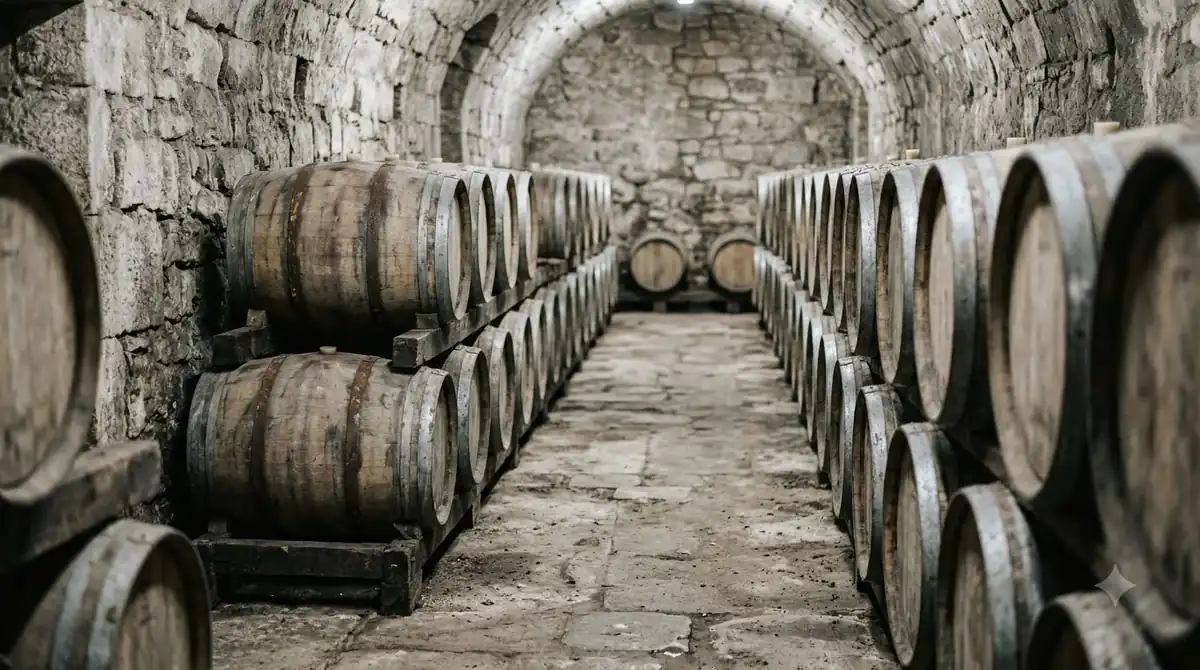
Many of the caves began as limestone quarries used to extract building stone for houses, churches, and vineyard walls. Some were subsequently used for mushroom cultivation, and local accounts describe their use by members of the French resistance during the Second World War. Their underground environment later proved particularly suitable for wine-related activities.
Why did Vouvray growers organize to protect the appellation name?
The Vins de Vouvray appellation organization records the creation of a defense union in 1906. Its purpose was to oppose dishonest merchants selling inferior wines from other areas under the Vouvray name. This effort formed part of the region’s longer history of protecting the identity and origin of its wines.
What is the historical story associated with the year 372?
The local appellation history traces an early chapter of Vouvray viticulture to Saint Martin, who founded the Abbey of Marmoutier in 372 and is traditionally credited with planting the first vines in the area. The story also includes his donkey, which supposedly revealed the benefits of short vine pruning by eating back the shoots. It is a colorful piece of local wine folklore rather than a modern production rule.
The Vouvray wine region offers far more than a single style of French white wine. Its Chenin Blanc can be crisp and dry, delicately off-dry, richly sweet, or sparkling, with limestone soils and the Loire climate helping shape its distinctive character. Exploring more than one style is the best way to understand why Vouvray remains such an interesting and versatile appellation.
More in Wine Regions
 Willcox Wine Trail: Discover Arizona’s High-Elevation Wine CountryUpdated Nov 20, 2026
 Yakima Valley Wine Region: Find the Best Styles to TryUpdated Nov 20, 2026
 Vosne Romanee Wine Tasting: Identify Aromas and Choose Better PairingsUpdated Nov 20, 2026
 Yakima Valley Wine Festival: Find the Best Seasonal Wine EventsUpdated Nov 20, 2026
 Wales Vineyards: Discover Cool-Climate Wines and Where to VisitUpdated Nov 20, 2026
 Yountville Wine Festival: Discover Napa Wines and Local FoodUpdated Nov 20, 2026