


We may earn a commission when you buy through links on this page, at no extra cost to you. Learn more.
What is sec in wine? Sec means dry in French and usually describes a dry still wine, but Sec on a sparkling wine such as Champagne indicates a noticeably sweeter style containing 17–32 grams of sugar per liter. This difference is important because the same word has different meanings depending on the type of wine. Understanding whether a bottle is still or sparkling helps you interpret its sweetness correctly and choose a wine that suits your taste and food.
French wine terminology can be confusing, especially when words that appear straightforward in English have a different meaning on a particular bottle. Sec is one of the clearest examples. A dry French Sauvignon Blanc labeled sec and a Sec Champagne may have very different levels of sweetness, even though they share the same French term. This guide explains the distinction, the sugar levels behind sparkling wine classifications, and practical ways to select, serve, and pair these wines.
What Sec Means on a Wine Label
Sec is the French word for dry. On a conventional still wine, it generally means that the wine contains little residual sugar and tastes dry rather than sweet. However, sparkling wine uses a separate sweetness classification, where Sec represents a sweeter category than Brut and Extra Dry.
Residual sugar is the natural grape sugar that remains in wine after fermentation. During fermentation, yeast converts much of the grape sugar into alcohol and carbon dioxide. When fermentation finishes with very little sugar remaining, the wine generally tastes dry. When more sugar remains, the wine can taste off-dry, medium-sweet, or sweet.
The important distinction is that wine terminology depends on the category being described. A bottle of French Muscadet labeled sec is generally a dry, crisp still wine. A bottle of Champagne labeled Sec has considerably more residual sugar and is better understood as a medium-sweet sparkling wine.
This is not a contradiction. The terminology comes from different labeling conventions developed for different types of wine. Sparkling wines have their own established sweetness scale, and translating the word sec literally does not tell you where the wine sits on that scale.
Tip: Before interpreting the word sec, determine whether the bottle contains still or sparkling wine. For still French wine, expect dry. For Champagne and other sparkling wines using the established sparkling sweetness scale, expect noticeable sweetness.
It also helps to distinguish sweetness from fruitiness. A wine can smell strongly of peaches, apples, citrus, or tropical fruit without containing much residual sugar. Aromas of ripe fruit do not automatically mean that a wine tastes sweet.
Sec in Still Wine: What to Expect
On a still French wine, sec generally indicates a dry style with limited residual sugar. The designation is particularly useful when choosing French whites from regions such as the Loire Valley and Alsace, where traditional French terminology appears frequently on wine labels.
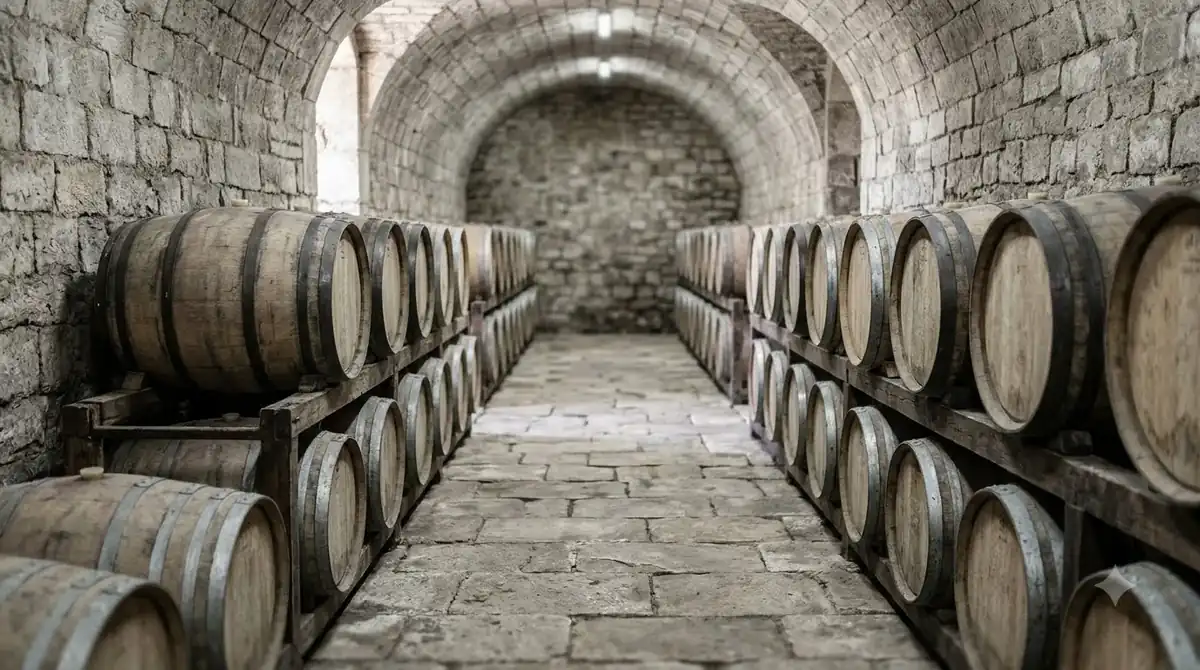
Consider a Sauvignon Blanc from Sancerre or a Muscadet from the western Loire. These wines are commonly produced in dry styles, with refreshing acidity and little noticeable sweetness. A label describing such a wine as sec communicates its dry character rather than suggesting a dessert-style wine.
In European still-wine labeling, the dry designation has a specific regulatory meaning. Under the EU framework, sec or dry generally applies when residual sugar does not exceed 4 grams per liter. An allowance up to 9 grams per liter is possible when total acidity meets the prescribed relationship to the sugar level.
Acidity matters because sugar and acidity influence how a wine tastes. A wine with relatively high acidity can taste crisp and refreshing even when it contains slightly more residual sugar than a less acidic wine. This is one reason that sweetness cannot always be judged accurately from a single numerical measurement.
Examples of dry French wine styles
- Sancerre: Usually a dry Sauvignon Blanc with citrus, green apple, herbal aromas, and lively acidity.
- Muscadet: A dry white wine made primarily from Melon B grapes, often showing lemon, mineral, and saline characteristics.
- Chablis: A dry Chardonnay style commonly associated with crisp acidity and restrained fruit flavors.
- Alsace Riesling: Frequently produced in a dry style, with citrus fruit, floral aromas, and pronounced acidity.
These examples illustrate why sec is useful on still wine labels. It communicates a general sweetness expectation, while the grape variety and region provide further clues about flavor, acidity, and body.
However, sec does not mean that every wine carrying the designation tastes identical. A dry Sauvignon Blanc and a dry Chardonnay can have different textures, aromas, acidity levels, and finishes. Both can be sec while offering very different drinking experiences.
Sec Champagne and Sparkling Wine: The Sweetness Scale
Sec Champagne is sweeter than Brut and Extra Dry Champagne. According to the Comité Champagne, the Sec classification corresponds to 17–32 grams of sugar per liter, placing it between Extra Dry and Demi-Sec on the sparkling wine sweetness scale.
The difference comes from the way sparkling wines are classified. Rather than interpreting sec as simply dry, producers use established sugar ranges to describe the finished wine. These ranges help consumers compare sparkling styles, even though acidity, bubbles, and fruit character also influence the perception of sweetness.
Champagne producers determine the final sweetness partly through a production stage called dosage. After the second fermentation and the removal of sediment, a mixture of wine and sugar, called dosage liqueur or liqueur d’expédition, may be added before the bottle is closed again. The amount of sugar in the finished wine determines its sweetness classification.
The Comité Champagne provides the following classification ranges:
| Champagne classification | Residual sugar per liter | General taste |
|---|---|---|
| Brut Nature | Less than 3 g/L | Very dry |
| Extra Brut | 0–6 g/L | Very dry |
| Brut | Less than 12 g/L | Dry |
| Extra Dry | 12–17 g/L | Lightly sweet |
| Sec | 17–32 g/L | Noticeably sweet |
| Demi-Sec | 32–50 g/L | Sweet |
| Doux | More than 50 g/L | Very sweet |
One detail deserves attention: some of these official ranges overlap at their boundaries, and the classification system includes specific regulatory conditions. The table provides the commonly used Champagne categories rather than suggesting that every classification has a perfectly separate numerical interval.
For most consumers, the practical lesson is straightforward. Brut is generally the familiar dry sparkling style, Extra Dry is slightly sweeter, and Sec has a more noticeable sweet character. Demi-Sec and Doux are progressively sweeter options.
The Comité Champagne reports that approximately 90% of Champagne wines are Brut. That helps explain why many consumers associate Champagne with a dry taste. Sec is a less familiar choice, but it has a useful place alongside fruit desserts and other foods that benefit from a little sweetness.
For the official sugar classifications and additional information about Champagne labels, consult the Comité Champagne’s explanation of Champagne labeling.
For a more detailed comparison of the next sweetness category, see our guide to what is demi sec in wine.
Sec, Brut, Extra Dry, and Demi-Sec Compared
The main difference between these terms is the amount of residual sugar in the finished sparkling wine. Brut is drier than Extra Dry, Extra Dry is drier than Sec, and Demi-Sec is sweeter than Sec.
The naming system can initially seem backward, especially for English-speaking wine drinkers. Extra Dry sounds like it should be drier than Brut, while Sec translates directly to dry. Neither literal interpretation gives the correct order for sparkling wine.
It is helpful to think of these terms as a formal classification rather than ordinary descriptions. Their purpose is to identify a regulated sweetness category, not to provide a direct translation of how the wine will taste in everyday language.
Understanding the most commonly confused terms
Brut: Brut is the widely recognized dry Champagne category. With less than 12 grams of residual sugar per liter, it generally tastes crisp and refreshing. It works well as an aperitif and with savory appetizers.
Extra Dry: Despite its name, Extra Dry is sweeter than Brut. Its 12–17 grams of sugar per liter can produce a softer impression, particularly alongside the wine’s natural acidity and bubbles.
Sec: Sec occupies the next sweeter position. With 17–32 grams per liter, it generally offers a more noticeable sweetness that can work particularly well with fruit-based desserts and lightly sweet foods.
Demi-Sec: Demi-Sec contains 32–50 grams per liter. It has a distinctly sweet profile and is a useful option for richer desserts, pastries, and fruit tarts.
Doux: Doux is the sweetest of these traditional Champagne categories, with more than 50 grams per liter. Its pronounced sweetness makes it particularly suitable for desserts that can match its intensity.
These distinctions also apply when exploring other sparkling wines that use the same recognized sweetness terminology. However, individual wine regulations and production specifications can differ, so a sparkling wine’s origin remains relevant.
For example, Prosecco DOC regulations recognize several sweetness categories, from Brut Nature to Demi-Sec for sparkling Prosecco. The Consortium for the Protection of Prosecco DOC also identifies different wine categories, including still, semi-sparkling, and fully sparkling wines. This means that a Prosecco bottle should be considered according to its particular style rather than assuming every bottle has the same sweetness.
When comparing sparkling wines, it is useful to consider the following questions:
- Do you prefer a crisp, dry finish? Start with Brut or Extra Brut.
- Would you like a little more sweetness? Consider Extra Dry.
- Do you enjoy noticeable sweetness? Try Sec.
- Are you serving a sweet dessert? Demi-Sec or Doux may be a better match.
The distinction between these classifications is especially helpful when shopping for Champagne for a dinner party, celebration, or dessert course.
How Sec Wine Tastes and What Influences Its Sweetness
Sec still wine generally tastes dry, while Sec Champagne usually tastes medium-sweet. The difference is not limited to sugar content: acidity, alcohol, fruit aromas, and carbonation also influence the way a wine feels on the palate.
In a dry still white wine, the absence of substantial residual sugar allows acidity, mineral character, and fruit flavors to stand out. A dry Loire Sauvignon Blanc, for example, may show lemon, lime, green apple, and fresh herbs. It can smell fruity without tasting sugary.
Sec Champagne has a different balance. Its 17–32 grams of residual sugar per liter provide more sweetness, while its bubbles and acidity help maintain freshness. Depending on the grapes and the producer’s style, the wine may show apple, pear, citrus, peach, or floral characteristics.
The presence of bubbles is particularly important. Carbon dioxide creates a lively sensation on the tongue and can make a sparkling wine feel refreshing. This sensation does not remove the sugar, but it can prevent the wine from seeming as heavy as a still wine with comparable sweetness.
Residual sugar versus perceived sweetness
Residual sugar is measurable, but perceived sweetness is influenced by several other components.
- Acidity: High acidity can make a wine seem fresher and less sweet. Sauvignon Blanc and Riesling are useful examples of varieties associated with naturally high acidity.
- Fruit aromas: Peach, pear, and ripe apple aromas can suggest sweetness even when the wine is technically dry.
- Alcohol: Alcohol contributes body and warmth, which can affect the impression of balance and richness.
- Carbonation: Bubbles contribute freshness and a lively texture in sparkling wine.
- Serving temperature: Temperature affects how aromas and flavors are perceived, making proper chilling important.
Another important distinction is between sweetness and body. A full-bodied Chardonnay can feel rich and rounded without being sweet. Conversely, a lighter sparkling wine can contain noticeable sugar while still feeling refreshing.
For this reason, a wine’s sweetness classification should be considered alongside its grape variety, origin, and production method. These details provide a much more complete picture than the word sec alone.
Food Pairings and Serving Sec Wine
Sec still wine and Sec Champagne call for different food pairings because their sweetness levels are different. Dry still wines generally suit savory dishes, while Sec sparkling wine can work particularly well with fruit, mildly sweet foods, and dishes that benefit from a touch of sweetness.
For a dry French white wine, consider fresh seafood, shellfish, goat cheese, grilled vegetables, or simple chicken dishes. A crisp Sancerre can complement goat cheese, while Muscadet is a classic choice for oysters and other shellfish.
Sec Champagne is more flexible with sweet and savory dishes. Its combination of sweetness, acidity, and bubbles can complement fruit-based desserts, lightly sweet pastries, and mildly spicy dishes. It can also work with salty appetizers because salt can balance the perception of sweetness.
Useful food-pairing ideas
- Fresh fruit: Sec Champagne works well with peaches, pears, strawberries, and fruit salads.
- Fruit tarts: Apple and pear tarts can complement the wine’s sweetness and acidity.
- Pastries: Light pastries and mildly sweet baked desserts can pair comfortably with Sec sparkling wine.
- Soft cheeses: Brie and other creamy cheeses can provide a pleasant contrast to sparkling wine’s acidity.
- Salty appetizers: Salted nuts, mild savory crackers, and lightly salted snacks can balance sweetness.
- Mildly spicy dishes: A slightly sweet sparkling wine can work with moderate spice, although very high alcohol and tannin can intensify chili heat.
One important rule for dessert pairing is that the wine should be at least as sweet as the dessert. If a dessert is considerably sweeter than the wine, the wine may taste thin, tart, or overly acidic by comparison.
Acidity is another important consideration. Foods with substantial acidity generally need a wine with equal or higher acidity to maintain balance. Salt and fat can soften tannin, although tannin is usually less prominent in white sparkling wine than in full-bodied red wine.
Serving temperature also influences the experience. The following ranges are useful starting points for different wine styles:
| Wine style | Serving temperature |
|---|---|
| Sparkling wine | 40–50°F |
| Light white wine | 45–50°F |
| Rosé | 45–50°F |
| Full-bodied white wine | 50–55°F |
| Light red wine | 55–60°F |
| Full-bodied red wine | 60–65°F |
| Sweet white wine | 43–50°F |
For Champagne, the Comité Champagne recommends approximately 46–50°F, equivalent to 8–10°C. This keeps the wine cool without making it so cold that its aromas become difficult to appreciate.
A tulip-shaped glass is a practical choice for sparkling wine because its narrower opening helps retain aromas while allowing them to develop. A flute is also suitable, particularly for casual celebrations, but a tulip glass generally provides more room to appreciate the wine’s aromatic character.
Once opened, sparkling wine generally keeps for about 1–3 days in the refrigerator when properly sealed with a sparkling-wine stopper. Its bubbles gradually diminish, so it is best enjoyed while its carbonation remains lively.
How to Choose a Bottle and Avoid Label Confusion
The easiest way to select the right sec wine is to identify its wine category first, then compare its sweetness designation with your preferences. A still French wine labeled sec is generally a dry choice, whereas Sec Champagne is a sweeter sparkling option.
Start by identifying whether the wine is still, sparkling, or semi-sparkling. This matters because the sweetness classifications are not interchangeable across all wine categories. A French white wine and a bottle of Champagne can carry similar terminology without having similar residual sugar levels.
Next, consider the grape variety and region. A Sancerre made from Sauvignon Blanc is typically crisp and dry. A Chardonnay from Chablis generally has a dry profile with refreshing acidity. A Sec Champagne, on the other hand, offers more sweetness and the distinctive texture of sparkling wine.
Questions to ask before choosing
Are you buying wine for an aperitif? Brut Champagne is a familiar option for guests who prefer dry sparkling wine. Sec Champagne is a more suitable alternative for those who enjoy noticeable sweetness.
Are you serving dessert? Consider Sec or Demi-Sec Champagne, depending on the dessert’s sweetness. For a very sweet dessert, a Doux style may provide a closer match.
Are you choosing a bottle for a seafood meal? A dry still white wine such as Muscadet or Sancerre may be more appropriate than a noticeably sweet sparkling wine.
Are you comparing two bottles from different countries? Look at the complete wine category and origin. Prosecco DOC, Champagne, and French still wine do not necessarily use sweetness terminology in identical ways.
It is also helpful to understand bottle sizes when planning a gathering. A standard 750 ml bottle provides approximately five 5-ounce glasses. If you are organizing a larger celebration, our guides to how many glasses in a magnum and how much wine for 100 guests can help estimate the amount needed.
For readers who want to understand additional terminology, the Wine Glossary provides a useful starting point for learning about wine styles, production methods, and tasting descriptions.
Finally, remember that sweetness is only one part of a wine’s overall character. Two Sec Champagnes can have different grape blends, acidity levels, aromas, and textures. The classification gives you a useful starting point, but the producer’s style and the wine’s origin help determine what you will experience in the glass.
Frequently Asked Questions
Does sec mean dry in every language?
No. Sec is French, while other languages use different terms for dry wine, including trocken in German and secco in Italian. Although these words have similar meanings in still-wine terminology, sparkling wine classifications follow specific sweetness conventions that should not be interpreted through literal translation alone.
Can a red wine be labeled sec?
Yes. French red wines can use sec to describe a dry style, just as white wines can. For example, a dry Bordeaux or Loire Valley Cabernet Franc may be described using French dry-wine terminology. The designation describes sweetness rather than grape color or tannin level.
Is Sec Champagne suitable for a wedding toast?
Yes. Sec Champagne can be served at celebrations, particularly when guests enjoy a sweeter sparkling wine. However, Brut is generally the more familiar choice for a traditional dry Champagne toast. For a dessert reception, Sec or Demi-Sec can provide an appealing alternative.
Does sec indicate how long a wine has aged?
No. Sec describes sweetness rather than age or maturity. A young dry French white wine and an older dry wine can both carry the term. For Champagne, vintage information and disgorgement details provide different information about the wine’s production and development.
Is sec the same as medium-dry wine in German terminology?
Not necessarily. German wine terminology includes terms such as halbtrocken, which is used for a medium-dry style of still wine. German sparkling wine also has its own sweetness classifications. Comparing the actual wine category and applicable sugar ranges is more reliable than assuming that similar-sounding translations indicate identical sweetness.
Sec is a useful wine term once you understand the difference between still and sparkling wine. On a still French wine, it generally means dry, while Sec Champagne contains 17–32 grams of sugar per liter and offers a noticeably sweeter experience than Brut. Keep that distinction in mind when reading labels, choosing food pairings, and selecting a bottle for your next meal or celebration.
More in Wine Basics
 What Is The Best Wine For Mimosas? Choose Bubbly That Balances Orange JuiceUpdated Nov 20, 2026
 Which Prosecco Is Best for Your Taste and OccasionUpdated Nov 20, 2026
 Which Wine Is Best For Health? Understand the Risks and BenefitsUpdated Nov 20, 2026
 Which Champagne Is Best for Your Taste and OccasionUpdated Nov 20, 2026
 What To Put In A Wine Gift Basket For A Thoughtful, Memorable GiftUpdated Nov 20, 2026
 What Is the Best Wine for Mulled Wine? Choose a Smooth, Fruity RedUpdated Nov 20, 2026