

We may earn a commission when you buy through links on this page, at no extra cost to you. Learn more.
Villa Maria wine comes from one of New Zealand’s best-known family-founded wineries, which started in Auckland in 1961 and now produces wines from several regions across the country. The range is organized into clear tiers, from everyday Private Bin bottles to Single Vineyard and Icon wines, and the style leans toward fruit-driven whites and aromatic reds. This guide covers the winery’s history, its regions, the main lineup, how to serve the wines and which foods they suit.
Villa Maria is one of the names that shoppers meet first when they start exploring New Zealand wine, and its Sauvignon Blanc is often the reason people try the country’s wines for the first time. This guide is for anyone who wants a clear picture of the brand before choosing a bottle for dinner, a gift or a weekend gathering.
How Villa Maria started and grew
The winery traces its beginnings to 1961, when Sir George Fistonich leased a 5-hectare plot on Kirkbride Road in Māngere, Auckland, from his parents. The business later moved to a larger site on Montgomerie Road in the same suburb, and it grew from a small Auckland operation into a national winemaker with vineyards spread across the country.
The company’s later history includes a change of ownership. In 2021 the business was bought by Indevin, and the brand has continued to expand its portfolio under that ownership. The brand portfolio now spans several labels beyond the flagship, including Vidal, Esk Valley, Thornbury, Riverstone, Left Field, Kidnapper Cliffs and Te Awa, which together cover a wide range of New Zealand styles and price points.
The company’s commitment to sustainability has also been part of its public story. In November 2012 it was named supreme winner at the New Zealand Sustainable Business Network Awards, a recognition that reflects how the business has approached vineyard management and operations.
Where Villa Maria grows its grapes
The vineyards are spread across New Zealand, with production bases in Gisborne, Hawke’s Bay, Marlborough and Auckland. That spread lets the winemaking team blend fruit from different climates and soils, and it gives the lineup its range from crisp whites to fuller reds.
Marlborough is the region most people associate with New Zealand Sauvignon Blanc, and the brand’s Bankhouse Vineyard sits on the western bank of the Waihopai River, where a mix of clay and riverbed gravel creates varied soils. The Waitomokia vineyard in Auckland was bought in 2000 and opened in 2005, adding another site to the group’s network.
The Villa Maria lineup and its tiers
Villa Maria organizes its wines into tiers that help shoppers match the bottle to the occasion. Private Bin wines are fruit-driven and designed to express New Zealand’s regions. Cellar Selection wines are described as food-friendly, and EarthGarden wines are organic. Reserve wines come from select fruit parcels, Single Vineyard wines reflect a particular site and season, and Icon wines sit at the top of the range.
The main grapes include Sauvignon Blanc, Chardonnay, Pinot Gris, Pinot Noir, Riesling and the Bordeaux varieties Merlot, Cabernet Sauvignon and Malbec. The winery also produces less common varieties such as Viognier, Verdelho, Grenache, Chenin Blanc, Albariño and Arneis, which adds variety for shoppers who want to explore beyond the basics.
| Wine | Style described by the winery | Good with |
|---|---|---|
| Sauvignon Blanc | Fresh acidity with intense, zesty flavors and aromas; Bankhouse fruit shows ripe tropical notes and a hint of minerality | Holiday gatherings and seafood |
| Pinot Gris | Ripe pear, floral hints and gentle spice | Creamy blue cheese |
| Rosé | A pink wine for warm-weather sipping | Pizza and casual dinners |
| Chardonnay | Single Vineyard releases such as the 2023 Taylors Pass bottling reflect the vineyard site | Roast chicken and creamy dishes |
Tip: If you are new to the brand, start with a Sauvignon Blanc from the everyday range. It shows the fresh, fruit-led style that New Zealand is known for, and it gives you a baseline to compare with the Pinot Gris and the Single Vineyard wines.
How to serve Villa Maria wines
Serve the Sauvignon Blanc, Pinot Gris and Rosé well chilled. Chilled whites keep their acidity and fresh fruit in focus, and a short time in the fridge before the meal is usually enough. The reds such as Pinot Noir and the Bordeaux-style wines are best served slightly cooler than room temperature so their fruit and structure stay in balance.
Use a standard white wine glass for the whites and rosé, and a larger glass for the reds. Pour small amounts first and taste the wine with the food on the table, since the flavor can shift once the dish arrives. Keep bottles away from heat and light to protect the fruit.
Food pairings for the Villa Maria range
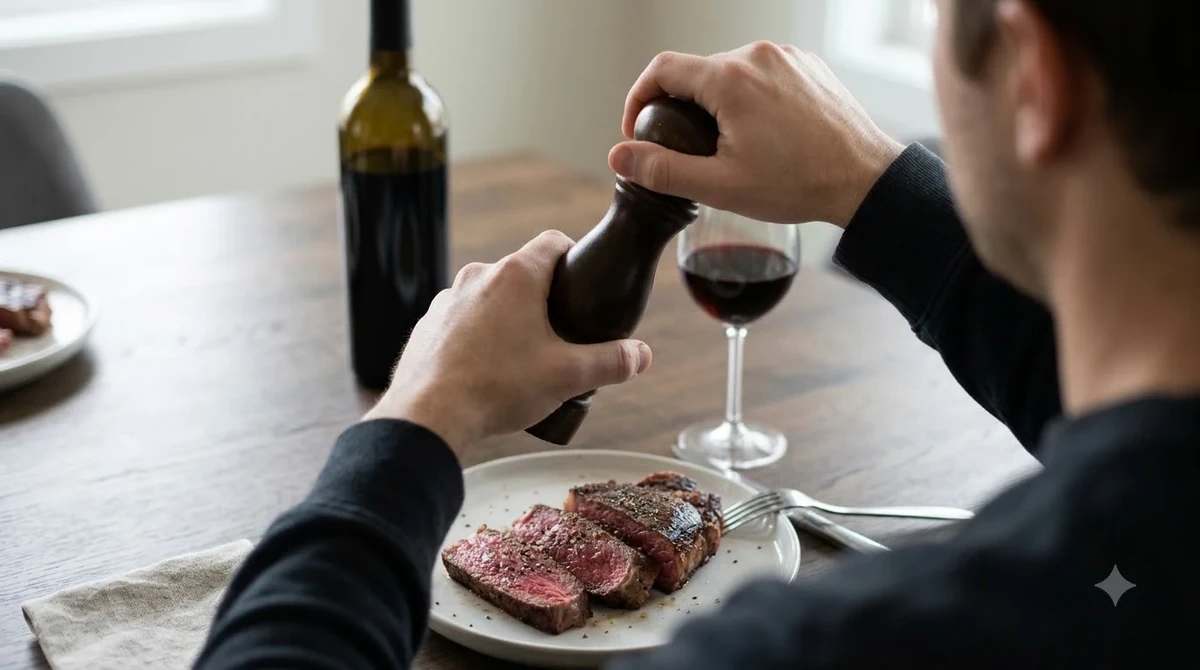
The winery suggests Sauvignon Blanc for holiday gatherings, and its fresh acidity makes it a practical match for seafood, salads and goat cheese. Its zesty flavors also work with light appetizers and fresh vegetables, where a fuller wine would feel heavy.
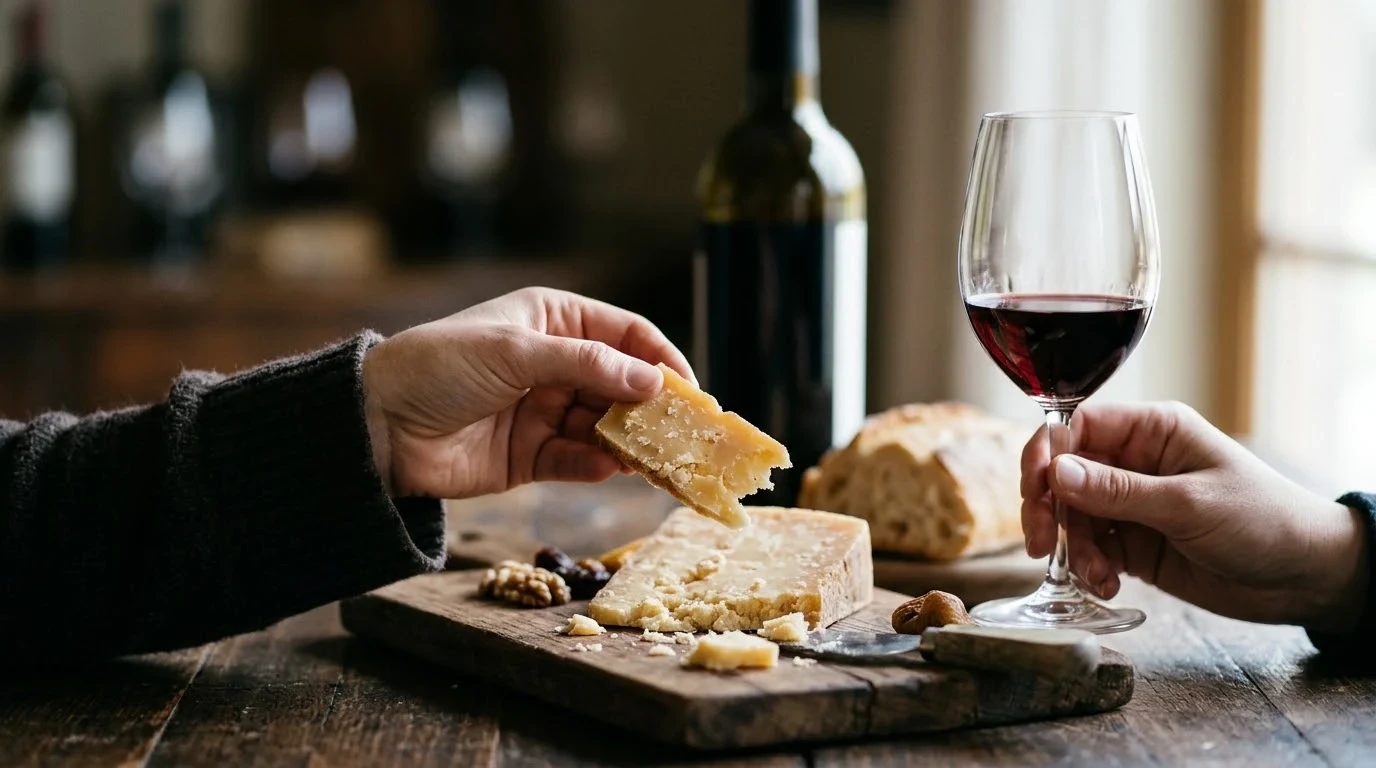
Pinot Gris pairs well with creamy blue cheese, where its ripe pear and gentle spice contrast with the richness of the cheese. Rosé suits pizza and casual dinners, and the brand’s recipe suggestions also include crispy skin fish and cheese-stuffed mushrooms, which show how well the lighter wines fit everyday cooking.
Who Villa Maria suits and who might skip it
Villa Maria suits drinkers who want approachable wines with clear fruit and a reliable house style. The Private Bin and Cellar Selection tiers are built for everyday meals, while the Reserve and Single Vineyard wines give more depth for dinners and gifts.
It may not suit shoppers who want a heavy, oak-driven red or a wine built for long aging in the cellar. For those styles, a producer focused on barrel-aged reds from another region may be a better choice. Villa Maria is a good match for the table rather than the cellar, and its style is easiest to appreciate with food. A good first step is to buy one bottle from each of two tiers and taste them side by side at the table.
Frequently Asked Questions
Where is Villa Maria based?
The business began in Auckland, New Zealand, and still lists Auckland as its home. Its vineyards and production bases are spread across Gisborne, Hawke’s Bay, Marlborough and Auckland, so the wines reflect several regions.
What is Villa Maria best known for?
The winery is widely known for its Sauvignon Blanc, which shows the fresh, zesty style of New Zealand’s Marlborough region. Its Pinot Gris, Chardonnay and Single Vineyard releases are also popular with shoppers who want to explore the range.
What do the Villa Maria tiers mean?
Private Bin wines are fruit-driven everyday bottles, Cellar Selection wines are food-friendly, and EarthGarden wines are organic. Reserve wines come from select fruit parcels, Single Vineyard wines reflect one site, and Icon wines are the top of the range.
Which food goes best with Villa Maria Sauvignon Blanc?
Its fresh acidity and zesty fruit pair well with seafood, salads, goat cheese and light appetizers. The winery also recommends it for holiday gatherings, where a crisp white suits a range of dishes.
If you are comparing New Zealand and other producers, the Pedernales wine guide and the Spottswoode wine guide offer other perspectives on well-known labels, while the Stella Rosa Red guide shows a very different style. For more background on how wine brands are organized, start with the wine brands overview. The winery’s own site is the best place to check the current range: Villa Maria’s official website, and the company’s history is summarized in the Villa Maria Estate article on Wikipedia.
More in Wine Brands
 Underwood Wine Price: Compare Bottles, Cans, and Pack SizesUpdated Nov 21, 2026
 Zenato Wine Price: Compare Styles and Choose the Right BottleUpdated Nov 21, 2026
 Zuccardi Wine Price: Compare Bottles and Find the Right RangeUpdated Nov 21, 2026
 Yellow Tail Moscato Review: Taste, Sweetness and Serving TipsUpdated Nov 21, 2026
 Wolf Blass Yellow Label Review: Choose Your Best StyleUpdated Nov 21, 2026
 Wolffer Estate Rose Review: Choose the Right Bottle for Your TableUpdated Nov 21, 2026