

We may earn a commission when you buy through links on this page, at no extra cost to you. Learn more.
There is no single “vermouth grape” because vermouth is an aromatized, fortified wine made from several neutral or aromatic base wine varieties rather than one dedicated cultivar. European producers most often rely on high-acid white grapes such as Trebbiano, Clairette Blanche, Piquepoul, Catarratto, Ugni Blanc, and Moscato, though modern winemakers also experiment with red and aromatic grapes. Under European Union regulations, at least 75 percent of the finished bottle must be wine, fortified with neutral spirit to an ABV between 16 and 22 percent and infused with wormwood and other botanicals.
Shoppers browsing the wine aisle often assume vermouth comes from a specific vine the way Chardonnay or Cabernet Sauvignon does. Understanding how base varieties shape texture, acidity, and sweetness makes it much easier to pick a bottle for sipping neat or mixing classic cocktails.
What Is the Vermouth Grape?
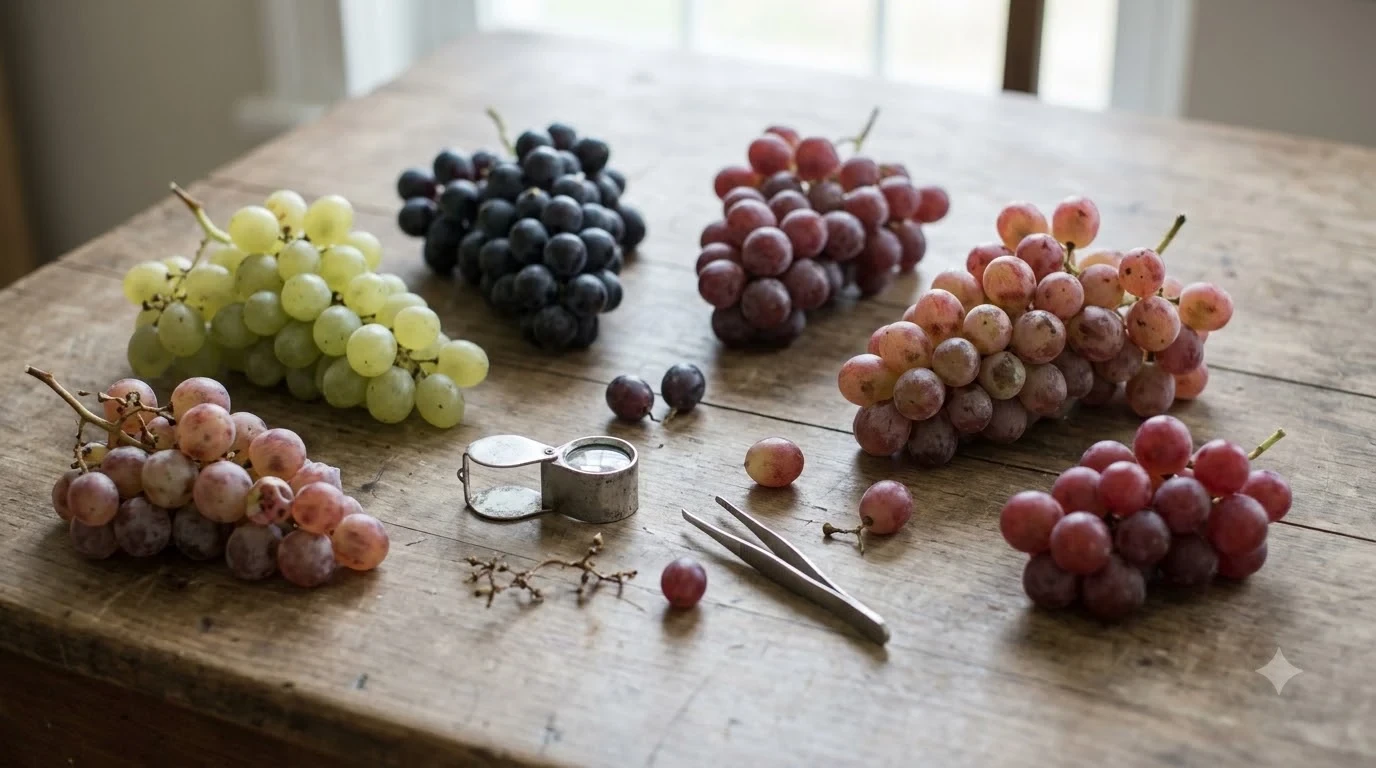
Strictly speaking, the phrase “vermouth grape” refers to the collection of wine varieties chosen to form the liquid foundation of aromatized wine. Instead of relying on one signature cultivar, producers blend neutral, crisp white wines—or occasionally fragrant red wines—to carry an intricate infusion of roots, bark, herbs, and spices.
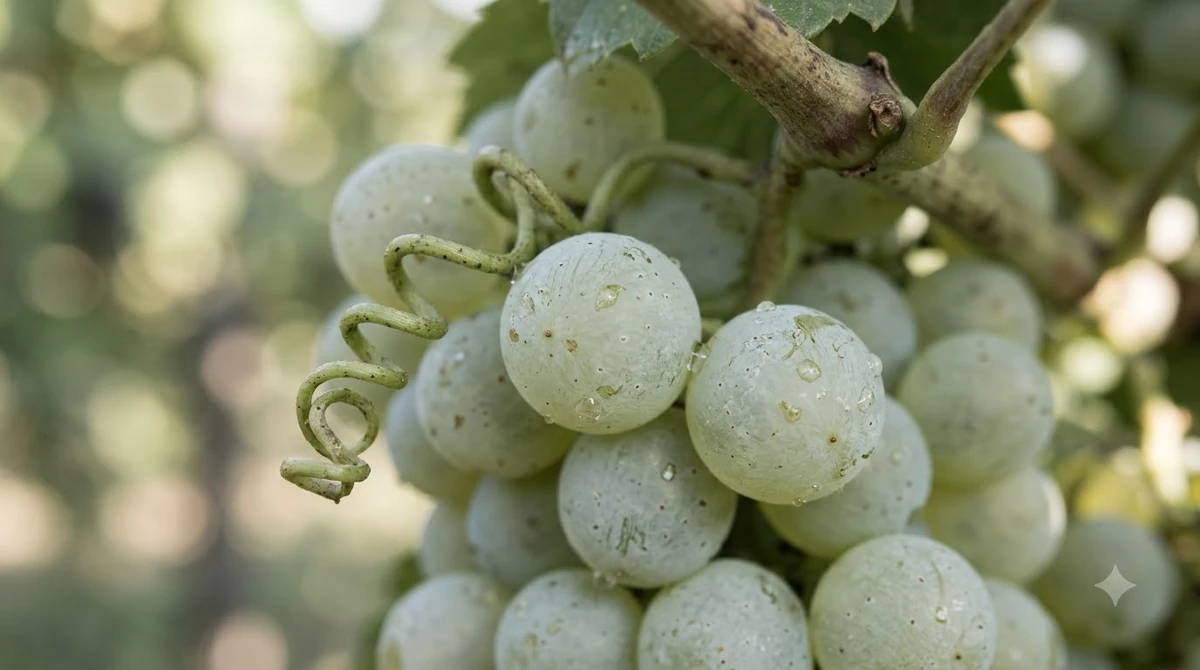
According to Decanter’s guide to vermouth, traditional European houses build their recipes on low-alcohol, neutral white wines or unfermented grape must made from varieties like Piquepoul, Clairette Blanche, Trebbiano, and Catarratto. These grapes share two crucial traits in the cellar: brisk natural acidity and understated fruit character. Because botanicals such as wormwood, gentian, bitter orange peel, and coriander take center stage, an overly oaky or heavily tannic base wine would clash with the herbal maceration.
Exceptions appear when a producer wants the grape itself to contribute floral lift or berry depth. In Italy’s Piedmont region, historic sweet vermouth recipes frequently incorporate Moscato d’Asti for its lifted aromatics and natural grapey perfume. Elsewhere, craft winemakers in France and the United States have bottled small-batch vermouths built on Pinot Noir, Nebbiolo, Sauvignon Blanc, and Chardonnay. If you are exploring how different varieties behave across the broader Wine by Type spectrum, vermouth sits at the intersection of winemaking and botanical distillation.
Flavor Profile and Main Styles
While the base grape sets the structural backbone of acidity and body, the botanical recipe and sweetness level determine which style ends up in your glass. Vermouth spans four primary categories—extra dry, dry, bianco, and sweet rosso—alongside niche amber and rosé bottlings.
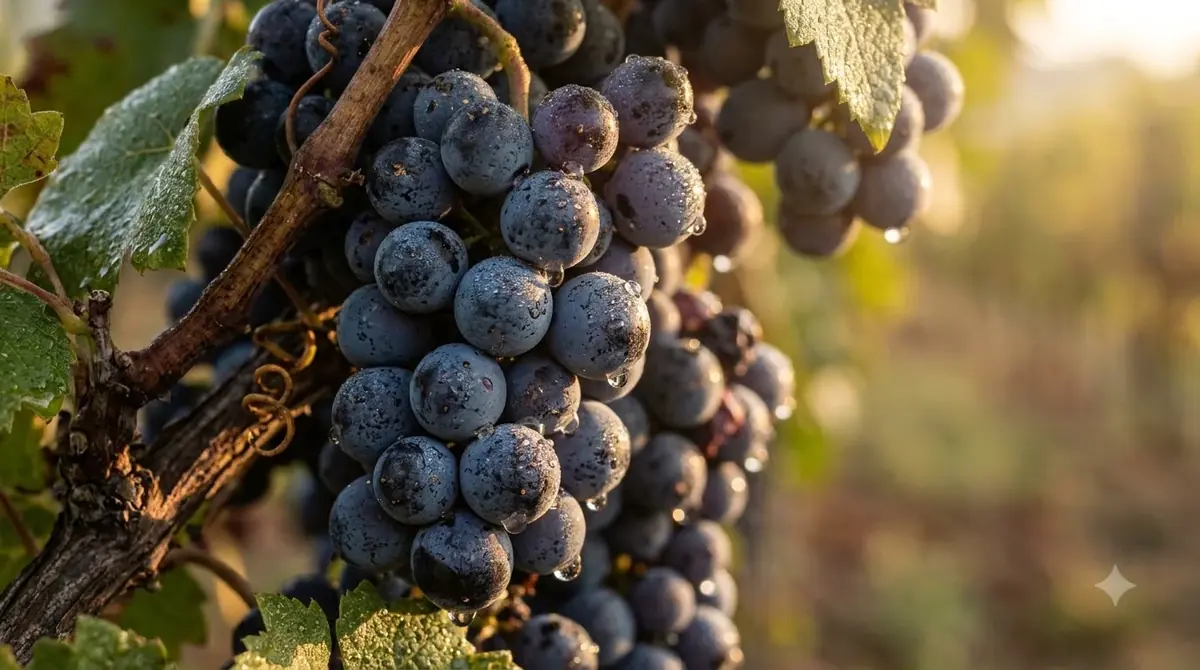
As GuildSomm notes, European Union standards classify vermouths strictly by residual sugar rather than grape color. Extra dry vermouth contains fewer than 30 grams of sugar per liter, while standard dry vermouth allows up to 50 grams per liter. Both styles showcase bright citrus peel, dried alpine herbs, subtle salinity, and a crisp, mouthwatering finish driven by high-acid white grapes like Ugni Blanc or Piquepoul.
Bianco—or blanc—vermouth occupies the semi-dry middle ground with 50 to 90 grams of sugar per liter. Pale straw in appearance, it balances gentle vanilla, elderflower, and stone-fruit sweetness against a bitter herbal core. Sweet red vermouth, known as rosso, must contain at least 130 grams of sugar per liter. Interestingly, most modern sweet red vermouths still start with white wine grapes; producers achieve the deep mahogany hue using caramelized sugar and dark botanical extracts rather than red grape skins.
| Vermouth Style | Common Base Grapes | EU Sugar Standard | Typical Flavor Notes |
|---|---|---|---|
| Extra Dry & Dry | Ugni Blanc, Clairette Blanche, Piquepoul | Under 30 g/L (Extra Dry); up to 50 g/L (Dry) | Lemon peel, dried thyme, white flowers, crisp salinity |
| Bianco / Blanc | Trebbiano, Grillo, Ansonica, Ugni Blanc | 50 to 90 g/L (Semi-dry) | Vanilla, pear, honeysuckle, gentle alpine bitterness |
| Sweet Rosso | Moscato, Trebbiano, Catarratto | Minimum 130 g/L | Bitter orange, cocoa, baking spice, dried cherry, wormwood |
| Rosé / Rosato | Red and white wine blends | Varies by producer (typically semi-sweet) | Wild strawberry, hibiscus, pink grapefruit, light herbs |
Where Vermouth Grapes Grow
Commercial vermouth production is concentrated in Italy, France, and Spain, with a growing wave of boutique producers across the United States and Australia. Each region draws on local vineyard workhorses that thrive in its climate and supply clean, affordable base wines.
In northern Italy’s Piedmont—the birthplace of modern commercial vermouth in Turin—producers blend fragrant local Moscato with neutral Trebbiano and Catarratto sourced from warmer southern regions like Puglia and Sicily. Vermouth di Torino enjoys protected geographical status, requiring at least 16 percent ABV (or 17 percent for Superiore bottlings) and mandating that wormwood be grown or harvested in Piedmont.
Across the border in France, two distinct traditions evolved around regional white grapes. Along the sunny Mediterranean coast of Languedoc, producers ferment high-yielding Piquepoul and Clairette Blanche, often aging the base wine outdoors in oak casks before fortification. Further north in the French Alps, the historic Chambéry appellation relies on crisp, neutral Ugni Blanc to highlight delicate mountain botanicals. In Spain, producers frequently turn to native Macabeo—known as Viura in Rioja—alongside airen grape vineyards in central Spain to build structured, citrus-driven vermut. Meanwhile, American winemakers in California, Oregon, and New York craft varietal-driven vermouths from Chardonnay, Sauvignon Blanc, Nebbiolo, and hybrid Cayuga White.
How to Serve Vermouth Properly
Treating vermouth like a shelf-stable spirit is the single fastest way to dull its delicate wine foundation. Because at least three-quarters of every bottle is wine, oxygen degrades its bright fruit and floral aromatics soon after the seal is broken.
Always refrigerate an opened bottle of vermouth immediately. Kept cold and tightly capped, dry and bianco vermouths stay vibrant for roughly three to four weeks, while sweeter rosso styles hold their richness slightly longer due to higher sugar content. If you drink vermouth slowly, look for 375-milliliter half-bottles so you finish each bottle while the base wine is still fresh.
For serving temperature, chill dry and bianco vermouths to refrigerator temperature—around 40 to 45 degrees Fahrenheit—before pouring them neat into a small wine glass or over large ice cubes with a twist of lemon peel. Sweet rosso vermouth shines slightly warmer, around 50 to 55 degrees Fahrenheit, served on the rocks with an expressed orange peel or topped with a splash of chilled club soda for a classic European aperitivo.
Tip: Store open vermouth upright in the refrigerator door and use a vacuum wine stopper to extend its fresh herbal aromatics up to a full month.
Food Pairing Ideas
Vermouth was originally created as an appetite-stimulating aperitif, and its combination of brisk wine acidity, gentle sweetness, and herbal bitterness makes it remarkably versatile at the table. Matching the weight and sugar level of the style to your menu prevents the botanicals from overwhelming delicate dishes.
Crisp dry vermouth pairs naturally with salty, briny snacks that echo its coastal white grape roots. Serve chilled dry vermouth alongside marinated green olives, Marcona almonds, anchovy toast, raw oysters, or aged sheep’s milk cheeses like Manchego. The high acidity cuts through rich fats while the herbal notes lift seafood flavors.
Bianco and rosé vermouths bridge the gap between savory starters and mildly spicy fare. Their stone-fruit and floral notes complement prosciutto-wrapped melon, goat cheese tarts, grilled shrimp, and mild Thai or Vietnamese appetizers. Sweet rosso vermouth, with its cocoa, bitter orange, and baking spice profile, stands up effortlessly to cured salumi, roasted nuts, blue cheese, and dark chocolate desserts. If you enjoy pairing aromatic, lightly sweet wines with dessert courses, you will find similar charm in a chilled brachetto grape bottling or a darkly fruited dornfelder grape wine.
How to Choose a Bottle
Because vermouth producers are rarely required to print the exact base grape variety or residual sugar on the front label, knowing a few label cues helps you select the right bottle with confidence. Start by matching the style to your intended use: pick Extra Dry or Dry for crisp Martinis and highballs, Bianco for spritzes and white Negronis, and Rosso for Manhattans, Negronis, or sipping over ice.
Next, check the origin and producer style on the back label. Bottles labeled Vermouth di Torino or Vermouth de Chambéry follow strict regional rules governing wine quality and botanical sourcing. If you prefer a brighter, wine-forward profile where the base grape shines through, look for craft winery bottlings that explicitly list varietal bases like Moscato, Pinot Noir, or Chardonnay on the label.
Frequently Asked Questions
Is there an actual grape variety called vermouth?
No, there is no single grape variety named vermouth. Vermouth is an aromatized, fortified wine crafted from neutral or aromatic wine grapes—most commonly white varieties like Trebbiano, Clairette Blanche, Piquepoul, Ugni Blanc, and Moscato—infused with wormwood and other botanicals.
Are red and white vermouths made from different grapes?
In most cases, both red and white vermouths are made from white wine grapes. While a few producers use red grapes like Pinot Noir or Nebbiolo, traditional sweet red vermouth gets its deep amber-red color from caramelized sugar and dark botanical extracts rather than red grape skins.
What is the alcohol content of vermouth?
Most commercial vermouths are fortified with neutral spirit to reach an alcohol by volume between 16 and 22 percent, with the majority of bottles falling between 16 and 18 percent ABV. That puts vermouth slightly stronger than standard table wine but much lighter than distilled spirits like gin or whiskey.
Does vermouth go bad if left out on the bar cart?
Yes, because vermouth is at least 75 percent wine, it oxidizes once opened and loses its fresh fruit and herbal balance within a few days at room temperature. Always store opened bottles in the refrigerator, where they will stay fresh for roughly three to four weeks.
Understanding that the vermouth grape is really a curated ensemble of crisp, high-acid wine varieties changes how you shop for and serve every bottle. Whether you prefer a bone-dry coastal French style or a richly spiced Italian rosso, keeping your bottle chilled ensures the underlying wine stays every bit as lively as the botanicals infused into it.
More in Wine Types & Grapes
 What Does Mourvèdre Taste Like? Flavor Profile, Regions, and PairingsUpdated Nov 20, 2026
 What Does Marsanne Taste Like? Flavors, Styles, and Food PairingsUpdated Nov 20, 2026
 What Does Malvasia Taste Like? Styles, Flavors, and Food PairingsUpdated Nov 20, 2026
 What Does Grenache Blanc Taste Like? Flavor Profile, Styles, and PairingsUpdated Nov 20, 2026
 What Does Garnacha Taste Like? Key Flavors, Styles, and Pairing TipsUpdated Nov 20, 2026
 What Does Fruit Wine Taste Like? A Complete Flavor and Style BreakdownUpdated Nov 20, 2026