

We may earn a commission when you buy through links on this page, at no extra cost to you. Learn more.
Valpolicella wine tasting centers on four distinct red wine styles crafted from indigenous Italian grapes—primarily Corvina, Corvinone, and Rondinella—ranging from bright, chillable everyday reds to rich, dried-grape Amarone and sweet Recioto. Located in the Veneto region just north of Verona, this historic denomination offers a progressive tasting flight where body, alcohol, and flavor concentration increase with each tier. By understanding how winemakers use the traditional appassimento drying method and second fermentations, tasters can easily navigate everything from tart cherry table wines to age-worthy cellar bottles.
Few wine regions in northern Italy reward a structured flight quite like Valpolicella. Rather than relying on single-varietal bottlings or dramatic differences in vineyard latitude to create variety, winemakers here use the exact same core blend of local red grapes to produce wildly different flavor profiles through cellar techniques alone.
Overview of Valpolicella
Set in the foothills of the Lessini Mountains between Verona and Lake Garda, Valpolicella is one of Italy’s most historically significant red wine territories, translating loosely from Latin and ancient Greek as the “valley of many cellars.”
While the region produces approachable, fruit-driven red wines meant for immediate enjoyment, it gained international acclaim for its specialized production methods. According to VinePair’s guide to Valpolicella wines, winemaking here dates back to ancient Roman and Greek eras, evolving over centuries to take advantage of cool alpine breezes and sun-drenched hillside slopes. The vineyards sit on a mix of calcareous limestone, clay, and volcanic basalt soils, with hillsides climbing over 1,300 feet above sea level while flatter plains stretch southward toward the Adige River.
Walking through the valleys, visitors notice vines trained in the traditional Veronese pergola system alongside more modern Guyot rows. The high pergola canopy shades the grape clusters from harsh summer sun while allowing airflow to prevent humidity buildup—a vital factor for grapes destined for post-harvest drying. Whether you are exploring European Wine Regions from your dining table or planning a cellar tour in northern Italy, Valpolicella stands out for offering a complete spectrum of red wine weights from a single geographic zone.
Sub-Regions and Production Zones
Valpolicella is divided into three main geographical zones—Classico, Valpantena, and the extended eastern valleys—each shaping the freshness, structure, and concentration of the wines in your glass.
The historic heartland is Valpolicella Classico, located in the northwestern hills encompassing the communes of Fumane, Marano, Negrar, San Pietro in Cariano, and Sant’Ambrogio. Because these hillside vineyards benefit from superior drainage, limestone-rich soils, and pronounced diurnal temperature swings, Classico bottlings often exhibit heightened aromatic precision, crisp acidity, and structured tannins. When you see “Classico” on a label, it denotes this original, traditional territory rather than a specific sweetness or aging tier.
Directly east of the Classico zone lies Valpantena, a narrow valley running north to south that funnels cool air down from the mountains. Wines labeled Valpantena frequently show vibrant floral notes, lively spice, and bright red fruit lifted by brisk natural acidity. Further east toward the Soave border lies the broader Valpolicella DOC zone, where fertile alluvial plains and rolling hills produce generous yields, yielding softer, fruit-forward styles alongside ambitious single-estate bottlings from eastern valleys like Illasi.
Key Grapes and the Four Wine Styles
Every authentic Valpolicella wine relies on a regulated blend of native Veronese red grapes, which winemakers transform into four distinct tiers ranging from light and tart to opulent and sweet.
By appellation law, Valpolicella blends must contain between 45 and 95 percent Corvina, the backbone grape prized for its vibrant sour cherry fruit, herbal lift, and low tannins. Corvinone—a distinct variety despite its name—can substitute for up to half of the Corvina portion, adding deeper color, plush texture, and spicy morello cherry aromatics. Rondinella makes up 5 to 30 percent of the blend, contributing delicate floral scents and resilience in the vineyard, while minor native grapes like Molinara and Oseleta occasionally appear for extra acidity or color.
From this single grape foundation, producers craft four progressive styles, often described by educators at Wine Folly as a quality and intensity pyramid:
- Valpolicella DOC (and Classico/Superiore): The entry-level style is fermented cleanly to preserve pure, crunchy red cherry, cranberry, and subtle bitter almond notes. If labeled Superiore, the wine undergoes at least one year of aging and reaches a minimum of 12 percent ABV, gaining roundness and gentle baking spice.
- Valpolicella Ripasso DOC: Often called “baby Amarone,” Ripasso is made by re-fermenting finished base Valpolicella over the warm, unpressed grape skins left behind after Amarone or Recioto fermentation. This second maceration extracts additional color, tannins, alcohol, and dried fruit complexity.
- Amarone della Valpolicella DOCG: The region’s flagship dry red is produced via appassimento, where harvested grapes dry in ventilated lofts for months, losing water weight and concentrating sugars and aromatics. Fully fermented to dryness and aged for a minimum of two years in wood, Amarone delivers intense flavors of black cherry liqueur, dark chocolate, fig, and sweet spice.
- Recioto della Valpolicella DOCG: The ancient ancestor of Amarone uses the same dried grapes, but fermentation is halted early before all sugars convert to alcohol, resulting in a velvety, sweet red wine bursting with raisin, blackberry jam, and cocoa notes.
| Wine Style | Production Method | Body & Sweetness | Key Tasting Notes |
|---|---|---|---|
| Valpolicella DOC / Classico | Standard fermentation of fresh grapes | Light-bodied, dry | Tart red cherry, rose petal, green peppercorn, bitter almond |
| Valpolicella Ripasso DOC | Refermented on leftover Amarone/Recioto skins | Medium- to full-bodied, dry | Stewed cherry, plum, black pepper, clove, dried herbs |
| Amarone della Valpolicella DOCG | Appassimento grape drying; fermented dry; 2+ yrs aging | Full-bodied, dry (rich fruit) | Black cherry, fig, dark chocolate, cinnamon, leather |
| Recioto della Valpolicella DOCG | Appassimento grape drying; fermentation stopped early | Full-bodied, sweet | Raisin, dried cherry, blackberry compote, sweet baking spice |
Notable Producers to Know
While dozens of family estates and historic cooperatives shape the valleys north of Verona, several benchmark wineries illustrate the full range of traditional and modern Valpolicella styles.
In the Classico heartland, historic names like Allegrini and Masi have long defined regional standards, with Masi particularly recognized for pioneering modern Ripasso techniques and single-vineyard Amarone bottlings. Buglioni and Zýmē bring contemporary energy to the Classico zone—Zýmē operating out of a converted fifteenth-century sandstone quarry—while Accordini Stefano crafts high-elevation expressions from hillside plots. Historic villa estates such as Tenuta Santa Maria (at Villa Mosconi Bertani) and Villa della Torre connect centuries-old architectural heritage directly to estate viticulture.
Further east in the Illasi valley, Romano Dal Forno stands as one of Italy’s most revered artisanal producers, renowned for extraordinarily dense, small-production Amarone and Superiore wines built for decades of cellaring. Meanwhile, historic cooperatives like Cantina Valpolicella Negrar and Cantina Valpantena Verona, alongside major family houses such as Pasqua Vigneti e Cantine, play crucial roles in maintaining consistent quality across every tier of the appellation.
How to Serve and Taste a Valpolicella Flight
Tasting Valpolicella wines in order from lightest to heaviest prevents high alcohol and dried-fruit richness from overwhelming the delicate aromatics of fresh-grape bottlings.
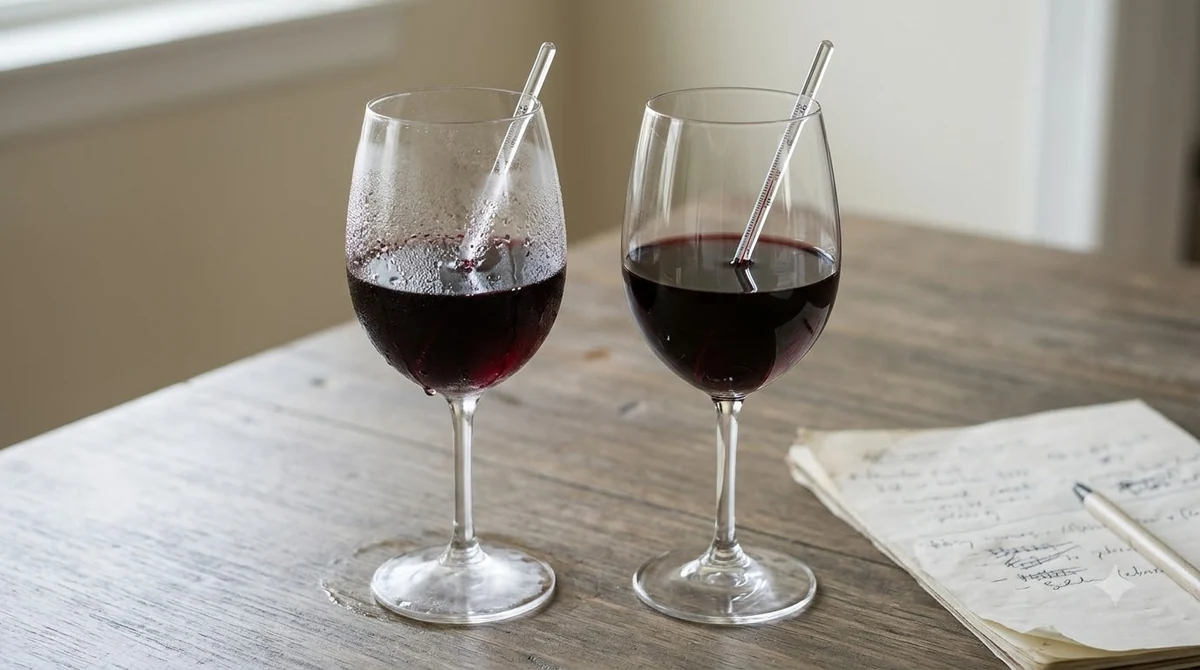
When organizing a tasting at home, arrange your bottles strictly by style: start with a young Valpolicella Classico, move to a Classico Superiore, pour a Ripasso third, finish dry wines with an Amarone, and serve Recioto last if included. Because Valpolicella relies heavily on aroma, use a standard universal or large-bowled Bordeaux glass to give the wines room to open up. Young Valpolicella benefits from a slight chill—around 55°F to 60°F—which accentuates its snappy cherry acidity and herbal freshness, much like a fine bottle from a beaune wine tasting flight or delicate Pinot Noir.
Ripasso and Amarone show best slightly warmer, closer to 60°F to 65°F, so the alcohol stays integrated without muting the complex spice and dried fruit notes. Give Amarone at least 30 to 60 minutes in a decanter before pouring to soften its firm tannins and release layered notes of cocoa, tobacco, and roasted fig. On the table, pair fresh Valpolicella with Margherita pizza, salumi, or roast chicken; match Ripasso with mushroom risotto or meat ragù; and reserve Amarone for braised beef, venison, or aged Parmigiano-Reggiano.
Tip: When pouring an educational flight, chill your entry-level Valpolicella Classico in the fridge for 25 minutes before serving, while keeping Ripasso and Amarone at cool cellar temperature so each tier shows its true structural contrast.
Visiting Tips for Valpolicella Wineries
Located just 15 to 20 minutes northwest of Verona’s historic center, Valpolicella is compact enough for an effortless day trip yet rich enough in culinary and architectural stops to fill several days.
Because most family-run estates operate on small teams, booking appointments at least a week or two ahead is essential, especially during the busy spring and autumn harvest seasons. Visiting between late September and December offers a rare behind-the-scenes look inside the fruttaio drying lofts, where freshly picked bunches rest on bamboo racks or plastic crates as they slowly dehydrate for Amarone and Recioto. If you prefer exploring regions on foot or by bike, the rolling lanes connecting villages like Fumane, Negrar, and Gargagnago feature marked walking trails bordered by dry-stone marogne walls and olive groves.
Plan your itinerary around long, leisurely lunches at local trattorias and wine bars—such as Enoteca della Valpolicella in Fumane or winery-run osterias—where regional dishes like risotto all’Amarone are cooked directly with the local reds. Much like organizing a burgundy wine tasting itinerary or exploring heritage cellars during a georgia wine tasting trip, limiting yourself to two or three estate visits per day leaves ample time to walk the pergola vineyards and taste through multiple vintages without palate fatigue.
Frequently Asked Questions
Is Amarone della Valpolicella a sweet wine?
No, Amarone della Valpolicella is fermented completely dry, even though its intense dried cherry, fig, and chocolate aromas can give an impression of sweetness on the palate. If you want the genuinely sweet dried-grape wine from the same region, look for Recioto della Valpolicella on the label instead.
What is the difference between Valpolicella Classico and Valpolicella Ripasso?
Valpolicella Classico refers to wine grown in the historic western hillside zone and is typically light-bodied, fresh, and fruit-forward. Valpolicella Ripasso undergoes a second fermentation over leftover Amarone or Recioto grape skins, giving it fuller body, deeper color, higher alcohol, and richer dried-fruit and spice flavors.
Do I need to decant Valpolicella wines before tasting?
Standard Valpolicella and Valpolicella Classico do not require decanting and are best enjoyed fresh right after opening. However, structured Valpolicella Ripasso benefits from about 30 minutes of air, while full-bodied Amarone della Valpolicella should be decanted for 30 to 60 minutes to soften tannins and release complex aromatics.
How long can you age Valpolicella wines?
Entry-level Valpolicella DOC is crafted for immediate drinking within one to three years of the vintage date to enjoy its vibrant cherry fruit. Well-made Ripasso wines generally drink well for five to eight years, while top Amarone and Recioto bottlings can evolve gracefully in a cool cellar for 10 to 20 years or more.
Exploring Valpolicella through a side-by-side tasting reveals how dramatic winemaking choices can transform a single trio of native Italian grapes. Whether you uncork a lightly chilled Classico for a weeknight pasta dinner or decant an aged Amarone for a celebratory roast, each glass captures a distinct expression of Verona’s hillside terroir.
More in Wine Regions
 Willcox Wine Trail: Discover Arizona’s High-Elevation Wine CountryUpdated Nov 20, 2026
 Yakima Valley Wine Region: Find the Best Styles to TryUpdated Nov 20, 2026
 Vosne Romanee Wine Tasting: Identify Aromas and Choose Better PairingsUpdated Nov 20, 2026
 Yakima Valley Wine Festival: Find the Best Seasonal Wine EventsUpdated Nov 20, 2026
 Wales Vineyards: Discover Cool-Climate Wines and Where to VisitUpdated Nov 20, 2026
 Yountville Wine Festival: Discover Napa Wines and Local FoodUpdated Nov 20, 2026