

We may earn a commission when you buy through links on this page, at no extra cost to you. Learn more.
Valpolicella food pairing works best with Italian dishes such as tomato-based pasta, pizza, roasted chicken, cured meats, and medium-aged cheeses. The wine’s fresh acidity, bright cherry flavors, and generally moderate tannins make it particularly versatile at the dinner table. Choose lighter Valpolicella Classico for everyday meals, richer Ripasso for substantial meat dishes, and Amarone for concentrated, slow-cooked recipes.
Valpolicella comes from Veneto in northeastern Italy, where the red wines are made primarily from native grapes such as Corvina, Corvinone, and Rondinella. Although the region is famous for powerful Amarone, its everyday Valpolicella wines offer a different experience: freshness, lively acidity, red fruit, and an approachable structure that works with many foods. Understanding the differences between the principal styles makes it easier to choose a bottle for everything from a simple pizza night to a traditional Italian Sunday dinner.
Understanding Valpolicella Styles Before Choosing Food
The most useful starting point for food pairing is identifying which Valpolicella style is in the glass. Standard Valpolicella is light and fresh, Ripasso has additional richness and structure, and Amarone is more concentrated and powerful.
All three dry styles come from the same general appellation, but their different production methods create noticeably different dining experiences. The principal grapes include Corvina, Corvinone, and Rondinella. Corvina contributes recognizable cherry character and freshness, while the other varieties help shape the blend’s fruit, color, and structure.
Valpolicella DOC is generally the most approachable option. It has a ruby-red color, lively acidity, fresh cherry flavors, and relatively gentle tannins. Its moderate structure makes it suitable for dishes that do not need a powerful red wine, including tomato pasta, grilled chicken, antipasti, and pizza.
Valpolicella Classico comes from the historic production area within Valpolicella. The name identifies its geographical origin rather than a separate winemaking method. These wines are frequently fresh and fruit-focused, making them useful choices for casual meals and mixed menus.
Valpolicella Superiore generally offers greater concentration and more development than a basic Valpolicella. According to Decanter, Classico Superiore wines must undergo at least 12 months of aging before release. Their additional structure makes them more suitable for roasted meats, richer pasta sauces, and medium-seasoned cheeses.
Valpolicella Ripasso is produced by refermenting a base Valpolicella wine on the grape pomace left after Amarone or Recioto production. This process adds body, phenolic material, and alcohol. Ripasso typically shows darker cherry, spice, and a rounder texture, making it a natural partner for braised meat, sausage, mushroom dishes, and aged cheese. The Valpolicella consortium’s Ripasso description and pairing recommendations provide further details about this production method and its traditional food matches.
Amarone della Valpolicella is made from grapes that have been dried before fermentation. The resulting wine is concentrated, full-bodied, and often relatively high in alcohol. It is better suited to substantial dishes such as braised beef, game, and rich meat sauces than delicate appetizers.
Recioto is another important regional style, but it is sweet rather than dry. Its sweetness and acidity make it suitable for chocolate, desserts, and selected cheeses. It should be treated differently from the dry reds when planning a meal.
| Wine style | Typical character | Best food matches |
|---|---|---|
| Valpolicella DOC | Light to medium-bodied, fresh cherry, lively acidity | Pizza, tomato pasta, chicken, antipasti |
| Valpolicella Classico | Fresh, fruity, balanced | Salumi, seafood, vegetables, soft cheese |
| Valpolicella Superiore | More developed, structured, concentrated | Roast pork, red meat, risotto, mature cheese |
| Valpolicella Ripasso | Medium-bodied, spicy, richer cherry fruit | Sausage, braised beef, game, mushrooms |
| Amarone | Full-bodied, concentrated, powerful | Beef braises, game, rich stews, aged cheese |
| Recioto | Sweet, concentrated, fruity | Chocolate, tiramisu, blue cheese, dried fruit |
For an everyday meal, standard Valpolicella is usually the easiest starting point. Move toward Ripasso when the recipe includes richer meat or a more substantial sauce, and choose Amarone when the food has the intensity to match its concentration. Recioto belongs with the dessert course rather than the main meal.
Pizza, Pasta, and Risotto Are Natural Matches
Pizza, pasta, and risotto are among the most reliable companions for Valpolicella because their savory ingredients complement the wine’s cherry fruit and freshness. Standard Valpolicella is particularly effective with tomato sauces, while Ripasso can handle richer meat-based recipes.
Tomato-based pasta is an especially straightforward match. The acidity in tomatoes can make a low-acid wine taste flat, but Valpolicella’s freshness helps maintain balance. Try a basic marinara, spaghetti with tomato and basil, or penne arrabbiata prepared with moderate chili. The fruit in the wine provides a pleasant contrast to the savory tomato sauce.
For meat sauces, try tagliatelle al ragù or lasagna with beef and pork. Standard Valpolicella works with lighter versions of these dishes, while Ripasso is a better choice for recipes that simmer for several hours and develop deeper flavors. The extra body of Ripasso provides enough weight without requiring the intensity of Amarone.
Pizza is another dependable option. A traditional Margherita, with tomato, mozzarella, and basil, works particularly well with fresh Valpolicella. The wine’s acidity balances the tomato, while its fruit complements the cheese. Pepperoni pizza is also a good match, especially with a slightly richer Classico or Superiore.
For pizzas with sausage, roasted mushrooms, or generous amounts of meat, consider Valpolicella Ripasso. Its fuller texture and spicy character work better with the additional richness. Avoid making the pizza excessively hot with chili oil, since the alcohol and tannins in red wine can intensify the sensation of heat.
Risotto deserves special attention. Veneto has a long tradition of rice dishes, and Valpolicella offers several useful combinations. A mushroom risotto can accompany Classico Superiore or Ripasso, depending on how rich the preparation is. A simple vegetable risotto may need only a fresh standard Valpolicella.
Traditional risotto all’Amarone is another regional possibility. Its deep wine character makes a richer Valpolicella style appropriate, although using a wine with sufficient acidity helps keep the dish from feeling excessively heavy. The pairing is particularly effective when the risotto is finished with butter and aged cheese.
Spaghetti al limone is a surprisingly successful match for Valpolicella Classico. Lemon introduces acidity and fragrance, while the wine contributes red fruit and savory complexity. This is a useful reminder that a light red does not need to be limited to tomato sauces. Decanter also identifies antipasti, pizza, and traditional Venetian calves’ liver as suitable partners for this style.
For more ideas involving Italian reds and pasta, the barbera food pairing article provides another useful comparison. Barbera’s particularly high acidity makes it an interesting alternative for tomato-heavy meals.
Roasted Meats, Poultry, and Hearty Main Courses
Valpolicella works especially well with roasted and grilled meats, but the ideal style depends on the preparation. Standard Valpolicella suits lighter poultry dishes, while Ripasso and Amarone are better choices for richer cuts, slow cooking, and deeply flavored sauces.
Roast chicken is one of the easiest meat pairings for standard Valpolicella. The wine’s moderate tannins will not overwhelm the relatively delicate meat, and its cherry flavors complement herbs such as rosemary and thyme. A whole roasted chicken with garlic, olive oil, and potatoes is a particularly dependable combination.
For grilled chicken, a Classico with a slight chill can be refreshing. If the chicken is served with mushrooms, roasted onions, or a rich pan sauce, move toward Superiore or Ripasso. The stronger wine has enough flavor to remain present alongside the additional ingredients.
Pork is another excellent match. Roasted pork loin, grilled pork chops, and pork tenderloin with rosemary all work with standard Valpolicella or Superiore. Pork’s mild flavor allows the wine’s fruit and acidity to remain noticeable without creating an overly heavy combination.
For pork belly, slow-roasted shoulder, or pork with caramelized onions, choose Ripasso. Its fuller body handles the richness, while its fruit provides contrast to savory and slightly sweet elements. Medium-aged cheeses served alongside the meat can make the combination even more satisfying.
Beef offers several possibilities. A simple grilled steak is usually better with Superiore or Ripasso than with a very light basic Valpolicella. A moderately marbled cut provides enough fat to soften the wine’s tannins, while a charred crust contributes savory flavors that complement the wine’s fruit.
For slow-cooked beef, consider Amarone. Traditional brasato all’Amarone is a regional dish in which beef is braised with Amarone wine. The concentrated sauce, tender meat, and wine’s dried-fruit character create a naturally cohesive pairing. A full-bodied Ripasso can also work when the preparation is somewhat lighter.
Duck is an excellent choice for standard Valpolicella and Classico. Cherry flavors are a natural companion to duck, particularly when the meat is roasted or served with a restrained fruit sauce. Smoked duck is another possibility, as is smoked chicken.
Game dishes generally benefit from more substantial wine. Venison, wild boar, and richly seasoned game stews are better suited to Ripasso or Amarone than to a very light Classico. Their savory flavors and substantial textures can accommodate the greater concentration.
Italian-style meat dishes offer particularly reliable options. Try polpette in tomato sauce with standard Valpolicella, grilled sausages with Ripasso, or braised beef with Amarone. These combinations allow the wine’s weight to correspond to the richness of the food.
Tip: Match the wine to the sauce and cooking method, not just the meat. Roast chicken with lemon needs a lighter wine than chicken braised with mushrooms and cream, while grilled pork chops need less concentration than slow-cooked pork shoulder.
Remember that salt and fat soften the perception of tannin. This is one reason richer meat dishes work well with Ripasso and Amarone. However, excessive chili heat can make alcoholic red wines feel hotter, so keep spicy seasonings moderate when serving these styles.
Cheese, Cured Meats, and Traditional Antipasti
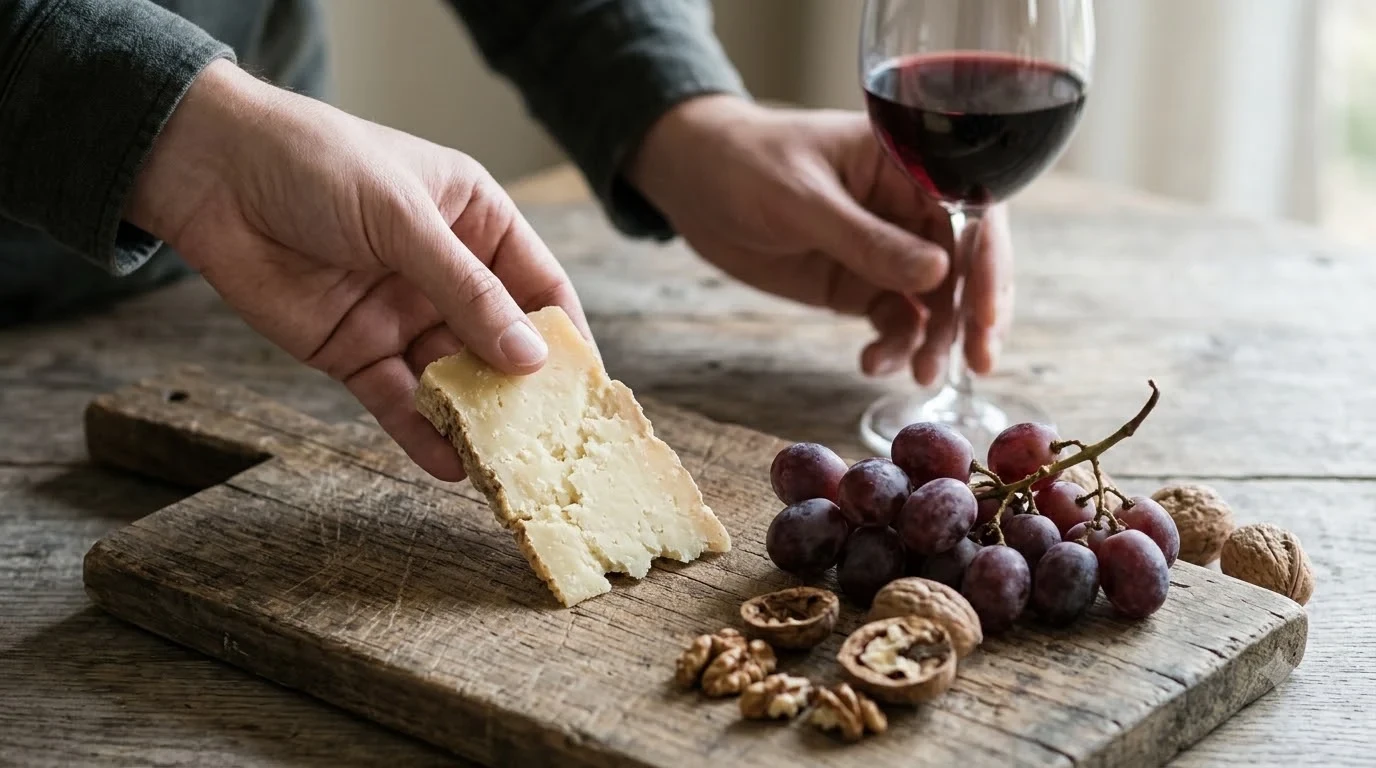
Valpolicella is a natural choice for Italian appetizers because its acidity and fruit provide contrast to salty cured meats, savory snacks, and creamy cheeses. Standard Classico is generally the most flexible option, while Ripasso suits more substantial boards with aged cheeses and richer meats.
Start with an antipasti selection of prosciutto, salami, olives, grilled peppers, and bread. The salt in cured meat softens the perception of tannin, while the wine’s acidity refreshes the palate. Standard Valpolicella is particularly effective because it does not overwhelm the delicate flavors of the appetizers.
Salami is especially useful with Ripasso. Its additional structure can stand up to seasoned pork products, while its cherry and spice character complements fennel, black pepper, and other common salami seasonings. A plate of mixed cold cuts is an easy option when serving several guests.
For cheese, begin with fresh and medium-aged varieties. Mozzarella and burrata are excellent with Classico, as their creamy textures contrast with the wine’s acidity. These cheeses also have relatively mild flavors, allowing the wine to remain prominent.
Monte Veronese is a regional cheese worth considering. Younger versions can accompany standard Valpolicella, while more mature versions are better suited to Superiore or Ripasso. The stronger cheese flavors can match the greater concentration of these wines.
Parmigiano-Reggiano is another useful option, particularly when it has been aged long enough to develop pronounced savory and nutty characteristics. Serve it with Ripasso, especially if the rest of the board includes cured meat or roasted nuts.
Hard cheeses are generally easier matches than extremely delicate fresh cheeses when serving a powerful Amarone. The concentration of Amarone can overpower mild mozzarella, but an aged cheese provides enough intensity to remain interesting alongside it.
Blue cheese needs a little more consideration. With a dry Valpolicella, a mild blue cheese can work in a small portion, especially when served with bread or dried fruit. However, a sweet Recioto is usually the more reliable choice for strongly flavored blue cheese because sweetness balances saltiness and intensity.
When preparing a cheese board, avoid making every selection equally powerful. A combination of mozzarella, medium-aged hard cheese, prosciutto, and mild salami gives guests several different flavor combinations. Offer Ripasso if the board emphasizes aged cheese and meat, or standard Valpolicella if the selection is lighter.
For a broader comparison of Italian wine and cheese combinations, see the Wine Pairing resource. It is useful for understanding how salt, fat, acidity, and texture influence the success of a match.
Vegetables, Mushrooms, and Seafood Pairings
Although Valpolicella is a red wine, its lighter styles can work with a surprising range of vegetable and seafood dishes. Fresh Classico is generally the safest choice, especially when the food includes herbs, olive oil, mushrooms, or moderate seasoning.
Mushrooms are among the strongest vegetable partners. Their earthy, savory character complements the fruit and subtle herbal notes in Valpolicella. Try grilled portobello mushrooms, mushroom risotto, roasted mushrooms with garlic, or pasta with porcini.
For simple grilled vegetables, standard Valpolicella works well with eggplant, zucchini, peppers, and onions. Olive oil helps provide a richer texture, while herbs such as oregano and rosemary connect the flavors to the wine’s savory character.
Grilled eggplant is especially useful because its soft texture and slightly smoky flavor work with the wine’s fresh red fruit. Eggplant parmigiana, with tomato sauce and mozzarella, is another strong option. A basic Valpolicella or Classico is usually sufficient, while Ripasso suits a particularly rich preparation.
Artichokes can be challenging with many wines because their distinctive compounds can change the perception of sweetness and bitterness. Nevertheless, grilled artichokes are a successful possibility with Valpolicella Classico. Preparation matters: grilling and olive oil provide savory flavors that help create a more balanced combination.
Roasted squash, lentils, and bean dishes can also work, particularly when served with garlic, herbs, and moderate seasoning. A light Valpolicella can accompany lentil soup or white beans with rosemary. A richer preparation with sausage may call for Ripasso instead.
Seafood requires more care, but lighter Valpolicella is not automatically excluded. Valpolicella Classico can work with fish and even sushi when the wine is light and the preparation is restrained. This is most convincing when the fish is prepared simply and the wine has modest tannin and fresh acidity.
Try a light Classico with grilled salmon served without a heavy sweet glaze, tuna dishes, or simply prepared firm white fish. Keep sauces restrained and avoid strong smoky flavors that can dominate the wine. A chilled red with fresh acidity may be more appropriate than a powerful Ripasso.
Sushi can also be an interesting option with a youthful Valpolicella. Choose simpler preparations such as tuna or salmon nigiri rather than heavily sauced rolls. Avoid very sweet sauces and large amounts of wasabi, which can make the wine’s alcohol feel more pronounced.
There are important limits. Oily fish can clash with tannic reds, so avoid pairing rich, oily seafood with Amarone or a heavily structured Ripasso. Delicate shellfish, such as oysters and plain shrimp, are usually better with crisp white wines.
For a seafood-centered dinner, consider albarino food pairing as an alternative. Albariño’s high acidity and fresh citrus character generally make it more versatile for shellfish and delicate fish dishes.
Serving Temperature, Glassware, and Meal Planning
Serving temperature can make a noticeable difference to Valpolicella because its freshness and fruit are important parts of its appeal. A slight chill is particularly helpful for lighter Classico, while Ripasso and Amarone benefit from a somewhat warmer serving temperature.
For standard Valpolicella, aim for approximately 55-60 degrees Fahrenheit. This is cooler than typical room temperature in many American homes. Chilling the bottle briefly before serving helps preserve the wine’s freshness and makes it particularly pleasant alongside pizza, antipasti, and lighter pasta.
For Superiore and Ripasso, a range of 60-65 degrees Fahrenheit is a useful general target. Cantine Campagnola recommends 17-18 degrees Celsius for its featured Ripasso, approximately 63-64 degrees Fahrenheit. At this temperature, the wine can show its cherry fruit, spice, and fuller texture without feeling excessively warm.
Amarone can also be served around 60-65 degrees Fahrenheit. Avoid serving it too warm, since excessive heat can make its alcohol more noticeable and reduce the impression of freshness.
Use a standard red wine glass with enough room for the wine to release its aromas. You do not need specialized glassware for every Valpolicella style. A medium-sized bowl is suitable for Classico, while a larger bowl can help richer Ripasso and Amarone express their aromas.
Decanting depends on the wine’s age and structure. Young, concentrated red wines may benefit from 30-60 minutes of aeration, especially if they are full-bodied Amarone. Most youthful standard Valpolicella can be opened and served without decanting.
Meal planning becomes easier when the wine is selected before the menu is finalized. A fresh Classico can cover the first course, antipasti, and a lighter main dish. Ripasso is more appropriate when the central course is roast meat, mushroom risotto, or a substantial pasta preparation.
Here are three practical menu combinations:
- Casual Italian dinner: Valpolicella Classico with bruschetta, Margherita pizza, and a simple green salad.
- Traditional Sunday meal: Valpolicella Ripasso with salami, mushroom risotto, roasted pork, and medium-aged cheese.
- Special occasion: Amarone with a small antipasti selection, braised beef, polenta, and aged Parmigiano-Reggiano.
If serving several wine styles during one meal, move from lighter to fuller wines. Start with standard Valpolicella, continue with Ripasso, and reserve Amarone for the main course. Sweet Recioto can finish the meal alongside chocolate or dessert.
For a dessert pairing, the wine must be at least as sweet as the food. Dry Valpolicella should not be expected to work with a very sweet dessert, because the sugar can make the wine taste sour or harsh. Recioto is the more appropriate regional choice for this part of the menu.
Frequently Asked Questions
Does Valpolicella need to be decanted?
Most young Valpolicella DOC wines can be poured immediately after opening. Older Superiore wines may benefit from careful decanting if sediment has developed. A young Amarone can benefit from 30-60 minutes of aeration, depending on its concentration and structure.
Is Valpolicella similar to Chianti?
Both are Italian red wines that can work with tomato-based dishes, but they come from different regions and use different principal grape varieties. Valpolicella is based on Corvina and related local grapes from Veneto, while Chianti is primarily associated with Sangiovese from Tuscany. Their acidity, tannin, and fruit profiles vary by producer and wine style.
Can Valpolicella be used for cooking?
Yes. Standard Valpolicella can be used in tomato-based sauces, meat ragù, and some braised preparations. Amarone is traditionally associated with brasato all’Amarone, a beef dish cooked with the wine itself. Use a dry wine that tastes balanced rather than one with obvious faults or excessive bitterness.
How long can an opened Valpolicella bottle be kept?
An opened bottle of still Valpolicella generally keeps for approximately 3-5 days in the refrigerator when properly resealed. Oxygen gradually changes its fruit and aroma, so the wine is usually best during the first few days. Allow a refrigerated bottle to warm slightly before serving it again.
What is the difference between Ripasso and Amarone in the vineyard?
The distinction involves the treatment of the grapes after harvesting. Amarone is produced from grapes that are dried before fermentation, concentrating their sugars and flavors. Ripasso begins with a regular Valpolicella wine, which is subsequently refermented with the grape pomace left from Amarone or Recioto production. The two processes create distinct wines with different levels of concentration and structure.
Valpolicella is one of the most flexible Italian red wines for food because its different styles suit different levels of richness, from simple pizza and pasta to braised beef and aged cheese. Start with a fresh Classico for everyday meals, choose Ripasso for heartier dishes, and reserve Amarone for particularly substantial recipes. Matching the wine’s body and acidity to the ingredients is the simplest way to create a satisfying pairing.
More in Food & Wine Pairing
 Risotto With White Wine Recipe: Make a Creamy Dinner at HomeUpdated Nov 20, 2026
 Wassail With Wine Recipe for a Festive Spiced Holiday DrinkUpdated Nov 20, 2026
 Spritz Veneziano Recipe: Make a Classic Venetian Aperitivo at HomeUpdated Nov 20, 2026
 Summer Wine Punch Recipe for Easy Homemade EntertainingUpdated Nov 20, 2026
 Bishop Recipe: How to Make a Bright, Citrus-Forward Red Wine CocktailUpdated Nov 20, 2026
 Wine Cupcakes Recipe: Bake Rich Chocolate Cupcakes at HomeUpdated Nov 20, 2026