

We may earn a commission when you buy through links on this page, at no extra cost to you. Learn more.
Unshackled red is a California red blend from The Prisoner Wine Company, made from several grape varieties for a ripe, fruit-forward style with a rounded palate. The producer’s 2023 listing names Zinfandel, Malbec, Syrah, Petite Sirah, Grenache, and Cabernet Sauvignon in the blend. Expect red and dark fruit notes, brown spice, and a full-bodied feel, with 15 percent alcohol in that bottling. Serve it slightly cool and pair it with savory dishes that can stand up to its richness.
Unshackled is designed for drinkers who enjoy expressive California reds without the formality of a single-variety wine. Understanding its blend, flavor profile, alcohol level, and serving needs makes it easier to decide whether it belongs beside a weeknight burger, a slow-cooked dinner, or a casual gathering.
What Unshackled Red Is and Where It Comes From
Unshackled red is a California red blend in The Prisoner Wine Company portfolio, rather than a wine tied to one grape or a single small appellation. The producer describes the brand as approachable, bright, and fresh, while the red blend itself leans toward ripe fruit, a rounded texture, and a generous body. That combination makes it useful for readers who like recognizable fruit flavors but want more than one grape’s character in the glass.
The brand was introduced by The Prisoner Wine Company as a separate collection built around unconventional blending and California fruit. Its original range included a Red Blend, Cabernet Sauvignon, and Rosé, drawing fruit from the Central Coast and North Coast growing regions. The company’s launch announcement credited Director of Winemaking Chrissy Wittmann and her team with developing the wines. That background helps explain the concept: the label sits in a broader California portfolio, but the red blend is meant to be its own expression rather than a replica of the flagship Prisoner blend.
The broad California appellation is important. It gives the winemaking team room to combine fruit from different areas instead of presenting the wine as a narrow expression of one valley or vineyard. The current 2023 listing identifies California as the appellation, so it does not point buyers toward a single subregion such as Napa Valley, Paso Robles, or Santa Barbara County. The company has also moved its Red Blend and Cabernet Sauvignon into lighter glass bottles and removed their foil capsules; it estimates that the lighter glass could save about 311 tons of glass annually. The producer says the packaging changes do not alter wine quality. For a general introduction to how labels, regions, and producers fit together, the site’s overview of Wine Brands offers useful context. The producer’s overview of Unshackled also explains its stylistic direction and packaging changes.
The Six Grapes in the 2023 Blend
The 2023 Unshackled red blend brings together six named varieties: Zinfandel, Malbec, Syrah, Petite Sirah, Grenache, and Cabernet Sauvignon. Each grape contributes a different possible element, from juicy fruit and spice to color, structure, or firmness, although the producer does not publish the percentage of each variety in the finished wine.
Zinfandel is often associated with ripe berry fruit, peppery spice, and a broad, generous texture in California. Malbec can add dark plum and blackberry tones, while Syrah commonly contributes darker fruit and savory or pepper-like notes. Those are familiar varietal tendencies, not a precise map of the blend: the exact impression depends on vineyard conditions, ripeness, fermentation, and the proportions selected by the winemaking team.
Petite Sirah is known for deep color and substantial tannin, so it can help provide backbone in a blend that also contains softer or more openly fruity grapes. Grenache often brings red berry character and a supple impression, while Cabernet Sauvignon can contribute structure and a firmer outline. The finished wine is not simply six separate flavors added together. Fermentation and blending bring the components into one profile, and a grape that is present in a modest proportion may still affect the wine’s balance.
Flavor, Acidity, Tannin, and Alcohol
Unshackled red is best understood as a ripe, fruit-led red with a full-bodied profile, a rounded palate, and enough freshness to keep the fruit from seeming flat. The producer’s notes for the 2023 bottling mention bright red cherries, plums, raspberry compote, strawberry jam, prunes, vanilla, and subtle brown spice. These descriptors point toward a wine that emphasizes ripe fruit and spice rather than a lean, earthy, high-acid style.
Independent tasting notes add another layer. Wine Enthusiast’s review of the 2023 bottling describes smashed plum, elderberry, damp violet, chaparral, crushed rock, and dark red fruit. Those details suggest more than sweetness or jamminess: the wine can also show herbal, floral, and mineral impressions. The same review discusses a bold, earthy palate, which helps explain why the wine may work with grilled or roasted foods as well as simple snacks. Read the 2023 Unshackled red blend review for the full tasting description.
The listed alcohol level for the 2023 bottling is 15 percent, a meaningful part of its overall impression. Alcohol can add warmth and weight, particularly when the wine is served too warm or paired with spicy food. Its acidity is described by the producer as lively, but the wine should not be confused with a high-acid red such as a bright, cool-climate Pinot Noir. Its texture is presented as soft and round, while the presence of Petite Sirah and Cabernet Sauvignon gives the blend potential structural grip. The precise balance will depend on the vintage and the finished blend.
Food Pairings That Match Its Fruit and Weight
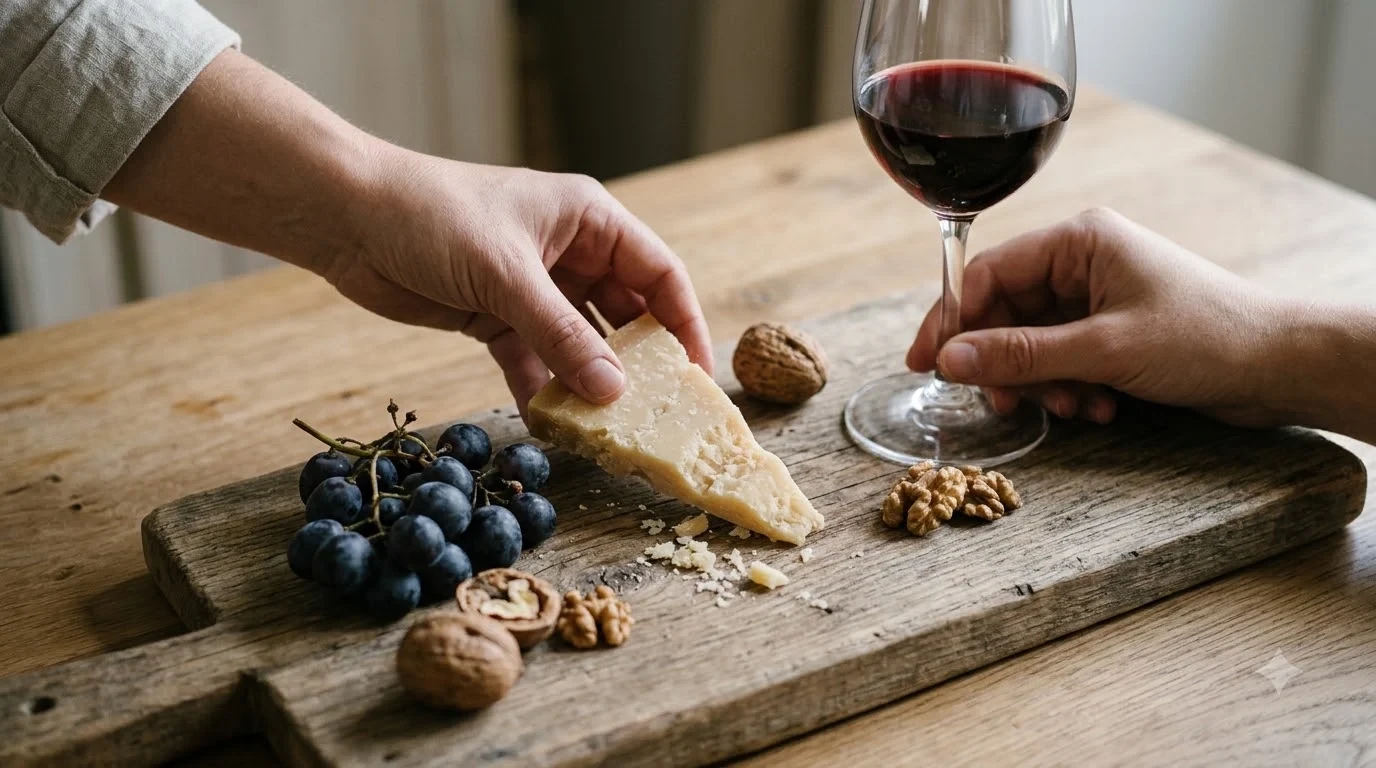
Unshackled red is most comfortable beside savory, substantial dishes: grilled burgers, barbecue pork ribs, roast beef, meatloaf, or a mushroom burger with browned edges. Its dark and red fruit flavors can meet char, smoke, and caramelized surfaces, while the wine’s body gives it enough presence for richer main courses. For a meat-free meal, grilled portobello mushrooms, lentil-and-mushroom shepherd’s pie, or eggplant baked with tomato and herbs make sensible partners.
Think about sauce and seasoning as much as the main ingredient. A tomato-based barbecue glaze can complement the wine’s cherry and plum notes, especially when the sauce has a little sweetness but also enough acidity to avoid tasting cloying. Black pepper, rosemary, thyme, and roasted garlic can echo savory aspects of the blend. For pizza, choose toppings such as sausage, roasted mushrooms, caramelized onions, or pepperoni; a simple tomato sauce and moderate cheese usually work better than a very sweet sauce that makes the wine seem lean by comparison.
Salt and fat can soften the perception of tannin, which is useful with a red blend that may have some grip from Petite Sirah and Cabernet Sauvignon. Aged cheddar, grilled steak, lamb burgers, and slow-cooked short ribs all bring savory richness that can balance the wine’s ripe fruit. Avoid making very hot chili heat the center of the meal: alcohol and tannin can amplify the burn, and the wine’s 15 percent alcohol may make a fiery dish feel hotter. Oily fish such as sardines or mackerel is also a less natural match for a tannic red; choose a lighter white or rosé instead.
How to Serve and Store Unshackled Red
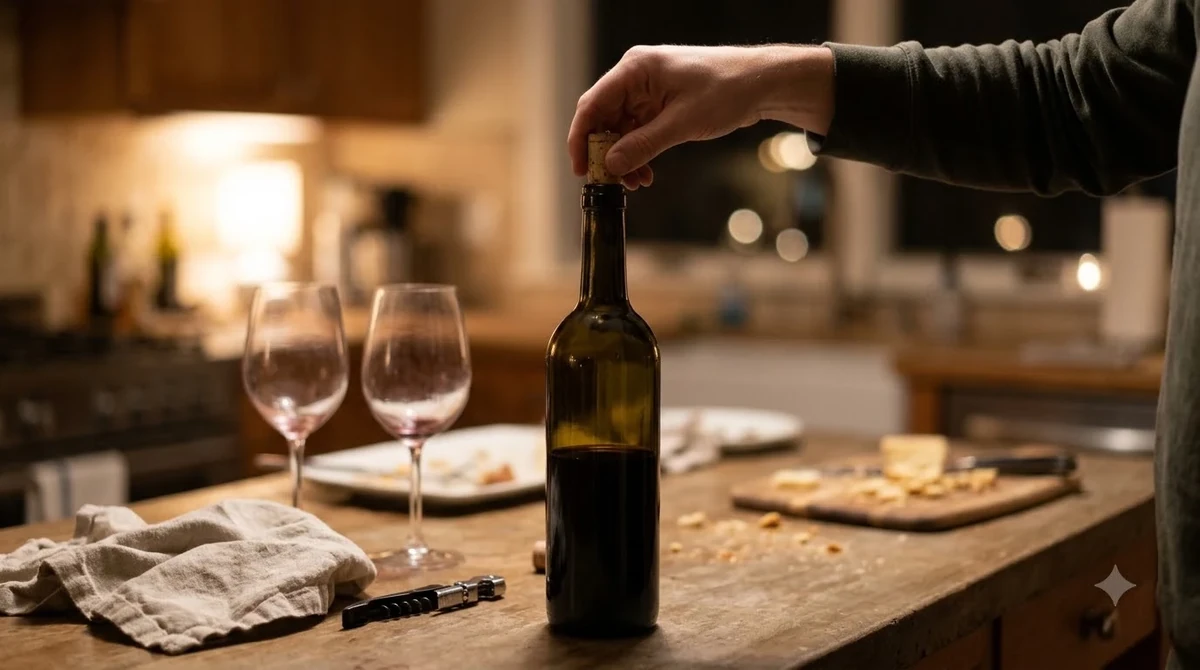
Serve Unshackled red at about 60 to 65 degrees Fahrenheit, cooler than a warm room but not refrigerator-cold. That range helps preserve its fruit and keeps the 15 percent alcohol from seeming overly hot. A short chill in the refrigerator can bring a bottle down from a typical indoor temperature; check the wine after a little time rather than letting it become cold enough to mute its aromas.
A standard 5-ounce pour is a useful measure for dinner, and a 750-milliliter bottle holds about five such servings. Use a glass with a reasonably wide bowl so the aromas of cherry, plum, and spice have room to develop. A young, full-bodied red can benefit from 30 to 60 minutes in a decanter, but decanting is optional here; start with a glass and see whether more air softens the texture or opens up the savory notes. If the wine already seems open and balanced, there is no need to wait.
| Serving detail | Practical guidance | Why it matters |
|---|---|---|
| Alcohol in the 2023 listing | 15.0 percent ABV | Expect a full-bodied impression and noticeable warmth if served too warm. |
| Bottle format | 750 milliliters | A standard bottle provides about five 5-ounce pours. |
| Serving temperature | 60–65 degrees F | A slightly cool serving temperature helps keep alcohol in balance. |
| Optional aeration | 30–60 minutes | Air can help a young, full-bodied red open up, although it is not mandatory. |
| Opened-bottle storage | Refrigerate; generally use within 3–5 days | Cold storage slows the loss of freshness in still wine. |
After opening, reseal the bottle and keep it in the refrigerator, even if you plan to drink it at room temperature later. Most opened still wines are best within three to five days, though the fruit may fade before that window ends. Bring the remaining wine back toward serving temperature before pouring. For an unopened bottle, store it away from sunlight and heat; a consistently cool space near 55 degrees Fahrenheit is preferable, and long-term storage is best with the bottle on its side if it has a natural cork.
Tip: Put the bottle in the refrigerator for about 15 to 20 minutes before dinner, then pour a small taste. If it feels muted, let it warm in the glass; if the alcohol seems sharp, give it another few minutes of chill.
Choosing a Vintage and Exploring the Unshackled Range
The producer’s 2023 red blend listing is a useful reference point because it names all six grapes, the California appellation, a 15 percent alcohol level, and a 750-milliliter bottle format. The proportions are not published, so it is not possible to say how much Zinfandel, Syrah, or any other grape dominates the blend. The best way to compare two bottles is to note their vintage, alcohol level, and any listed blend details, then consider whether you prefer the more fruit-forward, round style described for the 2023 bottling.
Do not assume that every bottle carrying the Unshackled name is the same wine. The range includes other red styles, such as Cabernet Sauvignon and Pinot Noir, as well as white and sparkling offerings in the broader portfolio. A Cabernet Sauvignon will generally have firmer tannin and a more structured black-fruit profile than a soft, rounded red blend; Pinot Noir usually has lighter tannin and brighter acidity. The white wine offers a different route for meals built around seafood, salads, or lighter poultry, and the page on Unshackled white wine can help compare that style with the red.
The blend also makes a useful contrast with wines from producers who emphasize a specific grape or appellation. For example, a Cabernet-led wine from a different California producer may feel more direct and structured, while Unshackled is built around several varieties and a broad regional designation. Readers interested in the broader story of producer-led California bottlings can also explore Baron Philippe de Rothschild wine as a separate point of comparison, rather than treating all premium California reds as interchangeable. Choose the Unshackled red blend when you want a generous, layered style for a hearty meal; choose another member of the range when the food or your preference calls for a lighter body, firmer varietal character, or white-wine freshness.
Frequently Asked Questions
These answers cover the brand’s 2020 launch, its changing blend formula, and how one major critic assessed the 2023 bottling. They also explain a detail behind the label and what a blind review does—and does not—tell you.
When was Unshackled first introduced?
The Prisoner Wine Company announced Unshackled in January 2020, with the first wines scheduled for nationwide U.S. release that month. The original launch portfolio included a 2018 Red Blend, a 2018 Cabernet Sauvignon, and a 2019 Rosé.
What did the original Unshackled label look like?
The launch design used a metallic, debossed motif resembling a combination lock. The company said the details encoded information about the wine’s appellation, varietal, and vintage, making the label part of the brand’s visual identity.
Was the first Red Blend made from the same grapes as the 2023 bottling?
The launch announcement listed five grapes for the 2018 Red Blend: Zinfandel, Malbec, Petite Sirah, Syrah, and Grenache. The 2023 producer listing adds Cabernet Sauvignon to its six-grape formula, so the published recipes are not identical.
Did Wine Enthusiast rate the 2023 Unshackled Red Blend?
Wine Enthusiast awarded the 2023 bottling 90 points. Its published scoring guide places wines from 90 to 93 points in the “Excellent” category, a designation the magazine describes as highly recommended.
How does Wine Enthusiast conduct its blind tastings?
The publication says its reviewers generally taste wines in peer groups of five to eight samples. Tasters may know general information such as vintage, variety, or appellation, but they do not know the producer or retail price of an individual wine during the blind assessment.
Unshackled red suits drinkers who enjoy ripe California fruit, a rounded full-bodied texture, and the extra layers that a multi-grape blend can provide. Serve it slightly cool with grilled or roasted food, and compare its vintage and blend details with other wines in the range to find the style that best fits the meal.
More in Wine Brands
 Louis Latour Wine Price: Compare Bottles by Style and TierUpdated Nov 20, 2026
 Yellow Tail Moscato Price: What to Expect Before You BuyUpdated Nov 20, 2026
 Sutter Home Sweet Red Review: Find the Right Food PairingsUpdated Nov 20, 2026
 Franzia Chillable Red Review: Find the Right Serving StyleUpdated Nov 20, 2026
 Veuve Clicquot Rose Review: Flavor, Food Pairings and Buying AdviceUpdated Nov 20, 2026
 Rombauer Wine Price: Compare Bottles Before You BuyUpdated Nov 20, 2026