

We may earn a commission when you buy through links on this page, at no extra cost to you. Learn more.
Unshackled white wine is a California white wine from The Prisoner Wine Company, best known for its Sauvignon Blanc blend combining bright citrus, tropical fruit, lively acidity, and a textured finish. The 2023 Sauvignon Blanc combines Sauvignon Blanc, Albariño, Chenin Blanc, and Malvasia Bianca, creating a more layered expression than a straightforward single-grape Sauvignon Blanc. With 14% alcohol by volume, it offers generous fruit character alongside refreshing acidity and works particularly well with seafood, grilled chicken, salads, and fresh cheeses.
Unshackled takes a distinctive approach to California winemaking by combining recognizable grape varieties with a fruit-forward style. Its white wine selection gives Sauvignon Blanc drinkers an opportunity to explore a more textured expression of the grape, while its Chardonnay offers a different direction for people who prefer ripe stone fruit, apple, and oak-influenced flavors. Understanding the grapes, aromas, alcohol level, and serving recommendations makes choosing the right bottle and planning a meal considerably easier.
What Is Unshackled White Wine?
Unshackled is a California wine label produced by The Prisoner Wine Company. Its white wine range includes Sauvignon Blanc and Chardonnay, two varieties that offer different expressions of California white winemaking. The Sauvignon Blanc is particularly interesting because it combines the familiar freshness of Sauvignon Blanc with additional grape varieties that contribute texture, aromatic complexity, and fruit character.
The original Unshackled Sauvignon Blanc was introduced as part of the brand’s expanding portfolio. According to Beverage Industry’s coverage of the original release, the wine was developed by Chrissy Wittmann, Director of Winemaking at The Prisoner Wine Company, and her winemaking team. The initial release drew grapes from California’s Central Coast and North Coast growing regions. Its stated flavor profile included melon, peach, fresh citrus, and tropical fruit.
The current producer information provides a more detailed picture of the 2023 Sauvignon Blanc. It identifies the Central Coast as the sourcing region and lists four varieties in the blend: Sauvignon Blanc, Albariño, Chenin Blanc, and Malvasia Bianca. This combination is important because the finished wine is not simply an unblended example of Sauvignon Blanc. The supporting varieties contribute additional dimensions to the overall experience.
The brand also offers Unshackled Chardonnay. This is a separate white wine with a different flavor direction, featuring ripe peach, crisp apple, tropical papaya, quince, and vanilla. Its production includes nine months of French oak aging, according to the producer’s Chardonnay description. Sauvignon Blanc is the more citrus-driven option, while Chardonnay is a natural alternative for drinkers who enjoy a rounder texture and oak-influenced character.
For readers exploring the wider producer portfolio, the Wine Brands category provides a useful starting point for understanding how individual labels position their wines and differentiate their styles.
Grape Varieties and California Origins
The 2023 Unshackled Sauvignon Blanc combines four grape varieties, with Sauvignon Blanc providing the central identity. Albariño, Chenin Blanc, and Malvasia Bianca contribute additional aromatic and structural dimensions. The result is a California white wine that combines Sauvignon Blanc’s recognizable freshness with a broader fruit and texture profile.
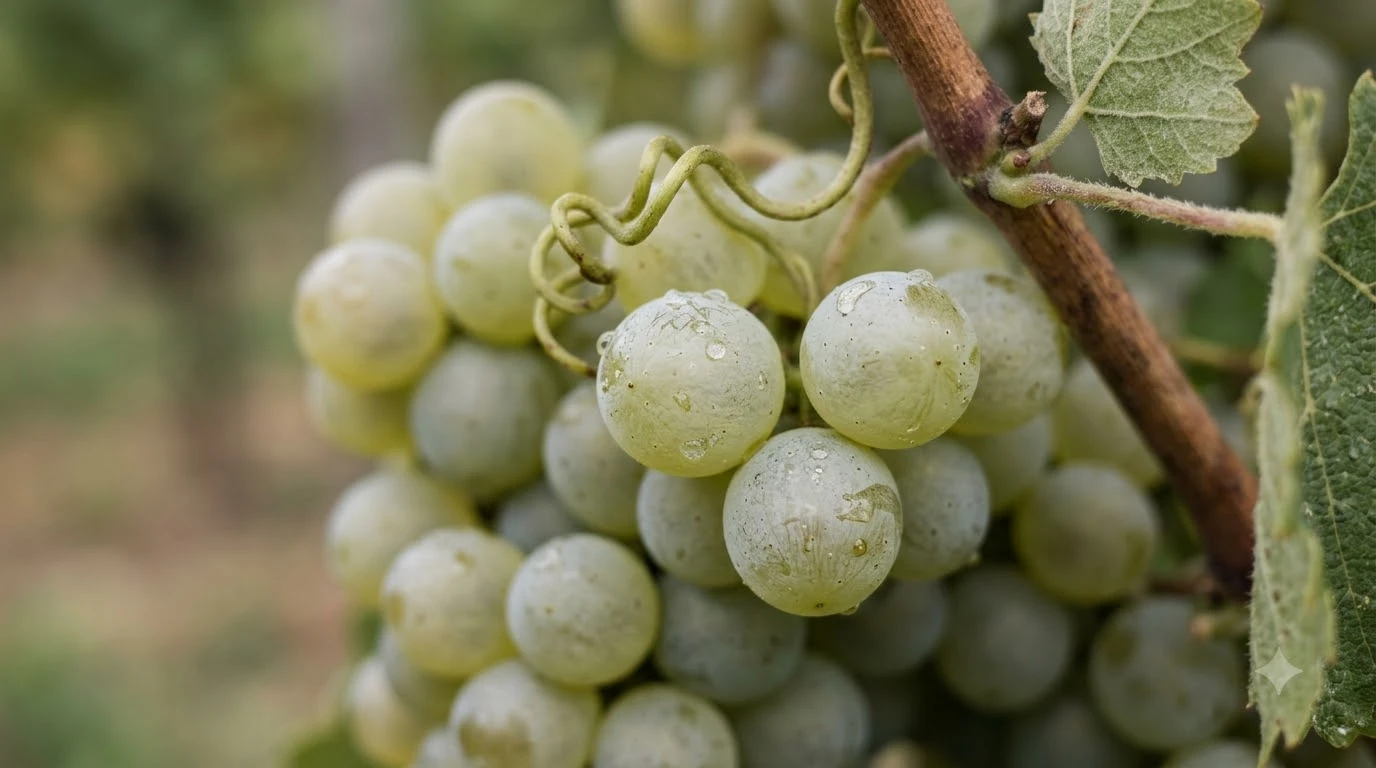
Sauvignon Blanc is known for naturally high acidity and distinctive aromatic compounds. These can produce grassy, herbal, citrus, and tropical characteristics, depending on climate and ripeness. Albariño is another aromatic white variety, commonly associated with citrus, stone fruit, and refreshing acidity. Chenin Blanc can contribute apple, pear, and broader textural qualities, while Malvasia Bianca is valued for its expressive floral and aromatic character.
These grapes do not all contribute in identical ways. Their proportions, growing conditions, ripeness, and winemaking decisions influence the finished wine. The producer identifies the four varieties in the 2023 blend but does not publish their individual percentages. It is therefore more accurate to describe their collective contribution than to assign an unsupported percentage or claim that one supporting variety dominates the finished wine.
California’s Central Coast is an important part of the wine’s identity. The broader region contains a variety of vineyard environments, including areas influenced by Pacific Ocean breezes and cooler coastal conditions. These differences can affect grape ripening, acidity, and aromatic development. Cooler growing conditions can help preserve fresh citrus and herbal notes, while warmer conditions generally encourage riper fruit expression.
The producer identifies the 2023 wine as California Sauvignon Blanc sourced from the Central Coast rather than naming a single American Viticultural Area. That distinction matters because California is a broad geographical designation. It should not automatically be described as a wine exclusively from Napa Valley, Sonoma County, or another specific appellation.
The original 2020 release had a somewhat different sourcing description, identifying both the Central Coast and North Coast. It also included Chenin Blanc and Roussanne in its reported blend. This illustrates why it is useful to distinguish between vintages rather than assume that every Unshackled Sauvignon Blanc has precisely the same grape composition.
Readers comparing the red side of the same portfolio can also explore Unshackled red to understand how the producer approaches its richer, darker-fruited wines alongside its white offerings.
Flavor Profile, Aromas, and Dryness
Unshackled Sauvignon Blanc is best understood as a dry, fruit-forward California white wine with lively acidity and a relatively generous midpalate. Its flavor profile combines citrus, orchard fruit, tropical fruit, floral aromas, and subtle mineral impressions. It is not designed around pronounced sweetness, even though ripe fruit characteristics can give the wine a rounded impression.
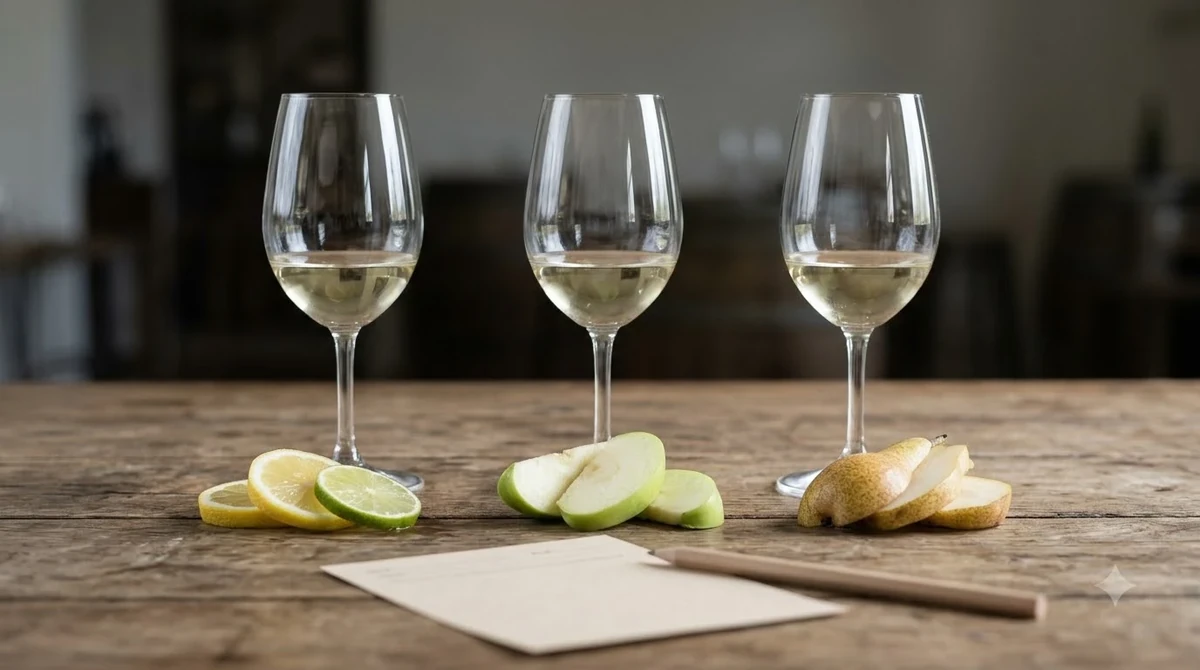
The producer’s 2023 tasting description identifies fresh lemon, oyster shell, honeysuckle, white flowers, and key lime on the nose. These aromas provide a mixture of fresh citrus, floral fragrance, and mineral character. The oyster shell reference suggests a subtle coastal impression rather than a literal salty flavor or a guarantee that the wine will taste like seawater.
On the palate, the producer identifies yuzu, Golden Delicious apple, lemon blossom, and passionfruit. Each contributes a different aspect to the profile. Yuzu suggests concentrated citrus character, Golden Delicious apple provides a softer orchard-fruit dimension, lemon blossom adds floral freshness, and passionfruit introduces a more tropical expression.
The combination creates a useful balance between freshness and richness. Sauvignon Blanc generally supplies high acidity, while the additional varieties broaden the wine’s aromatic and textural profile. The producer specifically describes lively acidity and midpalate richness, making it more substantial than a very light, sharply citrus-driven white wine.
Dryness is another important consideration. Sauvignon Blanc is generally produced as a dry still wine, although some producers retain a small amount of residual sugar. A wine can have ripe peach, apple, or passionfruit flavors without being sweet. Fruit aromas describe what the nose and palate perceive, not necessarily the quantity of sugar remaining after fermentation.
For comparison, a sweet Moscato typically presents a more obvious impression of sweetness, while a dry Sauvignon Blanc emphasizes acidity, fruit, and freshness. Unshackled’s aromatic character may appeal to people who enjoy expressive white wines but prefer a dry finish.
According to Wine Enthusiast’s Sauvignon Blanc overview, the grape’s distinctive herbal and grassy characteristics are associated with pyrazines. These compounds help explain why Sauvignon Blanc can range from green herbs and bell pepper to grapefruit, passionfruit, and guava. Unshackled’s published 2023 notes lean toward citrus, floral, orchard-fruit, and tropical-fruit expressions.
There is also a distinction between aromatic intensity and body. A wine can smell expressive without feeling particularly heavy. Unshackled combines noticeable aromas with a fuller midpalate, making it suitable for drinking on its own as well as alongside food.
Alcohol Content and Bottle Details
The 2023 Unshackled Sauvignon Blanc has an alcohol content of 14.0% ABV, according to The Prisoner Wine Company. This is relatively generous for a white wine and contributes to its fuller impression compared with lighter Sauvignon Blanc styles. It is useful information for anyone comparing bottles, choosing serving sizes, or deciding which wine will suit a particular occasion.
Alcohol by volume measures the percentage of the liquid that consists of alcohol. A wine listed at 14% ABV contains approximately 14% alcohol by volume, although individual bottles and vintages can differ. The 14% figure is specifically associated with the producer’s 2023 release and should not automatically be applied to every Unshackled white wine.
For a practical comparison, the following figures illustrate how the 2023 wine fits into common bottle and serving measurements.
| Wine detail | Typical figure |
|---|---|
| 2023 Unshackled Sauvignon Blanc ABV | 14.0% |
| Standard bottle volume | 750 ml |
| Typical wine serving | 5 oz |
| Approximate servings per bottle | 5 glasses |
| Standard wine serving in milliliters | 148 ml |
| Recommended serving temperature | 45–50°F |
| Recommended opened-bottle refrigeration | 3–5 days |
The serving figures are practical approximations. A 750 ml bottle contains approximately five 5-ounce pours, although the exact number depends on how generously each glass is filled. Using a standard wine glass and measuring a few pours can help establish a consistent serving size.
Alcohol content also affects the overall impression of a wine. Higher-alcohol white wines can feel broader and warmer on the palate, particularly when served too warm. Cooling the wine appropriately helps maintain its refreshing character and keeps the alcohol from dominating the fruit and acidity.
People comparing Unshackled with other California Sauvignon Blanc wines should pay attention to both ABV and acidity. Two wines can have similar alcohol levels but feel quite different because of differences in ripeness, grape composition, and winemaking. A high-acidity wine can remain refreshing even when it has a comparatively full-bodied structure.
The 2023 wine is therefore best described as a relatively full-flavored Sauvignon Blanc rather than a particularly light, delicate white. Its 14% ABV and documented midpalate richness support that description without requiring assumptions about its residual sugar or exact weight on the palate.
For additional context about alcohol labeling and another familiar boxed white wine, readers can compare the Black Box Pinot Grigio alcohol content discussion.
Food Pairings for Unshackled Sauvignon Blanc
Unshackled Sauvignon Blanc pairs particularly well with seafood, grilled chicken, fresh cheeses, green vegetables, and dishes featuring lemon or fresh herbs. Its acidity helps balance rich textures, while its citrus and tropical fruit flavors complement lighter proteins and vegetable-based meals. The key is choosing food with enough flavor to match the wine without overwhelming its freshness.
Seafood and shellfish: Oysters, shrimp, scallops, cod, and halibut are natural choices. Fresh citrus and lively acidity work particularly well with simply prepared seafood. Grilled shrimp with lemon, steamed mussels with herbs, and baked white fish with parsley are practical combinations. The wine’s citrus and mineral notes provide contrast to the delicate flavors of shellfish.
Preparation matters. A lightly seasoned white fish dish will allow the wine’s aromatic profile to remain noticeable. Heavy smoked sauces, very sweet glazes, or strongly tannic accompaniments may create an imbalance. Oily fish can be more challenging when paired with strongly tannic red wines, but a fresh, acidic white wine offers a more suitable direction.
Chicken and poultry: Grilled chicken with lemon, roast chicken with thyme, and chicken served with cucumber or herb sauces are excellent options. The wine has enough aromatic intensity to complement roasted flavors, while its acidity refreshes the palate between bites. A creamy chicken dish can also work, particularly when the sauce includes lemon, fresh herbs, or other acidic ingredients.
Cheese: Goat cheese is a particularly good match. Its tangy flavor and creamy texture complement the wine’s citrus character and lively acidity. Fresh chèvre, goat cheese crostini, and soft cheeses served with cucumber or green herbs are useful appetizers. Mild fresh cheeses are generally preferable to very strong, aged cheeses that could dominate the wine.
Vegetables and salads: Grilled asparagus, green beans, cucumber salad, and leafy salads with lemon vinaigrette all work well. Herbal ingredients such as dill, parsley, basil, and mint can reinforce the wine’s fresh aromatic qualities. Asparagus is sometimes difficult to pair with certain wines because of its distinctive vegetal character, but Sauvignon Blanc’s herbal profile can make it a natural companion.
For a more substantial meal, try roasted chicken with asparagus and lemon potatoes. The chicken provides enough weight to complement the wine, the asparagus reinforces its green character, and the lemon adds freshness. A goat cheese and cucumber salad would also make a suitable starter.
Consider the sauce as carefully as the main ingredient. A grilled fish fillet with lemon butter will generally work better than the same fish served with a very sweet barbecue glaze. Acidic ingredients should be balanced by a wine with equal or greater perceived acidity, while salt and fat can soften certain flavor impressions.
Spicy dishes require additional care. Chili heat can become more pronounced alongside alcoholic wines, particularly when the dish is very hot. With Unshackled’s 14% ABV, moderately seasoned food is generally a safer pairing than extremely spicy preparations. Fresh herbs, cucumber, and yogurt-based sauces can help keep the overall meal balanced.
For a simple entertaining menu, serve chilled Unshackled Sauvignon Blanc with shrimp appetizers, goat cheese crostini, grilled chicken, and a green salad. This combination provides different textures and flavors without requiring complicated preparation.
Serving Temperature, Storage, and Drinking Occasions
Serve Unshackled Sauvignon Blanc at approximately 45–50°F for a refreshing presentation. This temperature range helps preserve its citrus and floral aromas while keeping its relatively generous alcohol content from becoming too prominent. A wine served considerably warmer may feel heavier, while excessive chilling can mute its aromatic details.
A practical approach is to refrigerate the bottle for approximately two hours before serving. If time is limited, place it in an ice-water bath for around 30–40 minutes. Once opened, pour a small sample and allow it to sit briefly in the glass if the aromas seem restrained. This provides a simple way to find the temperature that best expresses the wine.
A standard white wine glass with a reasonably narrow opening is suitable. It provides enough room to swirl the wine and release its aromas without requiring an oversized glass. Pour approximately 5 ounces at a time rather than filling the glass completely. Leaving some room at the top makes it easier to evaluate the citrus, floral, and tropical-fruit notes.
Storage before opening: Keep the bottle in a cool, dark location away from direct sunlight and temperature fluctuations. A consistent storage environment is more important than frequent movement between warm and cold places. For longer-term wine storage, a temperature near 55°F is a useful general target. Bottles intended for extended storage are commonly kept on their sides when sealed with natural cork.
Storage after opening: Replace the cork or use an appropriate wine stopper, then refrigerate the remaining wine. Most opened still wines remain enjoyable for approximately three to five days when properly refrigerated. Exposure to oxygen gradually changes the aromas and flavors, so keeping the bottle sealed between pours helps maintain freshness.
If the wine begins losing its fresh citrus and floral character, oxidation may be developing. A diminished aroma, flatter acidity, and less vibrant fruit are common indications that the bottle is past its best drinking condition. These changes are especially noticeable in fresh, aromatic white wines.
Tip: Take the bottle out of the refrigerator briefly before pouring if it feels excessively cold. Serving Unshackled Sauvignon Blanc around 45–50°F helps preserve its refreshing acidity while allowing lemon, apple, passionfruit, and floral aromas to become more apparent.
Unshackled Sauvignon Blanc is suitable for several occasions. Its fruit-forward profile makes it approachable as an aperitif, while its acidity makes it practical for meals and appetizers. It can be served at a casual outdoor gathering, alongside a seafood lunch, or as part of a dinner featuring chicken and vegetables.
For entertaining, consider chilling the bottle in advance and keeping it in an ice bucket during service. This is especially useful when guests are pouring their own glasses over an extended meal. Smaller pours also make it easier for everyone to enjoy the wine at the intended temperature.
Unshackled Sauvignon Blanc vs. Unshackled Chardonnay
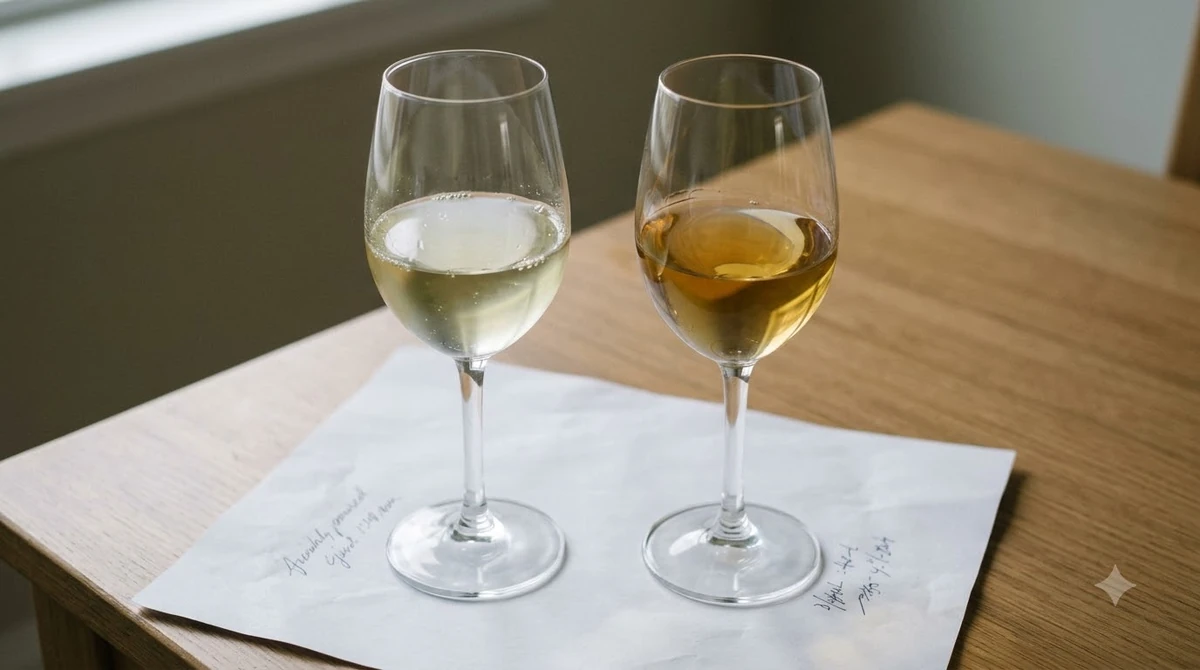
Unshackled Sauvignon Blanc and Unshackled Chardonnay offer different expressions of California white wine. Sauvignon Blanc emphasizes citrus, tropical fruit, floral aromas, and lively acidity, while Chardonnay moves toward ripe peach, apple, papaya, vanilla, and oak-influenced richness. Choosing between them is primarily a matter of preferred texture, flavor profile, and food pairing.
The Sauvignon Blanc is the more aromatic and citrus-driven choice. Its 2023 blend includes Sauvignon Blanc, Albariño, Chenin Blanc, and Malvasia Bianca. The producer describes fresh lemon, oyster shell, honeysuckle, key lime, yuzu, Golden Delicious apple, and passionfruit. Its 14% ABV and lively acidity create a combination of substantial flavor and freshness.
The Chardonnay follows a different direction. The producer describes ripe peach, crisp apple, tropical papaya, quince jelly, and vanilla. It also identifies nine months of French oak aging, which contributes to the wine’s broader stylistic identity. The oak influence makes this bottle particularly interesting for people who enjoy Chardonnay with a richer texture and subtle vanilla or spice characteristics.
Neither wine is automatically better than the other. Sauvignon Blanc is often the easier choice for fresh seafood, goat cheese, green vegetables, and citrus-based dishes. Chardonnay can be a better match for roast chicken, richer fish preparations, creamy sauces, and dishes featuring roasted vegetables.
The distinction also helps when choosing a bottle for guests. Someone who usually enjoys crisp Sauvignon Blanc, Albariño, or other high-acidity whites may prefer the Sauvignon Blanc. A drinker who gravitates toward fuller Chardonnay styles with apple, peach, and oak notes may prefer the Chardonnay.
Serving temperature can further distinguish the two experiences. A lighter, fresh Sauvignon Blanc is commonly served around 45–50°F, while fuller white wines are generally served around 50–55°F. Allowing a Chardonnay to warm slightly in the glass can reveal additional texture and aromatic detail.
The broader Unshackled portfolio also includes red wines, offering another direction for people who prefer darker fruit and more pronounced tannin. Red wine generally calls for different serving temperatures and food pairings. Readers interested in the producer’s wider range can compare its red blend and Cabernet Sauvignon styles with the white wines.
For a mixed dinner party, offering both white varieties can be a practical solution. Sauvignon Blanc can accompany appetizers, shellfish, and salads, while Chardonnay can move into richer main courses. This creates a natural progression through the meal without requiring guests to settle on one white wine style.
Frequently Asked Questions
Is Unshackled Sauvignon Blanc vegan?
The producer’s published tasting information does not establish whether the wine is vegan-certified. Vegan suitability can depend on clarification and fining methods used during winemaking, including whether animal-derived processing aids are involved. Anyone requiring a verified vegan wine should seek confirmation directly from the producer for the specific vintage.
Does Unshackled Sauvignon Blanc contain sulfites?
Sulfites occur naturally during fermentation, and many commercial wines also receive added sulfur dioxide to help protect freshness and stability. The exact sulfite concentration of the 2023 Unshackled Sauvignon Blanc is not specified in the producer’s published tasting description. Bottles sold in the United States may carry a sulfite declaration when required by applicable labeling rules.
Is Unshackled Sauvignon Blanc suitable for a wine cocktail?
Its citrus and tropical-fruit profile makes it a possible ingredient in simple white wine cocktails. A small amount can be combined with sparkling water, fresh citrus, and ice for a straightforward wine spritzer. Its 14% ABV means the finished drink will still contain alcohol, even when diluted.
Can Unshackled Sauvignon Blanc be aged for several years?
The producer does not publish a specific long-term cellaring recommendation for the 2023 Sauvignon Blanc. Aromatic Sauvignon Blanc wines are commonly enjoyed while their fresh citrus and fruit characteristics remain prominent. For this style, purchasing with near-term enjoyment in mind is a sensible approach rather than assuming extended bottle aging will improve it.
What is the difference between an appellation and a grape variety on a wine label?
A grape variety identifies the type of grape used to make the wine, such as Sauvignon Blanc or Chardonnay. An appellation identifies a geographical wine-producing area and may have specific production and labeling requirements. Unshackled’s 2023 Sauvignon Blanc is identified as California wine and names Sauvignon Blanc as its principal varietal, with three additional grapes in its blend.
Unshackled Sauvignon Blanc is an appealing California white wine for drinkers who enjoy expressive citrus, tropical fruit, floral aromas, and refreshing acidity with a fuller midpalate. Its four-grape 2023 blend and 14% ABV distinguish it from lighter, simpler Sauvignon Blanc styles. Serve it chilled alongside seafood, chicken, goat cheese, or fresh vegetables to make the most of its fruit-forward character.
More in Wine Brands
 Louis Latour Wine Price: Compare Bottles by Style and TierUpdated Nov 20, 2026
 Yellow Tail Moscato Price: What to Expect Before You BuyUpdated Nov 20, 2026
 Sutter Home Sweet Red Review: Find the Right Food PairingsUpdated Nov 20, 2026
 Franzia Chillable Red Review: Find the Right Serving StyleUpdated Nov 20, 2026
 Veuve Clicquot Rose Review: Flavor, Food Pairings and Buying AdviceUpdated Nov 20, 2026
 Rombauer Wine Price: Compare Bottles Before You BuyUpdated Nov 20, 2026