

We may earn a commission when you buy through links on this page, at no extra cost to you. Learn more.
A white wine cocktail is a drink built on dry white wine, usually diluted or lengthened with sparkling water, soda, fruit or a small amount of spirit. The best-known version is the spritzer, a mix of white wine and carbonated water that is common across Central and Eastern Europe. Other white wine cocktails include white wine sangria, wine-based punches and fruit-forward summer drinks. Most of them work because a light, acidic wine stays refreshing when it is mixed.
White wine cocktail recipes tend to be simpler than most mixed drinks, and they are a good way to use a bottle that is already open. They are also easy to adjust. A dry, crisp white makes a lighter drink, while a richer white with more body suits a heavier mix. This guide covers the main styles, how to build a basic white wine cocktail at home, which wines to use and how to keep the balance right.
The spritzer: the simplest white wine cocktail
The spritzer is the foundation of most white wine cocktails. According to the Wikipedia entry on the spritzer, the drink is typically white wine mixed with carbonated or sparkling mineral water, and the name comes from Austrian German, where the drink is very popular. It is also common across Eastern and Central Europe, under different names in each country.
The ratio is the main variable. Wikipedia lists several examples: one Romanian summer version uses one part white wine to two parts sparkling water, while a Hungarian kisfröccs uses equal parts wine and soda water. Some Serbian versions are made with equal halves of wine and sparkling water. A lighter ratio gives a long, crisp drink, and a stronger wine ratio gives more flavor and alcohol. Start with equal parts and adjust from there.
White wine sangria and fruit-based cocktails
White wine sangria takes the spritzer idea a step further. Dry white wine is combined with fruit such as peach, apple, citrus or berries, then chilled so the fruit flavor moves into the wine. A small splash of soda or a fruit juice can be added before serving, and fresh herbs like mint or basil work well with the citrus and stone fruit.
The key is to add fruit for flavor rather than sugar. Chill the mix for at least an hour before serving, and taste it before adding any sweetener. Many white wines already have enough fruit to make a balanced drink without extra sugar, especially when the fruit is ripe.
| Style | Typical base | What it tastes like |
|---|---|---|
| Classic spritzer | Dry white wine and sparkling water | Light, crisp and very dry |
| White wine sangria | Dry white wine, fruit and a touch of soda | Fruity and refreshing |
| Herb and citrus spritz | Crisp white, lemon or lime and mint | Bright and aromatic |
| Punch-style drink | Mixed white wine with fruit and a spirit | Fuller and more party-ready |
Choosing the right white wine
For most white wine cocktails, choose a dry, high-acid white. Acidity keeps the drink lively when it is mixed with soda or fruit, and a dry wine avoids a sticky or cloying result. Crisp styles from cool regions tend to work best, because their clean fruit and bright acidity carry through the dilution.
Richer, oak-aged whites can work in a stronger mix, but they can taste heavy in a spritzer. A very sweet wine usually makes a drink that feels syrupy, so reserve sweet bottles for dessert-style punches where the sugar is part of the plan. Wine that tastes good on its own is usually the right choice, because the mixers will not hide flaws.
How to serve a white wine cocktail
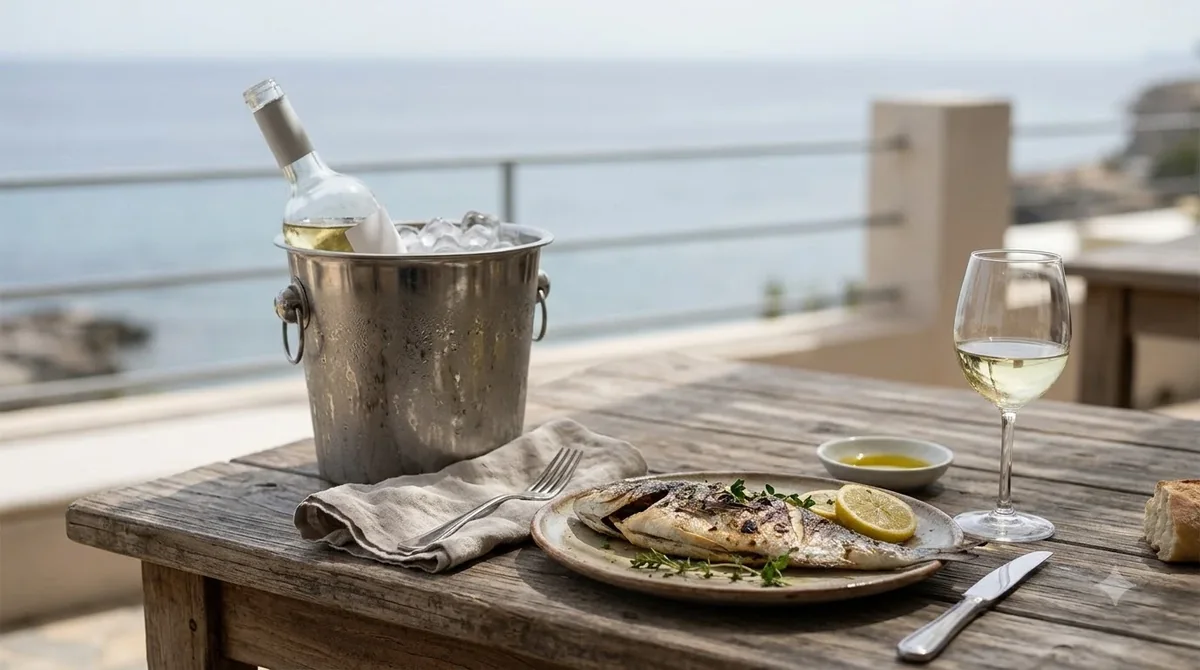
Serve white wine cocktails very cold. Chill the wine in advance, and use plenty of ice in the glass so the drink stays cool as it is served. A tall wine glass or a highball glass works well for spritzers. For sangria or punch, a large pitcher with fruit and ice makes it easy to pour several glasses at once.
Add the sparkling water or soda just before serving. Carbonation fades over time, and adding it early can make the drink flat. If you are preparing a batch for a gathering, mix the wine and fruit ahead of time and keep the sparkling component separate until guests arrive.
Tip: Use a little fresh citrus peel or a sprig of herb as garnish. It adds aroma without adding sugar, and it makes the drink look finished.
Batch sizes and planning for a group
White wine cocktails scale well because the base is simple. For a small group, build each glass to order so every guest gets the ratio they like. For a larger gathering, a pitcher of wine and fruit makes the drink easy to share, and the sparkling component can be poured in at the table. A good rule is to plan for a glass or two per guest over the course of an evening, since these drinks are lighter than many spirit-based mixes.
Make the base mix a few hours ahead if you can. Keep it chilled and covered, and taste it again before serving because cold temperatures can mute the fruit. If you want a non-alcoholic option for guests, the same recipe works with a dealcoholized white wine or with a splash of juice and sparkling water in place of the wine. Label the pitcher clearly so guests know which drink is which.
Common mistakes to avoid
The most frequent mistake is using a wine that is too sweet or too heavy, which makes the drink taste flat once it is diluted. Another common problem is adding too much sugar to a sangria before tasting it, since ripe fruit often provides enough sweetness. Warm wine and warm soda also create a dull drink, so keep everything cold.
It is also easy to over-dilute a spritzer. Too much soda turns a crisp wine into something thin and watery. Measure the first batch, taste it, and adjust the ratio until the wine still comes through clearly.
Frequently Asked Questions
What is the easiest white wine cocktail to make?
The classic spritzer is the easiest. Pour a dry white wine over ice, add sparkling water in a ratio you like, and garnish with a lemon twist. It takes about a minute and needs no special equipment.
Can I use red wine in a white wine cocktail?
White wine cocktails are built around the light, acidic character of white wine. Red wine changes the color and the flavor a great deal, so it works better in a separate drink, such as a red sangria or a red spritzer.
Should white wine cocktails be sweet?
They do not have to be. A dry white wine with fruit and sparkling water is already refreshing. Add a small amount of sweetener only if the fruit is tart or if you want a dessert-style punch.
How far ahead can I make a white wine sangria?
Fruit and wine can sit in the fridge for a few hours and taste better as the flavors blend. Add sparkling water or soda just before serving so the drink stays lively, and avoid leaving the fruit in the mix for too long or it can turn bitter.
White wine cocktails are a good way to get comfortable with mixing. To see how they compare with other styles, read the guide to sparkling wine cocktails or the red wine cocktail guide. For background on the main wine styles behind these drinks, the Wine by Type hub is a useful reference.
More in Wine Types & Grapes
 Zinfandel Sugar Content: Dry Red vs. White Zinfandel GramsUpdated Nov 21, 2026
 Best Zinfandel Substitute Options for Sipping and CookingUpdated Nov 21, 2026
 Zweigelt Food Pairing: Best Dishes, Cheeses, and Serving TipsUpdated Nov 21, 2026
 Zinfandel Tannins Explained: How Structure Shapes Every BottleUpdated Nov 21, 2026
 Zinfandel Sweetness Level: Dry Red vs. Sweet White Zin ExplainedUpdated Nov 21, 2026
 Xinomavro Food Pairing: Best Dishes, Styles, and Serving TipsUpdated Nov 21, 2026