

We may earn a commission when you buy through links on this page, at no extra cost to you. Learn more.
Trebbiano food pairing works best with seafood, grilled fish, chicken, fresh cheeses, vegetable dishes, and light Italian pasta because the wine’s refreshing acidity and delicate fruit complement these foods without overpowering them. Trebbiano is generally a dry Italian white with a fresh, savory character and flavors that can include citrus, apple, white flowers, and almond. Its different regional expressions vary in body and intensity, but most are particularly successful with Mediterranean cooking. Serve a typical bottle chilled at approximately 45–50°F and choose dishes with moderate seasoning, fresh ingredients, and balanced richness.
Trebbiano is one of Italy’s most familiar white-wine names, although the name covers several different grape varieties and regional styles. Trebbiano d’Abruzzo, Trebbiano Toscano, and Trebbiano di Soave can produce noticeably different wines. Understanding those differences makes choosing dinner pairings much easier. Whether preparing grilled branzino, spaghetti with clams, roast chicken, or a plate of fresh Italian cheeses, Trebbiano offers a versatile alternative to more aromatic or heavily oaked white wines.
Understanding Trebbiano’s Flavor and Food-Friendly Structure
Trebbiano generally has a dry, refreshing profile that makes it particularly suitable for lighter foods and dishes with natural acidity. Its restrained fruit, fresh finish, and moderate body allow delicate ingredients to remain the focus of a meal.
The name Trebbiano does not refer to only one genetically identical grape. Italy has several varieties carrying the name, and their characteristics depend on the growing area, vineyard conditions, and winemaking approach. Trebbiano d’Abruzzo is particularly associated with the Abruzzo region, while Trebbiano Toscano is widely associated with central Italy and also has a role in French wine production under the name Ugni Blanc.
Trebbiano d’Abruzzo typically offers fresh fruit, delicate floral aromas, savory flavors, and sometimes a distinctive almond-like finish. The regional wine guide for Abruzzo describes it as a traditional white wine grown on hills between the Apennine mountains and the Adriatic Sea. Its vineyards are particularly associated with Chieti and Pescara, where coastal breezes and cooler nights help preserve freshness.
Other expressions can be lighter and more straightforward. Trebbiano Toscano is frequently used in wines designed for approachable everyday drinking, while Trebbiano di Soave appears as a blending grape in certain wines from the Veneto. For example, Pieropan’s Soave Classico contains 10–15% Trebbiano di Soave alongside 85–90% Garganega.
These distinctions matter at the dinner table. A straightforward, light-bodied Trebbiano works particularly well with seafood salads, grilled vegetables, and simple pasta. A more concentrated Trebbiano d’Abruzzo can handle roasted poultry, richer fish preparations, and dishes with more developed savory flavors.
Acidity is one of the most useful qualities to consider when matching this wine with food. It refreshes the palate after olive oil, butter, and moderately rich sauces. It also works well with ingredients that have their own natural acidity, including tomatoes, lemon, and certain fresh cheeses.
For comparison, someone who enjoys the brighter, citrus-driven character of an albarino food pairing may also appreciate Trebbiano with shellfish and grilled fish. Both can be useful choices for seafood, although individual bottles will differ in intensity and acidity.
Seafood and Fish Pairings That Complement Trebbiano
Seafood is among the most dependable choices for Trebbiano, particularly grilled white fish, shellfish, shrimp, and traditional Italian fish stews. The wine’s freshness complements the natural sweetness and delicate texture of seafood while helping balance olive oil and light sauces.
For a simple dinner, serve Trebbiano with grilled branzino, sea bass, cod, or halibut. Season the fish with olive oil, lemon, parsley, garlic, and a little salt. These ingredients highlight the wine’s fresh character without adding so much spice or sweetness that the wine becomes difficult to appreciate.
Grilled fish is especially successful because its lightly browned exterior adds savory flavor while the interior remains tender. A dry Trebbiano d’Abruzzo has enough presence for this preparation, particularly when the fish is served with roasted potatoes or sautéed zucchini.
Shellfish offers another excellent direction. Shrimp, scallops, clams, mussels, and calamari all work well with a crisp, uncomplicated Trebbiano. For example, spaghetti alle vongole combines clams, garlic, olive oil, parsley, and sometimes white wine. Trebbiano complements the dish’s saline character and light sauce without overwhelming the shellfish.
Other suitable preparations include:
- Grilled shrimp: Garlic, lemon, parsley, and olive oil bring out the wine’s freshness.
- Steamed mussels: A light broth with herbs and a little lemon provides a natural match.
- Seared scallops: Their gentle sweetness complements Trebbiano’s restrained fruit.
- Fried calamari: The wine’s acidity refreshes the palate between bites of crisp batter.
- Crab cakes: Light seasoning and a modest amount of mayonnaise work better than heavy, spicy sauces.
- Seafood risotto: Rice, shrimp, clams, and a restrained amount of butter create a satisfying combination.
Traditional Abruzzo cuisine provides particularly relevant examples. Brodetto, a regional fish stew, and scapece, a preparation involving fried fish and acidic seasoning, are both recognized regional companions for Trebbiano d’Abruzzo. The combination makes sense because the wine’s freshness balances the richness of the fish and the acidity of the preparation. The Abruzzo regional guide to Trebbiano d’Abruzzo also identifies Adriatic fish, vegetables, pulses, and mushrooms among the wine’s traditional food companions.
Oily fish such as sardines, mackerel, and anchovies can also work, particularly when grilled or served with lemon, herbs, or vinegar-based accompaniments. The seasoning should remain balanced, as extremely intense marinades can dominate a delicate white wine.
One useful distinction is between white fish and heavily smoked or strongly cured seafood. Freshly grilled cod or sea bass is an easier match than intensely smoked fish, which can make a delicate Trebbiano seem muted. If serving smoked salmon, choose a more flavorful preparation with fresh herbs, citrus, and a moderate amount of cream cheese.
Avoid pairing delicate Trebbiano with strongly chili-seasoned seafood. Alcohol can intensify the perception of chili heat, while very hot sauces may overwhelm the wine’s subtle flavors. Mild paprika, black pepper, and fresh herbs are generally easier choices.
Pasta, Risotto, and Italian Rice Dishes
Trebbiano is a natural partner for Italian first courses, especially pasta with seafood, light tomato sauces, vegetables, herbs, and olive oil. Its acidity provides freshness against starch and moderate richness, while its delicate aromas allow the ingredients to remain prominent.
Spaghetti alle vongole is one of the strongest combinations. The clams contribute savory, ocean-like flavors, while garlic, parsley, and olive oil provide aromatic depth. Trebbiano’s freshness keeps each bite from feeling heavy, particularly when the dish includes lemon or a little white wine in the sauce.
Pasta with shrimp, zucchini, and cherry tomatoes is another dependable option. The tomatoes contribute acidity, the zucchini provides a mild vegetal character, and the shrimp add sweetness. A simple Trebbiano can connect these flavors without competing with them.
Tomato-based pasta deserves some attention because acidity needs to be considered on both sides of a pairing. A fresh, lively wine is generally more successful with tomato sauce than a soft, low-acid white. However, very concentrated tomato sauces with intense sweetness or strong spice may overwhelm a lighter Trebbiano.
Try these pasta combinations:
- Linguine with clams: Garlic, parsley, olive oil, and shellfish are particularly compatible.
- Pasta primavera: Peas, asparagus, zucchini, and fresh herbs complement the wine’s restrained fruit.
- Pasta with fresh tomato sauce: Tomato acidity and basil provide a lively match.
- Spaghetti with shrimp: Lemon and garlic reinforce the wine’s freshness.
- Ravioli with ricotta: A light butter and sage sauce keeps the cheese from becoming too heavy.
- Pasta with pesto: Basil, olive oil, garlic, and moderate amounts of cheese make a good combination.
Risotto is equally promising. Seafood risotto is a classic option, but vegetable preparations deserve consideration too. Asparagus risotto, pea risotto, and zucchini risotto all have the mild flavors and creamy textures that suit a fresh Italian white.
For mushroom risotto, choose a Trebbiano with more concentration and savory character rather than the lightest, simplest example. Mushrooms bring earthy flavors that can overwhelm a very delicate wine. A version of Trebbiano d’Abruzzo with greater structure may be better equipped to handle the dish.
Cheese-heavy pasta requires a little more care. A modest amount of Parmesan is usually fine, but rich sauces built around large quantities of aged cheese can make a light Trebbiano seem thin. Balance the preparation with lemon zest, parsley, or vegetables rather than making the sauce excessively rich.
For diners exploring Italian regional combinations, a Wine Pairing approach based on acidity, weight, and seasoning provides a useful starting point. The same principles apply whether the meal features seafood linguine, vegetable risotto, or a simple tomato-based pasta.
Chicken, Pork, and Other White Meat Pairings
Chicken and other delicately flavored white meats pair well with Trebbiano because they provide enough substance for the wine without overwhelming its relatively restrained flavors. Roasted chicken, grilled turkey, and simply seasoned pork are particularly useful choices.
Roast chicken with lemon, garlic, rosemary, and olive oil is a reliable combination. The wine’s freshness balances the savory skin and moderate fat, while the herbs connect with its delicate floral and fruit characteristics. Serve roasted potatoes, green beans, or zucchini alongside the chicken for a balanced plate.
Grilled chicken breast is another straightforward match. Because chicken breast has a mild flavor, avoid overpowering it with heavily sweetened barbecue sauces or intense chili marinades. Instead, use lemon, parsley, thyme, black pepper, and a little olive oil.
Other suitable poultry dishes include:
- Chicken piccata: Lemon, capers, and a light butter sauce complement the wine’s freshness.
- Chicken with mushrooms: A more structured Trebbiano can work with the earthy flavors.
- Turkey breast: Roast or grill it with herbs rather than heavy sauces.
- Chicken with artichokes: A restrained preparation with olive oil and lemon can work particularly well.
- Chicken risotto: A light broth-based preparation is preferable to an extremely rich cream sauce.
Pork can also work, particularly tenderloin, grilled pork chops, and lightly seasoned roasted pork. These preparations have more flavor than plain chicken but generally retain a moderate weight that suits a fuller Trebbiano d’Abruzzo.
Consider grilled pork tenderloin with rosemary, lemon, and roasted fennel. The herbal seasoning and mild sweetness of the fennel make the dish interesting without introducing excessive richness. A lightly concentrated Trebbiano can provide enough structure to complement the meat.
However, heavily smoked pork, sweet barbecue ribs, and intensely spiced sausages are less dependable. Their strong flavors can dominate a relatively delicate white wine. For those meals, a fuller-bodied red may be a better option. An Italian red such as Barbera is often more suitable for tomato-rich meat dishes and preparations with deeper savory flavors.
Beef is generally not the first choice for Trebbiano. Lightly prepared veal can work, but substantial steaks and slow-cooked beef dishes usually need a wine with more body, flavor intensity, and tannin. Matching the weight of the food and wine remains more important than following a rigid rule about meat color.
Cheese, Vegetables, and Vegetarian Meals
Fresh cheeses and vegetables are particularly compatible with Trebbiano, especially when dishes include olive oil, herbs, and moderate seasoning. The wine’s refreshing acidity provides contrast to cheese and creamy textures, while its restrained flavors allow vegetables to remain prominent.
Fresh mozzarella, ricotta, burrata, and mild goat cheese are excellent starting points. Their gentle dairy flavors do not overpower Trebbiano, and their soft textures provide an appealing contrast to its crisp finish.
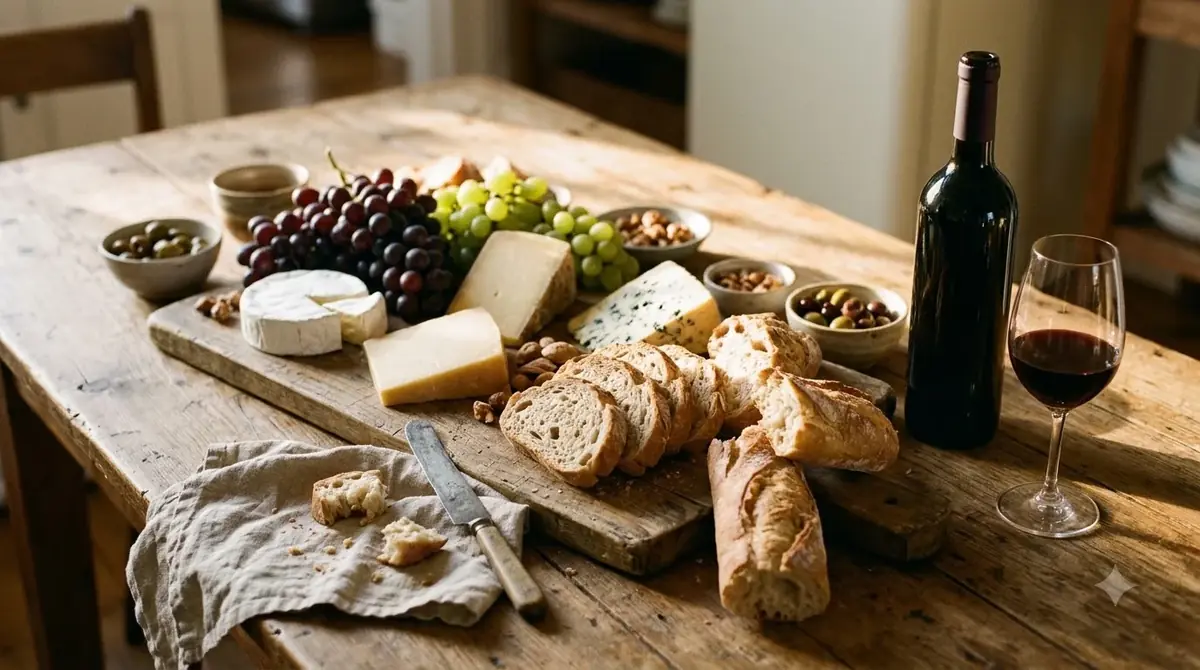
Fresh cheeses also work particularly well with Mediterranean appetizers. Prepare a platter with mozzarella, marinated zucchini, olives, roasted peppers, fresh tomatoes, and toasted bread. Trebbiano can accompany the entire selection without requiring a different wine for every ingredient.
Some cheeses deserve more attention than others. Very aged Pecorino, strongly flavored blue cheese, and extremely sharp hard cheeses can dominate a light white wine. If serving aged cheese, choose a more concentrated Trebbiano d’Abruzzo rather than a very simple, youthful example.
Suitable cheese choices include:
- Fresh mozzarella: Its mild flavor and soft texture work with a crisp white.
- Ricotta: Especially good with herbs, lemon zest, and fresh vegetables.
- Fresh goat cheese: Its tanginess complements the wine’s acidity.
- Burrata: Creaminess is balanced by the wine’s refreshing character.
- Young provolone: A mild, slightly savory option for an antipasti platter.
- Fresh scamorza: Its gentle milky flavor suits a medium-bodied Trebbiano.
Vegetarian dishes offer even more possibilities. Grilled asparagus, sautéed peas, zucchini, green beans, and artichokes can all complement Trebbiano. These vegetables also appear among the recommended food combinations for Pieropan’s Soave Classico, which includes Trebbiano di Soave in its blend.
Roasted vegetables become particularly interesting when seasoned with olive oil, lemon, garlic, and fresh herbs. Carrots, fennel, cauliflower, and bell peppers develop deeper flavors through roasting, but their natural sweetness remains compatible with a fresh white wine.
Legume dishes are another strong option. White bean soup, chickpea salad, lentil soup, and vegetable minestrone provide satisfying texture without requiring heavy meat-based ingredients. A little lemon juice or vinegar can help maintain a lively balance between the food and wine.
Mushrooms can be more challenging because their earthy flavors sometimes overpower lighter Trebbiano wines. Prepare them with garlic, parsley, olive oil, and moderate amounts of butter. A more substantial Trebbiano d’Abruzzo is preferable to a particularly light and neutral bottle.
Artichokes deserve special mention because their naturally unusual flavor can make wine pairing difficult. Rather than serving them with complicated sauces, try roasted or grilled artichokes with lemon and olive oil. The simpler preparation gives the wine a better chance to complement the dish.
Serving Temperature, Sauces, and Foods to Avoid
Trebbiano is generally best served chilled but not extremely cold. A serving temperature around 45–50°F preserves its freshness while allowing delicate floral, fruit, and almond notes to remain noticeable.
Regional recommendations vary slightly. Fontamara suggests 8–10°C, approximately 46–50°F, for its Trebbiano d’Abruzzo. Abruzzo’s regional wine guide gives a broader recommendation of 10–12°C, approximately 50–54°F. A useful starting point for most bottles is 48°F, with fuller or more concentrated examples served slightly warmer.
Temperature also affects food pairing. A wine served too cold may seem muted and less expressive, while a wine served too warm may lose some of its refreshing character. If the bottle becomes warmer during dinner, return it briefly to an ice bucket rather than serving it directly from prolonged room-temperature storage.
The following table provides practical serving and pairing guidance for common Trebbiano styles.
| Trebbiano style or dish | Suggested temperature | Recommended pairing |
|---|---|---|
| Light Trebbiano Toscano | 45–48°F | Seafood salad and light pasta |
| Trebbiano d’Abruzzo | 46–50°F | Grilled fish and roast chicken |
| More concentrated Trebbiano | 50–54°F | Seafood risotto and roasted poultry |
| Trebbiano-based Soave | 47–50°F | Asparagus, peas, and freshwater fish |
| Fresh mozzarella | 48–50°F | Trebbiano d’Abruzzo |
| Spaghetti alle vongole | 46–50°F | Fresh, dry Trebbiano |
| Grilled shrimp | 45–50°F | Light, citrus-driven Trebbiano |
| Chicken piccata | 48–52°F | Structured Trebbiano d’Abruzzo |
These are practical serving suggestions rather than mandatory temperature rules. The appropriate temperature depends on the wine’s body and concentration as well as the food being served.
Sauces are equally important. Lemon butter, garlic and olive oil, light cream, and herb-based sauces generally work well. Tomato sauces can also be successful because Trebbiano’s freshness provides a useful counterpoint to the acidity of tomatoes.
However, extremely sweet sauces are difficult because a dry wine can taste sharper and more acidic beside them. Very hot chili sauces are another challenge. Alcohol and tannin can amplify perceived chili heat, so choose mild seasoning when serving Trebbiano with spicy dishes.
Extremely rich preparations can also create an imbalance. Heavy cream sauces, large amounts of melted cheese, and deeply caramelized glazes may overpower a light Trebbiano. If the food is particularly rich, choose a more concentrated wine and keep the other ingredients balanced.
Here are some combinations that are generally less successful:
- Very spicy curries: Chili heat can dominate the wine and make its alcohol seem more noticeable.
- Heavy barbecue sauces: Sweetness and smoke can overpower the wine’s delicate flavors.
- Very rich beef dishes: Their weight usually calls for a fuller red wine.
- Strong blue cheese: Its intense saltiness and flavor can overwhelm lighter Trebbiano.
- Extremely sweet desserts: Dry Trebbiano will generally taste sour beside a dessert that is much sweeter.
- Heavily smoked fish: Intense smoke can obscure the wine’s floral and fruit characteristics.
Tip: For an easy dinner pairing, serve Trebbiano at approximately 48°F with grilled white fish, lemon, olive oil, parsley, and roasted zucchini. This combination highlights the wine’s freshness while keeping the food’s flavors balanced and recognizable.
When planning a complete menu, consider the progression of flavors. Begin with olives, fresh mozzarella, or seafood appetizers, move to a seafood pasta or grilled fish main course, and finish with a separate dessert wine if the meal includes something sweet. A dry Trebbiano is most comfortable alongside savory courses rather than very sweet endings.
Frequently Asked Questions
Is Trebbiano the same grape as Ugni Blanc?
Trebbiano Toscano is known as Ugni Blanc in France. It is widely used in the production of Cognac and Armagnac, where it is valued for its acidity and relatively neutral flavor profile. However, not every grape carrying the Trebbiano name is identical to Trebbiano Toscano.
Can Trebbiano d’Abruzzo age in the bottle?
Yes, although most examples are intended for drinking while relatively young. Certain traditional producers, including Valentini and Emidio Pepe, are known for Trebbiano d’Abruzzo wines that can develop over many years. Mature examples can develop more complex mineral, savory, and nutty characteristics.
Does Trebbiano contain tannins?
White Trebbiano generally has very little tannin because the grapes are typically pressed without extended skin contact. Its structure comes primarily from acidity, alcohol, and the concentration of fruit and savory flavors. This makes it more naturally suited to delicate fish and poultry than heavily tannic red-wine combinations.
Is Trebbiano used in sparkling wine?
Yes. Trebbiano varieties have been used in different Italian wine styles, including some sparkling and lightly sparkling wines. Their naturally refreshing acidity can provide a useful foundation for sparkling production, although the exact method and finished style depend on the producer and appellation.
Can Trebbiano be used for cooking?
Yes. A dry, uncomplicated Trebbiano can be used in seafood sauces, risotto, chicken preparations, and vegetable dishes. Its freshness works particularly well in recipes that call for a little white wine to deglaze a pan or add acidity to a sauce. Avoid using a sweetened or heavily flavored wine in place of a dry cooking wine.
Trebbiano is a versatile Italian white that deserves a place alongside seafood, fresh cheeses, vegetables, pasta, and simply prepared poultry. For the most dependable results, choose a bottle that matches the weight of the meal, serve it properly chilled, and keep sauces and seasoning balanced. Trebbiano d’Abruzzo is an especially appealing starting point for anyone interested in exploring Italian white wines through regional food combinations.
More in Food & Wine Pairing
 Risotto With White Wine Recipe: Make a Creamy Dinner at HomeUpdated Nov 20, 2026
 Wassail With Wine Recipe for a Festive Spiced Holiday DrinkUpdated Nov 20, 2026
 Spritz Veneziano Recipe: Make a Classic Venetian Aperitivo at HomeUpdated Nov 20, 2026
 Summer Wine Punch Recipe for Easy Homemade EntertainingUpdated Nov 20, 2026
 Bishop Recipe: How to Make a Bright, Citrus-Forward Red Wine CocktailUpdated Nov 20, 2026
 Wine Cupcakes Recipe: Bake Rich Chocolate Cupcakes at HomeUpdated Nov 20, 2026