

We may earn a commission when you buy through links on this page, at no extra cost to you. Learn more.
Trebbiano wine is a light, crisp Italian white made from one of the most widely planted grapes in the world. It is known for high acidity, neutral to fresh fruit, and a clean finish, which makes it an easy everyday white. Trebbiano is rarely prized for complexity, but it shows up in many Italian blends and in a large share of the country’s white wine, so most people have tasted it without knowing the name.
This guide explains what trebbiano wine tastes like, where it is grown, how it is used in blends and in brandy, and how to serve and pair it. It also covers the different names the grape goes by, since many bottles in shops and restaurants do not say “trebbiano” on the label.
What trebbiano wine is
Trebbiano is a white grape variety, and the name refers to a whole family of related vines rather than one single clone. Reference material on the grape, including the Wikipedia entry on Trebbiano, describes it as one of the most widely planted grape varieties in the world, and it is grown across many Italian regions. As a grape, it is valued for its yield and its acidity more than for concentrated flavor, which explains why it often appears as a supporting variety instead of a solo star.
The wine it makes is usually fresh and fruity when young. It tends not to age for long, so the best bottles are usually meant to be drunk within a year or two of the vintage. Winemakers who want more structure often blend it with other white grapes rather than bottling it alone.
Flavor and acidity: what it tastes like
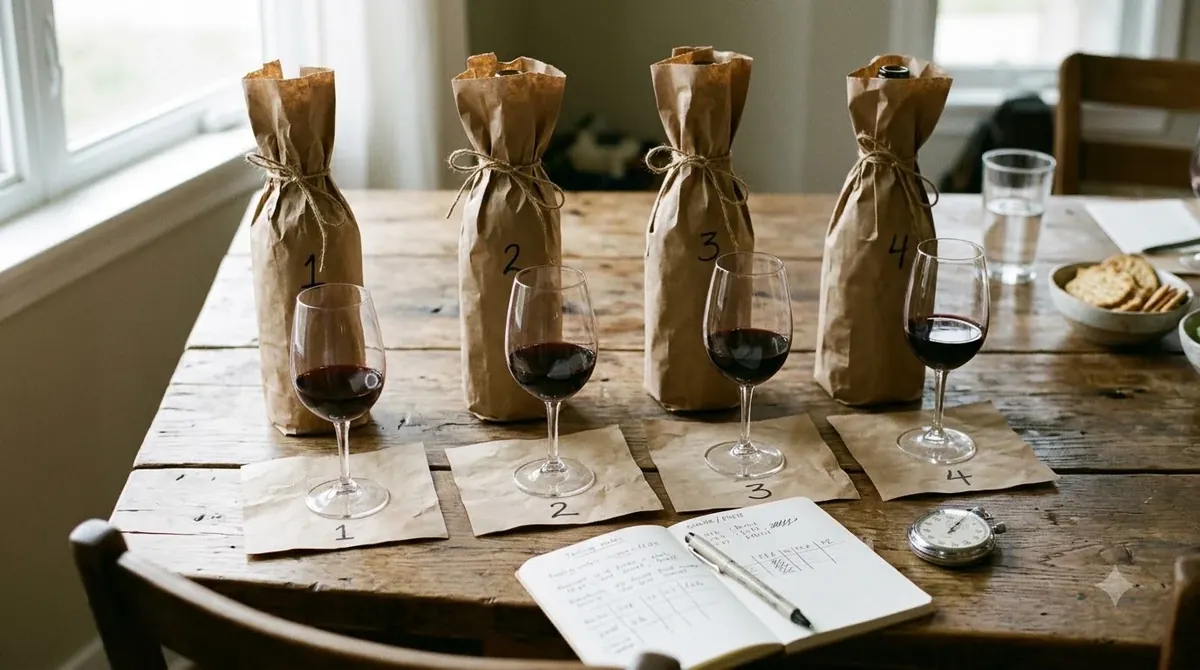
Trebbiano usually tastes light and clean rather than bold. Expect citrus, green apple, and a touch of stone fruit, with a dry, refreshing finish. Because the grape carries high acidity, the wine tends to feel sharp and lively in the mouth, which many drinkers find refreshing with food.
Reference works are candid that the grape does not often produce wines of great depth. The same entry notes that the grape gives good yields but tends to produce wine that is undistinguished on its own. That is why good examples often rely on careful vineyard work, cool fermentation, and a fresh bottling to keep the fruit lively.
| Quality trait | What trebbiano usually shows |
|---|---|
| Body | Light to medium |
| Acidity | High |
| Fruit | Citrus, green apple, light stone fruit |
| Aging | Generally short; best young |
| Main use | Everyday white, blends, brandy base |
Where trebbiano is grown
Trebbiano is strongly associated with Italy. According to the Wikipedia entry on the grape, the Trebbiano family makes up around a third of all white wine in Italy and is named in more than 80 of the country’s DOC wine appellations. The Orvieto whites of Umbria are described as perhaps its most successful blend, which is a good place to start if you want to see how the grape performs in a balanced wine.
Outside Italy, the grape is best known in France under the name Ugni blanc. It is described there as the most widely planted white grape in the country, with major plantings along the Provence coast and in the Gironde and Charente regions. Australia, Argentina, Portugal, Bulgaria, and California also grow it, though in California it is rarely bottled as a single-variety table wine.
How trebbiano is used: wine, blends, and brandy
Trebbiano also has a long history of being used as a workhorse grape. Because it produces large crops, many producers have relied on it for volume, and the wine can be fresh and pleasant when grown and handled well. That practical history explains why you will see it in everyday bottles, in large blends, and in distilled products rather than in top-tier single-vineyard wines.
The grape plays several roles. As a table wine, it is fresh and fruity and is best poured young. In blends, it adds acidity and lightness to wines that need a crisp backbone. In brandy, the same high acidity is valued: Trebbiano is the most common grape used for distillation in Cognac and Armagnac, where the acidity helps produce a clean spirit that ages well in oak.
The grape also appears in a few unusual products. The same reference lists its use in the white Floc de Gascogne and in balsamic vinegar, both of which show how far the grape’s character can carry beyond the glass. In Provence, it is one of the three primary white grapes allowed in Côtes de Provence wines, where it helps keep the blend bright.
How to serve and pair trebbiano wine
Serve trebbiano chilled but not ice cold. A cool glass lets the fruit show without making the wine feel thin, and it keeps the acidity lively. A standard white wine glass with a moderate bowl is enough, since the wine is meant to be drunk fresh rather than swirled for long aromatics.
Its acidity makes it a versatile food wine. It pairs well with seafood, light salads, fresh goat cheese, and simple pasta dishes built on olive oil, lemon, or herbs. It also works with fried foods, where the acidity cuts through richness. For a richer, more layered white, look to a different grape, such as the one covered in our Brunello di Montalcino grape guide, which is a red grape but shows how Italian varieties vary in weight and structure.
How to choose a bottle
When you shop, check the label for the region and the blend. A bottle labeled with a DOC name from Umbria or another Italian region usually tells you more about the wine than the grape name alone. If the label says Ugni blanc, the wine is probably from France, often made for distillation or a simple white table wine.
Look for a recent vintage, since trebbiano loses its freshness over time. Wines that name the producer and vineyard tend to be more carefully made than generic bottlings. If you want to explore the grape’s relatives, a guide to the trebbiano grape explains how the family’s varieties differ in the vineyard and in the glass.
Tip: Trebbiano is a good value white to pour at a casual meal. Buy a young vintage, chill it well, and serve it with food rather than on its own for the best balance.
Frequently Asked Questions
Is trebbiano wine sweet or dry?
Most trebbiano wines are dry. The grape’s high acidity gives a crisp, clean finish, so even fruity examples usually taste dry rather than sweet.
What is trebbiano wine made from?
It is made from Trebbiano, a white grape from the Italian family of varieties. Many wines are blends, and in France the same grape is called Ugni blanc.
Does trebbiano wine age well?
Generally no. Wikipedia describes the wine as fresh and fruity but short-lived, so drinking it young is the usual advice. Some producers make more structured versions, but most bottles are meant for the year of release.
What is trebbiano used for besides wine?
The grape is used to make brandy in Cognac and Armagnac, and it appears in balsamic vinegar and in the sparkling wine Floc de Gascogne. Its acidity is the main reason it is valued in these products.
For a simple test at home, open a young bottle next to a plate of grilled vegetables or fresh cheese and see how the acidity responds. Trebbiano tends to lift those flavors without overwhelming them, which is a big part of its appeal at everyday meals.
Trebbiano wine is a practical, fresh white rather than a showpiece. Pick a young Italian bottle, serve it cool with simple food, and you will get what the grape does best. To see how the grape sits among other wine types, browse our wine by type section.
More in Wine Types & Grapes
 Zinfandel Sugar Content: Dry Red vs. White Zinfandel GramsUpdated Nov 21, 2026
 Best Zinfandel Substitute Options for Sipping and CookingUpdated Nov 21, 2026
 Zweigelt Food Pairing: Best Dishes, Cheeses, and Serving TipsUpdated Nov 21, 2026
 Zinfandel Tannins Explained: How Structure Shapes Every BottleUpdated Nov 21, 2026
 Zinfandel Sweetness Level: Dry Red vs. Sweet White Zin ExplainedUpdated Nov 21, 2026
 Xinomavro Food Pairing: Best Dishes, Styles, and Serving TipsUpdated Nov 21, 2026