

We may earn a commission when you buy through links on this page, at no extra cost to you. Learn more.
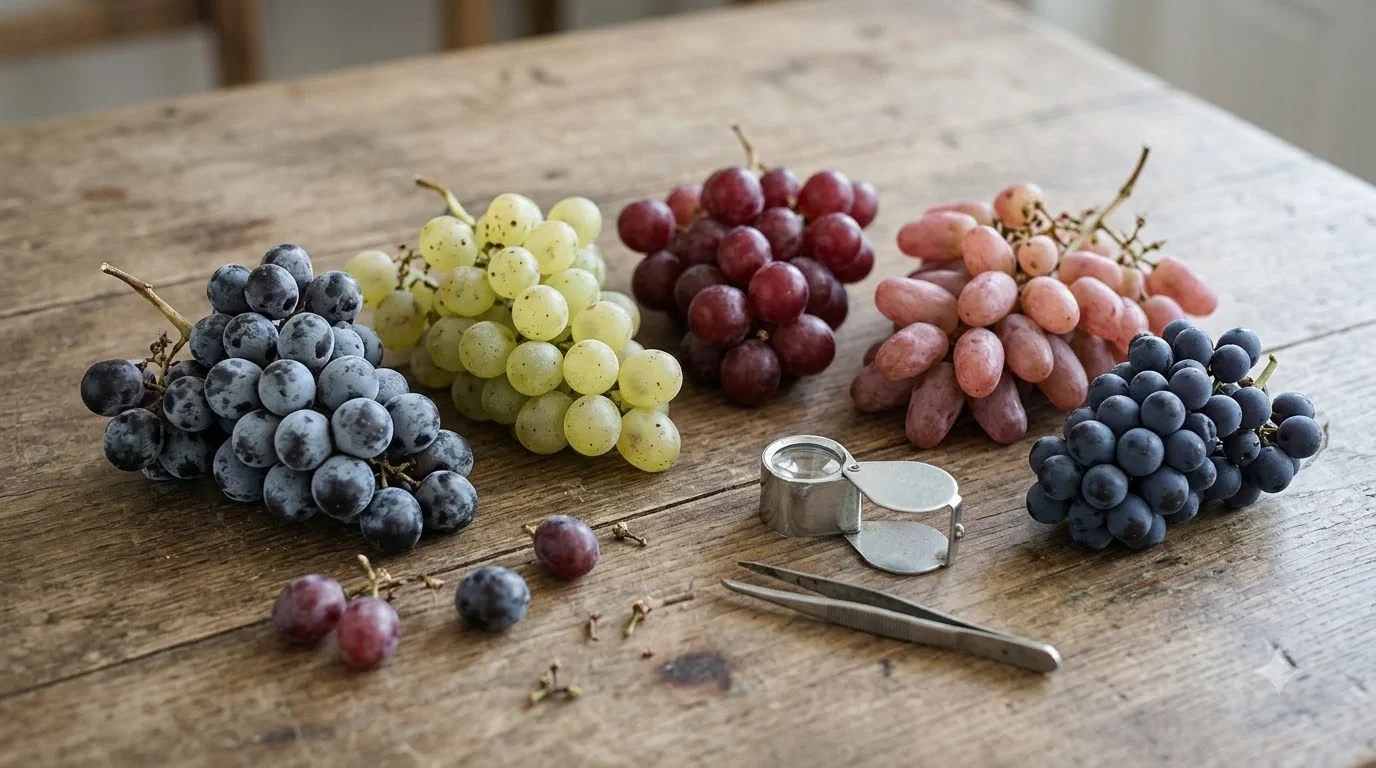
The tokaji grape is not one single cultivar: Tokaji wines are made from six authorized white varieties grown in Hungary’s Tokaj region, led by Furmint. Furmint supplies the region’s firm acidity and capacity for noble-rot sweetness, while Hárslevelű and Sárgamuskotály add perfume and texture. Together, these grapes make dry whites as well as famous sweet wines such as Tokaji Aszú and Eszencia.
“Tokaji” describes wine from Tokaj, not the name of a particular grape. Knowing the varieties behind the name makes it easier to understand why one bottle tastes like crisp apple and citrus while another offers concentrated apricot, honey, and a long, sweet finish.
Tokaj Names a Region, Not a Single Grape
Tokaji is the regional wine name for Hungary’s Tokaj winegrowing district in the country’s northeast, close to the Slovak border and the foothills of the Carpathian Mountains. Six white grapes are authorized for Tokaji production, and the region makes both dry wines and sweet styles shaped by noble rot.
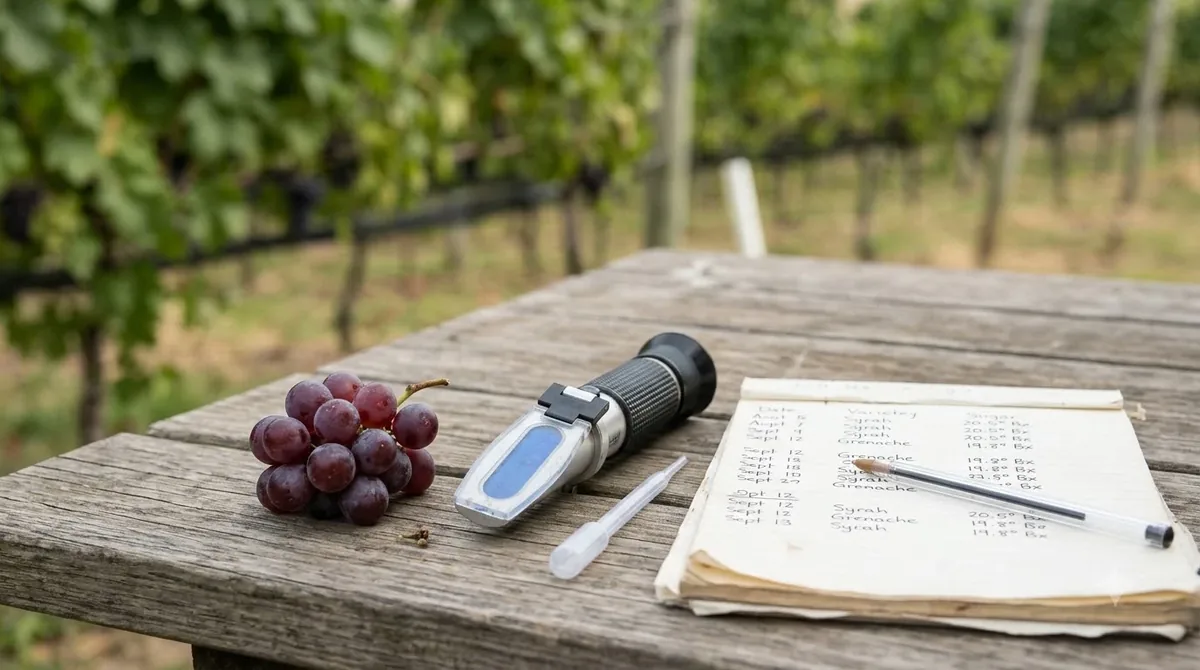
The distinction matters because a bottle labeled Tokaji does not automatically tell you that it is made from Furmint alone. It identifies a protected regional tradition whose wines can be single-variety bottlings or blends. Furmint is the leading grape, but Hárslevelű and Sárgamuskotály are also important, and three less widely planted varieties broaden the range. The finished wine may be fresh and dry, gently sweet, or intensely concentrated depending on the harvest and cellar choices.
Tokaj and Tokaji are related but not interchangeable words: Tokaj is the place, while Tokaji refers to wine from that place. That is different from a label built around a grape name. For a quick explanation of how grape, place, and style shape a bottle, see the site’s overview of Wine by Type. The name can be confusing for anyone expecting a single variety in the way a varietal wine is organized, so it helps to think of Tokaji first as a regional category.
The Six Authorized Grapes and Their Roles
Furmint dominates Tokaj plantings, while Hárslevelű and Sárgamuskotály are the next most important varieties. The six authorized grapes have different ripening patterns, aromas, and levels of acidity, which gives winemakers several ways to build a dry blend or a sweet wine.
According to Wines of Tokaj, Furmint accounts for about 60% of regional plantings, Hárslevelű for 19%, and Sárgamuskotály for 9%. Those figures help explain why Furmint is the reference point for the region, but they do not mean every Tokaji bottle is a Furmint wine. The other permitted grapes are Kövérszőlő, Kabar, and Zéta. Their smaller role does not make them unimportant: they can contribute earlier-ripening fruit, perfume, or the ability to accumulate sugar for late-harvest and Aszú production.
Furmint is late-ripening and naturally high in acidity. Dry wines commonly show apple, pear, and citrus, with honey and nut notes developing as they age. The acidity balances sweetness, and the grape’s susceptibility to noble rot makes it especially useful for Aszú. Hárslevelű is softer and more aromatic, often suggesting linden honey and flowers; it can be bottled alone or used to add fragrance and breadth to Furmint.
Sárgamuskotály is Muscat Blanc à Petits Grains, an early-ripening grape with a distinctive perfume that suits fresh dry wine, late harvest, and Aszú. Kövérszőlő (“fat grape”) also ripens early and can show honey, hazelnut, and dried apricot. Kabar crosses Bouvier with the Hárslevelű 1007 clone and can retain 8–10 grams per liter of must acidity; Zéta crosses Bouvier with Furmint and is valued for sugar accumulation in sweet-wine blends. The profiles make label choices clearer: Furmint suggests apple and citrus, Hárslevelű adds floral character, and Sárgamuskotály is more overtly aromatic. Tokaj’s grapes are selected for dry wines and their ability to become botrytised in suitable seasons, a broader purpose than readers may expect from another white-grape profile such as the Airen grape.
Noble Rot Turns Ripe Grapes Into Aszú Berries
The defining sweet-wine process depends on a rare sequence: healthy grapes ripen fully, humid autumn conditions encourage Botrytis cinerea, and later dry, sunny weather shrivels the berries. The Tokaj harvest can stretch from early September into late November, with several selective passes through the same vineyard.
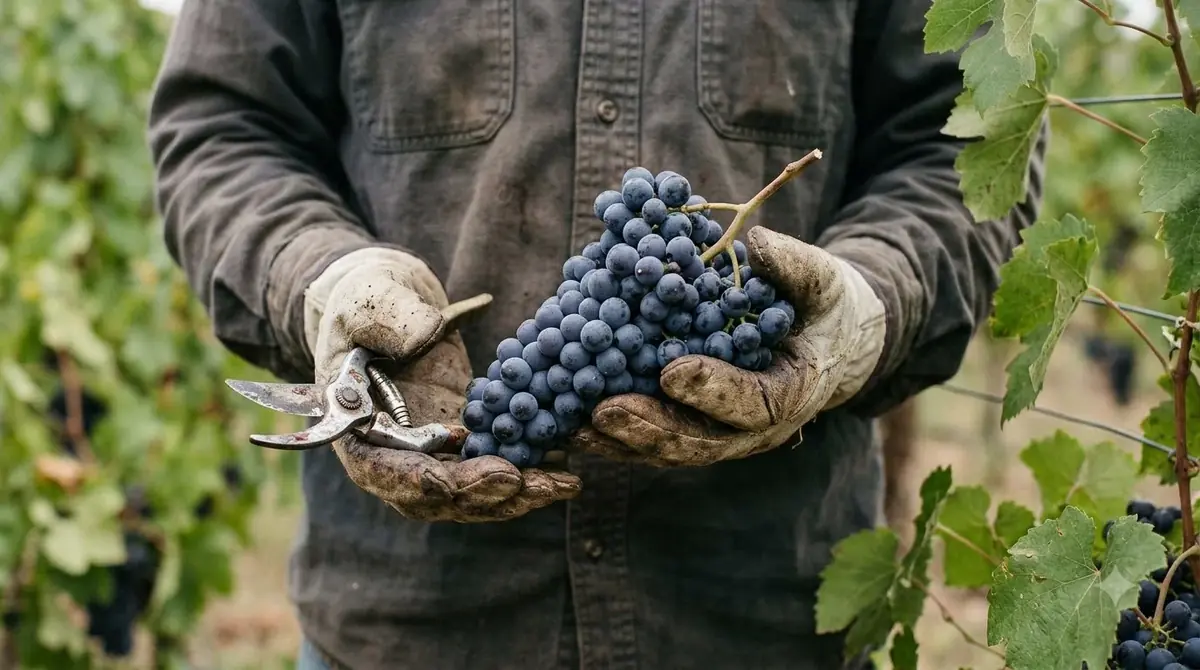
Botrytis cinerea can cause destructive grey rot in unsuitable conditions, but it produces noble rot when ripe, healthy grapes encounter the right balance of moisture and drying weather. Tokaj’s Bodrog and Tisza rivers help create humid mornings, while sunny afternoons encourage evaporation. The fungus makes grape skins more permeable, concentrating sugar, acidity, and flavor compounds as water escapes. Noble rot also contributes aromas associated with apricot, peach, apple, caramel, and honey.
The sequence requires a good summer for ripe fruit, a humid early autumn for noble rot to develop, and a sunny, breezy Indian summer to dry the berries into aszú. If the fruit is damaged or the weather stays too wet, grey rot can take over. This uncertainty explains why Aszú is not made in every vintage, even in a region known for noble rot.
Aszú berries are picked individually in several passes, not harvested as ordinary bunches. Two or three generations of berries may develop in a vineyard during a season, and exceptional years can produce four. Selective picking can continue until the end of November, with workers returning to choose only berries that have reached the right condition.
Tokaji Styles Range From Dry White to Eszencia
Tokaj’s grapes produce more than one kind of wine: dry whites sit alongside late-harvest wines, Szamorodni, Tokaji Aszú, and the exceptionally concentrated Eszencia. The main differences are how the grapes are selected and processed, how much sugar remains, and how long the wine spends in wood.
Dry Furmint is the clearest introduction to the grape’s acidity and texture; it can be unoaked and crisp or barrel-aged and broader. Dry Szamorodni is made from whole bunches containing healthy and botrytised grapes. The regional description sets its residual sugar at no more than 9 grams per liter and specifies at least six months in wood; sweet Szamorodni uses the same mixed-bunch approach but has a minimum of 45 grams per liter. Late-harvest Tokaji uses grapes left longer on the vine, sometimes with botrytis, and also has a listed minimum of 45 grams per liter.
Tokaji Aszú is the best-known sweet style. Hand-selected aszú berries are macerated in must, partly fermented must, fermenting must, or wine from the same vintage. Regional rules require at least 120 grams per liter of residual sugar and 18 months of aging in wooden barrels. Eszencia is different: it is the free-run juice that drains from botrytised berries without pressing, with a minimum natural residual sugar of 450 grams per liter and very slow fermentation. The table summarizes these key figures.
| Tokaji style | Residual sugar figure | Cellar or production detail |
|---|---|---|
| Dry Szamorodni | Maximum 9 g/L | Whole bunches; at least 6 months in wood |
| Sweet Szamorodni | Minimum 45 g/L | Whole bunches; at least 6 months in wood |
| Late Harvest | Minimum 45 g/L | Longer-ripened grapes; no compulsory process specified |
| Tokaji Aszú | Minimum 120 g/L | Individually selected berries; at least 18 months in wood |
| Eszencia | Minimum 450 g/L | Free-run juice from botrytised berries; minimal fermentation |
The figures explain sweetness but not the whole experience: acidity, fruit concentration, age, and botrytis shape whether a wine feels fresh, dense, honeyed, or sharply focused. A 120-gram-per-liter Aszú can still finish with vivid acidity, while Eszencia is closer to concentrated nectar than to an ordinary dessert wine. For contrast, the red Brachetto grape makes a very different style from Tokaj’s white varieties.
Flavor, Acidity, and Texture Define Tokaji
Furmint gives many Tokaji wines their backbone: high acidity, a firm shape, and flavors that can move from citrus and orchard fruit to honey and nuts with age. In sweet wines, that acidity balances concentrated sugar and keeps the finish from feeling flat.
In young dry Furmint, look for green apple, pear, lemon, and sometimes a stony or smoky impression. With age, the fruit can shift toward baked apple, nuts, and honey, while barrel aging may add spice or a rounder texture. Hárslevelű brings a softer, more fragrant dimension, often suggesting linden blossom and honey; Sárgamuskotály is the most overtly aromatic of the three main grapes, with a recognizable Muscat perfume.
Botrytis adds another layer rather than replacing the grape’s own character. Decanter describes aromas including apricot, peach, apple, caramel, and honey, while the fungus also concentrates the grape’s components as water evaporates. The same article notes that Tokaji Aszú commonly sits around pH 3.1–3.3, a low-pH structure that helps explain the wine’s striking freshness beside its sweetness. For a technical look at the process, read Decanter’s explanation of Tokaji Aszú and noble rot.
Texture varies with style. Dry Furmint may feel brisk and taut, barrel-aged examples can gain weight, and Aszú often feels silky or almost oily because of its concentration. Eszencia is more extreme: very high sugar and minimal alcohol create a dense, slow-moving texture, but the acidity remains important. This range is why it is more useful to ask whether a Tokaji is dry, late-harvest, Szamorodni, Aszú, or Eszencia than to expect one fixed flavor profile from the regional name.
Food Pairings and Serving Temperatures
Dry Furmint works well with foods that welcome high acidity, while sweet Tokaji is best with dishes that can meet its level of sweetness or contrast its richness with salt. Serve lighter, fresher styles cool and give concentrated sweet wines enough chill to keep their balance.
Dry Furmint is a natural partner for seafood, roast chicken, and creamy dishes. Its acidity cuts through butter or cream, while apple and citrus complement white fish, shellfish, and poultry. Hárslevelű suits roast chicken with herbs or mildly spiced dishes. Sárgamuskotály’s perfume can work with aromatic food, but very hot chili can make alcohol seem more prominent and flatten delicate fruit. These white wines contrast with the red Dornfelder grape, which offers darker fruit and a different tannin structure.
Tokaji Aszú pairs well with blue cheese, pâté, roasted nuts, and fruit desserts. Make sure the dessert is no sweeter than the wine; an overly sweet pastry can make a balanced wine seem lean. Salt and savory richness provide contrast, while apricot, peach, honey, and orange-peel flavors echo the wine. A fruit tart or poached pear can work when its sweetness is restrained. Eszencia is so concentrated that a small pour beside a lightly sweetened dessert is often more satisfying than a large serving.
For temperature, serve sweet Tokaji at about 43–50°F. A dry, lighter-bodied Furmint is usually most expressive around 45–50°F, while a fuller, barrel-aged white can be served closer to 50–55°F. Too much chill can mute aromas; too much warmth can make sweetness feel heavier. Use a small white-wine glass for dry styles and a smaller dessert-wine glass for Aszú or Eszencia so the aroma gathers without requiring a large pour.
Tip: Chill a bottle of Tokaji Aszú to 43–50°F, then pour a small first serving. Let it warm slightly in the glass if the aromas seem closed; the extra few degrees can reveal more apricot, citrus, and honey without making the wine feel heavy.
How to Choose, Open, and Store a Bottle
Start by choosing the style rather than guessing from the regional name: dry Furmint for a high-acid white, Late Harvest or sweet Szamorodni for a gentler sweet wine, and Aszú for a more concentrated dessert wine. Then look at the grape, residual-sugar information, and producer description to narrow the choice.
For a first bottle, dry Furmint shows the variety’s apple, pear, citrus, and acidity without the extra influence of noble rot. A blend with Hárslevelű may feel softer and more floral, while Sárgamuskotály adds Muscat perfume. Late Harvest is a gentler entry to sweet Tokaji; Aszú offers greater concentration and requires hand-selected berries and barrel aging. Read the style name carefully: “száraz” indicates dry Szamorodni, “édes” means sweet, Aszú signals individually selected botrytised berries, and Eszencia indicates concentrated free-run juice.
A 750-milliliter bottle provides about five standard 5-ounce glasses, though Aszú and Eszencia are often served in smaller pours. After opening, seal the bottle and refrigerate it; a practical guideline for still wine is three to five days, depending on the wine, closure, and air left in the bottle. Store unopened bottles in a cool, dark place near 55°F, away from vibration and temperature swings, with cork-finished bottles on their sides. Well-made sweet Tokaji can age for many years, but fresh, unoaked Furmint is often best enjoyed while its fruit is lively.
Frequently Asked Questions
These details add linguistic and historical context to Tokaji’s six permitted varieties and its traditional sweet wines.
What does the Hungarian word “aszú” mean?
Aszú means shriveled, referring to the noble-rotted berries selected for the wine. In Tokaj, the term identifies both the specially selected fruit and the sweet wine made by macerating those berries with must or wine.
Is Furmint related to Chardonnay?
Yes, regional information reports that DNA testing identifies Gouais Blanc as one of Furmint’s ancestors. That places Furmint in the same broader family as Chardonnay and Riesling, although its own flavor profile and role in Tokaj are distinct.
Why is Hárslevelű associated with linden honey?
The name Hárslevelű refers to the grape’s leaf shape, which resembles a linden tree leaf. The Hungarian word for the linden tree is “hársfa,” and the wine’s aroma is often compared with linden honey.
How long has Tokaji Aszú been documented?
Decanter notes that aszú berries have been documented in Tokaj since 1527. The modern style depends on the same basic natural sequence of ripe fruit, noble rot, and drying conditions, even though cellar practices have developed over time.
What does 6 puttonyos mean on an Aszú label?
The puttonyos scale historically described how many baskets of aszú berries were added to a barrel of wine. WSET explains that 6 puttonyos indicates at least 150 grams per liter of residual sugar, compared with the 120-gram minimum associated with 5 puttonyos.
Tokaji is best understood as a family of regional wines built around Furmint, Hárslevelű, and four other permitted grapes, not as a single grape variety. Start with a dry Furmint to learn the region’s acidity, then compare a sweet Aszú to experience how noble rot transforms the same landscape into one of the world’s distinctive dessert wines.
More in Wine Types & Grapes
 Zinfandel Sugar Content: Dry Red vs. White Zinfandel GramsUpdated Nov 21, 2026
 Best Zinfandel Substitute Options for Sipping and CookingUpdated Nov 21, 2026
 Zweigelt Food Pairing: Best Dishes, Cheeses, and Serving TipsUpdated Nov 21, 2026
 Zinfandel Tannins Explained: How Structure Shapes Every BottleUpdated Nov 21, 2026
 Zinfandel Sweetness Level: Dry Red vs. Sweet White Zin ExplainedUpdated Nov 21, 2026
 Xinomavro Food Pairing: Best Dishes, Styles, and Serving TipsUpdated Nov 21, 2026