

We may earn a commission when you buy through links on this page, at no extra cost to you. Learn more.
the velvet devil wine is a Washington State Merlot made by Charles Smith Wines, known for its smooth texture, dark-fruit flavors, and notes of cedar, tobacco, and cassis. It is a dry red designed for an approachable, fruit-forward style rather than a heavily tannic or austere one. Expect a medium-bodied pour with enough freshness to work at the dinner table, especially alongside burgers, grilled steak, and bacon-rich dishes.
The name is playful, but the wine itself is easy to place: a Merlot-led Washington red with a plush feel and savory accents. The details that matter most are its vintage, the way its fruit and oak notes show in the glass, and how you serve it with food. This guide explains what to expect and how to get the best balance from the bottle.
What The Velvet Devil Is
The Velvet Devil is a Merlot from Charles Smith Wines in Washington State. The producer presents it as a smooth, dark-fruited red, and its description connects the wine’s name with a velvety texture and a cheeky personality. For a shopper, the essential facts are straightforward: it is a still red wine, Merlot is the named grape, Washington is the stated region, and a 750-milliliter bottle is the standard format reviewed by major wine publications.
The producer says the wine was created partly in response to the anti-Merlot sentiment that followed the film Sideways. Rather than treating Merlot as a punchline, Charles Smith set out to make a bottling that showed its appeal through plush fruit and a soft, rounded feel. The story is useful context, but the wine should be judged in the glass: the current producer description emphasizes black fruit, cedar, tobacco, and cassis, not a movie tie-in or novelty flavor.
The producer’s current page identifies The Velvet Devil as Merlot but does not state a blend percentage. Treat the vintage as meaningful rather than assuming that a component listed for one year applies to another. Washington gives useful context: Wine Enthusiast describes the state’s Merlot as capable of combining ripe fruit with structure and natural acidity, particularly in the Columbia Valley. For a broader look at how labels and producers shape expectations, the site’s Wine Brands overview is a useful starting point.
Flavor, Aroma, and Texture
The Velvet Devil’s signature is a mix of ripe dark fruit and savory detail, carried by a smooth, medium-bodied texture. Its profile can include blackberry, blueberry, cassis, cedar, tobacco, floral notes, and a faint savory or saline edge. The exact balance changes with the vintage, but the general direction is generous fruit with enough acidity and tannin to keep the wine from feeling flat.

The producer’s tasting description calls out black fruit, cedar, tobacco, and cassis. Wine Enthusiast’s review of the 2022 vintage adds ripe blackberry aromas, rose and sweet-pea floral notes, blueberry flavor, and a mildly briny impression. It describes a velvety mouthfeel, plush tannins, brighter acidity, and a medium body. Decanter’s review also notes red and black berry fruit, bright acidity, and a long, spicy finish. Together, those notes suggest a rounded wine with enough freshness and grip for savory food.
Think of the aromas in layers: blackberry, blueberry, and cassis form the fruit center; cedar and tobacco add a dry, woodsy register; floral notes bring lift; and spice may become more apparent as the wine opens. Merlot generally has medium tannin, softer than Cabernet Sauvignon, so the texture can feel forgiving without being structureless. A cooler serving temperature emphasizes freshness, while a warmer glass can make the fruit seem broader and the alcohol more noticeable.
What Vintage Differences Mean
Vintage matters because The Velvet Devil’s tasting profile is not identical from one release to another. Two Wine Enthusiast reviews list the 2021 and 2022 vintages at 13.5% alcohol by volume in 750-milliliter bottles, but their tasting descriptions emphasize different combinations of fruit, acidity, and structure. That is a practical reason to read a review by vintage instead of relying on a single general description of the label.
Wine Enthusiast describes the 2021 bottling as especially smooth, with abundant blackberry, sweet pipe tobacco, balsa wood, and espresso notes. The reviewer characterizes its tannic structure as restrained and its acidity as subdued. In the 2022 review, the wine is still described as velvety and medium-bodied, but the notes include ripe blackberry, floral aromas, blueberry, a saline impression, plush tannins, and brighter acidity. The difference is not a contradiction: fruit ripeness, harvest conditions, blending choices, and winemaking decisions can move the balance from one vintage to the next.
That comparison helps set expectations. The 2021 description may appeal if you prefer softer, fruit-saturated Merlot, while the 2022 note may suit someone who likes a brighter line of acidity and more savory detail. These are descriptions of specific bottles, not guarantees for every release. Before choosing, identify the vintage and look for a review of that exact year; pay attention to body, acidity, tannin, and dominant fruit notes rather than comparing scores alone.
Food Pairings That Bring Out Its Best
The Velvet Devil is most at home with savory food that has enough flavor to meet its ripe fruit and moderate tannin. The producer specifically recommends burgers, grilled steak, and bacon-focused dishes, which make sense because browned meat, smoke, and salt complement the wine’s dark fruit and cedar notes. Start with a straightforward main dish rather than a delicate preparation that could be overwhelmed by a red wine.
A cheeseburger is an easy match. The beef supplies savory depth, the browned crust adds roasted flavor, and the salt and fat soften the wine’s tannin. A sharp cheddar or aged Swiss can add more intensity, while caramelized onions echo the wine’s darker, sweeter-smelling fruit without making the pairing taste sugary. Keep very hot condiments moderate: chili heat can seem stronger alongside alcohol and tannin, so a mild mustard or smoky ketchup is usually easier to balance than a fiery sauce.
Grilled steak is another natural choice. A strip steak, ribeye, or grilled flank steak brings char and savory richness, while mushrooms, rosemary, or a modest red-wine pan sauce connect with cedar and tobacco notes. Merlot’s medium tannin is generally less forceful than Cabernet Sauvignon’s high tannin, so it can be a good choice when you want a red wine with steak but do not want the firmest possible grip. For a leaner cut, add a little olive oil, butter, or mushroom sauce to give the dish enough richness.
For a meat-free dinner, try roasted mushrooms, lentil shepherd’s pie, eggplant parmigiana, or a grilled portobello burger. Their earthy, browned flavors echo the wine’s savory character, while tomato-based sauces bring acidity that refreshes the palate. Bacon, barbecue, and smoked foods also work because salt and fat soften tannin and smoke complements tobacco and woodsy notes. Choose a restrained tomato-based sauce over a very sweet glaze, which can make the wine seem sour. For a different red-wine comparison, Campo Viejo red wine can show how Tempranillo-based Spanish reds approach fruit, acidity, and food differently.
Serving Temperature, Glassware, and Storage
Serve The Velvet Devil slightly cool rather than at a warm room temperature. A practical target is 58–60°F: cool enough to keep the wine’s acidity and fruit in focus, but not so cold that the aromas seem muted. If the bottle has been stored at a typical room temperature, chill it briefly before serving and let it settle in the glass. Temperature matters because a red that feels plush and balanced when cool can seem heavier and more alcoholic when too warm.
Use a standard red-wine glass with a bowl wide enough to let the wine move when swirled. You do not need special glassware to enjoy it, but a moderately broad bowl gives blackberry, blueberry, cedar, and tobacco aromas room to gather above the wine. Pour a measured five-ounce serving so each glass has enough space for swirling and smelling. A standard 750-milliliter bottle yields about five such glasses, making it easy to plan for a small dinner without overpouring.
Decanting is optional for this medium-bodied, smooth Merlot. Open the bottle shortly before dinner, pour a small taste, and give it a gentle swirl; if the aromas seem quiet, allow the wine another 10 to 15 minutes in the glass. A young, especially full-bodied red can benefit from 30 to 60 minutes in a decanter, but that is a general guideline for more structured reds, not a requirement for every bottle of The Velvet Devil. The aim is to let the wine open naturally, not to expose it to air for a fixed ritual.
Store an unopened bottle on its side in a cool, dark place near 55°F, away from sunlight, vibration, and sharp temperature swings. Once opened, put the bottle in the refrigerator and use it within about three to five days for the best freshness. Bring the remaining wine back toward serving temperature before pouring another glass. A wine stopper can limit air exposure, but refrigeration is the more important step because cooler conditions slow the changes that make fruit aromas fade.
Tip: Chill the bottle toward 58–60°F, pour a small first taste, and let the glass warm for a few minutes. That simple sequence is often more useful than serving the wine warm or decanting it for an arbitrary length of time.
| Serving detail | Practical guideline | Why it helps |
|---|---|---|
| Serving temperature | 58–60°F | Keeps fruit and freshness in balance |
| Pour size | 5 oz | Leaves room in the glass for aromas |
| Standard bottle | 750 ml; about 5 pours | Useful for planning a dinner |
| Opened-bottle storage | Refrigerate; aim for 3–5 days | Slows loss of fresh fruit character |
| Unopened-bottle storage | On its side, near 55°F | Supports steady storage conditions |
Choosing a Bottle and Comparing Similar Reds
Start with the vintage, then consider how you like your red wine to feel. If you enjoy plush texture, ripe blackberry, and softer tannin, The Velvet Devil is a sensible Merlot to consider. If you prefer firmer structure and more pronounced tannin, a Cabernet Sauvignon may be a better fit. For a more delicate red with higher acidity and less weight, Pinot Noir offers a different shape. Those are broad grape tendencies, not promises about every producer or region, but they help clarify what you are looking for before opening the bottle.
Compare The Velvet Devil with other bottles by grape and style, not only by label design. A Bordeaux-influenced wine associated with Baron Philippe de Rothschild wine offers a useful point of contrast because Merlot is important in many Bordeaux blends, where Cabernet varieties and regional choices can shift the structure. A Tempranillo-based Rioja, such as Campo Viejo, can provide another comparison in red fruit, savory notes, oak, and acidity. The point is not to decide which region is better, but to notice how grape variety and cellar choices affect the glass.
Read the label for vintage, grape, region, and alcohol percentage, then use producer notes and independent reviews to fill in the sensory picture. The 2021 and 2022 Wine Enthusiast reviews both list 13.5% ABV, but do not assume every release must match that figure. A few notes about fruit, acidity, tannin, body, and the meal can help you see whether you prefer the brighter style described for one vintage or the softer, blackberry-led style of another.
For a quick reference, the producer’s The Velvet Devil Merlot page gives the house description and pairing suggestions, while Wine Enthusiast’s 2022 review offers an independent, vintage-specific tasting account.
Frequently Asked Questions
These quick answers cover a few details that often come up after the style, pairings, and serving advice are clear. They also help distinguish a vintage-specific fact from a general expectation for the label.
Is The Velvet Devil a sweet wine?
No. Decanter classifies the 2017 bottling as dry, so it should be approached as a dry red rather than a sweet or dessert wine. Ripe fruit aromas can smell generous without making the wine sweet on the palate.
What does an 89-point score mean?
On Wine Enthusiast’s published scoring scale, 87–89 points falls in its “Very Good” category. A score is an editorial assessment of a particular wine and vintage, not a guarantee that every release under the same label will taste identical.
Does Charles Smith make wines besides The Velvet Devil?
Yes. The Charles Smith Wines lineup shown on the producer’s site includes Kung Fu Girl Riesling, Boom Boom! Syrah, Chateau Smith Cabernet Sauvignon, and Eve Chardonnay. Those wines provide very different grape and style reference points from The Velvet Devil Merlot.
What cheese pairs with The Velvet Devil?
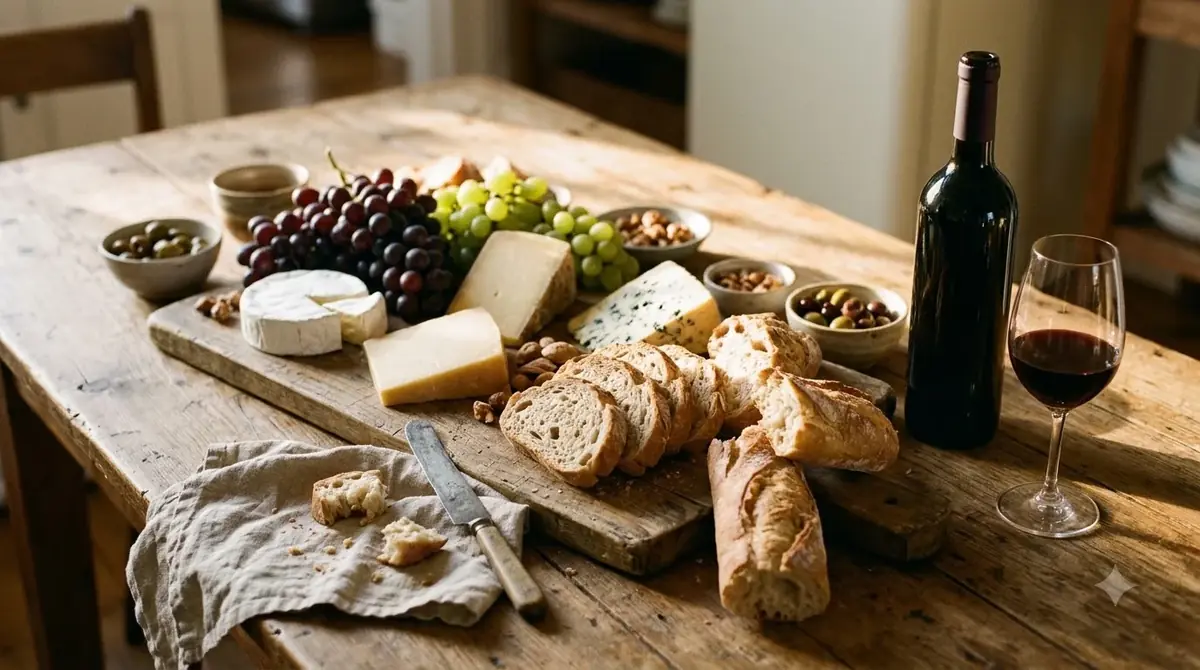
Aged cheddar, Gouda, and Manchego are good places to start because their savory intensity can meet the wine’s dark fruit. Their salt and fat also soften Merlot’s moderate tannin, while very mild fresh cheeses may seem less flavorful beside the red.
Does The Velvet Devil use a screwcap?
Decanter lists a screwcap closure for its 2017 vintage entry. Closure details are vintage-specific, so do not assume that every bottle from another release uses the same closure.
The Velvet Devil is a straightforward choice for drinkers who like Washington Merlot with ripe dark fruit, a smooth texture, and enough freshness for the table. Serve it cool, pair it with savory food, and use the vintage as your guide to the details in the glass. Its strongest appeal is the balance of easygoing fruit and grounded, food-friendly character.
More in Wine Brands
 Underwood Wine Price: Compare Bottles, Cans, and Pack SizesUpdated Nov 21, 2026
 Zenato Wine Price: Compare Styles and Choose the Right BottleUpdated Nov 21, 2026
 Zuccardi Wine Price: Compare Bottles and Find the Right RangeUpdated Nov 21, 2026
 Yellow Tail Moscato Review: Taste, Sweetness and Serving TipsUpdated Nov 21, 2026
 Wolf Blass Yellow Label Review: Choose Your Best StyleUpdated Nov 21, 2026
 Wolffer Estate Rose Review: Choose the Right Bottle for Your TableUpdated Nov 21, 2026