

We may earn a commission when you buy through links on this page, at no extra cost to you. Learn more.
Tempranillo with turkey is an excellent pairing, particularly when you choose a balanced Spanish red with moderate tannins, fresh acidity, and ripe cherry or plum flavors. Young Rioja and softer, fruit-forward Tempranillo styles complement roasted turkey, herb stuffing, and savory gravy without overwhelming the meat. For richer holiday meals, an aged Rioja Reserva or Gran Reserva can bring additional savory complexity and a smoother texture.
Turkey presents an interesting wine-pairing challenge because the bird itself is relatively mild, but the traditional holiday plate contains numerous competing flavors. Cranberry sauce, buttery mashed potatoes, sausage stuffing, roasted vegetables, and gravy all influence how a wine tastes. Tempranillo offers a useful middle ground between delicate reds and powerful, heavily structured wines. Its combination of red and dark fruit, savory character, oak-derived spice, and moderate acidity makes it a versatile option for Thanksgiving and Christmas dinners.
Why Tempranillo Works With Turkey
Tempranillo works because its fruit, savory character, and moderate acidity complement roasted poultry and traditional holiday seasonings. The most successful examples also have sufficiently restrained tannins to avoid overpowering lean turkey breast.
Turkey has a relatively delicate flavor compared with beef, lamb, or heavily seasoned game. Its breast meat is particularly lean, while dark meat from the legs and thighs has a richer flavor and slightly more substantial texture. A very tannic red can make the breast seem drier and can dominate the more delicate flavors of the bird. Tempranillo offers more structure than many light reds, but its fruit-forward expressions can remain approachable alongside poultry.
The grape’s familiar cherry, strawberry, blackberry, and plum flavors provide a pleasant contrast to the savory taste of roasted skin and meat. These fruit characteristics are especially useful when the turkey is seasoned with rosemary, thyme, sage, garlic, or black pepper. Rather than introducing an entirely different flavor profile, the wine complements the roasted and herbal notes already present in the meal.
Oak-aged Tempranillo introduces another dimension. American oak can contribute vanilla and toasted flavors, while bottle development may bring leather, tobacco, and smoky characteristics. These notes work naturally with browned turkey skin, mushroom stuffing, roasted onions, and pan gravy.
There is also a practical advantage to choosing Tempranillo for a large gathering: it can accommodate several preparations of turkey and different savory side dishes. A fruit-forward Rioja can accompany white and dark meat, while a more developed example can stand up to richer stuffing and roasted vegetables. The important consideration is avoiding a wine whose tannins or alcohol dominate the meal.
The pairing is particularly successful when the wine has enough fruit to balance savory flavors without becoming noticeably sweet. Turkey does not require an especially powerful red, and a balanced Tempranillo usually provides sufficient character without competing with the food. The official Rioja Tempranillo grape profile describes the variety’s red and black fruit aromas and its versatility across young and aged wine styles.
Choosing Between Young Tempranillo, Rioja, and Ribera del Duero
The best Tempranillo for turkey depends on its aging, concentration, and tannin level. Young, fruit-driven bottles are generally the most flexible choice for classic roasted turkey, while mature Rioja offers a more savory alternative for elaborate holiday menus.
Tempranillo is grown in several Spanish regions and can produce wines with noticeably different personalities. Rioja is particularly associated with balanced, oak-influenced expressions, while Ribera del Duero is known for concentrated reds with substantial fruit and structure. Both can work with turkey, but their weight and development matter more than the regional name alone.
Young Tempranillo and Joven wines
Young Tempranillo emphasizes fresh fruit rather than extended oak maturation. Expect cherry, strawberry, plum, and sometimes blackberry, with a straightforward finish and relatively accessible structure. These wines are particularly suitable for roasted turkey breast, simple herb stuffing, and dishes that do not contain especially rich sauces.
Joven is a useful Spanish term when looking for a younger style with little or no significant aging. It is a practical choice for a Thanksgiving table dominated by lighter preparations. The fresh fruit can complement roasted meat, while the comparatively straightforward profile avoids adding too much oak or savory intensity to the plate.
Rioja Crianza and Reserva
Rioja Crianza provides a useful balance between fruit and maturation. These wines can show cherry and plum alongside vanilla, toasted oak, and spice. The additional structure works particularly well with roasted turkey legs, mushroom stuffing, and gravy.
Rioja Reserva generally offers greater development and complexity. Depending on the producer and bottle, it may show dried fruit, leather, tobacco, and more integrated oak. Its smoother, developed character can be especially attractive alongside turkey with browned skin, sage stuffing, and roasted root vegetables.
Ribera del Duero
Ribera del Duero can produce darker, fuller-bodied Tempranillo with concentrated black fruit, earthy notes, and more pronounced structure. These wines are better suited to intensely roasted preparations, smoked turkey, or dishes with substantial mushroom and sausage stuffing.
However, avoid assuming that every powerful Ribera del Duero is appropriate for lean turkey breast. A particularly concentrated bottle with firm tannins may overpower the meat. Choose a balanced example, especially if the table includes cranberry sauce or sweet potato casserole.
| Tempranillo style | Typical character | Best turkey pairing |
|---|---|---|
| Joven | Fresh cherry, strawberry, plum | Roasted breast and herb stuffing |
| Crianza | Fruit, vanilla, gentle oak spice | Roasted turkey and savory gravy |
| Reserva | Developed fruit, leather, spice | Dark meat and mushroom stuffing |
| Gran Reserva | Integrated tannin, dried fruit, tobacco | Slow-roasted turkey and rich sides |
| Ribera del Duero | Darker fruit, concentration, structure | Smoked turkey and roasted dark meat |
Spanish aging categories provide useful guidance, although individual producers and regional rules influence the finished style. For Rioja, Crianza requires at least two years of aging, including at least one year in oak for red wine. Reserva requires at least three years in total, including at least one year in oak. Gran Reserva requires at least five years, including at least two years in oak and additional bottle aging.
For comparison, a Rioja Gran Reserva is not automatically better for turkey than a younger Crianza. A younger bottle may provide fresher fruit and more flexibility, while an older bottle may offer greater complexity. The best decision depends on the seasoning, side dishes, and intensity of the meal.
Matching Tempranillo With Thanksgiving Sides
Thanksgiving accompaniments can determine whether a Tempranillo pairing succeeds. Savory stuffing, gravy, mushrooms, and roasted vegetables are natural partners, while sweet cranberry sauce and glazed vegetables require a little more attention.
Stuffing is one of the strongest reasons to serve Tempranillo with turkey. Traditional bread stuffing contains herbs, onion, celery, butter, and sometimes sausage. These ingredients provide the savory depth and richness that make a medium-bodied red more satisfying than it might be with plain turkey breast alone.
For sausage stuffing, choose a fruit-forward Crianza or a balanced Rioja Reserva. The savory meat and browned bread complement the wine’s cherry, plum, and oak-spice characteristics. Mushroom stuffing also works particularly well with developed Tempranillo because earthy mushroom flavors connect naturally with the wine’s leather and tobacco notes.
Gravy is another favorable match. Its savory, concentrated character adds richness to lean poultry, while salt and fat soften the perception of tannin. A wine with fresh acidity helps prevent the overall meal from feeling too heavy. Tempranillo’s moderate acidity makes it a reasonable partner for traditional gravy, provided the wine is not excessively ripe or alcoholic.
Potatoes and roasted vegetables
Roasted potatoes provide crisp edges, browned surfaces, and savory flavors that work well with oak-aged Tempranillo. Mashed potatoes are also suitable, particularly when prepared with butter and cream. Their richness helps accommodate the wine’s structure, while garlic and herbs reinforce its savory notes.
Roasted carrots, parsnips, Brussels sprouts, and onions offer additional opportunities. The caramelized surfaces of roasted vegetables complement the wine’s ripe fruit and gentle spice. Brussels sprouts can have a slightly bitter character, so preparations with butter, bacon, or a touch of sweetness generally provide a more balanced pairing than strongly bitter versions.
Cranberry sauce and sweet potatoes
Cranberry sauce requires more care because sweetness and acidity both influence how dry red wine tastes. A very sweet cranberry preparation can make a dry Tempranillo seem sharper, more bitter, and less fruity. A fresh, relatively tart cranberry sauce is generally easier to pair than a heavily sweetened version.
Sweet potato casserole and honey-glazed carrots create a similar challenge. If these dishes are particularly sweet, consider choosing a wine with generous ripe fruit and gentle tannins rather than a powerful, dry, oak-dominated red. Another option is to serve an off-dry Riesling alongside the sweeter dishes.
The same principle applies to cranberry relish with citrus or vinegar. Highly acidic accompaniments can make a lower-acidity wine seem flat. The wine should have acidity at least equal to that of the food for the pairing to remain balanced.
Tip: If your Thanksgiving plate contains sausage stuffing, mushroom gravy, and roasted potatoes, choose a balanced Rioja Crianza or Reserva. If sweet cranberry sauce and candied sweet potatoes dominate, choose a fruit-forward Tempranillo with restrained tannins and consider offering an off-dry white wine as an alternative.
Pairing Tempranillo With Different Turkey Preparations
Roasting, smoking, grilling, and frying change the flavor and richness of turkey, so the wine should match the cooking method. Fruit-forward Tempranillo is suitable for traditional roasting, while more concentrated or oak-influenced styles can work with stronger smoky and browned flavors.
Classic roasted turkey
For a traditional oven-roasted turkey, start with a medium-bodied Rioja Crianza. Its cherry and plum fruit, gentle oak spice, and moderate structure complement the meat without overwhelming it. The wine is especially effective when the bird is seasoned with thyme, rosemary, sage, garlic, and black pepper.
If the turkey has been roasted with butter, the additional richness can accommodate a slightly more structured Reserva. This is a good option for meals that include sausage stuffing and traditional pan gravy. For a simpler meal featuring mostly breast meat, a younger, lighter expression is usually the more versatile choice.
Herb-roasted turkey
Herbs are a natural bridge between Tempranillo and poultry. Rosemary, thyme, sage, and oregano complement the wine’s savory characteristics, while garlic and black pepper reinforce its spice notes. A younger Rioja or balanced Crianza is a particularly good choice for this preparation.
Be careful with very strong spice rubs. Large quantities of chili, cayenne, or hot paprika can make alcohol and tannins seem more intense. If the turkey has substantial chili heat, a fruit-forward wine with softer tannins and moderate alcohol is preferable to a highly concentrated red.
Smoked turkey
Smoked turkey generally has a deeper, more assertive flavor than traditionally roasted poultry. Its smoky exterior, savory seasoning, and richer dark meat can accommodate the additional complexity of oak-aged Tempranillo.
Consider a balanced Rioja Reserva or a moderately concentrated Ribera del Duero. Leather, tobacco, vanilla, and dark fruit can complement the smoky notes. However, an extremely tannic bottle may still overwhelm lean breast meat, so choose a wine with integrated structure rather than maximum extraction.
Grilled and barbecue turkey
Grilled turkey introduces charred edges and sometimes a sweet or smoky glaze. Tempranillo can work particularly well when the preparation emphasizes garlic, herbs, pepper, and restrained barbecue seasoning. The roasted flavors echo the wine’s savory and oak-derived characteristics.
For turkey brushed with a sweet barbecue sauce, avoid choosing an especially austere dry red. Sugar in the sauce can make the wine seem bitter and less fruity. A riper, fruit-forward Tempranillo is the better option, although a particularly sweet glaze may call for a wine with noticeable residual sugar instead.
Deep-fried turkey
Deep-fried turkey has a crisp exterior and a richer mouthfeel than roasted breast meat. A youthful Tempranillo with good fruit can provide a satisfying contrast, especially when the bird is served with savory herbs rather than sweet sauces.
Because frying introduces additional fat, the meal can also accommodate wines with somewhat more structure. Nevertheless, sparkling wine or a fuller-bodied Chardonnay may be more refreshing alternatives if the table includes heavily seasoned fried food and rich dipping sauces.
Serving Temperature, Decanting, and Pouring Tempranillo
Serving temperature has a noticeable effect on Tempranillo’s fruit, tannins, and alcohol. For a medium-bodied example, aim for approximately 60–65°F, adjusting slightly according to the wine’s weight and structure.
Many people serve red wine too warm, particularly during holiday meals when bottles remain on a kitchen counter or dining table. Excessive warmth can make alcohol more noticeable and reduce the impression of freshness. A slightly cool serving temperature helps maintain balance and makes the wine more refreshing alongside rich turkey dishes.
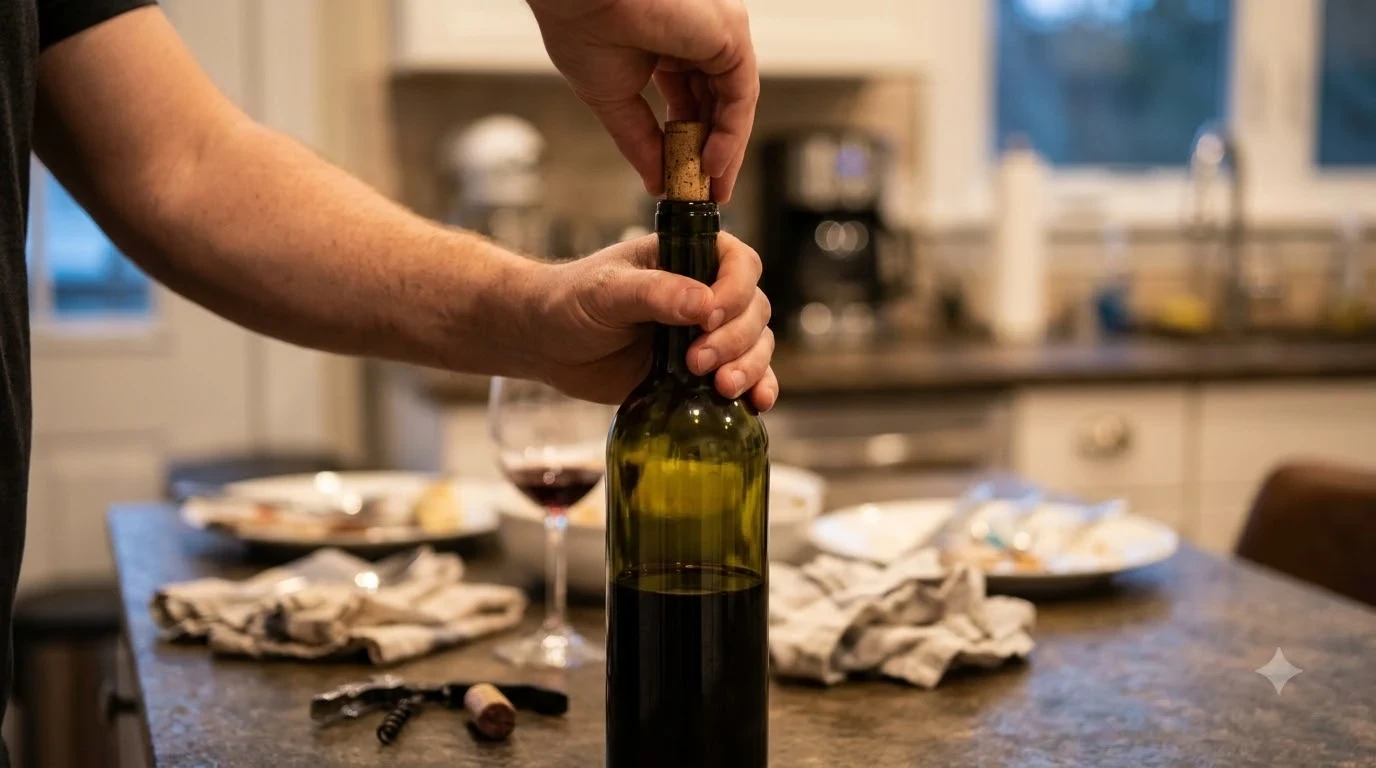
For a lighter, fruit-forward Tempranillo, the lower end of the range is a useful starting point. A more substantial Reserva or Ribera del Duero can be served toward the warmer end. If the bottle has been stored at room temperature in a warm home, place it in the refrigerator briefly before serving and allow it to settle in the glass.
When should you decant?
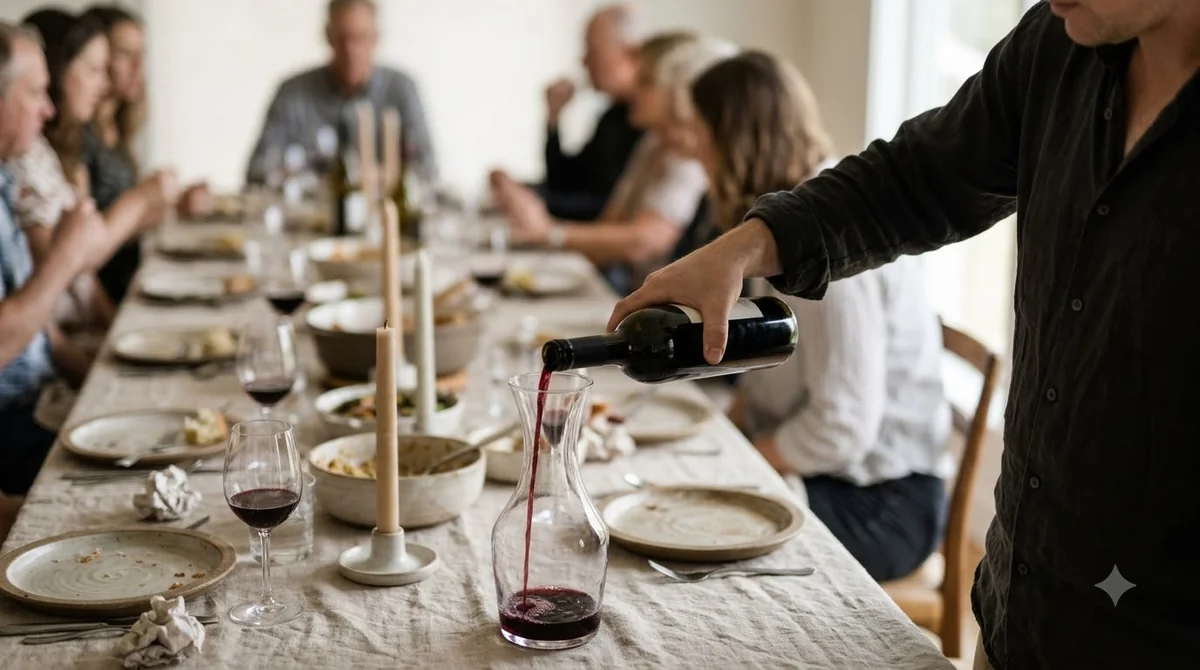
Decanting can help a young, concentrated Tempranillo become more expressive before dinner. For a young full-bodied red, allow approximately 30–60 minutes in a decanter. This gives the wine time to open and can make its fruit and aromatic character easier to appreciate.
A younger Rioja Crianza may need less time, especially if it already has a soft, approachable profile. A powerful young Ribera del Duero may benefit from the full hour. Taste the wine periodically rather than assuming every bottle requires the same treatment.
Older Reserva and Gran Reserva wines require more careful handling. Some mature wines can benefit from gentle decanting to separate sediment, but prolonged exposure to air can cause delicate aromas to fade. Open an older bottle carefully and assess its condition before deciding whether to transfer it to a decanter.
Glasses and serving quantities
Use a medium or large red wine glass with a reasonably wide bowl. This allows the wine’s cherry, plum, vanilla, and savory aromas to develop while providing enough room to swirl without spilling. A standard 5-ounce pour is appropriate for a tasting or dinner serving.
A standard 750-milliliter bottle provides approximately five 5-ounce glasses. For a Thanksgiving gathering of 10 adults, two bottles provide roughly 10 standard pours. If guests will be drinking wine throughout a long meal, plan additional bottles and offer water alongside the wine.
Unfinished Tempranillo should be resealed and stored in the refrigerator. Most opened still wines remain in reasonable drinking condition for approximately three to five days, although freshness gradually declines. Bring the wine back toward its preferred serving temperature before pouring another glass.
Tempranillo Compared With Other Wines for Turkey
Tempranillo is a versatile red, but it is not the only suitable choice for a holiday meal. Pinot Noir, Chardonnay, Zinfandel, and Cabernet Sauvignon each offer a different balance of acidity, tannin, fruit, and body.
Pinot Noir is generally lighter in tannin and higher in acidity than Tempranillo. Its red cherry, raspberry, and earthy characteristics make it particularly reliable with lean turkey breast and cranberry sauce. If your meal emphasizes delicate white meat and tart accompaniments, Pinot Noir may be the safer red choice.
Chardonnay provides a completely different approach. Its medium acidity, fuller texture, and possible oak influence can complement butter-roasted turkey, creamy mashed potatoes, and bread stuffing. A well-balanced example is especially useful when the meal includes several rich side dishes. Our article on chardonnay with turkey explores how different Chardonnay styles suit holiday preparations.
Zinfandel is generally fruitier and can have a more substantial body and higher alcohol than many Tempranillo wines. It is particularly useful with smoked turkey, barbecue seasoning, and richer preparations. Its ripe fruit can also complement sweet-and-savory sauces, although particularly sweet food still requires careful wine selection. See our guide to zinfandel with turkey for more detail.
Cabernet Sauvignon typically has high tannin and a firmer structure. This makes it less reliable with lean turkey breast than a balanced Tempranillo, especially when the plate includes sweet cranberry sauce. Mature Cabernet-based wines can be more successful because their tannins may become more integrated with age. Our discussion of cabernet sauvignon with turkey explains when this more structured red makes sense.
The best way to make the decision is to consider the entire plate rather than focusing exclusively on the main protein. For a broader explanation of balancing sweetness, acidity, tannin, and richness, explore our Grape x Food pairing resource.
Here is a quick comparison of the main choices:
| Wine | Tannin | Acidity | Best holiday preparation |
|---|---|---|---|
| Tempranillo | Medium to high | Medium | Roasted turkey with herb stuffing |
| Pinot Noir | Low to medium | High | Lean breast meat and cranberry |
| Chardonnay | None | Medium | Butter-roasted turkey and creamy sides |
| Zinfandel | Medium to high | Medium | Smoked or barbecue turkey |
| Cabernet Sauvignon | High | Medium | Rich preparations with substantial savory accompaniments |
These comparisons are general style guidelines rather than guarantees for every bottle. Producer, vintage, oak treatment, ripeness, and bottle age can change the final character substantially. A restrained Cabernet can be more suitable than an unusually powerful Tempranillo, just as a lively young Rioja may be more flexible than a heavily extracted Ribera del Duero.
For another perspective on choosing wines for the complete holiday plate, Decanter’s turkey wine-pairing recommendations discuss the importance of balancing turkey’s mild flavor with the sweetness, acidity, and richness of traditional accompaniments.
Frequently Asked Questions
Is Tempranillo the same grape as Tinta Roriz?
Tempranillo is also known as Tinta Roriz in Portugal, where it is used in wines from the Douro and other regions. Aragonez is another Portuguese synonym. The grape can produce different styles depending on the local climate, blending partners, and winemaking traditions.
Does Tempranillo have a connection to Spanish Thanksgiving traditions?
Thanksgiving is primarily a North American holiday rather than a traditional Spanish celebration. However, Tempranillo is frequently served with Spanish roast meats, including lamb and suckling pig. Its suitability for roasted turkey comes from the same combination of fruit, savory character, and food-friendly structure.
Can Tempranillo be made as a rosé?
Yes. Tempranillo grapes can produce rosé wines, often called rosado in Spain. These wines can show strawberry, cherry, and citrus characteristics, offering an alternative for guests who prefer a lighter wine with turkey.
What does the term Tempranillo Blanco mean?
Tempranillo Blanco is a white grape mutation of the red Tempranillo variety. It is a distinct white-wine grape rather than simply a pale-colored version of traditional red Tempranillo. Its wines can show a different aromatic profile, including tropical fruit characteristics.
Can Tempranillo be blended with other grape varieties?
Yes. Rioja producers commonly blend Tempranillo with Garnacha, Graciano, and Mazuelo, also known as Carignan. These varieties can contribute different fruit, acidity, aromatic qualities, and structure to the finished wine. The proportions vary between producers and individual bottlings.
Tempranillo with turkey is a rewarding choice for holiday meals built around roasted poultry, savory stuffing, herbs, and gravy. Choose a fresh, fruit-forward Rioja for a flexible everyday pairing or a mature Reserva for a more developed dinner experience. With the right balance of fruit, tannin, and serving temperature, this Spanish red can bring together the many flavors of a traditional Thanksgiving or Christmas table.
More in Food & Wine Pairing
 Risotto With White Wine Recipe: Make a Creamy Dinner at HomeUpdated Nov 20, 2026
 Wassail With Wine Recipe for a Festive Spiced Holiday DrinkUpdated Nov 20, 2026
 Spritz Veneziano Recipe: Make a Classic Venetian Aperitivo at HomeUpdated Nov 20, 2026
 Summer Wine Punch Recipe for Easy Homemade EntertainingUpdated Nov 20, 2026
 Bishop Recipe: How to Make a Bright, Citrus-Forward Red Wine CocktailUpdated Nov 20, 2026
 Wine Cupcakes Recipe: Bake Rich Chocolate Cupcakes at HomeUpdated Nov 20, 2026