

We may earn a commission when you buy through links on this page, at no extra cost to you. Learn more.
Syrah with pizza is an excellent pairing, especially with pepperoni, sausage, barbecue chicken, mushrooms, and other savory toppings. Syrah’s dark-fruit flavors, peppery spice, and substantial tannins complement browned cheese, roasted ingredients, and rich tomato sauces. Choose a fresher Northern Rhône Syrah for balanced, herb-driven pizzas or a fuller Australian Shiraz for meat-heavy slices with smoky, sweet, and savory flavors. The best match depends on the toppings, sauce, cheese, and intensity of the wine.
Pizza offers plenty of opportunities for red wine pairing, but not every bottle works equally well with every slice. Tomato sauce brings acidity, mozzarella contributes fat and salt, and toppings such as pepperoni, Italian sausage, mushrooms, and roasted peppers introduce additional flavors. Syrah can bring these elements together because it combines dark fruit, savory character, peppery aromas, and enough structure to stand up to substantial food. Understanding the differences between Syrah styles makes choosing the right bottle much easier.
Why Syrah Works With Pizza
Syrah pairs naturally with pizza because its dark fruit, savory spice, and firm structure complement the combination of tomato, cheese, and roasted toppings. The grape produces wines with enough flavor intensity to stand alongside richly seasoned pizza without disappearing behind the food.
Typical Syrah flavors include blackberry, plum, black pepper, and savory herbs. Depending on the region and winemaking approach, a bottle might also show smoked meat, olive, licorice, chocolate, or earthy notes. These characteristics connect particularly well with pizza ingredients that develop deeper flavors during baking, including caramelized onions, roasted mushrooms, browned sausage, and charred peppers.
Tannin is another important part of the pairing. Syrah generally has medium-plus to high tannin, giving it a drying sensation that can feel pronounced when the wine is consumed by itself. Pizza’s mozzarella, provolone, sausage, and other fatty ingredients help soften that sensation. Salt from cheese and cured meats also makes structured red wine feel more approachable.
Acidity matters just as much. Tomato sauce is naturally acidic, so a wine with insufficient freshness can seem dull beside a tomato-heavy slice. Syrah usually offers moderate acidity, although individual bottles vary. A fresher, cooler-climate example is particularly useful when the pizza has a bright, tangy sauce.
There is also a useful distinction between flavor intensity and weight. A delicate mushroom pizza may be overwhelmed by an extremely concentrated Shiraz, even though mushrooms are traditionally compatible with Syrah’s earthy notes. A heavily topped sausage pizza, on the other hand, can make a lighter wine seem thin. Matching the strength of the bottle with the richness of the slice is the simplest way to improve the experience.
For a broader understanding of how these characteristics interact, the Grape x Food approach provides a useful framework for evaluating acidity, tannin, sweetness, and flavor intensity before selecting a bottle.
Choosing Between French Syrah and Australian Shiraz
French Syrah and Australian Shiraz come from the same grape, but their typical styles can create noticeably different pizza pairings. Northern Rhône wines are often savory, peppery, and structured, while many Australian examples emphasize ripe dark fruit, fuller body, and a generous texture.
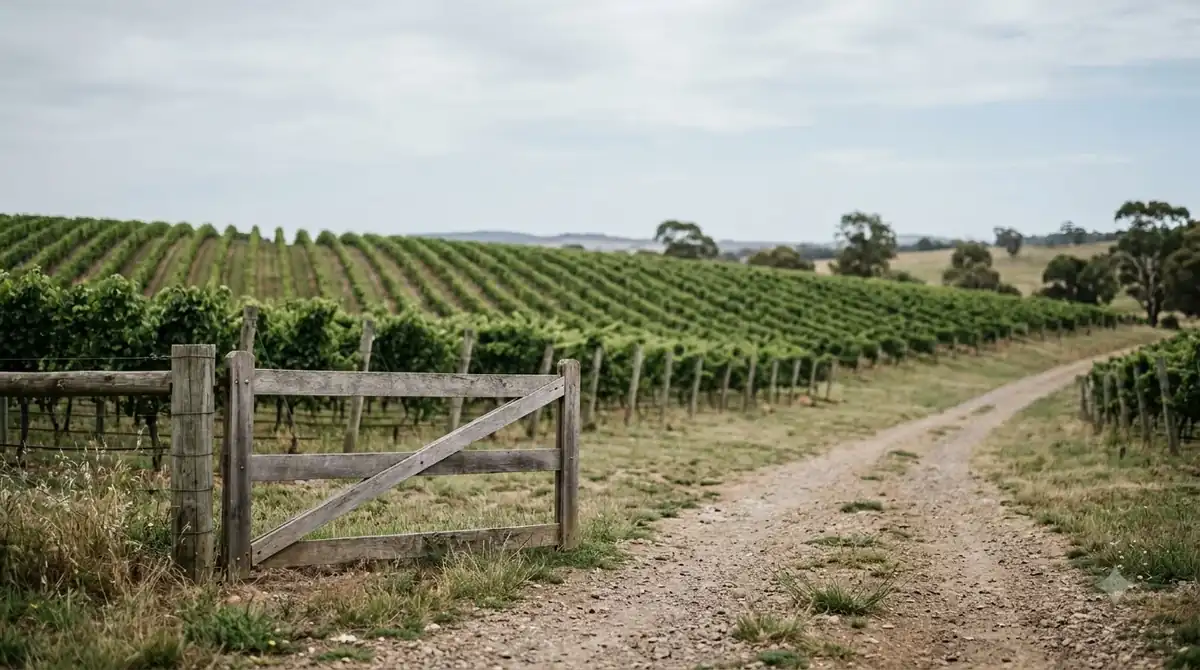
Northern Rhône Syrah from appellations such as Crozes-Hermitage, Saint-Joseph, Hermitage, and Côte-Rôtie often features blackberry, black pepper, herbs, olive, and earthy complexity. These wines are particularly attractive with mushroom pizza, Italian sausage, roasted vegetables, and pizzas featuring fresh herbs. Their savory character connects naturally with browned ingredients without making the meal feel excessively heavy.
Australian Shiraz, particularly from Barossa Valley and McLaren Vale, often provides a richer alternative. Ripe plum, blackberry, chocolate, mocha, and warm spice can make these wines appealing with pepperoni, barbecue chicken, smoked sausage, and pizzas with generous amounts of melted cheese. Their fuller texture stands up to ingredients that might overpower a lighter red.
Neither style is automatically better. The choice should follow the character of the pizza rather than a preference for a particular country. A fresh tomato and basil pizza generally benefits from the restraint of a more savory Syrah, while a thick-crust meat feast can comfortably accommodate a powerful Shiraz.
| Wine style | Typical characteristics | Best pizza matches | Serving temperature |
|---|---|---|---|
| Northern Rhône Syrah | Black pepper, herbs, olive, dark fruit | Mushroom, sausage, roasted vegetables | 55–60°F |
| Southern French Syrah | Dark fruit, herbs, spice, medium-full body | Italian sausage, pepperoni, grilled vegetables | 55–60°F |
| Barossa Shiraz | Ripe blackberry, plum, chocolate, fuller body | Pepperoni, barbecue chicken, meat lovers | 60–65°F |
| McLaren Vale Shiraz | Dark fruit, mocha, supple tannins, spice | Sausage, smoked cheese, barbecue toppings | 60–65°F |
| Cool-climate American Syrah | Dark berries, pepper, herbs, balanced structure | Mushroom, chicken, sausage, roasted peppers | 55–60°F |
These are practical serving targets rather than strict regional rules. Individual wines can differ considerably, especially when oak aging, alcohol, grape ripeness, and winemaking techniques influence their texture and concentration.
For a first bottle, a medium-bodied Syrah from Crozes-Hermitage or a balanced Shiraz from McLaren Vale offers a useful middle ground. Both can handle several common pizza toppings without overwhelming the meal.
The Wine Society’s Syrah and Shiraz grape guide provides further detail on how these regional differences influence fruit, pepper, body, and tannin.
Best Pizza Toppings to Pair With Syrah
Syrah works particularly well with savory, roasted, smoky, and meat-based toppings. Pepperoni, Italian sausage, mushrooms, caramelized onions, and barbecue chicken are among the strongest choices because their flavors complement the grape’s dark fruit and peppery character.

Pepperoni pizza
Pepperoni is one of the most dependable matches for Syrah. Its cured-meat flavor, salt, fat, and seasoning create a rich topping that can handle a wine with substantial tannin and dark-fruit concentration. Black pepper notes in the wine also provide a natural connection with the seasoning in the meat.
A medium-to-full-bodied Australian Shiraz is particularly suitable when pepperoni is combined with extra mozzarella or a thick tomato sauce. For a less intense version, choose a savory Northern Rhône Syrah. Readers comparing additional options can also explore what wine goes with pepperoni pizza.
Italian sausage pizza
Italian sausage has enough fat, salt, and seasoning to complement structured red wine. Fennel, garlic, black pepper, and herbs add aromatic complexity that works especially well with Syrah’s savory profile.
Choose a medium-bodied French Syrah when the sausage is combined with onions, mushrooms, or fresh herbs. A fuller Shiraz makes more sense for a heavily topped pizza with extra cheese and a generous amount of sausage.
Mushroom pizza
Mushrooms are excellent with Syrah because their earthy, savory qualities complement the grape’s pepper, olive, and smoked-meat characteristics. Cremini, portobello, shiitake, and roasted wild mushrooms can all work, particularly when combined with garlic or thyme.
Choose a cooler-climate Syrah rather than an especially ripe, high-alcohol Shiraz. The wine’s savory aromas can complement the mushrooms without overpowering their more delicate flavors. A little aged Parmesan or Gruyère provides additional richness.
Barbecue chicken pizza
Barbecue chicken creates a more complicated pairing because the sauce may contain sugar, vinegar, smoke, and chili. A fruit-forward Shiraz can complement the smoky ingredients and the sweetness of the sauce, particularly when the topping also includes red onion and mozzarella.
However, avoid an excessively sweet barbecue sauce. If the food tastes noticeably sweeter than the wine, the wine can seem harsh and less fruity. A drier, balanced sauce with moderate sweetness makes the pairing more successful.
Roasted vegetables
Roasted red peppers, eggplant, caramelized onions, olives, and zucchini can all complement Syrah. Roasting concentrates the vegetables’ natural flavors and creates browned, savory notes that connect with the wine’s peppery character.
For these pizzas, choose a medium-bodied Syrah with fresh acidity and moderate oak influence. Excessively concentrated Shiraz may overpower the vegetables, especially when the pizza uses a thin crust and a modest amount of cheese.
Four-cheese pizza
Cheese-rich pizza can also work with Syrah, particularly when the cheese selection includes salty, aged varieties. Parmesan, aged cheddar, provolone, and blue cheese offer more intense flavors than mozzarella alone.
Salt and fat help soften tannin, while the savory character of aged cheese connects with Syrah’s earthy and spicy aromas. A moderately tannic bottle is generally preferable to an extremely powerful Shiraz if the pizza contains several different cheeses.
Matching Syrah With Popular Pizza Styles
The sauce, crust, cheese, and overall construction of a pizza can change how Syrah tastes. Consider the complete slice rather than choosing wine based only on its main topping.
Margherita pizza is a useful example. Tomato, mozzarella, basil, and olive oil create a relatively simple combination with noticeable acidity and fresh herbal flavors. A powerful Australian Shiraz can dominate these ingredients, so a fresher Northern Rhône Syrah is the more sensible choice. However, a particularly delicate Margherita may be better with Pinot Noir, whose lighter tannin and higher acidity make it a flexible alternative. See what wine goes with Margherita pizza for more comparisons.
Meat lovers pizza generally gives Syrah more room to show its character. Pepperoni, sausage, bacon, ground beef, and generous mozzarella create a substantial combination that suits the wine’s dark fruit and tannin. A full-bodied Shiraz is particularly appropriate when the pizza also includes smoky or grilled ingredients.
White pizza presents a different challenge because it often replaces tomato sauce with ricotta, cream, garlic, or olive oil. Without tomato’s acidity, the richness of the cheese becomes more prominent. Syrah can work with roasted mushrooms, sausage, and aged cheese, but a highly tannic wine may feel heavy beside a mild white pizza. Choose a medium-bodied bottle with balanced acidity and restrained oak.
Thin-crust pizza usually benefits from a less powerful wine because the crust and toppings offer less weight. A peppery French Syrah or moderate American example provides enough flavor without dominating the food. Deep-dish pizza, with its thick crust, substantial cheese, and concentrated sauce, can handle a fuller Shiraz more comfortably.
Pizza with fresh arugula, lemon, or balsamic dressing requires additional attention. These ingredients introduce bitterness or pronounced acidity, which can make a structured red wine taste less harmonious. Use moderate amounts of acidic finishing ingredients and choose a Syrah with sufficient freshness to keep the pairing balanced.
Pizza Pairings to Approach Carefully
Not every pizza topping complements Syrah equally well. Very spicy sauces, unusually sweet toppings, and delicate seafood can create problems because they interact with the wine’s alcohol, tannin, or flavor intensity.
Hot pepper pizza is one example. Chili heat can make alcohol feel more pronounced and tannin seem harsher. A high-alcohol Shiraz with substantial tannin may therefore become uncomfortable beside a pizza covered in hot peppers, spicy sausage, or chili oil.
If spicy pizza is the main dish, select a moderate-alcohol Syrah with softer tannins and ripe fruit. Keep the chili level moderate, and avoid combining a highly concentrated wine with an extremely hot sauce. A slightly off-dry alternative can sometimes provide a better contrast with strong chili heat.
Sweet toppings also require consideration. Pineapple, honey-drizzled cheese, and sweet barbecue sauce can make a dry Syrah taste more bitter or acidic by comparison. The general pairing principle is that wine should be at least as sweet as the food. Since most Syrah is dry, strongly sweet pizza toppings are usually not ideal companions.
Seafood pizza is another situation where a different wine may work better. Delicate shrimp, scallops, and white fish can be overwhelmed by Syrah’s dark fruit, tannin, and body. If seafood is the main attraction, consider a crisp white wine instead. Oily fish can be particularly difficult with tannic red wine because the combination may feel unbalanced.
Very acidic pizza sauces can also challenge a less fresh bottle. Tomato sauce is generally compatible with Syrah, but an unusually sharp sauce or substantial vinegar-based drizzle can make the wine seem flat. Choose a bottle with enough acidity to stand alongside the food and avoid excessive acidic additions.
Tip: If the pizza has three or more strongly flavored toppings, begin with a medium-bodied Syrah rather than the biggest Shiraz available. You can move toward fuller, richer wines when the cheese, meat, and sauce become more substantial.
Serving Syrah With Pizza for the Best Experience
Serving temperature has a noticeable effect on Syrah’s aroma, tannin, and alcohol perception. Light and medium-bodied Syrah is generally best at 55–60°F, while fuller-bodied Shiraz works well at 60–65°F.
Serving red wine too warm can make alcohol seem more prominent and reduce the freshness that helps it pair with tomato sauce. Serving it too cold can emphasize tannin and mute the wine’s fruit. A short period in the refrigerator can bring a warm bottle closer to its ideal temperature.
Glassware also matters. Use a standard red wine glass with a reasonably wide bowl to allow the aromas of blackberry, plum, pepper, and herbs to develop. Pour approximately 5 ounces per glass, which leaves sufficient room for swirling and smelling the wine.
Young, full-bodied Syrah may benefit from decanting for 30–60 minutes. This is especially useful for concentrated Shiraz or structured Northern Rhône wines that initially seem closed. Decanting can help expose aromatic details and make the wine feel more expressive alongside food.
Older bottles require more care. Sediment can accumulate as red wine ages, so careful pouring helps keep it out of the glass. Extended aeration is not automatically beneficial for mature wine because delicate aromas can fade after opening.
For a casual pizza dinner, there is no need for elaborate preparation. Open the bottle, allow it to reach the appropriate temperature, and pour moderate servings as the pizza arrives. A 750 ml bottle provides approximately five standard 5-ounce glasses, making it a practical size for sharing.
Storage matters if the bottle will not be finished. Keep unopened wine on its side in a cool, dark location near 55°F when long-term storage is intended. Once opened, reseal the bottle and refrigerate it; most still wines remain in reasonable drinking condition for approximately 3–5 days, depending on the wine and storage conditions.
For additional practical pairing ideas, Decanter’s guide to pairing wine with pizza discusses how different toppings, including pepperoni and sausage, influence wine selection.
Frequently Asked Questions
Is Syrah the same grape as Shiraz?
Yes. Syrah and Shiraz are two names for the same grape variety, not separate grapes. The French name is traditionally associated with Rhône wines, while Shiraz is widely used in Australia. Both names also appear on labels from other wine-producing countries.
Does Syrah have to be expensive to pair with pizza?
No. Pizza is generally a relaxed meal, so a well-made regional Syrah is usually sufficient. Crozes-Hermitage, Saint-Joseph, and regional Australian Shiraz offer different styles worth exploring without requiring a prestigious single-vineyard bottle.
Can sparkling wine replace Syrah with pizza?
Yes. Dry sparkling wines can provide a refreshing contrast to melted cheese and salty toppings. Brut sparkling wine, including traditional-method Cava, is particularly useful when the meal includes several different pizza styles and guests want one versatile bottle.
Does Syrah pair with leftover pizza the next day?
Yes. Reheated pizza often develops more pronounced browned-cheese and toasted-crust flavors, which can complement Syrah’s savory character. Reheat the pizza until the crust becomes crisp rather than serving it cold if you want the roasted flavors to stand out.
Can a Syrah blend work as well as a single-varietal wine?
Yes. Syrah is frequently blended with Grenache and Mourvèdre, particularly in southern French wines. Grenache can contribute ripe fruit, while Mourvèdre adds structure and savory complexity, creating blends that can work particularly well with sausage, pepperoni, and grilled vegetables.
Syrah with pizza is a dependable combination when the wine’s body, tannin, and flavor intensity match the toppings. Choose savory Northern Rhône Syrah for mushrooms, herbs, and lighter pizzas, or fuller Australian Shiraz for pepperoni, sausage, barbecue chicken, and generous amounts of cheese. Start with the food, select a complementary style, and serve the wine slightly cooler than a typical warm room to make the most of every slice.
More in Food & Wine Pairing
 Risotto With White Wine Recipe: Make a Creamy Dinner at HomeUpdated Nov 20, 2026
 Wassail With Wine Recipe for a Festive Spiced Holiday DrinkUpdated Nov 20, 2026
 Spritz Veneziano Recipe: Make a Classic Venetian Aperitivo at HomeUpdated Nov 20, 2026
 Summer Wine Punch Recipe for Easy Homemade EntertainingUpdated Nov 20, 2026
 Bishop Recipe: How to Make a Bright, Citrus-Forward Red Wine CocktailUpdated Nov 20, 2026
 Wine Cupcakes Recipe: Bake Rich Chocolate Cupcakes at HomeUpdated Nov 20, 2026