

We may earn a commission when you buy through links on this page, at no extra cost to you. Learn more.
For what wine goes with margherita pizza, choose a bright, high-acid red such as Barbera or Sangiovese, or a crisp Italian white such as Gavi. These wines keep pace with tangy tomato sauce while allowing fresh mozzarella and basil to stay in focus. Dry rosé and sparkling wine are also reliable choices when you want a lighter, refreshing match.
Margherita is simple, but its ingredients shape the pairing: tomato brings acidity, mozzarella adds creaminess, basil contributes a green aroma, and the crust brings toasted flavor. The best bottle supports that balance.
What Makes Margherita Pizza a Special Pairing?
Margherita pizza calls for freshness more than power: the wine needs enough acidity for tomato, moderate weight for mozzarella, and restrained tannin so the cheese and herbs remain clear. That is why a young Barbera, a lighter Sangiovese, or a crisp Gavi usually fits better than a heavily oaked Cabernet Sauvignon.
Tomato sauce is the key consideration. Its natural tang can make a low-acid wine seem soft or dull, while a lively wine keeps its shape and makes the tomato taste vivid rather than harsh. The wine should have acidity equal to or higher than the food. Compare the sauce first, then the cheese, herbs, and crust; these Wine Pairing basics explain how acidity, weight, and texture work together.
Mozzarella changes the picture. Fresh mozzarella is mild, moist, and creamy rather than intensely sharp, so it does not need a powerful red to stand up to it. A wine with medium or lighter body lets the cheese’s milky texture come through. Some salt and fat in the cheese also soften a wine’s structure, but a strongly tannic wine can still make the combination feel drying or rough. The goal is enough fruit and freshness to refresh the palate, not a wall of oak or extraction.
Basil adds a third element. Its fresh, peppery, slightly sweet aroma can be lost beside a red with dense dark fruit, heavy toast, or high alcohol. Wines with cherry, red-berry, citrus, floral, or subtle herbal notes tend to sit naturally beside the green fragrance. The baked crust matters too: a little char and toasted dough welcome a wine with savory detail, but neither requires a mature, complex bottle. A simple pizza often tastes best with a wine that feels equally direct.
Best Overall Wines for Margherita Pizza
The most dependable matches are high-acid Italian reds and crisp whites, with dry rosé and sparkling wine close behind. Start with Barbera or Sangiovese if you prefer red, Gavi or Falanghina for white, and dry rosé when the table wants a versatile middle ground.
| Wine style | Good examples to look for | Why it works | Serving temperature |
|---|---|---|---|
| Bright Italian red | Barbera, young Sangiovese, Frappato | Fresh acidity meets tomato; moderate weight suits mozzarella | 55–60 F |
| Crisp white | Gavi, Falanghina, Vermentino | Citrus and herbal freshness complement basil and cheese | 45–50 F |
| Dry rosé | Montepulciano rosé, dry Italian rosato | Red-fruit character with refreshing acidity and little tannin | 45–50 F |
| Sparkling | Dry Prosecco, Brut traditional-method wine | Bubbles refresh the palate after cheese and crust | 40–50 F |
For a single red recommendation, Barbera is an especially practical choice. It typically offers lively acidity and generous red-fruit character without demanding a heavy dish. Barbera d’Alba or Barbera d’Asti can both work; select a fresh, youthful bottling rather than one dominated by new oak. The grape’s naturally bright profile helps it stay energetic against tomato sauce, while its fruit gives the mozzarella a pleasant counterpoint.
For a white, Gavi is an excellent starting point. Made from Cortese in Piedmont, it is often light, fresh, and citrus-leaning, with enough delicacy for a simple cheese pizza. Wine Enthusiast specifically pairs Gavi di Gavi with Margherita, pointing to the wine’s fresh, fruity character and subtle grassy finish alongside basil and buffalo mozzarella. Read its pizza pairing recommendations for more examples of how a wine can match a specific topping without overpowering it.
Italian Reds That Match Tomato and Basil
Italian reds are natural partners for Margherita because many are built around acidity and food-friendly fruit rather than sheer tannic force. Barbera, Sangiovese, and Frappato offer three distinct routes: juicy and bright, savory and structured, or light and fragrant.
Barbera is the easiest place to begin. Look for Barbera d’Asti or Barbera d’Alba with fresh cherry, plum, and a lively finish. Its high acidity helps it meet the tomato sauce, and its fruit gives the cheese a little contrast without requiring a rich topping. A young version is generally more suitable than a heavily extracted or oak-forward bottling. If the pizza has a thin crust, moderate mozzarella, and a fresh basil finish, Barbera’s energy can make the pairing feel well balanced without turning the meal into a formal wine occasion.
Sangiovese offers a slightly more savory alternative. A young Chianti or straightforward Sangiovese from Tuscany can bring sour cherry, dried herbs, and enough structure for browned crust and tomato. Choose a fresher, lighter style rather than a concentrated Riserva with firm tannins and substantial oak. Chianti’s acidity can mirror the sauce, while its savory edge can connect with charred dough and basil. Decanter’s guidance for classic Neapolitan pizza names Barbera d’Asti, lighter Sangiovese, and Sicilian Frappato as Italian red options, alongside Gamay from Beaujolais and elsewhere. Its guide to wine with pizza is useful when the toppings move beyond a simple Margherita.
Frappato is a good choice for people who find Chianti too structured. This Sicilian red is often fragrant and lighter on the palate, with red berries and a gentle herbal character. It can echo basil without making the cheese feel heavy. Gamay, especially a fresh Beaujolais or a lighter Oregon bottling, follows a similar logic: bright fruit, modest tannin, and enough acidity for tomato. Serve these reds slightly cool rather than warm; a light chill helps preserve freshness and keeps fruit lively. Other reds can work if their style stays fresh: fruit-forward Merlot may suit the cheese, but highly tannic Cabernet Sauvignon or dense, high-alcohol Syrah can overwhelm the tomato and basil. For the classic three-ingredient version, choose freshness over muscle.
White Wine and Rosé for a Lighter Match
White wine is not a compromise with Margherita; a crisp, dry white can be one of the most precise matches. Gavi, Falanghina, Vermentino, and dry rosé bring acidity and aromatic lift while keeping tannin out of the way.
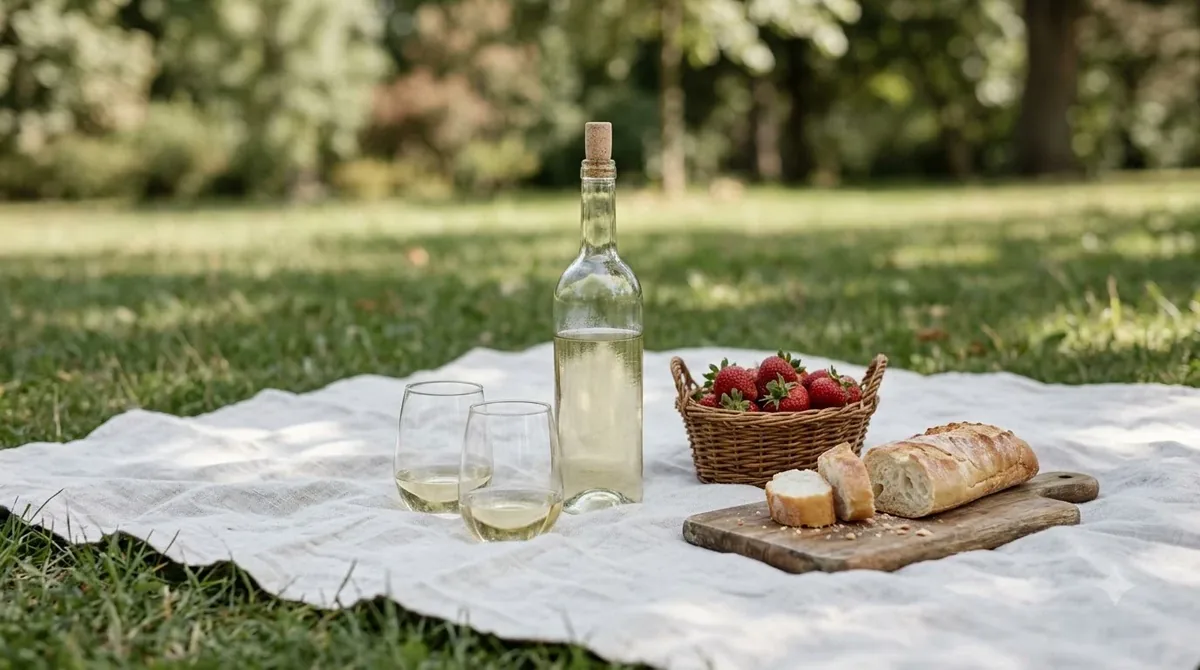
Gavi is a particularly reliable choice because its light body and clean citrus character allow the tomato, mozzarella, and basil to remain distinct. Look for a dry Gavi made from Cortese, ideally one that emphasizes freshness instead of obvious oak. It should taste refreshing rather than creamy or tropical. A grassy or floral note can connect with fresh basil, and citrus acidity can keep the tomato sauce from making the wine seem flat. A chilled bottle works well with a thin, lightly topped pizza, especially when the cheese is fresh and the tomato is bright. Across all styles, keep the wine dry, lively, and moderate in body; extra mozzarella can make a rounder white or rosé appealing, while a sharp or generous tomato sauce favors the most acid-driven choices.
Falanghina from Campania brings citrus, orchard fruit, and herbal notes with enough acidity for tomato. Vermentino is useful with extra olive oil or a basil-forward finish, while a high-acid Sauvignon Blanc can work if its green aromas are restrained. A lean, unoaked Chardonnay is possible, but its medium acidity makes it less dependable than Gavi or Falanghina. Avoid buttery, heavily oaked Chardonnay; the pizza needs refreshment, not another layer of creaminess.
Dry rosé bridges red and white in a particularly practical way. A crisp Italian rosato or a dry rosé made from Montepulciano can offer red-cherry and raspberry notes, a little savory character, and brisk acidity, but very little tannin. That combination suits the tomato and gives the mozzarella enough space. Avoid noticeably sweet rosé: sweetness can make the tomato taste sharper and the wine feel disconnected. A pale or deeper-colored rosé can both work, so judge by dryness, freshness, and body rather than color alone.
Sparkling Wine and Other Fresh Styles
Sparkling wine works because its acidity and bubbles refresh the palate after melted cheese, olive oil, and bread. Dry Prosecco, Lambrusco, and traditional-method sparkling wines can all suit Margherita, provided the sweetness level stays in balance with the savory toppings.
Dry Prosecco is an easy choice for a casual meal. Made primarily from Glera using the tank method, it brings lively bubbles and fresh pear, apple, or citrus notes to the pizza’s salt and creaminess. Choose Brut or Extra Brut for a dry profile. Prosecco labeling can be counterintuitive: Extra Dry is usually a little sweeter than Brut, so Brut is the safer choice for a classic tomato-and-mozzarella pie.
Lambrusco can also be a lively partner, especially a dry, lighter-bodied style such as Lambrusco di Sorbara. Its red-fruit character makes it feel at home beside tomato, while bubbles provide a cleansing contrast to cheese. It is often associated with richer Emilia-Romagna foods, but a drier, lighter example can be enjoyable with Margherita when served cool. Avoid sweet versions unless the pizza itself has an unusually salty or spicy addition; sweetness can distract from the fresh tomato and basil.
Traditional-method sparkling wine, including Brut styles from regions such as Franciacorta or Cava, offers a more textured alternative. Because the second fermentation takes place in the bottle, these wines can develop bread, biscuit, or yeast notes that connect naturally with the browned crust. Keep the dosage dry and the body moderate. A very rich, mature sparkling wine can overpower a simple pie, while a fresh Brut with fine bubbles can handle the melted mozzarella and the charred edge without taking center stage. Lightly textured skin-contact whites or dry pét-nat rosé can also be fun, provided they stay fresh and do not bring strong bitterness, heavy tannin, or pronounced funk.
Serving Temperature and Adjusting the Pairing
Serve the wine cool enough to feel refreshing, and adjust the bottle to the pizza’s actual balance of tomato, cheese, oil, and char. Light reds, crisp whites, rosé, and sparkling wines all benefit from proper chilling, while changes to the toppings may call for a different level of body or fruit.
Use these temperature ranges as a practical starting point. A light red such as Frappato or a young Sangiovese is best around 55–60 F, rather than at a warm room temperature. Light whites and rosé are best around 45–50 F, while sparkling wine should be colder at 40–50 F. A fuller white can be served at 50–55 F, although the lean whites most suited to Margherita will usually show best toward the cooler end. These temperatures preserve lift and keep alcohol from feeling too prominent.
Tip: Put a light red in the refrigerator for about 15–20 minutes before serving, then pour a small glass and let it warm slightly in the glass. This quick chill can make Barbera, Frappato, or Gamay feel brighter without muting their fruit.
Think about how the pizza is made. A thin Neapolitan-style pie with restrained sauce suits Gavi, Frappato, or dry rosé. A thicker American-style crust with more cheese and olive oil can handle a medium-bodied Sangiovese or traditional-method Brut. Pronounced char welcomes savory red fruit or gentle lees character, while fresh basil added after baking calls for a wine without dominant oak or alcohol.
Let toppings guide any adjustment. Extra mozzarella or olive oil calls for freshness, not more tannin. Chili heat is amplified by alcohol and tannin, so keep the wine moderate in alcohol and low in tannin. Pepperoni brings salt, fat, and spice and can support a more assertive red than plain Margherita; see what wine goes with pepperoni pizza for that pairing. With stronger cheese, cured meat, or roasted vegetables, match the new dominant flavor. A standard pour is about 5 ounces, and a 750 ml bottle gives roughly five glasses; keep the bottle cool between pours.
Frequently Asked Questions
These quick answers cover common choices and small adjustments, from serving a chilled red to choosing a bottle for leftovers or a mixed table.
Can I serve red wine chilled with Margherita pizza?
Yes. A light red such as Frappato, Gamay, or young Barbera can be served slightly cool, around 55–60 F. A short refrigerator chill helps the fruit stay fresh and makes the wine feel less heavy beside warm mozzarella.
Is Chianti too strong for a simple Margherita?
Not necessarily. A young, fresh Chianti can match tomato sauce well, but a concentrated Riserva with firm oak and tannin may dominate the pizza. Choose a lighter style with bright cherry fruit rather than the most powerful bottle on the shelf.
Does buffalo mozzarella change the wine choice?
Buffalo mozzarella is often richer and more delicate in flavor than standard cow’s-milk mozzarella, so a fresh white such as Gavi or a delicate red such as Frappato is a good starting point. Keep the wine’s oak modest so the cheese’s creamy texture remains easy to notice.
What wine should I choose if the pizza is served cold?
Leftover pizza is often saltier and firmer after refrigeration, and its basil may have lost some of its fresh aroma. A dry rosé, Barbera, or crisp sparkling wine can still work, but let the slice lose its refrigerator chill before pairing so the tomato and cheese flavors open up.
Can a nonalcoholic wine work with Margherita pizza?
Yes. Look for a dry or sparkling nonalcoholic wine with pronounced acidity rather than a sweet grape-based drink. Bubbles can refresh the palate, while a citrus-driven white style is often a good match for tomato, mozzarella, and basil.
For a classic Margherita, start with Barbera or Sangiovese if you want red, and Gavi or Falanghina if you prefer white. Keep the wine fresh, dry, and moderate in body, then let the pizza’s sauce, cheese, and crust guide any final adjustment. With those basics in place, the pairing can stay relaxed and delicious.
More in Food & Wine Pairing
 Risotto With White Wine Recipe: Make a Creamy Dinner at HomeUpdated Nov 20, 2026
 Wassail With Wine Recipe for a Festive Spiced Holiday DrinkUpdated Nov 20, 2026
 Spritz Veneziano Recipe: Make a Classic Venetian Aperitivo at HomeUpdated Nov 20, 2026
 Summer Wine Punch Recipe for Easy Homemade EntertainingUpdated Nov 20, 2026
 Bishop Recipe: How to Make a Bright, Citrus-Forward Red Wine CocktailUpdated Nov 20, 2026
 Wine Cupcakes Recipe: Bake Rich Chocolate Cupcakes at HomeUpdated Nov 20, 2026