

We may earn a commission when you buy through links on this page, at no extra cost to you. Learn more.
Switzerland wine country encompasses six distinct wine regions, where Alpine vineyards, lakeside slopes, and traditional grape varieties produce some of Europe’s most distinctive wines. The country’s leading wine areas include Valais, Vaud, Geneva, Ticino, Three Lakes, and German-speaking Switzerland. Chasselas and Pinot Noir are important traditional varieties, while grapes such as Petite Arvine, Cornalin, and Humagne Rouge give Swiss wine its individual character. Understanding these regions makes it easier to choose bottles, plan vineyard visits, and discover wines that rarely appear on international shelves.
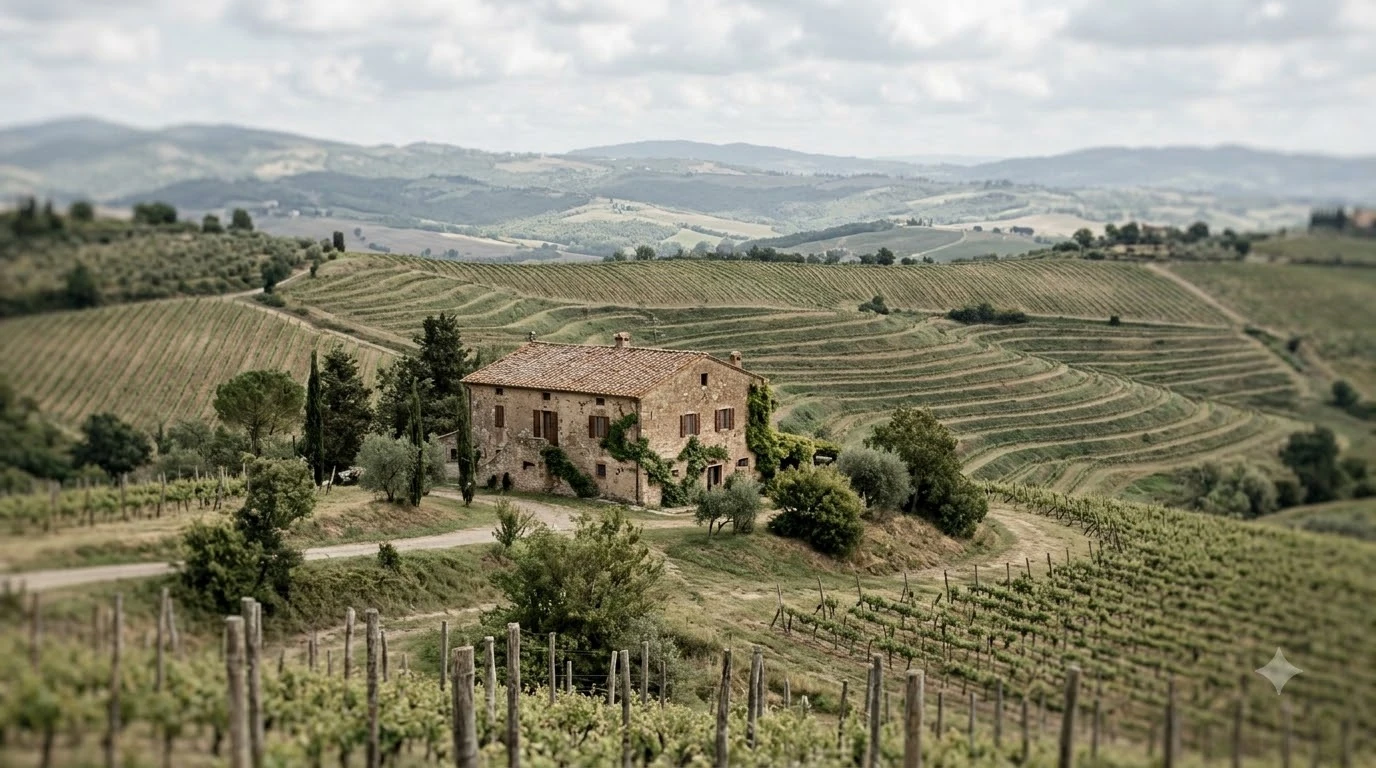
Switzerland may be better known internationally for its mountains, chocolate, and cheese than for its vineyards, but winegrowing is an established part of its agricultural heritage. Vineyards follow the Rhône River, climb steep Alpine slopes, and spread around lakes that moderate local growing conditions. The result is a compact but remarkably varied wine-producing country. Whether you prefer crisp whites, elegant reds, or unusual indigenous varieties, exploring its wine regions reveals a different side of Swiss culture.
The Six Main Wine Regions of Switzerland
Swiss wine production is organized into six main regions, each with distinctive geography, grape varieties, and local traditions. Valais leads in production, while Vaud, Geneva, Ticino, Three Lakes, and German-speaking Switzerland offer different expressions of the country’s winegrowing landscape.
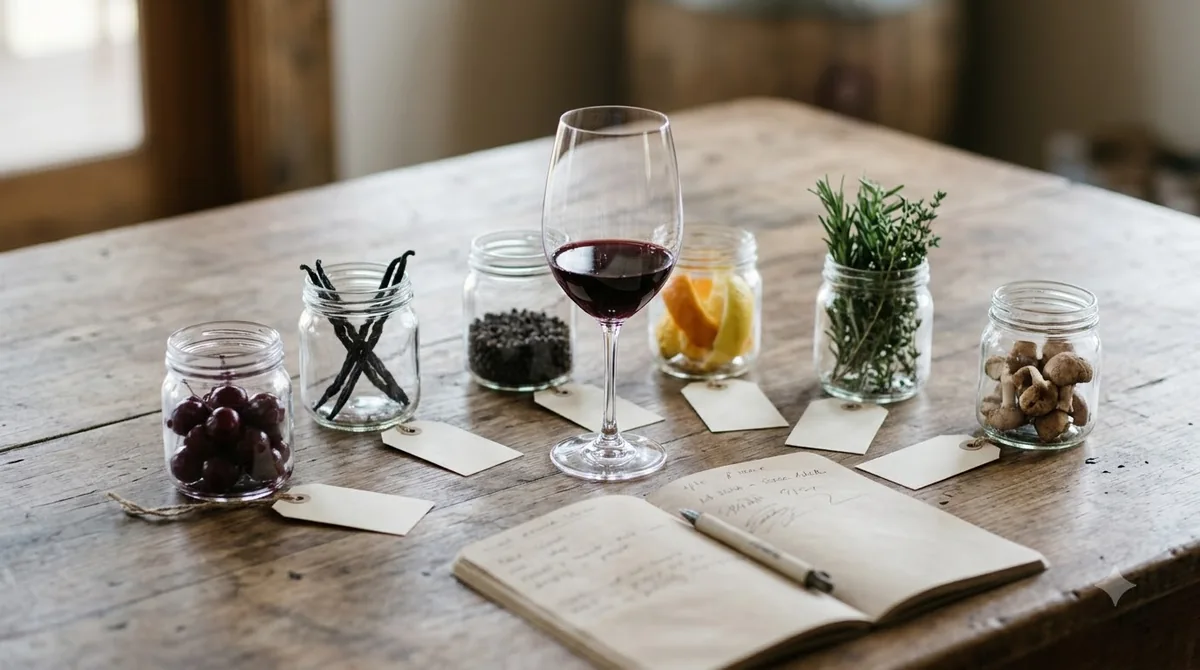
The six-region classification provides a useful starting point for understanding Swiss wine. The regions do not simply follow language boundaries: their identities also reflect elevation, climate, soil, and proximity to lakes and rivers. According to Switzerland Tourism, German-speaking Switzerland alone encompasses 17 cantons, while the Three Lakes region crosses five cantons. The official Swiss Wine regional overview provides an additional breakdown of the six areas and their individual identities.
Valais is the largest wine-producing region, accounting for approximately one-third of Swiss wine production. Its vineyards follow the Rhône Valley for more than 100 kilometers, with growing sites between approximately 270 and 1,100 meters above sea level. Pinot Noir, Chasselas, Petite Arvine, Cornalin, and Humagne Rouge are among its important varieties.
Vaud is the country’s second-largest wine region. Its most recognizable area is Lavaux, where terraced vineyards overlook Lake Geneva between Lausanne and Montreux. Chasselas is the signature grape, producing whites that range from delicate and floral to more structured wines with mineral characteristics.
Geneva is an important wine-producing area in the southwestern corner of Switzerland. Its vineyards grow around the city and along the surrounding countryside, with Chasselas, Gamay, Pinot Noir, and international varieties represented. The region offers a combination of approachable everyday wines and more structured red blends.
Ticino occupies the country’s Italian-speaking south. Its warmer, Mediterranean-influenced climate supports Merlot, which is the region’s defining grape. Producers make both red and white wines, but full-flavored Merlot is the style most closely associated with Ticino.
Three Lakes surrounds Lakes Neuchâtel, Biel, and Murten. Its vineyards stretch across parts of Neuchâtel, Bern, Fribourg, Vaud, and Jura. Chasselas and Pinot Noir are important grapes, while the region is also known for its traditional rosé wine, Œil-de-Perdrix, particularly associated with Neuchâtel.
German-speaking Switzerland includes vineyards across 17 cantons, including Zurich, Aargau, Schaffhausen, Thurgau, Graubünden, and St. Gallen. Pinot Noir is particularly important, alongside white varieties such as Müller-Thurgau. The Bündner Herrschaft area in Graubünden is especially recognized for its Pinot Noir production.
These regions make a useful framework for comparing Swiss bottles. If you are beginning to explore the country’s wines, start with Chasselas from Vaud, Petite Arvine from Valais, and Pinot Noir from Graubünden. Those three examples provide a clear introduction to the differences in grape character and growing conditions.
Alpine Geography, Lakes, and Vineyard Conditions
Switzerland’s geography has a direct influence on its wines, from the steep slopes of Valais to the temperate shores of Lake Geneva. Elevation, sunlight, wind, water, and glacially shaped soils create growing conditions that can vary considerably between neighboring vineyards.
The Alps cover approximately 61% of Swiss territory and dominate several wine-producing landscapes. In Valais, vineyards occupy the Rhône Valley and its surrounding slopes. Some sites are so steep that vineyard work requires terraces and considerable manual labor. These conditions make mechanization difficult and help explain the importance of small-scale vineyard management.
Elevation is another defining feature. Higher vineyards generally experience cooler conditions and a shorter growing season than lower sites. Differences in exposure can also affect grape ripening. A sunny south-facing slope may receive substantially different sunlight from a nearby shaded vineyard, even when the two are separated by a short distance.
One particularly interesting location is Visperterminen in Upper Valais. Switzerland Tourism identifies its vineyards as among Europe’s highest, reaching approximately 1,150 meters above sea level. Heida, also known as Païen, is closely associated with this area. Its wines combine citrus and exotic-fruit characteristics with freshness and structure.
Lakes provide another important climatic influence. Lake Geneva, Lake Zurich, Lake Constance, Lake Neuchâtel, Lake Biel, and Lake Maggiore all influence nearby growing areas. Water absorbs and releases heat more slowly than land, helping moderate temperature fluctuations. Swiss Wine explains that lakes reflect sunlight during summer and offer some protection against frost during winter.
Glacial history also helps explain the diversity of Swiss vineyards. During the last Ice Age, glaciers covered much of the country and transported enormous quantities of rock and sediment. Their movement created moraines, deposits of mixed stones and soil that remain important in modern vineyard landscapes.
Other soil types include shallow rocky ground, scree, alluvial fans, and layers of sand deposited by wind. These differences affect drainage, water retention, and vine growth. A producer working with a rocky slope in Valais faces different growing conditions from one cultivating vines beside Lake Neuchâtel.
For wine drinkers, this geographical variation explains why two wines made from the same grape can taste quite different. A Chasselas from a lakeside vineyard in Vaud may show a delicate, floral profile, while another from a different location may have a more pronounced mineral impression or a fuller texture.
To explore how these landscapes compare with other established wine destinations, readers can also look at Yadkin Valley wine country, where elevation and regional growing conditions also influence grape selection and wine style.
Signature Swiss Grapes and Wines to Discover
Swiss wine is defined by a combination of internationally familiar grapes and regional specialties that are less common outside the country. Chasselas and Pinot Noir provide a starting point, while Petite Arvine, Heida, Cornalin, and Humagne Rouge offer a more distinctly Swiss experience.
Chasselas is one of the country’s most important white grapes. It is particularly associated with Vaud, but it is also cultivated in Valais and other regions. In Valais, it is called Fendant. Its wines are generally dry, light to medium in body, and subtle rather than intensely aromatic. Depending on their origin and production method, they can show floral, citrus, mineral, or delicate fruit characteristics.
Fendant is a familiar choice at Swiss aperitifs and traditional meals. Its freshness and restrained aromatic profile make it particularly useful with cheese, freshwater fish, and dishes where a strongly flavored wine might overwhelm the food.
Petite Arvine is a signature white grape from Valais. Its wines can show grapefruit, citrus, floral notes, and a savory finish. The grape produces styles ranging from dry and lively to somewhat softer expressions. It is particularly appealing to people who enjoy whites with pronounced acidity and a clear sense of freshness.
Heida, also known as Païen, is made from Savagnin Blanc. It is strongly associated with Upper Valais and the vineyards around Visperterminen. Its wines can offer citrus, exotic fruit, and a combination of acidity and structure. It is a good choice for someone looking for a fuller and more distinctive Alpine white.
Pinot Noir is Switzerland’s leading red grape. It appears throughout Valais, Graubünden, German-speaking Switzerland, Vaud, and the Three Lakes region. Depending on the producer and growing site, Swiss Pinot Noir can range from light and red-fruited to more concentrated and structured. Its naturally moderate tannin and relatively high acidity make it versatile at the table.
Gamay is another important red variety, particularly in western Switzerland. It produces fresh, fruit-driven wines that are often approachable when young. In Valais, Pinot Noir and Gamay can be blended to create Dôle, a recognizable regional wine style.
Cornalin is one of Valais’s distinctive red grapes. It produces deeply colored wines with dark cherry fruit, violet hints, and spicy characteristics. Its freshness gives the wine energy, while its structure makes it a good companion for richer dishes.
Humagne Rouge offers another expression of Valais’s traditional red-wine culture. It is associated with wild berries, woodland aromas, citrus peel, and violet. It can be enjoyed relatively young or after several years of bottle development.
Syrah also has an established place in Valais. Introduced to the region in 1926, it produces wines with darker fruit, black pepper, and elegant tannins. The best examples can develop additional complexity over five to ten years.
In Ticino, Merlot is the essential variety. Its wines can be smooth and fruit-forward or more structured, depending on vineyard conditions and winemaking choices. The warmer climate gives the region a style that contrasts with the cooler Alpine character of many northern Swiss vineyards.
| Grape or wine | Typical origin | General style | Good starting pairing |
|---|---|---|---|
| Chasselas / Fendant | Vaud and Valais | Dry, delicate, fresh white | Raclette and freshwater fish |
| Petite Arvine | Valais | Vibrant, citrus-driven white | Shellfish and goat cheese |
| Heida / Païen | Upper Valais | Structured, aromatic white | Roasted poultry |
| Pinot Noir | Valais and Graubünden | Fresh, elegant red | Roast chicken and mushrooms |
| Cornalin | Valais | Dark-fruited, fresh red | Roasted beef |
| Humagne Rouge | Valais | Wild-fruited, distinctive red | Game and mushroom dishes |
| Merlot | Ticino | Medium to full-bodied red | Grilled meats |
| Gamay | Geneva, Vaud, and Valais | Fresh, fruit-forward red | Charcuterie and roast pork |
The table provides general regional associations rather than fixed rules. Individual producers may use different vineyard sites, fermentation techniques, oak treatments, and blending choices. Comparing several examples of the same grape is one of the most effective ways to understand the country’s regional diversity.
What Makes Lavaux and Other Swiss Vineyard Landscapes Special?
Swiss vineyards are not simply agricultural spaces; many are part of historic cultural landscapes shaped by generations of vineyard workers. Lavaux is the most recognizable example, but the Rhône Valley, Graubünden, and Ticino also offer distinctive vineyard scenery.
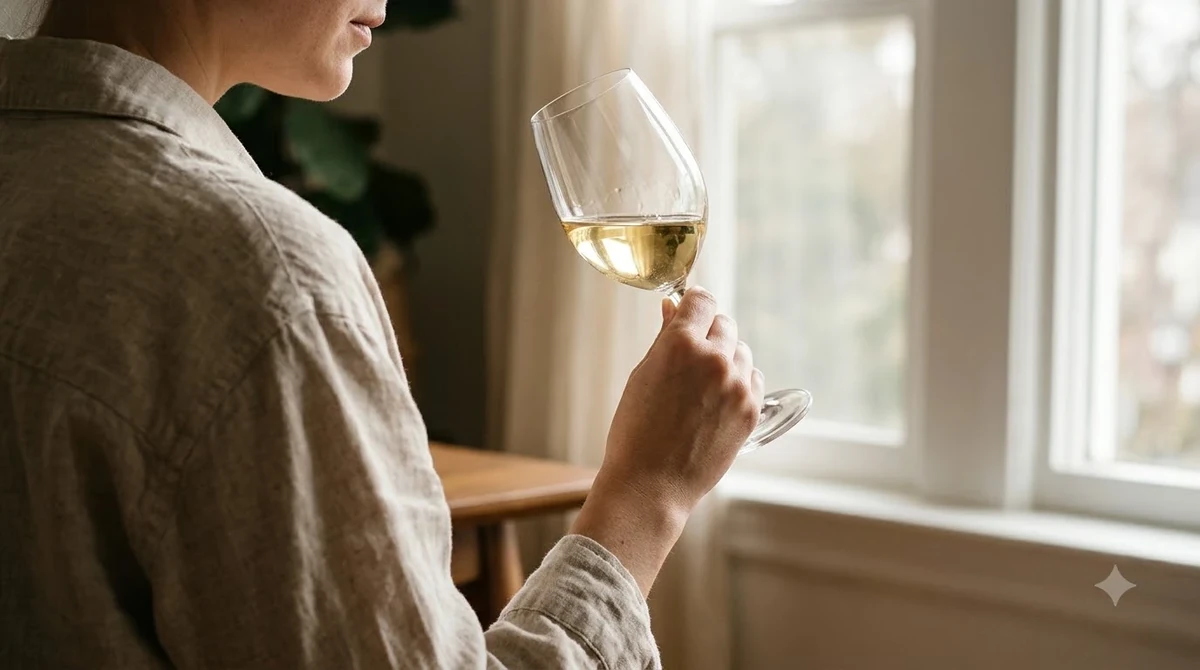
Lavaux is located on the northern shore of Lake Geneva, between Lausanne and Montreux. Its steep, terraced vineyards form one of Switzerland’s best-known wine landscapes. Stone walls support the slopes, helping create workable planting areas where the terrain would otherwise make cultivation difficult.
The lake contributes to the area’s growing conditions by moderating temperature and reflecting sunlight. The surrounding slopes also benefit from varying exposures, which influence grape ripening. Chasselas is the dominant traditional variety, and local wines are often appreciated for their restrained fruit, freshness, and mineral character.
Several appellations help wine drinkers understand Lavaux’s local identity. Dézaley and Saint-Saphorin are among the names associated with its vineyard landscape. Exploring individual appellations can reveal differences in site exposure, soil, and winemaking tradition even within this relatively compact area.
La Côte, west of Lausanne toward Geneva, is another important Vaud wine area. It includes communities such as Féchy and Mont-sur-Rolle. Chasselas remains a central grape, while Pinot Noir and other red varieties add diversity to local wine lists.
Chablais, east of Lake Geneva toward the Rhône Valley, offers another distinctive vineyard environment. The area includes locations such as Aigle and Yvorne. Its wines provide a useful comparison with those of Lavaux, especially when tasting Chasselas from different parts of Vaud.
Valais offers a very different landscape. Instead of focusing primarily on lakeside terraces, visitors encounter vineyards along the Rhône, steep mountain slopes, and villages such as Sion, Sierre, Fully, and Visperterminen. The combination of elevation and varied exposures supports an unusually broad range of grapes.
Graubünden is another worthwhile destination for vineyard scenery and Pinot Noir. The Bündner Herrschaft, around communities such as Maienfeld and Malans, is particularly recognized for its red wines. Its vineyards offer a different perspective on Swiss viticulture from the warmer Ticino landscape or the terraces of Lavaux.
Ticino brings an Italian-influenced atmosphere to Swiss wine tourism. The region’s southern location, proximity to Lake Maggiore and Lake Lugano, and warmer climate create favorable conditions for Merlot. Visitors can combine vineyard stops with local restaurants and the area’s distinctive architecture and food traditions.
Each landscape rewards a slightly different approach. Lavaux is particularly attractive for lakeside walks and Chasselas tastings, while Valais suits travelers interested in indigenous grapes and Alpine vineyards. Graubünden is a natural choice for Pinot Noir enthusiasts, and Ticino is especially appealing to those who enjoy Merlot and Italian-influenced cuisine.
Swiss Food and Wine Pairings
Swiss regional food offers natural partners for the country’s wines, particularly cheese dishes, freshwater fish, cured meats, poultry, and Alpine specialties. Matching the intensity, acidity, and structure of a wine with the character of a dish usually produces the most satisfying results.
Raclette and Fendant are a classic combination. Raclette is rich, salty, and fatty, while Fendant offers a fresh, relatively delicate profile. The wine’s acidity helps refresh the palate between bites, and its restrained aromas do not compete with the cheese.
Cheese fondue and Chasselas provide another traditional pairing. Fondue is made with melted cheese and often includes wine in the preparation. A dry Chasselas can complement the dish’s richness without introducing excessive tannin or sweetness. The same wine can work with Gruyère-based preparations and other rich cheese dishes.
Petite Arvine and freshwater fish make a good combination, especially when the fish is grilled or served with a light citrus-based sauce. The wine’s acidity can complement the natural flavors of perch or trout. For more delicate preparations, choose a style with restrained oak influence.
Pinot Noir and roast chicken are a reliable pairing. Pinot Noir’s moderate tannin and relatively high acidity allow it to complement poultry without overwhelming the meat. Mushroom sauces and roasted root vegetables provide additional savory elements that work well with the wine.
Cornalin and beef offer a more substantial combination. The grape’s dark fruit and structure suit roasted or grilled meat, while the food’s protein and fat soften the perception of tannin. This pairing is particularly useful for richer preparations served with herbs or mushrooms.
Humagne Rouge and game provide a traditional Alpine-inspired match. Dishes featuring venison, wild mushrooms, or slow-cooked meats can complement the wine’s earthy and wild-fruit characteristics. The wine’s distinctive aromatic profile also suits savory preparations with rosemary or thyme.
Ticino Merlot and grilled meats are a natural choice. A medium-bodied version can accompany grilled pork or veal, while a more concentrated example can stand alongside beef or lamb. The wine’s softer texture makes it more versatile than highly tannic reds for many everyday meals.
Some pairing principles apply regardless of the region. Acidic food generally needs a wine with equal or higher acidity. Salt and fat soften the impression of tannin, while chili heat can become more intense with high-alcohol or tannic wines. Oily fish is usually better with fresh whites or lighter reds than with strongly tannic varieties.
Tip: For a simple Swiss wine dinner, serve Fendant with cheese fondue, Petite Arvine with freshwater fish, and Pinot Noir with roast chicken. This three-wine progression introduces different grape styles while keeping the food combinations practical and regional.
Dessert requires a different approach. The wine should be at least as sweet as the dessert, or the wine can taste thin and sour beside it. A sweet Swiss wine is therefore a better match for fruit tarts or sweet pastries than a completely dry Chasselas or Pinot Noir.
Planning a Swiss Wine Country Visit
A successful Swiss wine trip starts with choosing a region that matches your interests and allowing enough time for vineyard visits. Valais, Vaud, and Ticino are particularly rewarding starting points because each combines recognizable regional wines with distinctive landscapes and food traditions.
Choose Valais for grape diversity. This is the natural destination for travelers interested in Petite Arvine, Heida, Cornalin, and Humagne Rouge. The Rhône Valley connects numerous vineyard communities, including Fully, Chamoson, Sion, Sierre, and Salgesch. Visitors can organize tastings around specific villages rather than trying to cover the entire region in one day.
Choose Vaud for Chasselas and lakeside scenery. Lavaux offers an especially appealing combination of vineyard terraces and Lake Geneva views. Lausanne, Vevey, and Montreux provide useful bases for exploring the surrounding wine communities. A visit can combine a vineyard walk with a tasting of several Chasselas wines from different appellations.
Choose Ticino for Merlot. The region’s Italian-speaking culture, warmer conditions, and Mediterranean-influenced food make it distinct from the northern wine regions. Lugano and Bellinzona provide useful starting points for exploring local wineries and restaurants.
Choose Graubünden for Pinot Noir. The Bündner Herrschaft is particularly suitable for visitors interested in the country’s red wines. The communities of Maienfeld, Malans, and nearby villages provide opportunities to explore different Pinot Noir expressions.
Harvest season is a particularly interesting time to visit. Depending on location, grape picking generally takes place in late summer and autumn, although exact dates change with weather and elevation. The season brings increased activity to vineyard communities, and some producers organize special events around harvest work.
Spring and summer are also attractive for vineyard walks. Longer daylight hours make it easier to explore terraces and lakeside routes, while autumn brings changing foliage and harvest activity. Winter visits can still be rewarding, particularly for cellar tastings and regional dining, but outdoor vineyard activities may be more limited.
Booking directly with wineries is a sensible approach. Some producers accept visitors by appointment rather than operating a permanent public tasting room. Ask about the number of wines included, available languages, tasting duration, and whether food is offered.
Transportation deserves attention, particularly if your itinerary includes several tastings. Switzerland has an extensive public transportation network, and trains, buses, and boats can connect many vineyard communities. For a day involving multiple wine tastings, public transportation or a designated driver is preferable to driving between cellars.
It also helps to keep the itinerary focused. Two or three winery appointments in one day usually provide more time for conversation and comparison than a long list of rushed stops. Allow additional time for vineyard walks, meals, and travel between communities.
For a broader comparison with wine tourism elsewhere, the Hill Country vineyards offer another example of how regional food, landscape, and local producers can shape a wine-focused trip. Readers planning a wider itinerary can also explore the site’s Wine Regions resource for additional destinations.
Buying, Serving, and Understanding Swiss Wine
Swiss wines are often easier to discover inside Switzerland than in international retail markets, so knowing a few regional names and grape varieties makes buying considerably simpler. Correct serving temperatures and suitable glassware also help reveal the differences between delicate whites, aromatic specialty grapes, and structured Alpine reds.
Availability is an important consideration for American wine buyers. Switzerland Tourism reports that only approximately 1% of Swiss wine was exported in the figures it cites. This limited international distribution means some small-producer bottles may be difficult to find outside the country.
When buying Swiss wine, begin with the region and grape variety. A bottle labeled Fendant points toward Valais Chasselas, while Petite Arvine and Heida indicate distinctive white varieties. Cornalin and Humagne Rouge identify traditional Valais reds, while Ticino Merlot offers a more familiar international grape with a regional identity.
Place names also matter. A bottle from Lavaux, Dézaley, or Saint-Saphorin gives more geographical context than a generic regional designation. The same applies to Graubünden and the Bündner Herrschaft, where producers often emphasize the character of their vineyard locations.
Swiss appellation terminology can help buyers understand origin and production rules. AOC, meaning Appellation d’Origine Contrôlée, identifies wines subject to geographical and production requirements. Valais has its own AOC framework, which regulates approved grape varieties and other elements of wine production.
Serving temperature should reflect the style rather than simply the wine’s color. Light whites such as Fendant generally show well at 45 to 50 degrees Fahrenheit. More structured whites, including some Petite Arvine and Heida, can benefit from a slightly warmer 50 to 55 degrees.
Light-bodied Pinot Noir is best served around 55 to 60 degrees Fahrenheit. More structured reds, including concentrated Syrah or Cornalin, can be served around 60 to 65 degrees. Serving reds too warm can make alcohol more noticeable and reduce the impression of freshness.
Glassware also makes a difference. A medium-sized white wine glass is suitable for Chasselas and Petite Arvine, while Pinot Noir benefits from a bowl that provides room for its delicate aromas to develop. A larger red wine glass can help more structured varieties such as Syrah express their aromatic complexity.
For a standard tasting, a five-ounce pour is a useful reference, and a 750-milliliter bottle contains approximately five such servings. If comparing several Swiss varieties, smaller tasting pours make it easier to notice differences without becoming overwhelmed by alcohol or palate fatigue.
Young, full-bodied red wines may benefit from 30 to 60 minutes of decanting, depending on their structure. Delicate Pinot Noir usually requires less aggressive aeration. Chasselas and other fresh whites generally do not need decanting.
Once opened, still wines generally keep for three to five days in the refrigerator when properly resealed. Sparkling wines typically retain their best character for one to three days with a suitable sparkling-wine stopper. Storage conditions matter for unopened bottles, too: a consistent temperature near 55 degrees Fahrenheit and protection from light are useful general targets.
For long-term storage, bottles sealed with natural cork are generally kept on their sides to maintain contact between the wine and cork. Avoid large temperature fluctuations, direct sunlight, and locations near heating equipment.
The most rewarding way to explore Swiss wine is to compare different regions and grapes rather than relying on a single famous bottle. A Chasselas from Vaud, a Petite Arvine from Valais, and a Merlot from Ticino can reveal just how much variation exists within this relatively small wine-producing country.
Frequently Asked Questions
How many wineries are there in Switzerland?
Switzerland has more than 2,500 winegrowers cultivating vineyards, although this figure includes growers who do not necessarily operate independent commercial wineries. Some supply grapes to cooperatives or other producers. The distinction is important when comparing vineyard ownership with the number of wine brands available.
What is the smallest vineyard in Switzerland?
The tiny vineyard at Saillon in Valais is recognized by Switzerland Tourism as the smallest vineyard in the world. It contains just three vines and measures approximately 1.6 square meters. The vineyard has been owned by the Dalai Lama since 1999.
Is Swiss wine produced in every canton?
Yes. Switzerland Tourism reports that wine is cultivated in all 26 Swiss cantons. However, the scale of production varies considerably, and some cantons have much smaller vineyard areas than major producers such as Valais and Vaud.
What is Dôle wine from Switzerland?
Dôle is a traditional red wine associated with Valais, made using Pinot Noir and Gamay. The blend reflects the region’s long-standing cultivation of both varieties. Its precise composition and style can differ between producers, making comparisons particularly interesting for visitors.
What languages are spoken in Switzerland’s wine regions?
Switzerland has four national languages: German, French, Italian, and Romansh. French is widely used in Vaud, Geneva, and much of Valais; German predominates in German-speaking Switzerland; and Italian is the principal language of Ticino. Romansh is spoken in parts of Graubünden, adding another cultural dimension to the country’s wine heritage.
Switzerland offers far more wine diversity than its international reputation might suggest. From the Chasselas terraces of Lavaux to the indigenous grapes of Valais and the Merlot vineyards of Ticino, each region provides a different reason to explore its wines. Start with a few signature varieties, compare their regional expressions, and let the country’s Alpine geography guide your next tasting.
More in Wine Regions
 Willcox Wine Trail: Discover Arizona’s High-Elevation Wine CountryUpdated Nov 20, 2026
 Yakima Valley Wine Region: Find the Best Styles to TryUpdated Nov 20, 2026
 Vosne Romanee Wine Tasting: Identify Aromas and Choose Better PairingsUpdated Nov 20, 2026
 Yakima Valley Wine Festival: Find the Best Seasonal Wine EventsUpdated Nov 20, 2026
 Wales Vineyards: Discover Cool-Climate Wines and Where to VisitUpdated Nov 20, 2026
 Yountville Wine Festival: Discover Napa Wines and Local FoodUpdated Nov 20, 2026