

We may earn a commission when you buy through links on this page, at no extra cost to you. Learn more.
sweet viognier is a relatively uncommon dessert-style white wine made from Viognier grapes, often picked late or concentrated before fermentation. Most Viognier is dry, even though ripe peach, apricot, honeysuckle, and a rounded texture can make it smell and feel sweet. For a genuinely sweet bottle, look for a late-harvest or dessert-wine designation and, when available, a stated residual-sugar figure.
Viognier is a fragrant white grape with a naturally generous style, but its perfume is not proof of sweetness. This buying guide explains how sweet versions differ from the familiar dry wines, what production and label clues matter, how to serve a dessert bottling, and which foods make its ripe stone-fruit character work at the table.
What Sweet Viognier Actually Means
Sweet Viognier is a specific style, not the default expression of the grape. Most bottles are dry whites, while genuinely sweet examples are less common and are often described as late-harvest, dessert, or botrytized wines. The distinction matters because the same peach-and-honeysuckle perfume can appear in a dry wine that finishes without noticeable sugar.
The grape’s classic home is Condrieu in France’s Northern Rhône, just south of Côte-Rôtie. WSET describes Condrieu’s vineyards as steep, low-yielding sites that have often needed terracing; the neighboring Château-Grillet appellation is also closely associated with Viognier. In these northern Rhône vineyards, producers prize the grape’s full body and expressive aromas. The broader Rhône region also uses Viognier in some Syrah-based red wines, so the grape name alone does not tell you that a bottle is white or sweet.
In the glass, Viognier commonly suggests ripe peach, apricot, honeysuckle, jasmine, citrus blossom, and sometimes pineapple or honey. Those smells can create an impression of sweetness before the wine reaches the palate. A broad, almost creamy texture can reinforce that impression, especially when acidity is modest. Residual sugar is different: it is the grape sugar left in the wine after fermentation. A wine can smell like apricot jam and still be technically dry if the yeast has converted nearly all fermentable sugar into alcohol.
That difference is why a shopper should separate three ideas: fruitiness, body, and sweetness. Fruitiness describes the aromas and flavors; body describes weight and texture; sweetness describes the sugar that remains in the finished wine. Viognier can be high in the first two without being sweet in the third. Wine Enthusiast explains that the variety is used mainly for dry whites, with some late-harvest sweet wines, and its Viognier profile outlines the grape’s typical floral and stone-fruit character.
How Growers and Winemakers Create Sweetness
Sweet Viognier is generally made by concentrating ripe grape sugars and leaving some of that sugar in the finished wine. The two useful production clues are late harvesting and, in some wines, botrytis or noble rot; neither technique should be assumed unless the producer describes it.
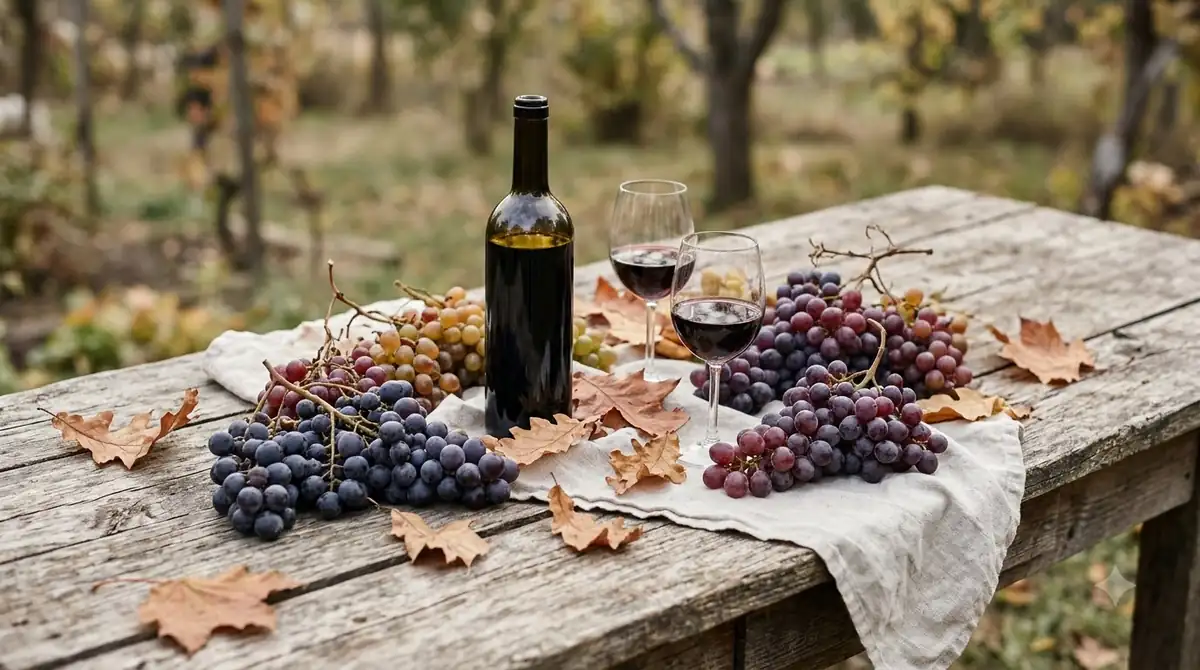
With a late-harvest wine, growers leave the grapes on the vine beyond the point at which they would normally pick fruit for a dry white. The berries continue to ripen and may lose water as they dehydrate, concentrating the juice that remains. That extra concentration can bring flavors of dried apricot, peach preserves, orange peel, and honey. The winemaker then manages fermentation so that some natural grape sugar remains instead of allowing yeast to ferment it all into alcohol. The result can range from gently sweet to intensely dessert-like, depending on the grapes and the fermentation choice.
Botrytis cinerea, often called noble rot when it develops under suitable conditions, can also concentrate grapes by drawing moisture from the berries. The process is selective and depends on weather: suitable humidity and drying conditions are needed, and unwanted bunch rot is not the same thing as noble rot. Botrytized Viognier may show concentrated stone fruit, honey, dried citrus, and a more layered texture. Because the conditions are variable, this style is not something every vineyard or every harvest can produce reliably.
Sweetness also needs balance. Viognier naturally tends toward low acidity compared with many crisp white grapes, so a very sweet version can feel heavy if the wine lacks enough freshness. A successful bottling keeps the fruit, alcohol, acidity, and remaining sugar in proportion. Some makers use cool fermentation and stop the process before all the sugar is consumed; others work with very ripe or botrytized fruit. These are different routes to sweetness, not guarantees of identical flavor or intensity.
Do not assume that a rich golden color proves that a wine is sweet, or that a high alcohol number proves that it is dry. Oak aging can add vanilla and sweet spice without adding residual sugar, while warm-climate Viognier can reach relatively high alcohol because the grapes accumulate sugar before fermentation. The WSET’s Viognier overview notes the variety’s low acidity and the importance of picking at the right level of ripeness; those features help explain why sweetness and balance need attention.
What to Look for on a Bottle Label
Start with the producer’s description, not the grape name alone. For a sweet bottle, the strongest clues are terms such as “late harvest,” “dessert wine,” “botrytized,” or a direct residual-sugar statement; “peach,” “honey,” and “floral” on their own describe aroma and flavor rather than sugar level.
Recognize the useful wording
“Late harvest” usually signals fruit picked after the normal harvest window, often with more concentrated sugar. “Dessert wine” indicates that the producer intends the wine to be served with or in place of dessert, although sweetness can still vary. “Botrytized” means the wine uses grapes affected by noble rot. “Off-dry” signals a perceptible but restrained sweetness, while “sweet” or “semi-sweet” is a more direct style description. These terms are more useful than tasting-note words such as ripe, lush, tropical, or honeyed.
If the label or producer’s technical page gives residual sugar in grams per liter, use that figure as a more precise clue than aroma language. A higher number generally means more sugar remains, but the sensation also depends on acidity, alcohol, temperature, and the wine’s overall structure. There is no single residual-sugar figure that every shopper will experience in exactly the same way. A wine with lively acidity can taste less sweet than one with the same sugar level but softer acidity.
Check format, alcohol, and origin
Sweet wines are often sold in smaller formats because a modest pour can be enough with dessert. A 375-milliliter half bottle is a practical option for one or two people, while a 750-milliliter bottle is more suitable for a larger tasting or a shared dessert course. Bottle size does not tell you how sweet the wine is, but it can help you choose the right amount for the occasion. Some producers release late-harvest Viognier only in selected vintages or limited quantities, so availability may be less consistent than for dry Viognier.
Alcohol by volume is a supporting clue, not a sweetness scale. Fermentation that stops while sugar remains can leave a dessert wine with less alcohol than a dry wine made from equally ripe fruit, but that pattern is not universal. High natural grape sugar can still produce a wine with substantial alcohol, and winemaking choices vary. When the retailer’s listing gives both alcohol and residual sugar, read them together rather than treating either number as a verdict on sweetness.
Origin helps you understand a style, but it should not replace the producer’s notes. Condrieu is the best-known Northern Rhône name for Viognier. A bottle from California, Australia, or another Viognier-growing region may be made in a late-harvest style, but the region alone does not promise a sweet wine. Look for a dessert designation and a description of the finish before choosing it for a sweet course.
Serving, Storage, and Pour Sizes
Serve sweet Viognier well chilled, but not so cold that its peach, apricot, and floral aromas disappear. A useful starting range for sweet white wine is 43–50°F, and a small 5-ounce pour gives the wine room in the glass without making a rich dessert style feel excessive.
Use a standard white-wine glass with enough bowl space to collect the aromas. Pour slowly and leave some room above the wine so that honeysuckle, citrus blossom, and ripe stone fruit can emerge as the wine warms slightly in the glass. If the bottle has been stored very cold, give it a few minutes after pouring rather than letting it sit on the counter for a long time. The right temperature is a balance: cold enough to keep sweetness fresh, warm enough to reveal the wine’s fragrance.
| Practical detail | Useful number | How to use it |
|---|---|---|
| Serving temperature for sweet white wine | 43–50°F | Start near the cool end, then allow the glass to warm slightly. |
| Typical wine pour | 5 ounces | Use a smaller pour for a concentrated dessert wine. |
| Standard bottle | 750 ml | Provides about five 5-ounce glasses. |
| Opened still wine | 3–5 days refrigerated | Re-cork promptly and keep the bottle cold. |
| Long-term bottle storage | Near 55°F | Keep the temperature steady and store a cork-finished bottle on its side. |
For an unopened bottle, stable conditions matter more than movement. Keep it away from sunlight, heat sources, and repeated temperature swings. A storage area near 55°F is a useful target for wine generally; store a natural-cork bottle on its side. Sweet Viognier intended for near-term enjoyment does not need elaborate cellaring.
Tip: Chill the bottle first, then pour a small glass and let it sit for a few minutes. If the wine seems muted straight from the refrigerator, a little warming in the glass can bring out apricot, honeysuckle, and spice without making the sweetness feel heavier.
After opening, replace the closure and refrigerate the bottle. Three to five days is a practical general window for still wine, although the pace of change depends on the wine and the air left in the bottle. Keep it upright to reduce the surface area exposed to oxygen. If the aroma turns flat or bruised, the wine has passed its best drinking point.
Food Pairings and Alternatives to Consider
Pair sweet Viognier with food that can meet its sweetness and texture: ripe fruit desserts, salty cheeses, and savory dishes with gentle spice are useful starting points. The main rule is to serve a wine at least as sweet as the dessert, while acidic dishes need a wine with equal or higher acidity to avoid making the wine taste flat.
For dessert, try apricot tart, peach cobbler, poached pears, or a fruit-and-cream pastry. The stone-fruit flavors in Viognier echo apricot and peach, while the wine’s round texture suits custard, pastry cream, and soft baked fruit. Avoid pairing a lightly sweet bottling with a very sugary cake or syrup-heavy dessert: the food can make the wine seem sour or thin. A more concentrated late-harvest wine is the better match for a sweeter dessert, provided the wine itself is at least as sweet as the dish.
For a savory course, consider blue cheese, a salty aged cheese, pâté, or roast pork with apricot glaze. Salt and fat can soften a wine’s structure and help balance a concentrated, aromatic white. A dish with gentle ginger, coriander, or mild curry spice may also work, especially when it includes fruit or a touch of sweetness. Be careful with very hot chili: alcohol can make chili heat feel more intense, so choose a lower-alcohol, softer style or reduce the heat in the dish.
When a sweet Viognier is hard to find, choose an alternative by the experience you want rather than by grape similarity alone. For a textured sweet white with freshness, compare it with sweet Chenin Blanc, which can cover a broad range from lightly sweet to dessert-like. For a red-wine option at dessert, an organic sweet red wine offers a different fruit and tannin profile; match its sweetness to the food and remember that salt and fat soften tannin.
If you want bubbles with a sweet finish, consider sweet Cava instead. Sparkling wine brings a different texture and a refreshing contrast to creamy desserts, while Viognier is still and more aromatic. For help comparing labels, styles, and bottle formats across the shop, the broader Wine Buying Guides explain the details that matter before you choose.
Frequently Asked Questions
These quick answers clarify a few points that often come up when shoppers compare Viognier bottles from the Northern Rhône, California, and other wine regions.
Is Condrieu always sweet?
No. Condrieu is a Northern Rhône appellation known for Viognier, and its familiar expression is a dry white wine with a rich body and pronounced aromas. A shopper seeking dessert sweetness should look for an explicit sweet-wine description rather than relying on the Condrieu place name.
Can Viognier appear in a red wine?
Yes. In parts of the Northern Rhône, Viognier may be co-fermented with Syrah for red wine, especially in Côte-Rôtie. WSET notes that some northern Rhône red wines can contain up to 20 percent Viognier, although many are made entirely from Syrah.
Does Viognier become bitter as it ages?
Some examples can develop an oily or slightly bitter character as they age, and their fresh floral aromas may fade. Decanter notes this tendency for Viognier generally, particularly in wines from the Languedoc, which is one reason many bottles are enjoyed relatively young.
Are Viognier vines difficult to grow?
They can be. Viognier buds early, so spring frost can damage the crop, and the grape is susceptible to powdery mildew in humid conditions. WSET also describes its historically low and unpredictable yields, which help explain why growers pay close attention to flowering and harvest timing.
Can Viognier be blended with other white grapes?
Yes. Viognier is used in white blends with Rhône varieties such as Marsanne and Roussanne, where it contributes perfume and body. A blend may not be labeled simply as Viognier, so read the grape composition when you want to know how much of the finished wine comes from this variety.
Sweet Viognier is best approached as a specialty bottling: its familiar floral and apricot character is common, but residual sweetness is not. Choose a bottle described as late-harvest or dessert wine, serve it cool, and pair it with fruit desserts or salty, rich foods that can meet its sweetness and texture.
More in Wine Buying Guides
 Cheap Red Blend: How to Find a Flavorful Bottle for LessUpdated Nov 20, 2026
 Pinot Grigio Gift: How to Choose a Bottle They’ll EnjoyUpdated Nov 20, 2026
 Best White Wine at Total Wine for Every MealUpdated Nov 20, 2026
 Wine Fridge Replacement Shelves: Find the Right FitUpdated Nov 20, 2026
 Best Sparkling Wine Under 20: Find Bubbles Worth BuyingUpdated Nov 20, 2026
 Best Wine For Birthday Celebrations With Perfect Party PairingsUpdated Nov 20, 2026