

We may earn a commission when you buy through links on this page, at no extra cost to you. Learn more.
How to serve dessert wine starts with chilling the bottle to approximately 43–50°F, choosing an appropriate glass and pouring a smaller serving than you would for dry table wine. The ideal temperature depends on the wine’s style, from delicate Moscato and ice wine to concentrated Sauternes and fortified Port. Pair the wine with food that complements its sweetness and acidity, and serve it in measured pours that allow its aromas and flavors to develop.
Dessert wine deserves more attention than simply opening a bottle after the main course. A well-chosen sweet wine can accompany cheese, fresh fruit, savory appetizers and even certain main dishes. Temperature, glassware, serving size and food pairing all influence how balanced the wine tastes. A few practical adjustments can make an ordinary after-dinner pour considerably more enjoyable.
Choose the Right Serving Temperature for Dessert Wine
Most dessert wines taste best chilled, generally between 43°F and 50°F. The appropriate temperature depends on sweetness, body, acidity and alcohol, so a light Moscato should not necessarily receive the same treatment as a mature tawny Port.
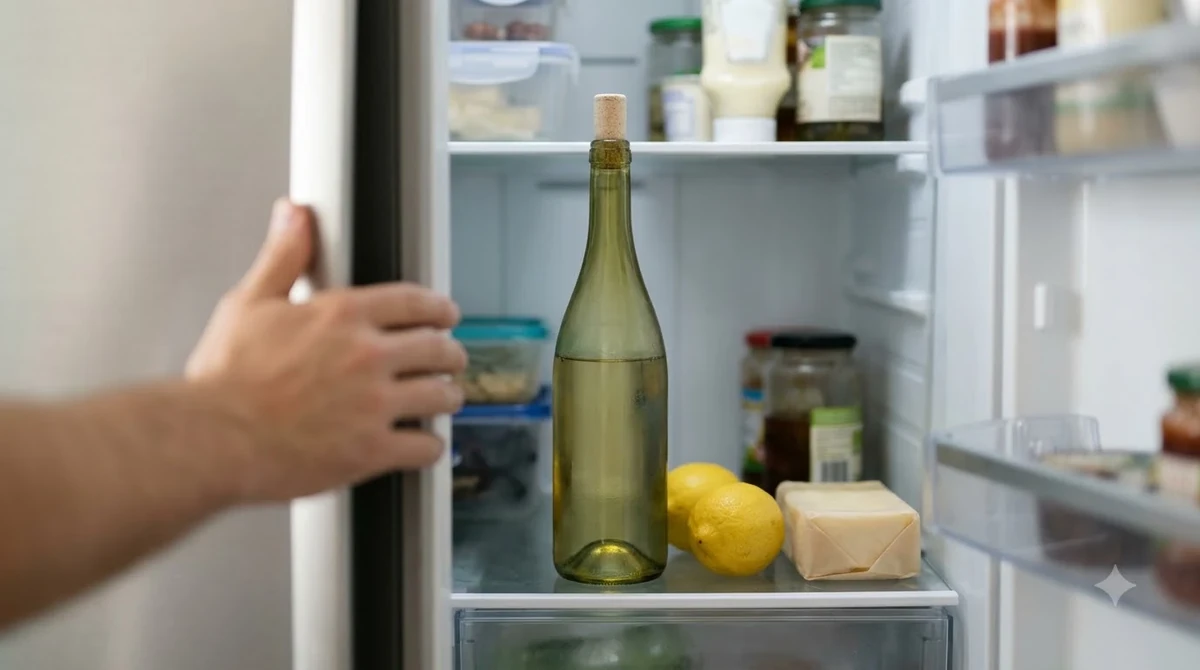
Chilling helps concentrated sweetness feel balanced and keeps alcoholic warmth from dominating the first impression. However, excessively cold wine can conceal delicate aromas, including honey, apricot, citrus peel and floral notes. The goal is a refreshing temperature that still allows the wine to express its character.
For many sweet white wines, 45–50°F is a useful starting point. Sauternes, Barsac and many late-harvest Rieslings benefit from this range because their sweetness is supported by acidity. Ice wine and lighter aromatic dessert wines can be served toward the colder end, while some richer, aged examples benefit from a few additional degrees of warmth.
Fortified dessert wines require slightly different treatment. Ruby Port is often served a little warmer than delicate sweet whites, while tawny Port generally benefits from light chilling. Sweet Sherry also varies according to its style, with chilled service helping preserve freshness and prevent its sweetness from feeling heavy.
| Dessert wine style | Serving temperature | Serving approach |
|---|---|---|
| Moscato d’Asti | 40–45°F | Well chilled, with fresh fruit or light desserts |
| Ice wine | 43–48°F | Chilled, in small pours |
| Late-harvest Riesling | 43–50°F | Chilled, with fruit or spicy dishes |
| Sauternes and Barsac | 45–50°F | Cool, with cheese or fruit desserts |
| Tokaji Aszú | 45–50°F | Cool, with cheese or lightly sweet desserts |
| Sweet Sherry | 45–55°F | Cool, with nuts or creamy desserts |
| Tawny Port | 55–60°F | Slightly chilled, with caramel or nut desserts |
| Ruby Port | 60–65°F | Cool room temperature, with chocolate or cheese |
These temperatures are practical starting points rather than rigid requirements. Wine style, age and personal preference can justify small adjustments. For example, Château Coutet’s Aline Baly recommends approximately 48–50°F for Barsac sweet wines, while middle-aged examples can benefit from being served slightly warmer to reveal their baking-spice aromas.
Allow a bottle to warm gradually in the glass if its aromas initially seem muted. This is preferable to leaving an entire bottle on a warm dining table. The changing temperature can also make a glass more interesting, revealing different fruit and spice characteristics as you drink.
Tip: If you are uncertain about temperature, begin with a properly chilled bottle and allow individual pours to warm slightly. It is easier to reveal additional aromas as the wine warms than to recover freshness after serving it too warm.
For additional guidance on how temperature influences wine aromas and glassware choices, consult Wine Enthusiast’s wine serving temperature and glassware guide.
Select Glassware That Shows the Wine’s Aromas
A dessert wine does not require an elaborate specialty glass. A small tulip-shaped wine glass or a regular white wine glass with a gently tapered rim works well for most sweet wines, allowing aromas to collect above the liquid while providing enough room to swirl.
Glass size should reflect the wine’s concentration rather than simply its sweetness. A delicate Moscato or sweet Riesling benefits from a glass that captures floral and citrus aromas. A concentrated Sauternes or Tokaji can also be served in a standard white wine glass, giving its honeyed fruit, dried apricot and spice notes room to develop.
Some traditional dessert wine glasses have narrow bowls and very small openings. They are convenient for concentrated wines because they encourage modest pours, but they are not essential. A small white wine glass can provide a more useful balance between aroma, serving size and ease of handling.
For fortified wines, the choice can depend on alcohol strength and texture. Port glasses are generally smaller than standard red wine glasses, while sweet Sherry can work in a tulip-shaped glass. Pedro Ximénez, with its particularly concentrated sweetness, can even be served in a short tumbler when poured over ice cream or crushed ice.
Match the glass to the wine
Consider the following practical choices:
- Moscato d’Asti: Use a small white wine glass or sparkling wine glass to preserve its fresh floral aromas and gentle bubbles.
- Late-harvest Riesling: Choose a small tulip-shaped white wine glass to concentrate its citrus, peach and honey aromas.
- Sauternes: Use a regular white wine glass with enough bowl space to appreciate its complex fruit and spice.
- Ice wine: Choose a small white wine glass that allows concentrated aromas to collect without requiring a large serving.
- Port: Use a smaller fortified-wine glass for concentrated flavors and a measured pour.
- Sweet Sherry: A tulip-shaped glass or small tasting glass is suitable for its rich aromas.
Clean glassware is especially important with sweet wines. Residual detergent, water spots and strong odors can interfere with delicate floral and fruit aromas. Rinse glasses thoroughly and allow them to dry without leaving lint inside the bowl.
Hold stemmed glasses by the stem rather than wrapping your hand around the bowl. This keeps the wine closer to its intended serving temperature and reduces fingerprints on the glass. It is a small detail, but it helps maintain a consistent experience throughout an extended dessert course.
Pour the Correct Amount and Pace Each Serving
Dessert wine should generally be poured in smaller quantities than dry table wine because its flavors and sweetness are more concentrated. A serving of approximately 2–3 ounces is a useful starting point for many still dessert wines, while particularly concentrated fortified wines can be served in smaller measures.
The Wine and Spirit Education Trust identifies 75 ml, approximately 2.5 fluid ounces, as a typical serving for sweeter Sherry styles. This is considerably smaller than the approximately 5-ounce serving commonly used for still table wine in the United States. The difference reflects the greater concentration and, in fortified styles, often higher alcohol content.
A smaller pour also gives you more control over temperature. Dessert wine gradually warms after entering the glass, so a modest serving can be enjoyed before the liquid becomes too warm. You can always pour a little more if the pairing calls for it.
| Pour size | Approximate servings from 375 ml | Suitable use |
|---|---|---|
| 1.5 oz | 8.5 | Very concentrated sweet wines |
| 2 oz | 6.3 | Port and rich dessert wines |
| 2.5 oz | 5 | General dessert wine service |
| 3 oz | 4 | Light dessert wines and tasting pours |
These figures are approximate and assume the bottle contains 375 ml. A standard 750 ml bottle provides twice as many servings. For a dinner with six guests, one 375 ml bottle provides enough for everyone to receive a 2-ounce pour, with a small amount remaining.
Pour slowly and avoid filling the glass more than necessary. Leaving room above the liquid helps collect aromas, making it easier to appreciate the wine before taking a sip. This is particularly helpful with Sauternes, Tokaji and aged sweet Sherry, which can reveal layers of fruit, spice and nutty character.
If you are offering several wines, serve the lighter and less concentrated examples before richer ones. A fresh Moscato can precede a more complex late-harvest Riesling, followed by a concentrated Sauternes or Port. This progression prevents the strongest flavors from overwhelming the earlier wines.
Pair Dessert Wine With Food That Balances Its Sweetness
The most reliable pairing rule is to serve wine that is at least as sweet as the dessert. If the food is considerably sweeter than the wine, the wine can taste sour, thin or unexpectedly bitter. Acidity also matters: acidic dishes generally need wine with equal or higher acidity to maintain a balanced pairing.

Sweet wine is not limited to cakes and pastries. Salt, fat, fruit acidity and savory flavors can create excellent contrasts with concentrated sweetness. This is why blue cheese and Sauternes remain a classic combination, while tawny Port works particularly well with creamy desserts and roasted nuts.
Chocolate and caramel desserts
Rich chocolate desserts usually need a concentrated wine with sufficient sweetness and body. Ruby Port is a familiar option because its ripe berry character can complement chocolate cake, chocolate mousse and dark chocolate truffles.
For caramel desserts, tawny Port offers nutty and dried-fruit characteristics that work well with crème brûlée, caramel pudding and pecan pie. A sweet Pedro Ximénez Sherry can also complement vanilla ice cream and caramel sauces.
Fruit desserts and pastries
Late-harvest Riesling, ice wine and Moscato can work particularly well with fruit-based desserts. Peach tart, apple pie, pear desserts and fresh strawberries provide natural partners for wines with peach, citrus, honey and floral characteristics.
Consider the sweetness of the preparation. A lightly sweet apple tart can work with a moderately sweet Riesling, while a heavily sweetened fruit cake may need a more concentrated wine. A dessert with lemon or other sharp citrus flavors also benefits from a wine with sufficient acidity.
Cheese and savory dishes
Blue cheese provides a classic contrast to the sweetness of Sauternes and other botrytized wines. Saltiness and creamy fat soften the perception of sweetness, while the wine’s acidity helps refresh the palate.
Roquefort, aged Gouda and creamy cheeses can all work well, although the best choice depends on the wine’s intensity. A lighter sweet Riesling may be overwhelmed by an especially powerful blue cheese, while a concentrated Sauternes can handle more assertive flavors.
According to Decanter, Château Coutet’s Aline Baly recommends combinations that include shellfish starters, roast chicken and fresh strawberries. This demonstrates why sweet wine should not be reserved exclusively for the final course.
Spicy dishes require more attention. Alcohol and tannin can amplify chili heat, making heavily alcoholic or tannic wines less comfortable with very hot food. A fragrant, lower-alcohol sweet Riesling can be a more suitable partner for moderately spicy dishes than a powerful fortified red.
For more everyday serving ideas, compare the temperatures and glassware recommendations in our guides on how to serve pinot grigio and how to serve pinot gris. Both offer useful examples of how serving temperature changes the way aromatic white wines express themselves.
Prepare Different Dessert Wine Styles Before Opening
Not every dessert wine is made in the same way, and the production method helps explain differences in sweetness, alcohol and texture. Knowing whether a wine is late-harvest, botrytized, ice wine or fortified makes it easier to select an appropriate serving approach.
Late-harvest wines
Late-harvest wines are made from grapes picked later than those intended for many ordinary table wines. The extended ripening period allows sugars and flavors to become more concentrated, creating wines with ripe peach, apricot, honey and tropical fruit characteristics.
Late-harvest Riesling is a useful example. Depending on its sweetness level, it can be served with fruit desserts, soft cheeses and moderately spicy food. Chill it before opening and use a small white wine glass to concentrate its aromas.
Botrytized wines
Botrytized wines are made using grapes affected by Botrytis cinerea, commonly called noble rot under suitable vineyard conditions. The process concentrates grape sugars and contributes distinctive aromas of honey, dried apricot, citrus peel and spice.
Sauternes and Barsac from Bordeaux are well-known examples, while Tokaji Aszú from Hungary is another important style. These wines often have enough acidity to balance their concentrated sweetness, making them suitable for cheese, fruit desserts and certain savory dishes.
Ice wine
Ice wine is produced from grapes that freeze naturally on the vine. Pressing frozen grapes separates concentrated juice from much of the frozen water, producing a sweet wine with intense fruit flavors.
Riesling and Vidal are familiar varieties used in ice wine production. These wines are typically served chilled in small quantities, allowing their concentrated peach, citrus and tropical fruit aromas to remain refreshing.
Fortified dessert wines
Fortified wines receive grape spirit during production, which increases alcohol strength and can preserve residual grape sugar by stopping fermentation. Port and some Sherry styles are common examples.
Port has several styles, including ruby, tawny and vintage. Ruby Port generally emphasizes fresh red and dark fruit, while barrel-aged tawny Port develops more nutty, dried-fruit and caramel characteristics. Vintage Port can develop sediment during bottle aging and may need decanting before service.
Sweet Sherry includes particularly rich styles such as Pedro Ximénez. These wines can be served in small pours alongside dried fruit, nuts, ice cream and other rich desserts. Their concentrated character means that a modest amount can provide plenty of flavor.
For a broader overview of grape varieties and wine categories, explore Wine by Type. Understanding the production method helps explain why two wines labeled as dessert wines can have very different serving requirements.
Open, Decant and Store Dessert Wine Correctly
Most dessert wines do not need decanting before serving, but certain fortified wines benefit from it. The main reason to decant is to separate sediment from the wine or, in selected cases, to allow the wine to develop briefly before pouring.
Vintage Port is the most important example. Bottle-aged vintage Port can develop sediment over time, and careful decanting helps keep that deposit out of the glass. WSET recommends handling the bottle gently, removing the cork carefully and pouring slowly while watching for sediment near the bottle neck.
Ruby Port, reserve Port and tawny Port generally do not require the same treatment. Many can be poured directly from the bottle. Sweet white wines such as Sauternes, ice wine and late-harvest Riesling also rarely require decanting because they generally do not develop the heavy deposits associated with aged vintage Port.
How to prepare a bottle
- Move the bottle into the refrigerator sufficiently early to reach the desired temperature.
- Keep older bottles upright before opening if sediment may have accumulated near the base.
- Remove the capsule and open the bottle carefully without shaking it.
- For vintage Port, pour slowly into a suitable decanter and stop when sediment approaches the neck.
- For most other dessert wines, pour directly into clean glasses.
- Return any remaining wine to the refrigerator promptly after serving.
For vintage Port, the amount of decanting time depends on the wine’s age and condition. Avoid automatically leaving every bottle exposed to air for several hours. Older wines can be particularly delicate, and prolonged exposure may cause their aromas to fade rather than improve.
Preserving an opened bottle
Storage after opening depends on the wine’s alcohol level, sweetness, oxygen exposure and production method. Refrigeration generally slows oxidation and helps preserve freshness. Replace the original closure securely or use an appropriate wine stopper before returning the bottle to the refrigerator.
Decanter reports that Austrian Auslesen can remain enjoyable for around 10 days after opening, while concentrated Ausbruch can last up to three weeks under refrigeration. These are style-specific examples, not guarantees for every dessert wine.
Vintage Port is more delicate after opening than many people expect. Decanter notes that it can fade within approximately three days, so it is better enjoyed relatively soon after opening. Tawny Port, by comparison, can last considerably longer when properly refrigerated.
Keep bottles away from direct sunlight, radiators and fluctuating temperatures. Unopened sweet wines should be stored in a cool, dark place, with bottles fitted with natural cork closures generally stored horizontally. A consistent storage environment helps preserve freshness and prevent unnecessary deterioration.
Once a bottle is open, pay attention to changes in aroma and flavor. Fresh fruit may gradually become less expressive, while oxidation can produce flatter or stale characteristics. Refrigeration helps slow these changes, but it cannot reverse them.
Plan a Dessert Wine Course From Start to Finish
A successful dessert wine course depends on more than choosing a sweet bottle. Consider the food being served, the number of guests, the progression of sweetness and the time needed to prepare each wine.
For a simple dinner party, start with one versatile bottle that complements the dessert or cheese course. A late-harvest Riesling can accommodate fruit tarts and moderately spicy food, while a Sauternes offers a more concentrated option for blue cheese or a lightly sweet pastry.
If you are serving several wines, build the progression around increasing concentration. Begin with a lighter aromatic style, move to a fuller sweet white and finish with a fortified wine if appropriate. This approach allows the differences between the wines to remain clear.
A practical serving schedule
- Two to three hours before serving: Place most sweet white wines in the refrigerator to begin chilling.
- Thirty minutes before serving: Prepare the glasses, check the dessert and arrange any cheese or fruit accompaniments.
- Fifteen minutes before serving: Check the wine temperature and remove a bottle from refrigeration if it is too cold.
- At the beginning of the course: Pour approximately 2–2.5 ounces per guest.
- During the course: Allow the wine to warm gradually in the glass and observe how its aromas change.
- After serving: Close remaining bottles securely and refrigerate them promptly.
When pairing several desserts, match each one to a wine of appropriate sweetness. A fruit tart with fresh berries may work with a lively Riesling, while a richer caramel pudding may be better suited to tawny Port. The wine should complement the dish rather than compete with it.
Guests who prefer dry wine may also appreciate a less concentrated sweet wine served alongside savory cheese rather than a very sugary dessert. Offering a choice between a light Moscato and a richer fortified wine can make the course more flexible without requiring a large collection of bottles.
For a different serving approach with a refreshing wine style, see our guide on how to serve rose. Rosé is not necessarily a dessert wine, but its temperature and glassware recommendations provide useful context when planning a mixed wine service.
Frequently Asked Questions
Can dessert wine be served as an aperitif?
Yes. Some sweet wines work well before a meal, particularly those with refreshing acidity and moderate alcohol. Austrian Auslese and other balanced sweet whites can accompany salty appetizers or cured meats. A small chilled pour is a practical way to introduce these wines before the main courses.
Does dessert wine need to be swirled before drinking?
Gentle swirling helps release aromas, especially in aromatic Riesling and botrytized wines. Avoid vigorous swirling with sparkling Moscato because excessive agitation can release carbonation quickly. A small movement of the glass is generally sufficient for still dessert wines.
Can dessert wine be mixed into a cocktail?
Yes. Moscato can provide floral sweetness in sparkling wine cocktails, while a small amount of sweet Sherry can add dried-fruit character to mixed drinks. Dessert wine can also be used in fruit-based punches and wine sauces, although heating will change its original aroma and flavor.
Should dessert wine be served before or after coffee?
Either order can work, depending on the menu. Serving dessert wine with the dessert before coffee makes it easier to appreciate its fruit and acidity without competing with roasted coffee aromas. Port and sweet Sherry can also accompany coffee-flavored desserts when the sweetness is balanced.
Is dessert wine always made from white grapes?
No. Dessert wine can be produced from both white and red grape varieties. Ruby Port, for example, is made from red grapes, while Sauternes is produced primarily from white varieties including Sémillon and Sauvignon Blanc. The final sweetness depends on production methods and the amount of residual grape sugar retained in the finished wine.
Serving dessert wine well comes down to a few practical decisions: chill the bottle appropriately, choose a glass that captures its aromas, pour modest quantities and select food that balances its sweetness. Whether you prefer Moscato, Sauternes, Tokaji, ice wine or Port, thoughtful serving makes each bottle more enjoyable. Experiment with different temperatures and pairings to discover which combinations best suit your table.
More in Wine Types & Grapes
 What Does Mourvèdre Taste Like? Flavor Profile, Regions, and PairingsUpdated Nov 20, 2026
 What Does Marsanne Taste Like? Flavors, Styles, and Food PairingsUpdated Nov 20, 2026
 What Does Malvasia Taste Like? Styles, Flavors, and Food PairingsUpdated Nov 20, 2026
 What Does Grenache Blanc Taste Like? Flavor Profile, Styles, and PairingsUpdated Nov 20, 2026
 What Does Garnacha Taste Like? Key Flavors, Styles, and Pairing TipsUpdated Nov 20, 2026
 What Does Fruit Wine Taste Like? A Complete Flavor and Style BreakdownUpdated Nov 20, 2026