

We may earn a commission when you buy through links on this page, at no extra cost to you. Learn more.
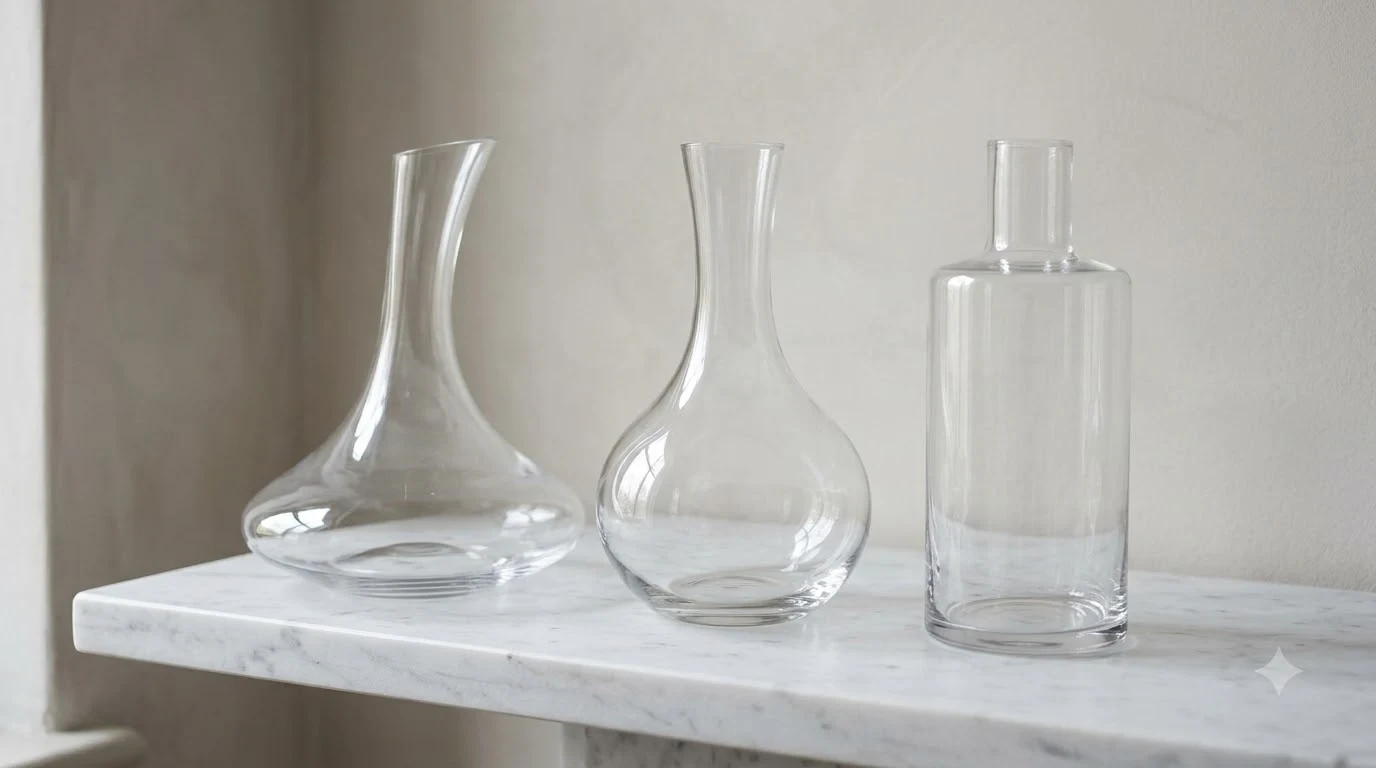
The best swan decanter is one with a stable base, a stopper that fits snugly, and a body wide enough to give the wine room to breathe, because the swan shape is mostly a display choice rather than a functional one. A swan-style decanter adds a decorative touch to a dinner table or bar cart, but the same rules apply as for any decanter: the wine needs air contact, the vessel should be easy to clean, and the pour should be controlled. Look for clear glass or crystal, a neck that is not too narrow, and a design you will enjoy seeing every day.
Decanters have a long history as serving pieces, and novelty shapes such as swans, birds, and other animals have appeared on tables for generations. People buy them for the look, for the conversation, or as a gift, and some also use them to decant a bottle for a few minutes before a meal. This guide compares the main styles of decorative decanters so you can choose a piece that looks right and works well enough to use.
Quick Comparison
Decorative decanters vary most in their base width, neck size, and finish. A wide-bodied piece gives the wine more surface contact with air, while a narrow neck is more decorative and harder to clean. The table below compares the common styles on the points that matter most when you use one at the table.
| Style | Best for | Air contact | Ease of cleaning |
|---|---|---|---|
| Animal or swan shape | Display and gifting | Varies by body width | Harder with narrow necks |
| Classic glass decanter | Everyday aeration | Good | Easy |
| Crystal decanter | Formal dining | Good | Moderate |
| Carafe-style pitcher | Casual pouring | Good | Easy |
Best for Display and Dinner Parties
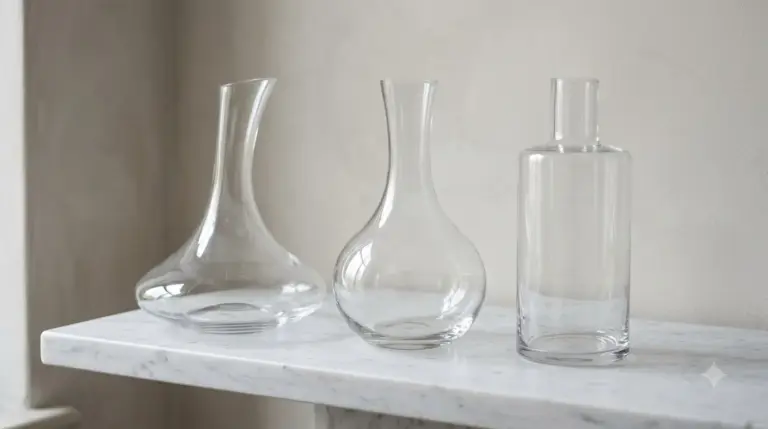
A swan decanter is at its best when it sits on a table as part of the setting. The curved neck and wide, rounded body catch the light, and a bottle of red poured into one looks dramatic even before anyone takes a sip.
Why it stands out: It turns a simple pour into a centerpiece, and the shape is easy to recognize as a gift or conversation piece.
Keep in mind: Decorative shapes often have a narrow neck or a curved spout. Check that the opening is wide enough for your hand and a cleaning brush before you commit.
Best for: Hosts who like to set a table, and buyers who want a decorative piece that still gets used.
Best for Everyday Aeration
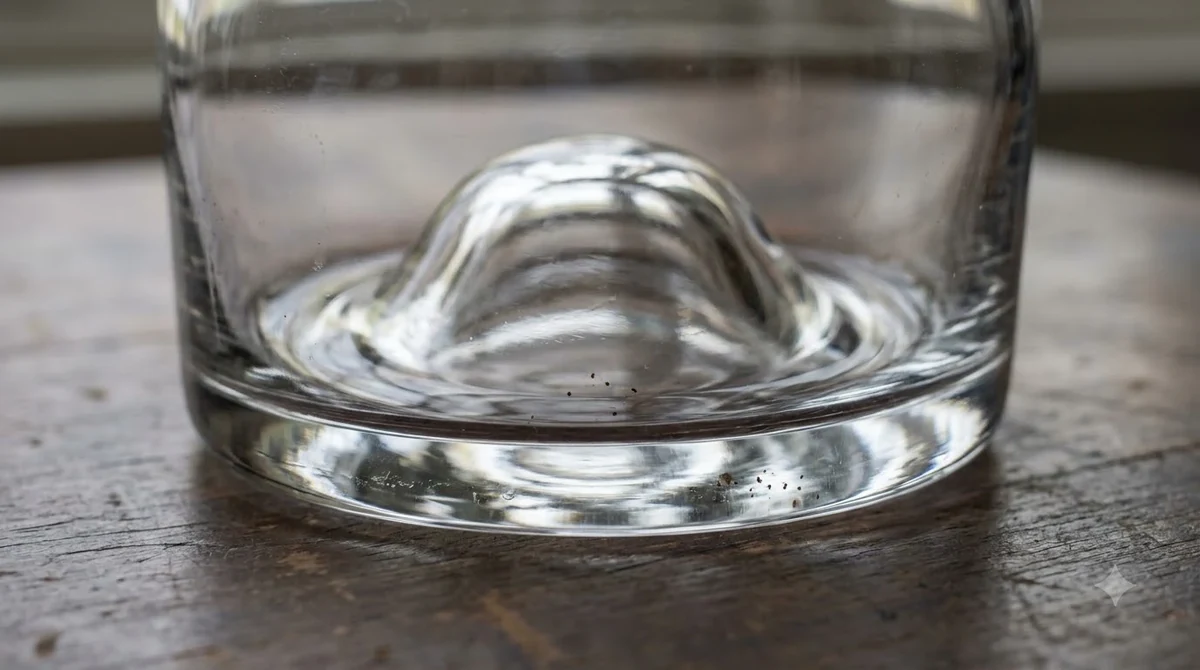
Wine benefits from contact with air, and a wide-bodied decanter gives it more surface to work with. Many people decant a young red for fifteen or twenty minutes before dinner, and the process is simple enough to do on a weeknight.
Why it stands out: A broad base and a steady pour make aeration more even, and the piece is easy to rinse after use.
Keep in mind: A decorative body can be wider or narrower than a classic decanter, so compare the base width before you buy if air contact is your main goal.
Best for: Regular red drinkers who want the decanter to be used every week, not just on special occasions.
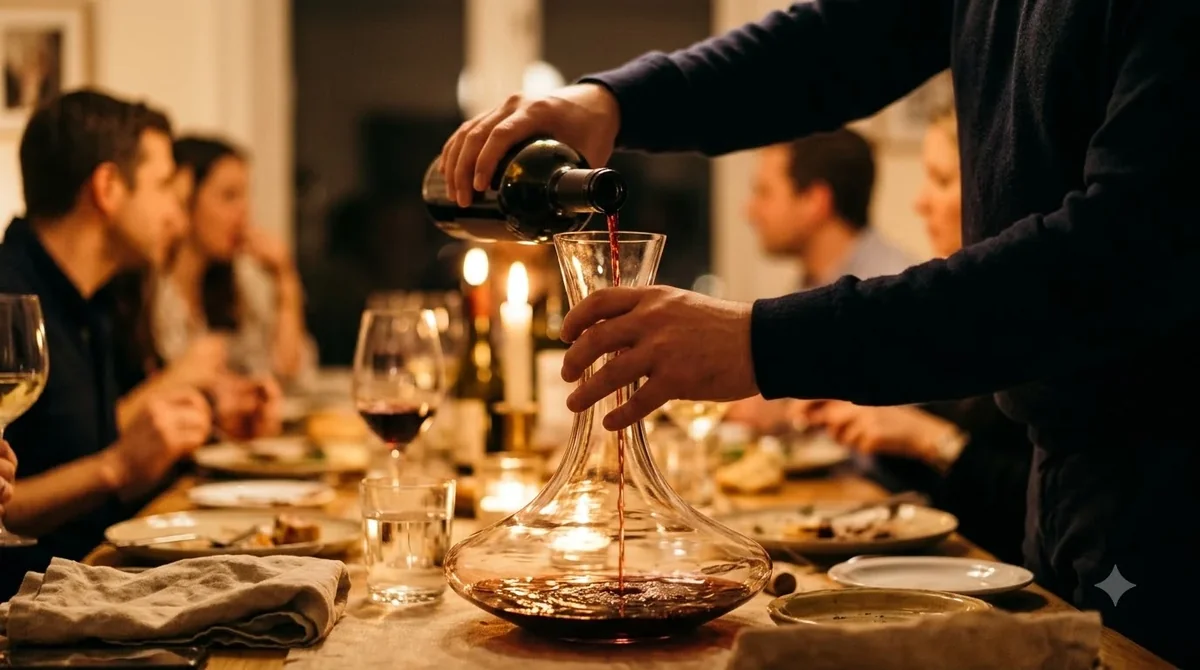
The pouring itself is worth practicing. Hold the bottle steady over the decanter, pour in one smooth motion, and stop when the sediment, if there is any, reaches the neck. Older bottles often throw a crust along the side, so a candle or a small light behind the neck helps you see when to stop. A wider decanter makes this easier because the wine spreads across more surface, and a swan body with a generous belly usually gives you that room.
Best for Formal Crystal Service
Crystal decanters have been used for formal service for a long time. The clarity of the material shows the color of the wine, and a heavy base keeps the piece steady on a sideboard or dining table.
Why it stands out: Crystal looks elegant with both red and white wines, and a well-made piece can be a family heirloom.
Keep in mind: Crystal is heavier and can chip if knocked against a hard surface. Hand wash it gently and dry it upside down on a soft towel.
Best for: Formal dinners, holiday tables, and gift buyers who want a timeless piece.
Best for Casual Pouring and Gifts
Carafe-style pitchers and simple decanters fit everyday life. They are easy to fill, easy to pour, and easy to store, which makes them a good choice for people who want to use the piece without fuss.
Why it stands out: A simple shape is the easiest to clean and the least likely to trap sediment or residue in a corner.
Keep in mind: A plain carafe is less decorative than a swan, so it may not suit a formal table.
Best for: Casual gatherings, patio dinners, and anyone who wants a practical piece.
Best for Collectors and Themed Tables
Some buyers collect decanters in a particular style, or choose a themed piece to match a room or a special event. A swan can be the focal point of a themed table, while a set of similar pieces can make a larger display.
Why it stands out: A themed decanter expresses personal taste, and a matched set creates a consistent look over time.
Keep in mind: Decorative pieces take up space, and they can be harder to store safely. Keep them on a stable shelf away from the edge.
Best for: Collectors, themed parties, and anyone who likes to build a display over several years.
How to Choose
The best choice depends on whether the piece will be used for display, for aeration, or for both. Start with the way you drink wine and how often you plan to use the decanter. A piece that sits in a cabinet is a poor value if you never take it out, so think about the next dinner you host before you buy.
Consider also the stopper. A decanter with a tight, well-fitted stopper protects the wine from dust and lets you carry the piece to another room without spilling. Some decorative pieces have a loose stopper or none at all, which is fine for a short display but less practical for a bottle you plan to keep overnight.
If the decanter is a gift, think about the recipient’s habits. A simple, sturdy piece suits someone who entertains often, while a more ornate design suits someone who likes to display objects. A gift card for a few bottles of a wine they already enjoy can make the present feel complete.
- Body width: A wider base gives more air contact, so a swan with a broad body can work well for red wine.
- Neck and opening: A wider opening is easier to clean and to pour from. Avoid a neck so narrow that a brush cannot reach the bottom.
- Material: Glass is easy to clean and affordable. Crystal adds weight and sparkle but needs more care.
- Stability: Look for a flat or wide base so the piece does not tip when it is full.
Timing also matters. Decanting for about fifteen to twenty minutes before serving is a common approach, and the VinePair guide to decanting wine explains that nearly any wine can be decanted, red or white, and that a fancy vessel is not required. Pick a swan decanter for the way it looks, but choose a body and opening you can clean and use without frustration.
Frequently Asked Questions
Is a swan decanter good for aerating wine?
It can be, provided the body is wide enough to expose the wine to air. Decorative shapes vary, so compare the base width with a classic decanter. Pour the wine in and let it sit for fifteen to twenty minutes before serving.
How do I clean a decanter with a narrow neck?
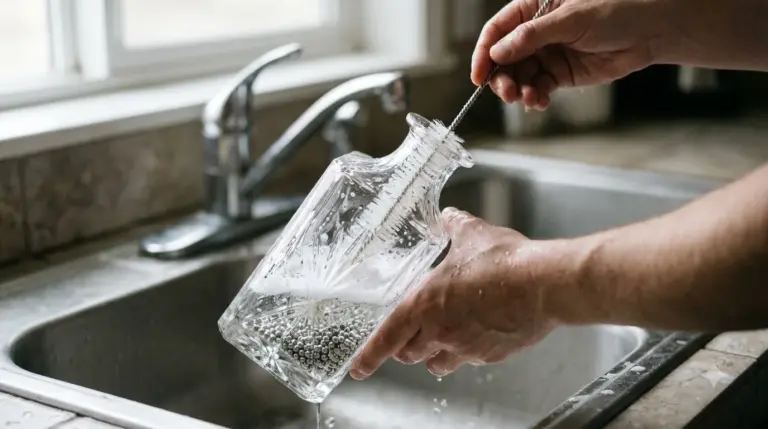
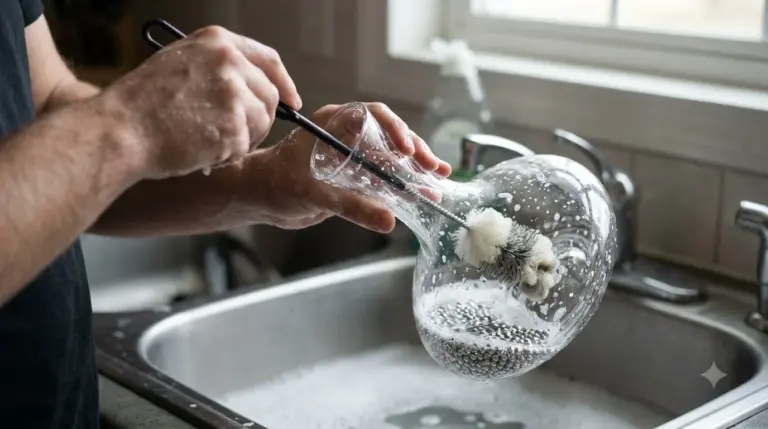
Use a long-handled brush with warm water and a mild soap, rinse thoroughly, and dry upside down. Avoid harsh abrasives on clear glass, which can leave fine scratches that look cloudy.
Should I choose glass or crystal for a decorative decanter?
Glass is easier to clean and less fragile, while crystal is heavier and more formal. Choose glass for everyday use and crystal if the piece is mainly for special dinners or display.
How long can wine stay in a decanter?
Wine is best served soon after decanting, because air contact changes the flavor over time. Once the meal is over, pour any leftover wine back into a bottle with a stopper and refrigerate it if it is a white or a light red.
A swan decanter is a good way to add style to a table, and it can also be a practical tool when chosen with care. For more options, see the guide to wine decanters, or compare sets in the decanter set roundup. If you are planning how long to keep an opened bottle, the guide on how long red wine lasts after opening covers that question in more detail.
More in Decanters & Aerators
 Best Whiskey and Wine Decanter: Choosing One Vessel for Both DrinksUpdated Nov 18, 2026
 Best Tower Decanter: How to Pick the Right Shape for Your WineUpdated Nov 18, 2026
 Best Cleaning Brush Decanter Options for Narrow Necks and Deep BowlsUpdated Nov 19, 2026
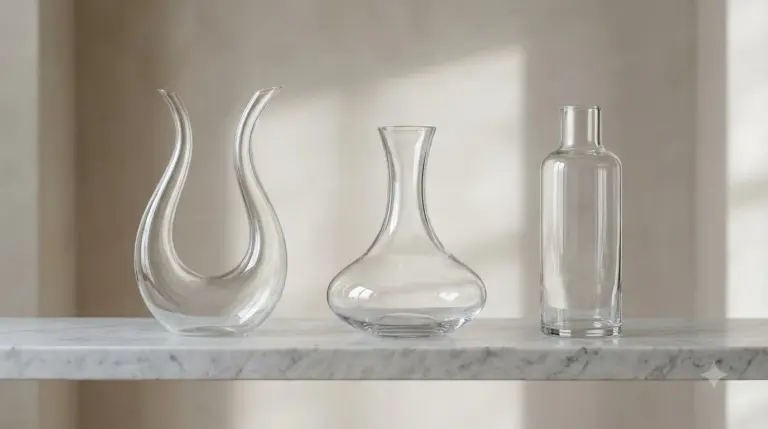
 Best U Shaped Decanter Picks for Aerating Bold Red WineUpdated Nov 18, 2026
 Best Electric Decanter Styles for Faster, Smoother Wine PoursUpdated Nov 18, 2026
 Best Hand Blown Decanter Styles for Every Bottle and TableUpdated Nov 18, 2026