

We may earn a commission when you buy through links on this page, at no extra cost to you. Learn more.
The suisun valley wine region is a small California wine appellation in Solano County, southeast of Napa Valley, known particularly for Petite Sirah, Merlot, and Cabernet Sauvignon. Officially established as an American Viticultural Area (AVA) in 1982, it benefits from maritime influences, varied soils, and a combination of warm growing conditions and cooling breezes. Its approximately 3,000 acres of vineyards support a diverse collection of wines, from structured reds to aromatic whites, making it an interesting alternative to California’s better-known wine destinations.
California wine country extends well beyond Napa and Sonoma. In Suisun Valley, a relatively compact agricultural landscape has developed its own identity through generations of grape growing, independent wineries, and a surprisingly broad range of grape varieties. The region’s character comes from its location between coastal mountain ranges, its proximity to Suisun Bay, and the differences in growing conditions between its lower and upper valley. Understanding these characteristics helps explain why Petite Sirah has become such an important wine here and why other varieties deserve attention too.
Location and Appellation Boundaries
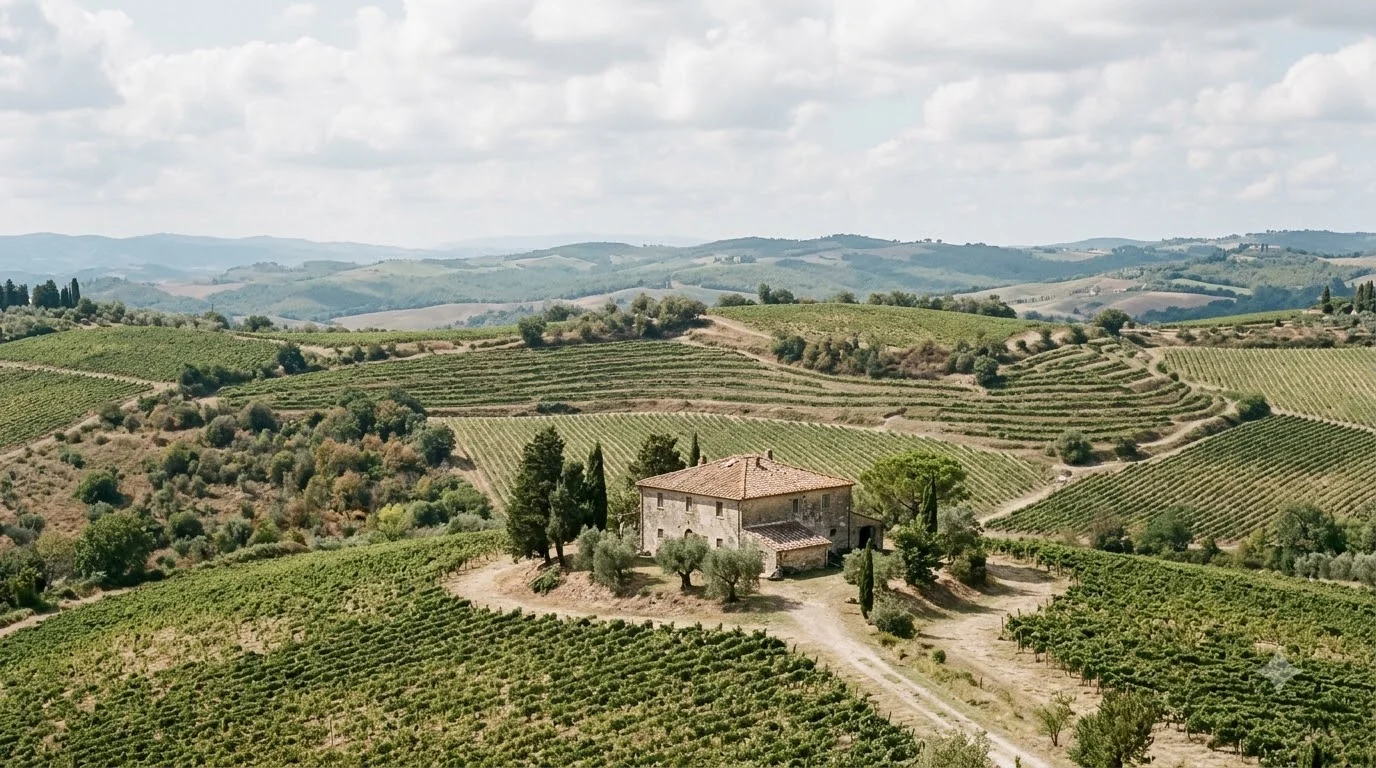
Suisun Valley sits in Solano County in Northern California, southeast of Napa Valley and within convenient reach of Fairfield. Its position between the Vaca Mountains and the Mount George Range creates a relatively enclosed agricultural corridor influenced by nearby bays and coastal air. Although geographically small, the appellation has a distinct identity within California’s North Coast wine landscape.
The Suisun Valley American Viticultural Area covers approximately 15,000 acres. According to the Suisun Valley Vintners and Growers Association, the valley itself is about eight miles long and three miles wide at its widest point. Its north-to-south orientation follows a landscape that gradually connects the upper valley near Wooden Valley with the marshlands around Suisun Bay.
The appellation’s location is important because it is both close to and distinct from Napa Valley. The two regions share a nearby county boundary, but their vineyard landscapes, winery communities, and local agricultural identities are not interchangeable. Suisun Valley is also part of the broader North Coast AVA, a designation that includes several prominent California wine-growing areas.
The regional designation has practical importance for consumers. An AVA identifies a geographically defined grape-growing area rather than guaranteeing a particular grape variety, production method, or quality level. For a wine to carry the Suisun Valley appellation on its label, at least 85% of its grapes must originate within the designated AVA, according to the regional winery directory.
For a closer look at the area’s boundaries, climate, and vineyard geography, the Suisun Valley Vintners and Growers Association’s appellation information provides useful regional details. This requirement gives the appellation meaningful geographic significance: a bottle bearing the name is connected predominantly to grapes grown in the local area, even though individual producers may have different approaches to blending, fermentation, oak aging, and vineyard management.
For readers exploring California’s regional classifications, comparing Suisun Valley with the Alexander Valley wine region offers another useful perspective. Both are part of the wider North Coast wine landscape, but each has its own combination of geography, climate, and grape-growing traditions.
History of Grape Growing and Winemaking
Suisun Valley’s wine history reaches back to the 1800s, long before its modern AVA designation. Its development involved early commercial vineyards, agricultural families, setbacks from phylloxera and Prohibition, and a postwar revival that eventually established the modern appellation.
According to the Suisun Valley Vintners and Growers Association, early vineyards were concentrated toward the southern parts of Suisun Valley and neighboring Green Valley. Many featured head-pruned vines planted in field blends, an approach in which several grape varieties could grow together in the same vineyard rather than occupying separate blocks.
One important early operation was Mangels Winery, which stood near Cordelia, west of Suisun Valley Road. The association describes it as one of the largest commercial wineries in the United States during its period of operation in the late 1800s. Although the original winery no longer exists, the Mangels name remains connected to the valley’s agricultural history.
The local wine industry suffered significant disruption in the early twentieth century. Phylloxera damaged vineyards, while Prohibition interrupted commercial winemaking and altered the economic prospects of grape growers. The industry began recovering after World War II as California’s broader wine business expanded and growers gradually invested in new vineyards and production methods.
One particularly important family in the modern history of the appellation is the Lanza family. Wooden Valley Winery became an established part of the area’s wine identity, and Richard “Chick” Lanza helped lead the effort to obtain official AVA recognition.
In 1982, growers successfully petitioned the federal government for recognition of Suisun Valley as an American Viticultural Area. The larger North Coast AVA followed in 1983, providing a wider regional designation that included Suisun Valley.
This formal recognition helped distinguish local grape production from the broader Solano County agricultural landscape. It also provided wineries with a geographic identity that could be communicated to consumers and wine buyers.
The historical importance of the region is not limited to the establishment of an appellation. Suisun Valley remains an agricultural community where vineyards exist alongside orchards, produce farms, and other family-operated businesses. That combination helps explain why its wine identity is closely connected to its wider farming heritage.
Climate, Growing Conditions, and Vineyard Soils
Suisun Valley has a Mediterranean-influenced growing environment with warm conditions moderated by coastal air. Its combination of summer warmth, cooling breezes, and differences in elevation and valley position allows growers to work with both early-ripening white varieties and fuller-bodied red grapes.
The Vaca Mountains form the eastern boundary, while the Mount George Range lies to the west. Suisun Bay is located at the southern end of the valley, and cool, moist winds move inland from the ocean and San Francisco and San Pablo Bays. According to the growers’ association, these maritime influences are particularly noticeable from May through early fall.
The cooling effect is important because grapes need enough warmth to ripen while retaining the acidity and flavor balance appropriate to their variety. Warm afternoons support sugar accumulation and flavor development, while cooler conditions can help moderate ripening and preserve freshness.
The association reports an average accumulation of approximately 3,350 growing degree days annually. Growing degree days measure accumulated warmth during the growing season and help describe the heat available for vine development and grape ripening.
There are also meaningful differences within the relatively small appellation. The association reports approximately 3,250 to 3,450 growing degree days in the middle valley, compared with approximately 3,700 to 3,750 in the upper valley. These figures help illustrate why vineyard position matters when deciding which grapes to plant.
| Regional characteristic | Reported figure or description | Why it matters |
|---|---|---|
| AVA area | 15,000 acres | Defines the geographic appellation |
| Vineyard acreage | Approximately 3,000 acres | Indicates the scale of local grape growing |
| Valley length | Approximately 8 miles | Creates differences between vineyard locations |
| Maximum valley width | Approximately 3 miles | Reflects the compact growing area |
| Average annual growing degree days | Approximately 3,350 | Describes accumulated growing-season warmth |
| Middle valley growing degree days | Approximately 3,250–3,450 | Indicates comparatively moderate heat accumulation |
| Upper valley growing degree days | Approximately 3,700–3,750 | Indicates warmer growing conditions |
The soils add another layer of variation. The growers’ association identifies Brentwood clay loam, San Ysidro sandy loam, Sycamore silty loam, and Rincon clay loam among the valley-floor soil types. These different textures influence drainage, water availability, vine vigor, and the way individual vineyard sites perform.
Clay-rich soils can retain more moisture, while sandier soils generally drain more quickly. Silty and loamy soils have different combinations of water retention and drainage. These distinctions matter because growers must match vineyard management to the specific conditions of each site.
It is also important not to assume that every Suisun Valley vineyard shares the same soil profile. The valley includes undeveloped hillsides with additional soil variations, and the combination of location, exposure, slope, and vineyard management contributes to differences between individual wines.
For a useful comparison, the Eden Valley wine region provides another example of how elevation and local growing conditions can influence the style of wines produced in a relatively defined geographical area.
Signature Grapes and Wine Styles
Petite Sirah, Merlot, and Cabernet Sauvignon are among Suisun Valley’s best-known grapes, although the region grows considerably more than these three varieties. Its diverse plantings also include Zinfandel and Sauvignon Blanc, giving consumers options beyond the powerful red wines most closely associated with its reputation.
Petite Sirah is particularly important to the region’s identity. Also known as Durif, it typically produces deeply colored wines with concentrated dark-fruit flavors, substantial tannin, and a full-bodied structure. Depending on vineyard conditions and winemaking decisions, the finished wine may show blackberry, blueberry, plum, pepper, and earthy notes.
Its naturally substantial tannin makes Petite Sirah a useful partner for rich foods. Grilled beef, slow-cooked short ribs, smoked meats, and hard aged cheeses can provide the protein and fat that help soften the wine’s astringent impression. The wine’s intensity also means that delicate dishes are generally less successful matches.
Merlot provides a different experience. It typically has medium tannin and a softer texture than Cabernet Sauvignon or Petite Sirah. Plum, cherry, blackberry, and gentle herbal characteristics are common, with oak treatment potentially adding vanilla, baking spice, or toast.
Cabernet Sauvignon is another important red variety. Its high tannin and firm structure make it suitable for full-bodied wines that can accompany grilled steak, lamb, and other substantial dishes. The variety can also contribute structure and dark-fruit character to blends.
Zinfandel adds another dimension to the region’s red-wine selection. Depending on ripeness and winemaking style, it can offer ripe berry fruit, pepper, spice, and a generous body. Zinfandel is especially useful at the dinner table because it can work with grilled pork, barbecue, sausages, and tomato-based dishes.
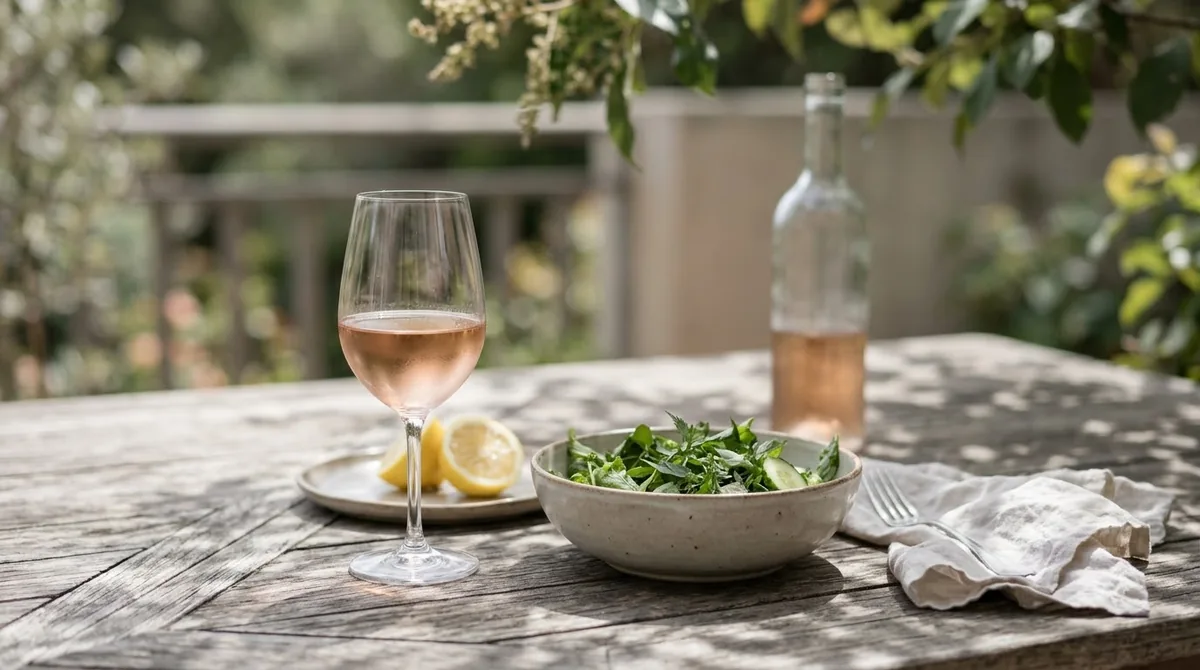
White wines deserve attention as well. Sauvignon Blanc generally offers lively acidity, citrus, green fruit, and herbal notes. Its freshness makes it a natural partner for seafood, goat cheese, vegetable dishes, and foods with lemon-based sauces.
Chardonnay provides a broader stylistic range. Some examples emphasize fresh apple, pear, and citrus, while others use oak fermentation or aging to develop richer textures and flavors of vanilla, toast, and baking spice.
Rosé and red blends can also provide accessible alternatives to the region’s more structured single-variety reds. Their style depends on the grape composition, fermentation decisions, and the amount of skin contact used during production.
The region’s diversity is reflected in its approximately 23 or more grape varieties, according to its destination organization. That figure helps explain why Suisun Valley should not be reduced to a single wine style. Its best-known varieties provide a starting point, but the wider selection makes comparison worthwhile.
Producers, Wineries, and Notable Bottles
Suisun Valley’s winery community includes long-established family operations, smaller independent producers, and newer projects that have brought additional attention to the appellation. Visiting different producers is one of the best ways to understand how the same regional growing conditions can produce contrasting wines.
Wooden Valley Winery is closely associated with the area’s historical development. Visit Fairfield describes it as a family-owned winery that has been producing wines from the Suisun Valley appellation for three generations. Its long connection to the local farming community makes it a useful reference point for understanding the region’s established wine culture.
Vezér Family Vineyard is another recognized name in the area. Its Mankas Gardens and Blue Victorian properties are identified among the local tasting destinations. The Vezér name is associated with the region’s visitor experience as well as its wine production.
Mangels Vineyards connects modern vineyard activity with the historical Mangels family name. The original Mangels Winery disappeared long ago, but the name remains part of the valley’s agricultural story. Visiting a modern producer with that connection provides an interesting link between the nineteenth-century wine industry and today’s appellation.
BackRoad Vines is another producer listed among the valley’s tasting destinations. Smaller wineries can offer a different perspective from larger operations, particularly when the visit provides an opportunity to learn about grape selection, vineyard practices, and individual winemaking decisions.
Caymus-Suisun Winery has also brought considerable attention to the area. The Wagner family established the Caymus-Suisun label to work with grapes from the valley, creating wines that highlight local varieties and blends.
One notable example is Grand Durif, a Petite Sirah. Durif is another name for Petite Sirah, and the producer uses the name to identify its wine. This bottling provides a useful opportunity to explore the grape that is particularly associated with Suisun Valley.
Another recognizable wine is The Walking Fool, a red blend featuring Zinfandel and Petite Sirah. Combining the two varieties brings together Zinfandel’s ripe fruit character and Petite Sirah’s deeper color and structure.
The producer also offers Bay Rosé, providing a contrasting style for drinkers who prefer a fresher, lighter wine. These examples illustrate the range available from a single producer working with the appellation’s fruit. The Caymus-Suisun Winery website provides further information about its wines, vineyard setting, and tasting experiences.
For additional producer information, the Wine Regions section offers a useful way to compare California’s AVAs with wine-growing areas elsewhere. A regional wine label is only the beginning of the story; the producer’s choices determine much of what eventually appears in the glass.
When comparing bottles, consider the grape variety, vintage, alcohol level, and winemaking approach. A young Petite Sirah and an oak-aged Merlot can differ substantially in body, tannin, and food compatibility even when they originate in the same valley.
Food Pairings and Serving Suisun Valley Wines
Suisun Valley wines work particularly well with foods that match their body, acidity, and tannin. The region’s structured reds suit grilled meats and rich dishes, while Sauvignon Blanc, Chardonnay, and rosé provide more flexible options for seafood, vegetables, and lighter meals.
Petite Sirah is a natural choice for grilled ribeye, beef brisket, lamb chops, and braised short ribs. Its substantial tannin benefits from the protein and fat in these foods. A hard cheese such as aged cheddar can also provide a satisfying contrast to the wine’s concentrated fruit.
Cabernet Sauvignon works along similar lines. Grilled beef, roasted lamb, and mushroom-rich dishes can complement its firm structure. Merlot, with its softer tannin, can accompany roast chicken, pork tenderloin, meatloaf, and dishes featuring mushrooms or roasted vegetables.
Zinfandel is especially versatile with American barbecue. Pulled pork, smoked ribs, grilled sausages, and tomato-based sauces can match its ripe fruit and spice. However, heavily spiced food needs some care because high alcohol and tannin can intensify chili heat.
Sauvignon Blanc pairs naturally with oysters, shrimp, grilled fish, fresh goat cheese, and salads with citrus dressing. Its high acidity helps balance foods with lemon or vinegar, making it a particularly useful choice for dishes that might make softer wines taste flat.
Chardonnay can accompany roast chicken, creamy pasta, grilled salmon, and roasted vegetables. An unoaked or lightly oaked version is generally more suitable for delicate seafood, while a richer oak-influenced style can stand up to butter-based sauces and roasted poultry.
Tip: Serve Petite Sirah and Cabernet Sauvignon at approximately 60–65°F, and give young, full-bodied reds 30–60 minutes to decant when they seem especially tight. Serve Sauvignon Blanc and lighter rosé at 45–50°F, and fuller Chardonnay at 50–55°F. These temperatures help preserve the character of each style without making the wines excessively cold or warm.
Temperature is particularly important with full-bodied reds. Serving them too warm can make alcohol seem more prominent and can emphasize heat rather than fruit and structure. Slightly cooler serving conditions generally help preserve balance.
For a standard tasting pour, use approximately five ounces. A 750-milliliter bottle contains about five such glasses, making it a convenient size for sharing several wines during a meal.
Food balance matters as much as grape selection. Acidic dishes need wines with equal or higher acidity, while salt and fat can soften the perception of tannin. Sweet foods require wines that are at least as sweet as the dessert itself. These principles are particularly helpful when matching different Suisun Valley styles with a varied dinner menu.
Oily fish is generally a poor match for strongly tannic red wines. Choose a fresh white wine instead, especially Sauvignon Blanc or a lighter Chardonnay. Similarly, avoid pairing a high-alcohol, heavily structured Petite Sirah with very spicy food, as both alcohol and tannin can amplify the sensation of chili heat.
Planning a Visit to Suisun Valley
Suisun Valley is a convenient destination for visitors exploring Northern California wine country, particularly those who want to combine winery visits with agricultural experiences. Its compact geography makes it possible to explore several destinations without spending the entire day driving between distant vineyards.
Fairfield provides a practical starting point. The valley is located just outside the city, and its wineries and farms are accessible by local roads. The proximity to Interstate 80 also makes the region relatively straightforward to reach from other parts of Northern California.
The regional visitor organization identifies several tasting destinations, including Wooden Valley Winery, BackRoad Vines, Mangels Vineyard, Vezér Family Vineyard, and the Suisun Valley Wine Co-op. The selection provides opportunities to compare different producers and approaches to local winemaking.
Visitors should plan their winery stops rather than assume every tasting room operates on the same schedule. Some producers require reservations, and opening days, tasting formats, and group policies can differ. Checking individual winery information before setting out helps avoid unnecessary travel.
A practical day might begin with a morning winery visit, followed by lunch and a second tasting in the afternoon. Limiting the schedule to two or three wineries leaves enough time to understand the wines rather than rushing through a series of short stops.
Farm stands provide another reason to spend time in the area. The agricultural landscape includes seasonal fruit and vegetable operations, dried-fruit businesses, nuts, and olive oil producers. These activities complement the wine experience and demonstrate that the region is a working agricultural community rather than simply a collection of tasting rooms.
Visit Fairfield identifies Cal Yee Farms as a year-round destination specializing in nuts and dried fruit. Larry’s Produce is listed as a seasonal destination operating from June through December, while Erickson Ranch and Robledo Produce are identified as seasonal farm businesses operating from June through November.
Olive oil tasting can also be part of a visit. Il Fiorello Olive Oil Company is among the agricultural destinations identified in the region’s tourism information. Sampling local olive oils alongside fresh produce offers an alternative to spending every stop focused exclusively on wine.
Travelers interested in the area’s wider agricultural heritage can also explore nearby Green Valley. Although it is a separate wine-growing area, its proximity provides another perspective on the region’s farming history and coastal influences.
For a more relaxed visit, allow time to enjoy the landscape. The combination of vineyards, orchards, mountain views, and farm roads is an important part of the experience. A schedule that includes food, wine, and agricultural stops is often more rewarding than trying to visit every available winery in one day.
Designate a driver or arrange suitable transportation if the itinerary includes multiple tastings. Spitting during professional tastings is also an accepted way to evaluate several wines without consuming a full pour at every stop.
Frequently Asked Questions
Is Suisun Valley the same as Solano County?
No. Solano County is a larger administrative area containing several communities and agricultural districts, while Suisun Valley is a geographically defined wine appellation within the county. The separate Solano County Green Valley AVA is another recognized wine-growing designation in the broader area.
What does Durif mean on a Suisun Valley wine label?
Durif is the grape variety also known as Petite Sirah. The variety originated in France and is associated with a crossing of Syrah and Peloursin. The alternative name remains common in certain wine-growing and labeling traditions.
Does Suisun Valley produce sparkling wine?
Sparkling wine is possible within the region’s diverse production landscape, although Petite Sirah and other still wines are more closely associated with its established identity. For sparkling bottles, sweetness terms such as Brut Nature, Extra Brut, Brut, and Demi-Sec indicate progressively different levels of residual sugar.
How should an unopened Suisun Valley wine bottle be stored?
A wine bottle intended for longer storage should generally be kept near 55°F in a cool, dark, stable environment. Traditional cork-sealed bottles are best stored horizontally so the cork remains in contact with the wine. Avoid locations with strong temperature fluctuations, direct sunlight, or repeated vibration.
How long does an opened Suisun Valley wine last?
Most opened still wines remain in reasonable condition for approximately three to five days when refrigerated and properly resealed. Sparkling wines generally have a shorter window of about one to three days with a suitable sparkling-wine stopper. Fortified wines can last several weeks after opening, depending on their style and storage conditions.
The Suisun Valley wine region offers a distinctive combination of historical vineyards, maritime influences, varied soils, and a diverse range of grape varieties. Petite Sirah remains its signature attraction, but Merlot, Cabernet Sauvignon, Zinfandel, and Sauvignon Blanc demonstrate the breadth of its wine-growing potential. For anyone exploring California beyond its most famous appellations, Suisun Valley provides a rewarding introduction to a smaller, agriculture-centered wine community with a character of its own.
More in Wine Regions
 Willcox Wine Trail: Discover Arizona’s High-Elevation Wine CountryUpdated Nov 20, 2026
 Yakima Valley Wine Region: Find the Best Styles to TryUpdated Nov 20, 2026
 Vosne Romanee Wine Tasting: Identify Aromas and Choose Better PairingsUpdated Nov 20, 2026
 Yakima Valley Wine Festival: Find the Best Seasonal Wine EventsUpdated Nov 20, 2026
 Wales Vineyards: Discover Cool-Climate Wines and Where to VisitUpdated Nov 20, 2026
 Yountville Wine Festival: Discover Napa Wines and Local FoodUpdated Nov 20, 2026