

We may earn a commission when you buy through links on this page, at no extra cost to you. Learn more.
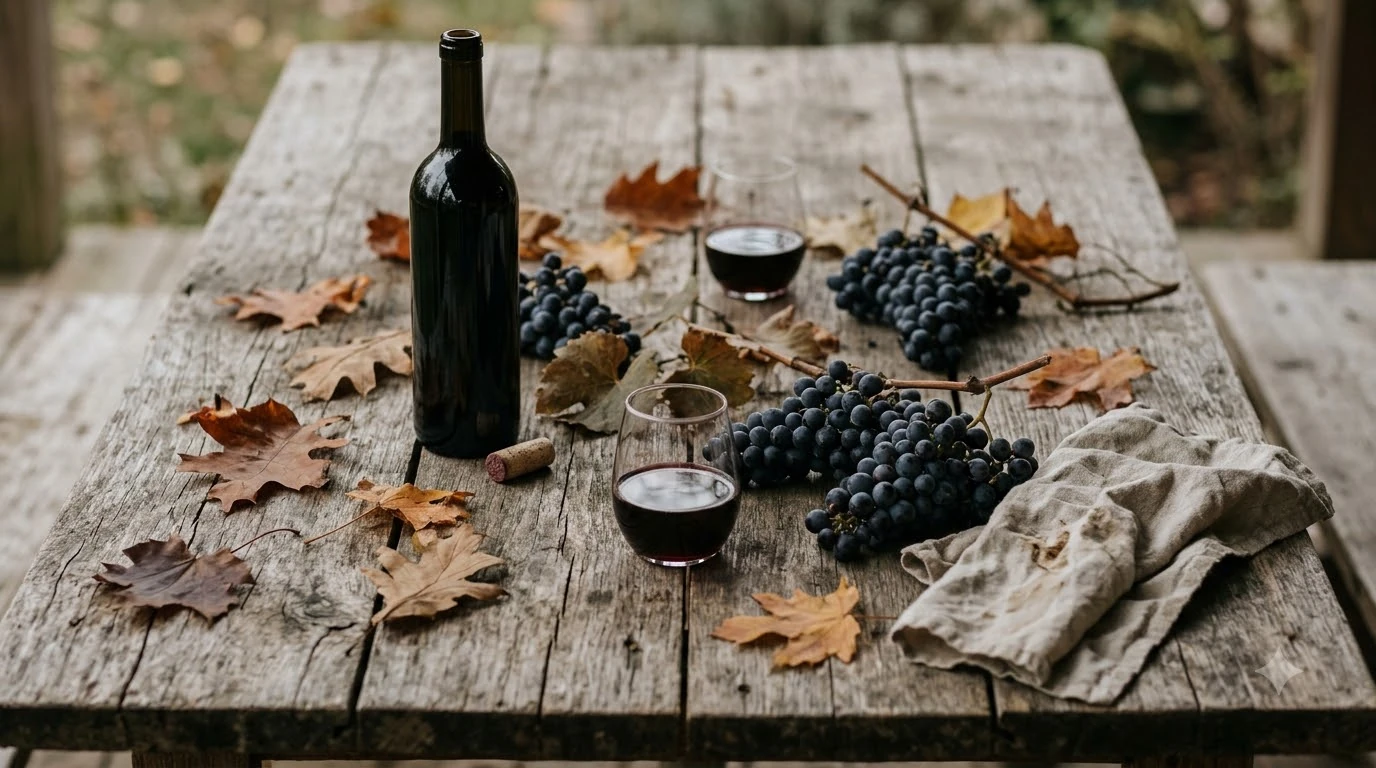
Substance Wine Review: Substance is a Washington-focused wine label with a strong Cabernet Sauvignon at its center and six additional styles for shoppers who want more choice than a single red. Its current range includes Pinot Noir, a Cabernet-led red blend, Chardonnay, Sauvignon Blanc, Riesling, and rosé. The best bottle depends on whether you prefer firm dark-fruited reds, lighter red fruit, or bright whites, so the label is easier to assess by grape and food pairing than by brand name alone. The portfolio is best approached by style rather than by a single brand-wide tasting verdict.
Substance began with a Cabernet-first idea, but the current portfolio is broader than that origin suggests. The brand was founded by Charles Smith, acquired by O’Neill Vintners & Distillers, and now identifies Brennon Leighton as its winemaker. This guide explains the range, its main differences, and how to choose a bottle. For a shorter brand profile, see our Substance wine overview.
Who This Is For
Substance is worth a look for shoppers who want Washington wine across several familiar grapes, especially anyone drawn to Cabernet Sauvignon, expressive blends, or crisp whites. Its seven current styles cover dinner-table reds, lighter reds, and whites with citrus, stone-fruit, or floral notes.
The brand’s starting point was a Cabernet Sauvignon conceived by Charles Smith and introduced in 2015. O’Neill Vintners & Distillers announced that it acquired the brand on July 1, 2024. The acquisition announcement described Substance as a Washington label launched with the aim of making an ambitious Cabernet, while the current Substance website names Brennon Leighton as winemaker and says he brings more than 20 years of experience in winemaking and viticulture. That history helps explain why older Charles Smith-era bottles and newer releases may appear under the same brand name; it does not mean every vintage tastes the same.
For a first bottle, start with the style you already enjoy. Cabernet Sauvignon and red blend sit at the bold end of the producer’s scale, Sauvignon Blanc at the light end, Chardonnay in the middle, and Pinot Noir toward the fuller end of this range. These are signposts, not a substitute for vintage-specific tasting notes.
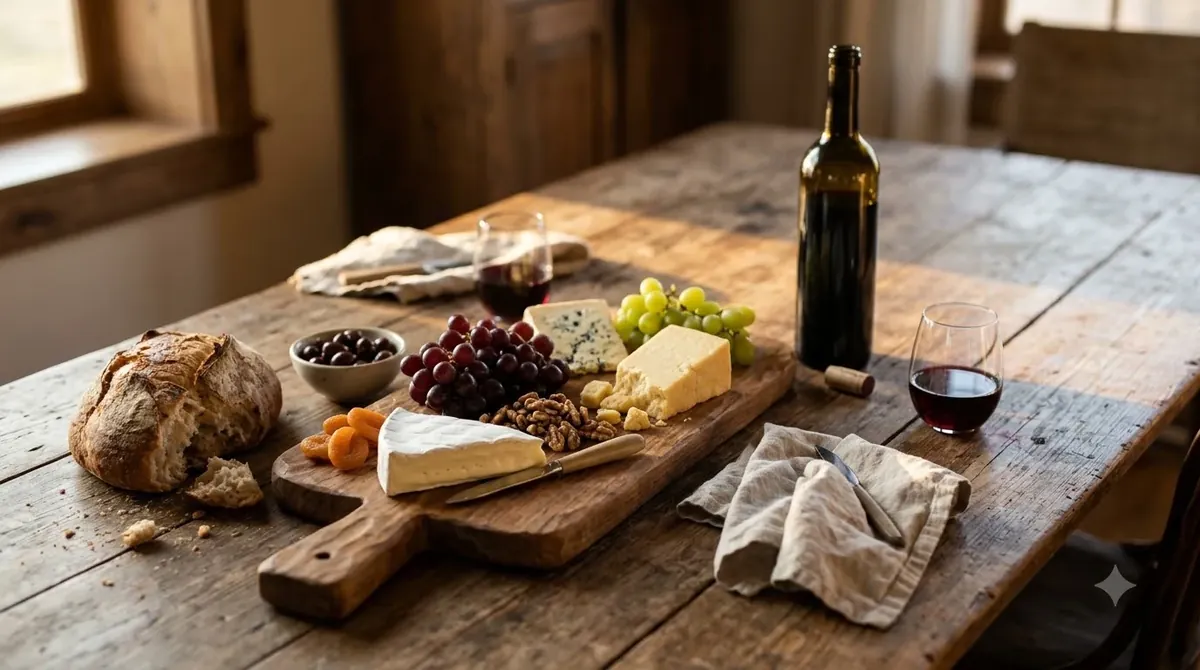
Independent reviews of the 2022 Cabernet provide a more grounded idea of the wine’s character. Wine Enthusiast’s 2022 Substance Cs Cabernet review awards 90 points and describes crushed mulberry, cedar, Rainier cherry, acidity, and plush tannins. Michael Franz at Wine Review Online gives the 2022 Columbia Valley Cabernet 94 points, calling it dry and full-bodied, with ripe dark-berry fruit and enough presence for red meat or hard cheese. The reviews are vintage-specific guidance, not permanent scores for the entire brand.
Key Factors to Compare
Compare grape, body, flavor direction, and the meal you plan to serve; those four checks will usually narrow the range faster than the label design. The table summarizes the producer’s current tasting notes and its own five-step light-to-bold scale.
| Style | Brand scale | Published flavor cues | Good starting point |
|---|---|---|---|
| Cabernet Sauvignon | 5 of 5 | Cassis, black plum, blackberry, dark chocolate, raspberry, fresh herbs | Steak, burgers, aged cheddar |
| Red Blend | 5 of 5 | Dark red fruit, blackberry, plum, exotic spice | Lamb, grilled sausage, hard cheese |
| Pinot Noir | 4 of 5 | Wild strawberry, hibiscus, oyster mushroom, red cherry, orange zest | Roast chicken, mushrooms, roast salmon |
| Chardonnay | 3 of 5 | Orange blossom, melon, lemon peel, graham cracker | Roast chicken, creamy pasta, seafood |
| Riesling | 2 of 5 | Lime leaf, lime zest, white peach, flint, jasmine, honeysuckle | Spiced dishes, pork, aromatic vegetables |
| Rosé | 2 of 5 | Wild strawberry, cherry, crisp acidity, lime zest, wisteria | Salads, grilled shrimp, picnic foods |
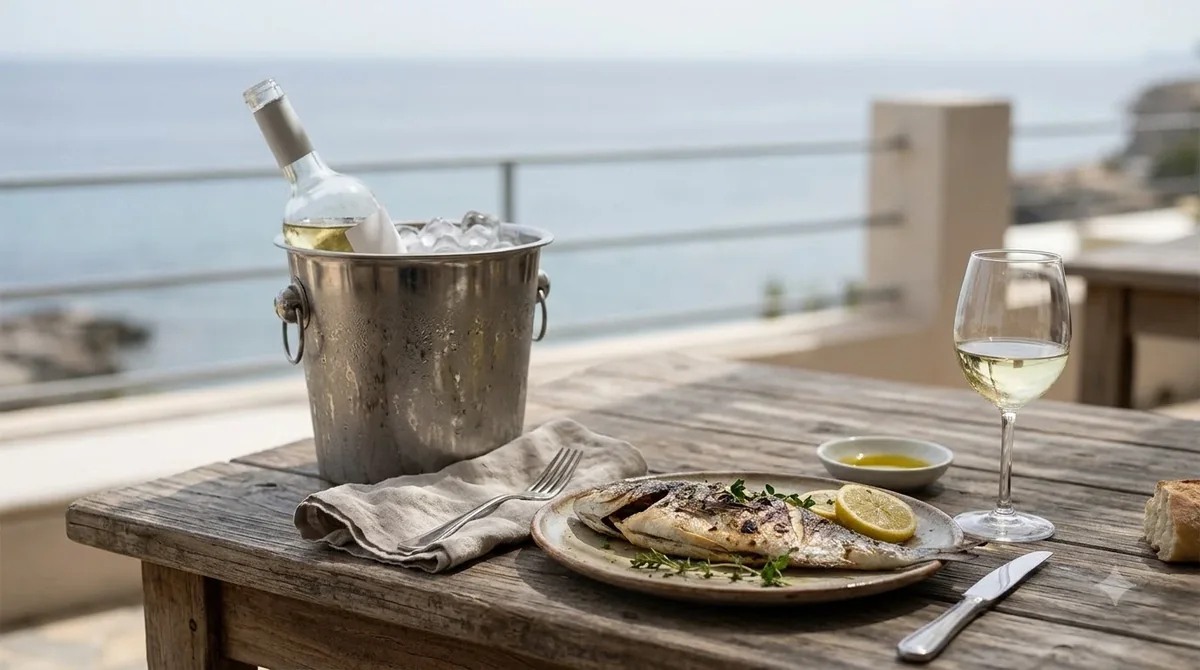
| Sauvignon Blanc | 1 of 5 | Grapefruit, orange peel, lime zest, green grass, tomatillo, minerality | Goat cheese, shellfish, herb dishes |
The brand’s five-step scale describes lightness and boldness, not sweetness, quality, or alcohol level. A 1-of-5 Sauvignon Blanc can still have vivid citrus character, while a 5-of-5 Cabernet can be firmly structured without tasting sweet.
Look closely at blend composition when you want to predict texture. Substance’s current Red Blend is listed as 45% Cabernet Sauvignon, 43% Merlot, 10% Malbec, and 2% Sangiovese. Cabernet supplies the main structural frame, while Merlot is generally softer and Malbec can add dark-fruit weight. Those proportions help explain the blend’s structure, but do not reveal every detail of its finished aroma or balance.
Region and vintage matter too. Substance describes its wines as sourced from Washington vineyards, while independent reviews identify the 2022 Cabernet as Columbia Valley. That appellation does not mean every wine in the range comes from the same vineyard or shares the same cellar treatment.
Step-by-Step: How to Choose a Bottle
A short selection process helps match the wine to the meal and avoids treating the seven styles as interchangeable. Use these steps in order, beginning with the grape or flavor profile you normally prefer.
- Choose red, white, or rosé. For a substantial red-wine meal, begin with Cabernet Sauvignon or Red Blend; for a lighter red, consider Pinot Noir. Chardonnay and Sauvignon Blanc offer two different white-wine directions, while Riesling and rosé add more aromatic or refreshing options.
- Match the wine’s structure to the food. Cabernet Sauvignon is high in tannin, so it tends to suit protein-rich dishes such as grilled steak. Pinot Noir has lower-to-medium tannin and higher acidity, making it more adaptable with roast chicken or mushrooms. Sauvignon Blanc’s high acidity is a useful partner for tangy goat cheese and citrus-seasoned seafood.
- Use the producer’s notes as a filter. Pick black plum, cassis, and dark chocolate when you want a darker Cabernet profile; choose grapefruit, lime, and green herbs for a sharper Sauvignon Blanc direction. White peach and jasmine point toward Riesling, while strawberry and cherry descriptors appear in the rosé notes.
- Check the vintage-specific review. A review of the 2022 Cabernet is not a review of a 2021 or later release. Look for the exact grape, appellation, and vintage when comparing tasting notes, because growing conditions and blending decisions can change how much fruit, acidity, and tannin you notice.
- Plan the serving temperature. Serve full-bodied reds around 60–65°F, lighter reds around 55–60°F, and light whites or rosé around 45–50°F. If you take a red straight from a warm room, a brief chill can make the fruit and structure feel more balanced.
- Think about the bottle size and number of guests. A standard 750 ml bottle provides about five 5 oz pours. For a dinner of four people, one bottle allows a modest glass each with a little left for a second taste; a larger gathering may call for another bottle or a second style.
Use the steps as a shortlist, not a rigid ranking. For a menu of grilled beef and lemon-dressed salad, Cabernet may suit the main course while Sauvignon Blanc works as an opening pour.
For more background on how labels and portfolios differ, the site’s guide to wine brands offers a broader framework. A reader comparing everyday red styles may also find the overview of Barefoot wine useful as a separate brand reference; it is better to compare the actual grape and style than to assume two labels with similar shelf placement will taste alike.
Types and Styles Explained
Substance is no longer just a Cabernet label: its current seven-wine range moves from structured reds to aromatic whites and a fresh rosé. Compare them by body, acidity, tannin, and food pairing.
Cabernet Sauvignon and Red Blend
Cabernet Sauvignon is the clearest starting point if you want the style that gave the brand its identity. The producer notes cassis, black plum, blackberry, dark chocolate, raspberry, and fresh herbs. Cabernet is high in tannin, so pair it with protein and richness: grilled steak, braised beef, lamb, or aged hard cheese. A 30-to-60-minute decant can help a young, full-bodied bottle open up.
The Red Blend is also rated 5 of 5, but it is not simply another name for Cabernet. Its recipe is 45% Cabernet Sauvignon, 43% Merlot, 10% Malbec, and 2% Sangiovese; the producer notes dark red fruit, blackberry, plum, and exotic spice. Merlot can soften the Cabernet backbone, offering a bold red with a broader mix of grape character.
Pinot Noir, Chardonnay, and the Brighter Styles
Substance Pinot Noir is described with wild strawberry, hibiscus, oyster mushroom, rose petal, red cherry, and orange zest. Pinot Noir typically has low-to-medium tannin and high acidity, suiting roast chicken, mushrooms, grilled salmon, or pork tenderloin. Avoid strongly tannic reds with oily fish, since the textures can clash.
Chardonnay’s orange blossom, melon, lemon peel, and graham-cracker notes suggest fruit with a rounded edge. Chardonnay has medium acidity and can suit roast poultry, seafood, or cream-based pasta. The producer’s notes do not specify oak treatment for every vintage, so do not assume a heavily buttery style from the grape name alone.
Sauvignon Blanc is the lightest wine on the producer’s scale, with grapefruit, orange peel, lime zest, green grass, tomatillo, and minerality. Riesling is rated 2 of 5, with lime leaf, white peach, flint, jasmine, and honeysuckle; rosé is also 2 of 5, with strawberry, cherry, crisp acidity, and lime zest. These styles offer alternatives to a full-bodied red. If a meal calls for bubbles rather than still wine, the separate guide to La Marca Prosecco covers a different wine style and serving occasion.
Common Mistakes
The most common mistake is buying Substance as if the entire range were Cabernet Sauvignon. Its Cabernet-first history now sits alongside six other styles, rated on a five-point light-to-bold scale.
A second mistake is reading a grape description as a promise about sweetness. Ripe blackberry, plum, or peach aromas can make a wine seem fruit-forward without making it sweet. Wine sweetness is a separate characteristic; the 2022 Cabernet review from Wine Review Online describes its example as dry even though the fruit is ripe and expressive. Pair dessert with a wine at least as sweet as the dish, but do not treat dark-fruit aromas as evidence that a dry red will suit a sugary dessert.
Another error is ignoring tannin and acidity. Cabernet Sauvignon has more tannin than Pinot Noir, and that grip can feel firmer beside lean dishes. Salt and fat soften tannin, so aged cheese or richer meat can work better than delicate fish. Chili heat can feel more intense alongside high alcohol and tannin, making a highly structured red a risky match for spicy food.
Finally, avoid treating one critic’s score as a permanent brand grade. A critic’s 90-point assessment of one 2022 Cabernet and another reviewer’s 94-point assessment of that same vintage are individual judgments made from a particular bottle and tasting context. Use scores to identify wines worth investigating, then compare the tasting note with the grape, vintage, meal, and style you actually want.
Care and Storage Tips
Good serving and storage habits help show the differences between the seven styles. Temperature matters: warm Cabernet can seem heavy, while very cold Sauvignon Blanc can lose aroma.
Use a simple temperature plan: full-bodied reds at 60–65°F, lighter reds at 55–60°F, full-bodied whites at 50–55°F, and light whites or rosé at 45–50°F. Sweet whites are usually best around 43–50°F. These are serving ranges rather than rules carved in stone; a bottle can warm slightly in the glass, so begin near the cooler end when the room is warm.
For longer storage, keep bottles on their sides in a dark place near 55°F, away from sunlight, vibration, and temperature swings. A stable cellar or wine refrigerator is better than a kitchen shelf beside an oven. Most everyday wines are intended for near-term drinking rather than long-term cellaring.
Tip: Once opened, reseal the bottle and refrigerate it. Most still wines keep for about 3–5 days in the fridge; bring a red back toward its serving range before pouring, rather than leaving it warm on the counter overnight.
For a young Cabernet or Red Blend, allow 30–60 minutes of air if it feels tight. Pour 5 oz at a time; a standard 750 ml bottle holds about five servings. Chill leftover white wine and rosé promptly; sparkling wine usually lasts only 1–3 days after opening, even with a stopper.
Frequently Asked Questions
These final details address vintage-specific questions that can help when comparing bottle notes, technical information, and production claims. They should not be generalized to every Substance wine or every release.
What does “Cs” mean on a Substance bottle?
On the 2021 Substance label, “Cs” identifies the Cabernet Sauvignon bottling. The accompanying technical sheet lists that wine as 100% Cabernet Sauvignon, rather than a Cabernet-led blend.
Was the 2021 Substance Cs Cabernet Sauvignon dry?
The 2021 technical sheet reports no residual sugar. It also lists 5.9 grams per liter of titratable acidity, a pH of 3.85, and 14.5% alcohol for that vintage.
Which vineyards supplied the 2021 Cs Cabernet?
The 2021 technical sheet names Goose Ridge, Painted Hills, Badger Mountain, and Sportifisher as its vineyards. That sourcing information applies to the 2021 Cs Cabernet and should not be assumed for other vintages or Substance varieties.
How was the 2021 Cs Cabernet fermented and aged?
The technical sheet reports native-yeast fermentation, 100% whole-berry fermentation, and 35 days on the skins. It was barrel-aged on lees for 11 months, with 25% new French oak barrels.
Is Substance certified organic?
The current brand website describes the grapes as sustainably grown and outlines low-intervention cellar practices, but it does not state that the wines carry an organic certification. Sustainable sourcing and organic certification are separate claims, so do not treat one as proof of the other.
Substance makes the most sense for shoppers who choose by grape, structure, and food pairing rather than by label recognition alone. Start with Cabernet Sauvignon for a firm Washington red, or move to Sauvignon Blanc, Riesling, rosé, or Chardonnay when the meal calls for a brighter style.
More in Wine Brands
 Underwood Wine Price: Compare Bottles, Cans, and Pack SizesUpdated Nov 21, 2026
 Zenato Wine Price: Compare Styles and Choose the Right BottleUpdated Nov 21, 2026
 Zuccardi Wine Price: Compare Bottles and Find the Right RangeUpdated Nov 21, 2026
 Yellow Tail Moscato Review: Taste, Sweetness and Serving TipsUpdated Nov 21, 2026
 Wolf Blass Yellow Label Review: Choose Your Best StyleUpdated Nov 21, 2026
 Wolffer Estate Rose Review: Choose the Right Bottle for Your TableUpdated Nov 21, 2026