


We may earn a commission when you buy through links on this page, at no extra cost to you. Learn more.
stags leap white wine usually refers to Napa Valley white wines from Stags’ Leap Winery, especially Sauvignon Blanc, Chardonnay, and Viognier. The name can also point to Stag’s Leap Wine Cellars, a separate producer with its own Sauvignon Blanc and Chardonnay bottlings. The Stags Leap District is the Napa Valley appellation behind the shared place name, not a single white-wine brand or grape variety.
The best way to choose a bottle is to identify the producer first, then use the grape, vintage, and winemaking details to predict the wine’s weight and flavor. That small distinction makes the label easier to understand and helps match the wine to dinner, serving temperature, and personal preference.
What the Stags Leap Name Refers To
“Stags Leap” can describe a Napa Valley place, an appellation, or the name of one of two distinct wineries. For white-wine shoppers, the most useful distinction is between Stags’ Leap Winery, with an apostrophe after “Stags,” and Stag’s Leap Wine Cellars, with an apostrophe after “Stag’s.” They are separate producers, and their white-wine selections should not be treated as interchangeable.
Stags’ Leap Winery’s white and rosé collection includes Chardonnay, Sauvignon Blanc, and Viognier. The specific grape is the next clue: Sauvignon Blanc emphasizes freshness, Chardonnay can bring fuller texture, and Viognier tends toward floral, stone-fruit character.
Stag’s Leap Wine Cellars has a different white-wine range, including AVETA Sauvignon Blanc and Chardonnay bottlings such as KARIA and ARCADIA. AVETA is the producer’s named Sauvignon Blanc, while Stags’ Leap Winery sells Napa Valley Sauvignon Blanc under the varietal name. The two wineries share a regional reference and similar-looking names, but bottle details, labels, and producer websites identify which one is in the glass.
Stags Leap District Climate and Ground
The Stags Leap District is a compact Napa Valley appellation where warm afternoons and cooling marine air help grapes retain freshness. Its geography matters to white wine because the same combination of sun, rock, breezes, and cooler nights that shapes the district’s Cabernet Sauvignon can also support Sauvignon Blanc with ripe fruit and useful acidity.
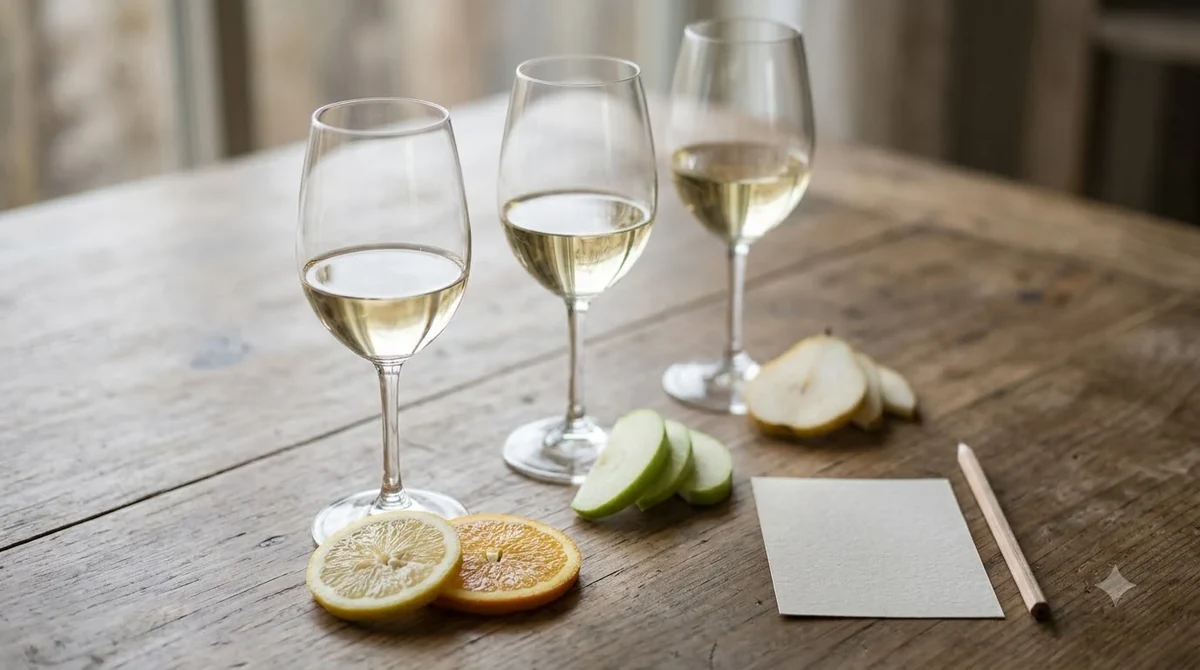
According to Napa Valley Vintners, the district sits about six miles north of the City of Napa, between the Stags Leap Palisades and the Napa River. It measures roughly three miles long and one mile wide, covering about 2,700 acres, with more than half planted to vines. The elevation runs from sea level to 400 feet. Those numbers describe a small, defined area rather than the whole Napa Valley, which stretches much farther north and includes many different climates.
The Palisades’ rocky faces absorb and reflect warmth toward vineyards, while afternoon and evening air from San Pablo Bay can cool the valley. Soils include volcanic gravel loams, rocky hillside material, sandstone, shale, and clay subsoils. Napa Valley Vintners notes that summer highs can reach 100°F, although typical mid-summer temperatures are in the mid-90s°F, and annual rainfall can reach 30 inches.
Cabernet Sauvignon remains the district’s signature grape, with Merlot and Sauvignon Blanc also listed as principal varieties. A wine carrying the Stags’ Leap Winery name is not automatically a Stags Leap District white: its 2025 Napa Valley Sauvignon Blanc identifies Napa Valley as its appellation and reports fruit from Oakville, Calistoga, and a smaller portion from Knights Valley. The broad Napa Valley designation and the narrower district designation are not synonyms.
White Grapes and Their Flavor Profiles
The three main white grapes to know in the Stags’ Leap Winery range are Sauvignon Blanc, Chardonnay, and Viognier. They offer different balances of acidity, body, and aroma, so the grape name is a practical shortcut when deciding whether a bottle will feel crisp and citrus-driven, rounded and textured, or perfumed and fruit-forward.
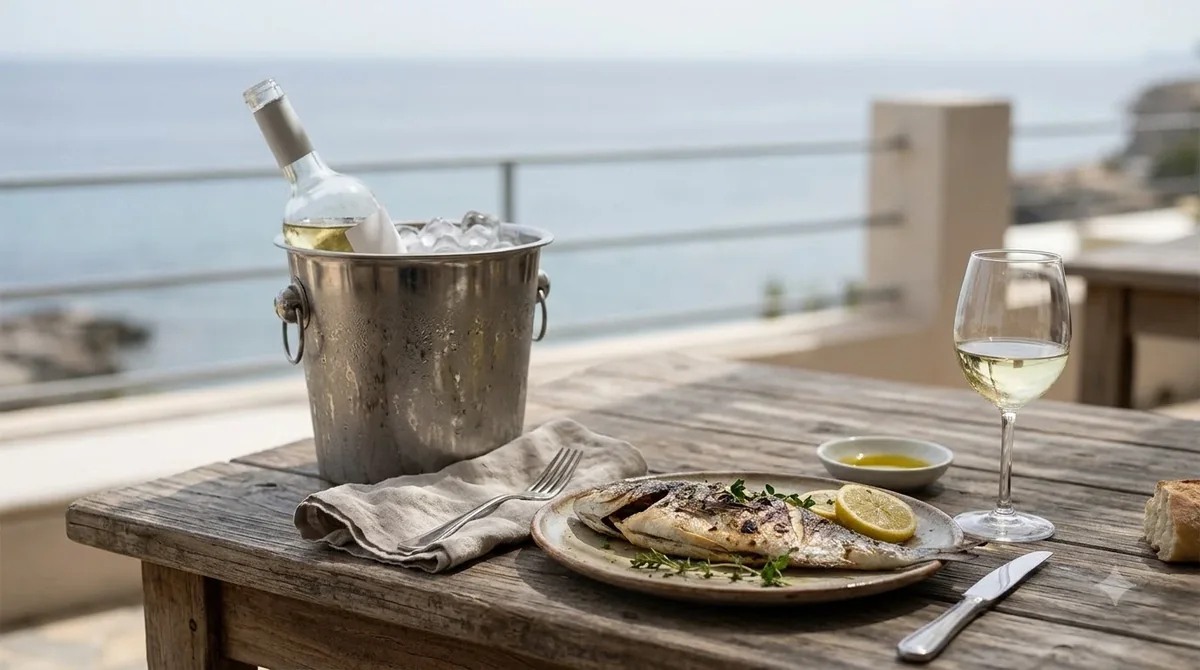
Sauvignon Blanc: bright fruit and freshness
Sauvignon Blanc is the clearest starting point for a lively white wine. Expect citrus, grapefruit, white peach, tropical fruit, and fresh herbs. Stags’ Leap Winery’s 2025 Napa Valley bottling describes citrus blossom, Meyer lemon, grapefruit, guava, Anjou pear, and wet-stone notes, showing that ripe orchard and tropical fruit can sit alongside brisk acidity.
Stag’s Leap Wine Cellars’ AVETA is another Napa Sauvignon Blanc, but it is a distinct label from the other winery’s varietal bottling. Wine Enthusiast describes the 2024 AVETA with nectarine, lemon zest, tropical fruit, and lemongrass, giving it a medium-bodied, mouthwatering character; the 2025 version adds lychee, tangerine, and lime zest. See Wine Enthusiast’s AVETA review.
Chardonnay: more body and a broader texture
Chardonnay is the better first choice for someone who prefers a fuller white with apple, pear, lemon, melon, and possible oak notes. Stags’ Leap Winery’s 2024 Napa Valley Chardonnay is listed as 99% Chardonnay and 1% Viognier. Its tasting description includes Golden Delicious apple, Asian pear, lemon curd, vanilla, brioche toast, and ginger, with a full-bodied, creamy texture. This is a more layered style than a lean, stainless-steel-only white.
The Chardonnay category is flexible, however. A bottle made with restrained oak may keep citrus and apple in the foreground, while new French oak can add vanilla, toast, and spice. Readers who enjoy comparing regional white-wine styles can also use our Zenato wine guide as another point of reference: grape, growing region, and cellar choices all shape the final impression, even when the bottle is white.
Viognier: floral aromatics and stone fruit
Viognier tends to be aromatic, with notes that can suggest apricot, peach, orange blossom, honeysuckle, and spice. It is usually more about perfume and a generous palate than the sharp, citrus-led line associated with Sauvignon Blanc. Wine Enthusiast’s description of Stags’ Leap Winery’s 2023 Viognier noted spiced floral aromas and juicy apricot, while emphasizing that its lush texture did not become heavy.
Viognier suits diners who like expressive aromas and ripe fruit without red-wine tannin. Pair its floral character with herbs, stone fruit, poultry, or gently spiced sauces rather than sharp vinegar or very hot chili.
Fermentation, Oak, and Lees Contact
Winemaking choices explain why two wines made from Sauvignon Blanc or Chardonnay can taste noticeably different. Stainless steel tends to preserve clear fruit and freshness, while French oak can add spice, toast, and a broader texture; contact with lees can add roundness without making a wine taste sweet.
Stags’ Leap Winery’s 2025 Napa Valley Sauvignon Blanc is a useful example of a mixed approach. The winery reports that 63% of the wine was fermented in stainless steel and 37% in neutral French oak, with the oak portion aged for five months. It also describes intentional skin contact before fermentation and several days of contact between juice and lees. Those steps help explain why the finished wine is presented as both fresh and textural rather than simply lean and grassy.
The 2024 Napa Valley Chardonnay uses a different balance: the technical details list 50% neutral French oak, 25% new French oak, and 25% stainless steel for four and a half months. The winery also says the wine was matured for seven months with regular bâtonnage, or stirring of the lees, and did not undergo malolactic fermentation. In practical terms, the oak portions can add vanilla and toast, while the stainless component and retained acidity help keep the palate from feeling flat. The result is described as creamy and full-bodied, but with citrus and mineral notes still present.
Stag’s Leap Wine Cellars takes a different path with AVETA: its 2025 bottling is a blend that spends six months on its lees, with fermentation and aging split between stainless steel and neutral French oak. The front label’s leading grape name does not describe every component or cellar choice.
Food Pairings for Napa White Wine
Pair Stags Leap white wines by matching the dish’s weight and seasoning to the wine’s acidity and body. Sauvignon Blanc’s brisk acidity is a natural partner for seafood, herbs, and tangy cheeses, while a fuller Chardonnay has enough texture for richer poultry, fish, and creamy dishes; Viognier works best when its perfume complements rather than competes with the food.
For Sauvignon Blanc, start with seared scallops, grilled halibut, shrimp with lemon, goat cheese, or spring pea risotto. Citrus and fresh herbs echo the wine’s bright character, while the acidity can cut through the richness of butter or olive oil. A Sauvignon Blanc with a rounder, lightly oaked texture can also work with herb-roasted chicken. Keep very sharp vinegar dressings modest, because a dish that is more acidic than the wine can make the wine taste less lively.
Chardonnay is versatile at the table. A fuller, oak-influenced version can stand beside roast chicken, turkey, grilled salmon, crab cakes, or pasta with mushrooms and a cream-based sauce. The wine’s body can meet the texture of the dish, while apple, pear, and lemon notes offer contrast. For a leaner Chardonnay, choose poached fish, roast vegetables, or chicken with herbs rather than a very rich sauce. Salt and fat soften tannin in red wines; with whites, the main balancing points are acidity, body, and the intensity of the seasoning.
Viognier’s floral and apricot character suits roast chicken with herbs, pork with stone-fruit salsa, mild Thai or Vietnamese dishes, and soft cheeses. Use care with intense chili: alcohol can make capsaicin feel hotter, so gentler spice and fragrant herbs are better companions than a very hot curry. Oily fish is not automatically a poor match for white wine; the stronger caution applies to oily fish with tannic reds.
Tip: Match the wine’s intensity to the plate before focusing on a single flavor. A citrusy Sauvignon Blanc can refresh scallops and goat cheese, a full Chardonnay can meet roast chicken or creamy pasta, and an aromatic Viognier can complement herbs and apricot without needing a heavily spiced dish.
Serving Temperature and Choosing a Bottle
Serve these whites cool enough to keep their freshness but not so cold that their aromas disappear. A light, crisp Sauvignon Blanc generally benefits from 45–50°F, while a fuller Chardonnay is more expressive around 50–55°F; aromatic Viognier can be served toward the warmer end of the full-white range so its floral and stone-fruit notes remain easy to smell.
| Wine style | Serving temperature | Useful cue |
|---|---|---|
| Light white wine | 45–50°F | Keep citrus and fresh-herb notes lively |
| Full-bodied white wine | 50–55°F | Allow texture and oak aromas to show |
| Rosé | 45–50°F | Serve cool and refreshing |
| Sweet white wine | 43–50°F | Preserve freshness alongside sweetness |
| Sparkling wine | 40–50°F | Keep the wine brisk and the bubbles lively |
| Light-bodied red wine | 55–60°F | A slightly cool serving temperature helps freshness |
| Full-bodied red wine | 60–65°F | Avoid serving too warm |
A standard 750-milliliter bottle yields about five 5-ounce pours. Once opened, store still wine in the refrigerator and aim to finish it within three to five days; re-corking promptly limits air exposure. For longer storage, keep bottles on their side near 55°F, away from direct light and temperature swings.
When choosing between the producers, begin with the exact winery name and the appellation printed on the bottle. Then decide whether you want bright acidity, a creamy oak-influenced texture, or floral aromatics. The 2025 Stags’ Leap Winery Sauvignon Blanc, for example, is explicitly labeled Napa Valley and combines stainless steel with neutral oak; the 2024 Chardonnay has a larger oak component and fuller profile. Those are concrete differences a shopper can use without relying on a vague idea of what “Stags Leap white” should taste like.
Vintage details matter too: a reserve or barrel-selected Chardonnay may be more oak-forward than a standard Napa Valley bottling. For more background on producer names and wine categories, browse our Wine Brands directory, then compare grape, appellation, alcohol level, and cellar notes rather than assuming similar names mean similar wines.
Frequently Asked Questions
These details answer common label and producer questions that can be easy to miss when comparing Stags Leap bottles. They focus on the history and technical notes behind the names, not just the flavor in the glass.
Why is AVETA called AVETA?
Stag’s Leap Wine Cellars says AVETA takes its name from a water goddess often depicted with fruit. The winery chose the name to reflect the Sauvignon Blanc’s fruit character and minerality.
When did Stag’s Leap Wine Cellars first use the AVETA name?
The winery says it began producing Napa Valley Sauvignon Blanc in the early 1980s. The 2013 vintage was the first to carry the AVETA name, so the named bottling came after the producer’s initial Sauvignon Blanc program.
Which grapes are blended into 2025 AVETA?
The 2025 AVETA blend is 65% Sauvignon Blanc, 30% Sauvignon Musqué, and 5% Sémillon. Sauvignon Musqué is a distinct aromatic selection within Sauvignon Blanc, while Sémillon can contribute additional texture to a white blend.
How large is the Stags’ Leap Winery estate?
The winery describes its estate as 240 acres in total, with 85 acres planted to grapevines. That estate figure refers to Stags’ Leap Winery’s property, not the full Stags Leap District appellation.
How much district fruit is required for a Stags Leap District label?
Stags’ Leap Winery states that at least 85% of the grapes must come from within the district for a winery to use the Stags Leap District AVA on its label. A Napa Valley appellation is broader, so the two label designations give buyers different levels of geographic specificity.
Stags leap white wine is easiest to understand once the producer, grape, and appellation are separated. Choose Sauvignon Blanc for freshness, Chardonnay for a fuller texture, or Viognier for floral fruit, then serve the bottle at a temperature that lets its character show. With those distinctions in mind, the shared Napa name becomes a useful clue rather than a source of confusion.
More in Wine Brands
 Underwood Wine Price: Compare Bottles, Cans, and Pack SizesUpdated Nov 21, 2026
 Zenato Wine Price: Compare Styles and Choose the Right BottleUpdated Nov 21, 2026
 Zuccardi Wine Price: Compare Bottles and Find the Right RangeUpdated Nov 21, 2026
 Yellow Tail Moscato Review: Taste, Sweetness and Serving TipsUpdated Nov 21, 2026
 Wolf Blass Yellow Label Review: Choose Your Best StyleUpdated Nov 21, 2026
 Wolffer Estate Rose Review: Choose the Right Bottle for Your TableUpdated Nov 21, 2026