


We may earn a commission when you buy through links on this page, at no extra cost to you. Learn more.
Stags Leap red wine comes from Stags Leap Winery in the Napa Valley, and its red lineup centers on Cabernet Sauvignon and Petite Sirah, with red blends and other reds filling out the range. The winery’s product categories show that Cabernet is the anchor of the portfolio, so a bottle labeled Cabernet Sauvignon is the most direct way to understand the house style.
Stags Leap is a name that appears often in discussions of Napa Valley reds, and many buyers want to know what to expect before they open a bottle. This guide explains where the wines come from, which grapes shape the lineup, how to visit and buy, and how to serve and pair the reds at home.
Where Stags Leap red wine comes from
Stags Leap Winery is located on the Silverado Trail in Napa, California, and the winery’s website lists its Napa Valley estate as the place where club members can book complimentary tastings. The name refers to the Stags Leap area of the Napa Valley, a district known in the wine world for powerful, structured reds built around Cabernet Sauvignon. Napa Valley’s warm days and cool nights help the grapes ripen fully while keeping enough acidity to hold the wine together.
The producer’s website does not state a founding year, so the most reliable information about the wines comes from the labels and the current product pages. The site’s categories give a clear map of the range, and they are the best place to start if you want to confirm what a bottle contains. The official Stags Leap website lists the product categories and the tasting information.

The main red styles and grapes
The winery’s listed categories include Cabernet Sauvignon, Petite Sirah, red blends and other reds, along with whites and rosés. Cabernet Sauvignon is the core of the red portfolio, and it generally brings dark fruit, firm tannins and a structure that suits aging. Petite Sirah is a bolder, inky red with dense color and rich texture. Red blends combine several varieties to add balance, and the other reds category covers wines that do not fit the main groups.
Shoppers often ask whether a Cabernet or a blend is the better choice for a first bottle. A straightforward Cabernet Sauvignon gives you a clear view of the grape and the house style. Once you know how the Cabernet tastes, a red blend is a useful comparison, because it shows how other grapes soften or add layers to the core profile.
| Category | Main grape or style | What to expect |
|---|---|---|
| Cabernet Sauvignon | Napa Valley Cabernet | Dark fruit, structured tannins, good for aging |
| Petite Sirah | Petite Sirah | Deep color, rich and dense, bold flavor |
| Red blends | Multiple red varieties | Balanced texture, often softer and more approachable |
| Other reds | Varied styles | Good for exploring beyond the main varietals |
The table is a general guide. Vintage, vineyard and blend change the flavor of each bottle, so the label and the producer’s description should decide the final pick.
Visiting and buying Stags Leap wines
The winery’s website says the tasting room is open by appointment, seven days a week. That means a visit needs a little planning, but it also gives you a more personal experience than a walk-in counter. Club members receive complimentary tastings at the Napa Valley estate, which is a useful benefit for people who visit often.
If you cannot visit in person, check the product categories on the official site and compare the bottles you find at a local shop. Ask the staff which vintage they recommend, and whether a particular Cabernet is ready to drink or would benefit from several years in the cellar. Buying two bottles in the same category, one young and one a few years older, is a practical way to see how aging changes the wine.
Serving and storing Stags Leap reds
Red wines from Napa are best served slightly cool rather than at warm room temperature. Warm glasses make the alcohol feel more prominent and can mask the fruit. A short time in a cool room or a brief stay in the refrigerator is usually enough to bring the wine into balance before the first pour.
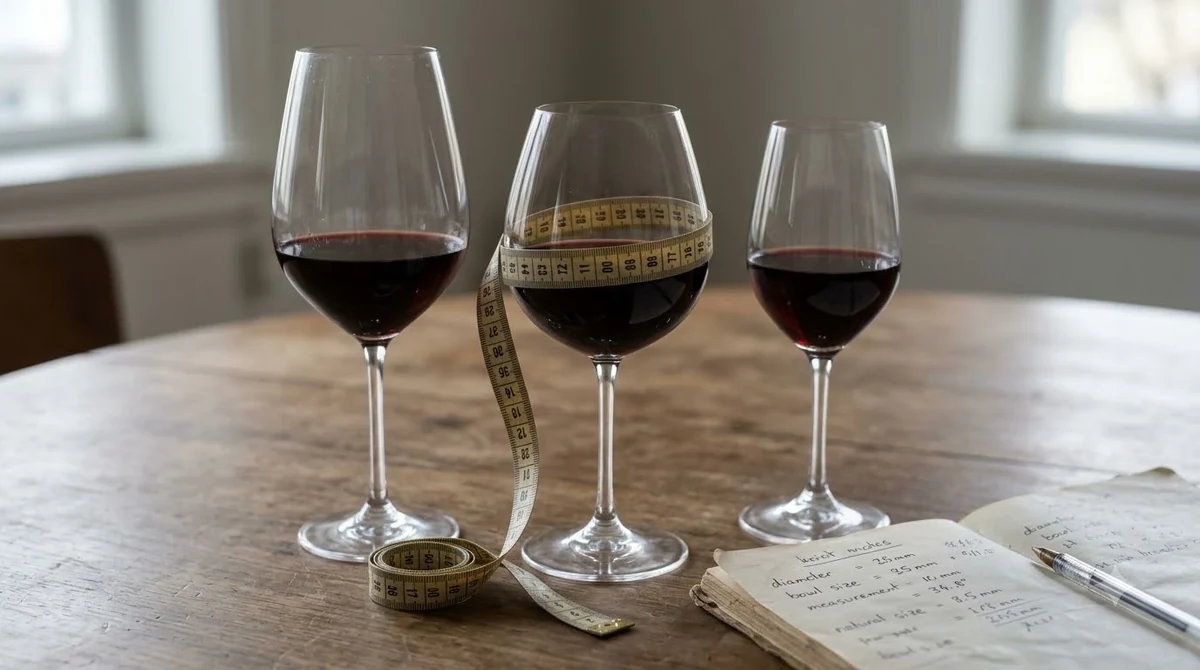
Decanting helps structured reds. A younger Cabernet Sauvignon often benefits from an hour or so in a decanter, which softens the tannins and opens the aromas. Older bottles usually need less time, and a gentle pour into a glass can be enough. Use a large, wide-bowled glass so the aromas can gather, and let the wine breathe for a few minutes before you judge it.
Store bottles on their side in a cool, dark place with steady temperatures. Bigger reds tend to hold up well for several years when stored correctly, while lighter blends are better enjoyed sooner. The producer’s site does not publish specific storage or serving temperatures, so these general rules are a reasonable starting point.
Reading a Napa Valley label takes a little practice, but a few details help. The appellation tells you where the grapes grew, and a sub-appellation such as the Stags Leap District points to a specific area with its own character. The vintage shows the growing season, and the grape or blend line shows the main variety. Taken together, those three details give a clearer picture of the wine than the brand name alone, and they make it easier to compare one bottle with another from the same producer.
Keeping notes on the bottles you enjoy is another useful habit. Write down the vintage, the grape, the price you paid and the meal you served it with. Over a few months, those notes show which styles you prefer and which pairings work best, so each new purchase becomes more predictable.
Food pairing and choosing a bottle
Cabernet Sauvignon pairs well with grilled steak, roasted lamb, hard cheeses and dishes with rich sauces. The tannins cut through fat, while the dark fruit complements savory flavors. The producer’s own recipe content suggests pairing a dish with a Napa Valley Cabernet Sauvignon or a Chardonnay, which shows how the winery sees its reds fitting into a full meal.
Petite Sirah suits bold, spiced foods such as barbecue, braised meats and hearty stews. Red blends are flexible at the table, working with roasted vegetables, pasta with meat sauce and charcuterie. When choosing, start with the grape that fits your meal, then decide how much structure you want. A young, firm Cabernet suits a long dinner, while a softer blend suits a relaxed weeknight.
Frequently Asked Questions
Is Stags Leap red wine mostly Cabernet Sauvignon?
Cabernet Sauvignon is the central red in the winery’s listed categories. The lineup also includes Petite Sirah, red blends and other reds, so check the label to see which grape or blend you are buying.
Where is Stags Leap Winery located?
The winery’s website lists its Napa Valley estate on the Silverado Trail in Napa, California. The tasting room is open by appointment.
Should I decant a Stags Leap Cabernet?
A younger Cabernet often benefits from decanting for an hour or so, which softens the tannins and opens the aromas. Older bottles usually need a shorter time.
What is a good first Stags Leap red to try?
A Napa Valley Cabernet Sauvignon is the clearest way to learn the house style. Once you know how it tastes, a red blend makes a useful comparison.
Stags Leap red wine is built around Napa Valley Cabernet Sauvignon, with Petite Sirah and red blends adding variety. Choose the grape that fits your meal, serve the reds slightly cool, and use the official site to confirm the category you are buying. For more background on how producers organize their ranges, see the wine brands guide, or compare another structured red in the Austin Hope red wine guide.
More in Wine Brands
 Underwood Wine Price: Compare Bottles, Cans, and Pack SizesUpdated Nov 21, 2026
 Zenato Wine Price: Compare Styles and Choose the Right BottleUpdated Nov 21, 2026
 Zuccardi Wine Price: Compare Bottles and Find the Right RangeUpdated Nov 21, 2026
 Yellow Tail Moscato Review: Taste, Sweetness and Serving TipsUpdated Nov 21, 2026
 Wolf Blass Yellow Label Review: Choose Your Best StyleUpdated Nov 21, 2026
 Wolffer Estate Rose Review: Choose the Right Bottle for Your TableUpdated Nov 21, 2026