

We may earn a commission when you buy through links on this page, at no extra cost to you. Learn more.
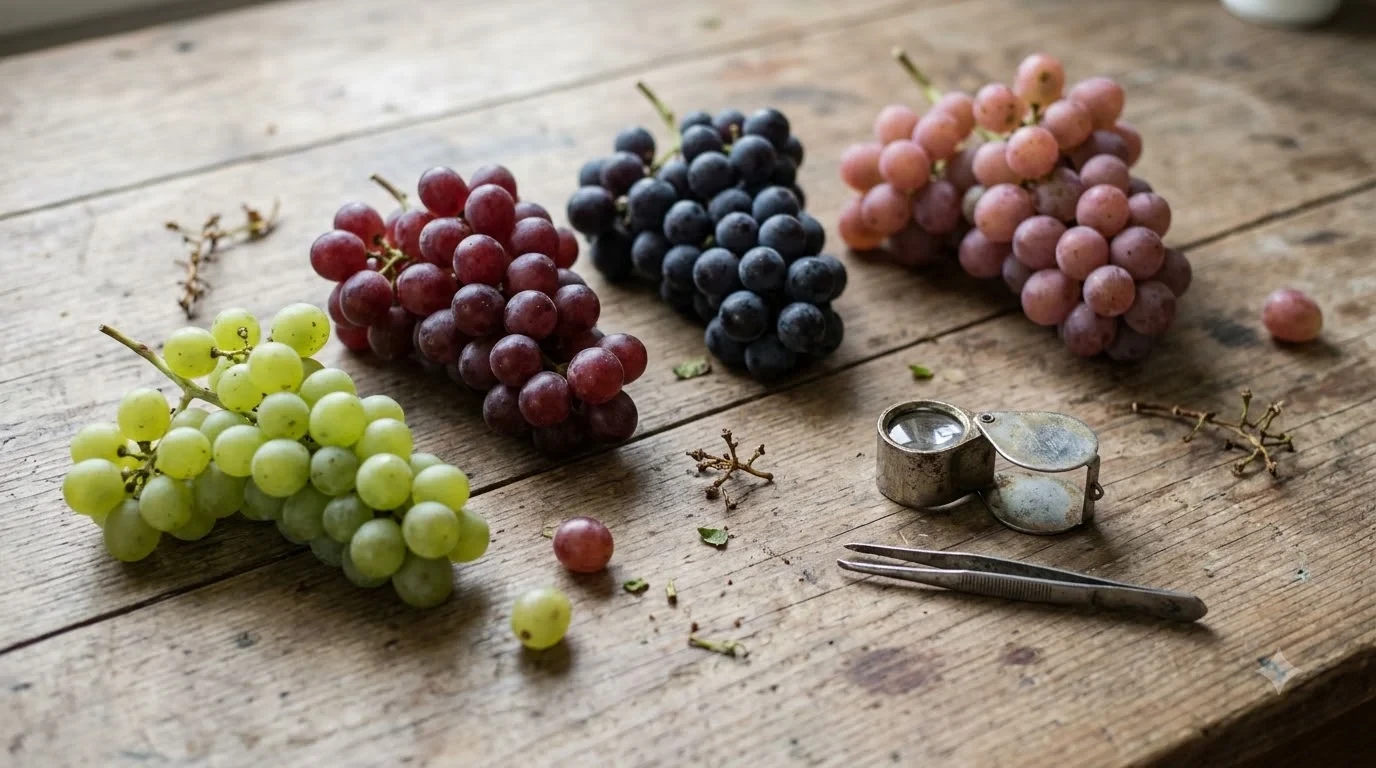
A red blend wine is any red wine made from two or more grape varieties, rather than one single grape. The category is wide. A red blend can be a Bordeaux-style Meritage, a Spanish Rioja, a Rhône-style GSM, a Super Tuscan from Italy, or an easy-drinking California bottle with no fixed recipe. Blending lets winemakers balance fruit, structure, and color, so the wine often tastes rounder than a single-variety red.
Red blends can look confusing on a shelf because the label rarely lists every grape. This guide explains what the term means, the main styles you will see, what to expect from the flavor, and how to choose a bottle that matches what you want to drink.
What a red blend actually is
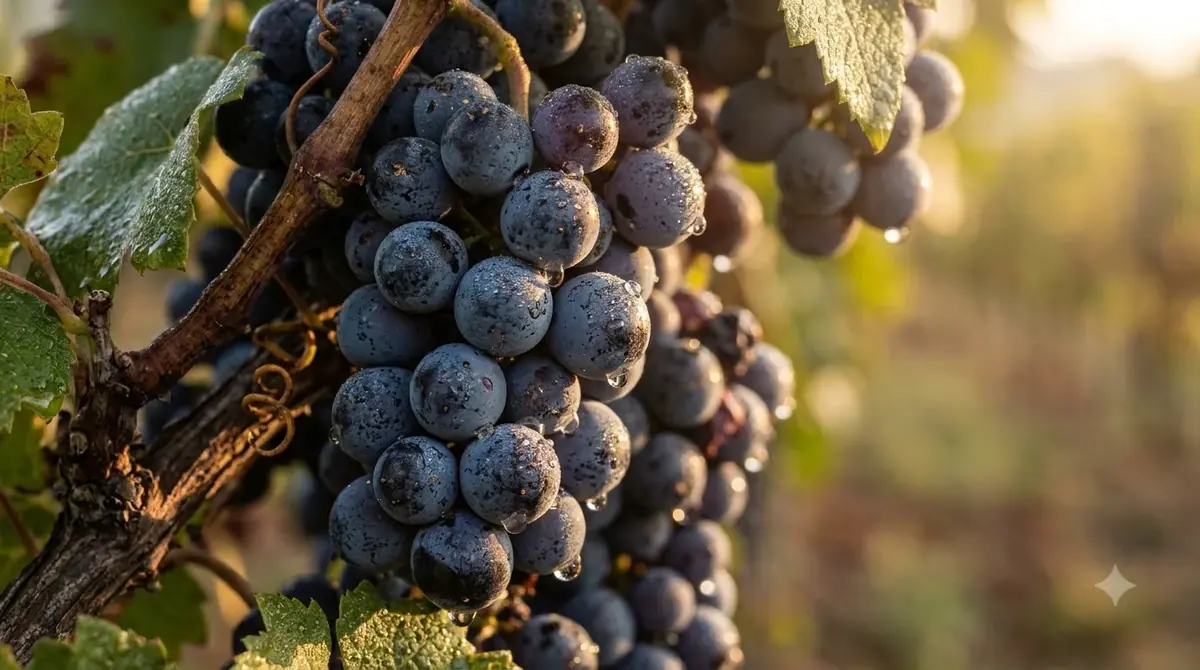
A red blend is simply a red wine made from more than one grape. Winemakers blend for balance. One grape might add dark color, another might bring soft fruit, and a third might add structure or spice. The mix is often changed from one vintage to the next, so the same label can taste a little different from year to year.
In the United States, the term has no fixed rules about which grapes can be used or in what share. That freedom is why many wine lovers like the category. It focuses on how the wine tastes and feels in the mouth rather than on one grape or one place.
Some red blends are named for a specific style or trademark. Others use a general description such as “red blend” or “red wine” on the front label, and the grapes appear only on the back label or the winery website.
The main styles of red blend
Most red blends fall into a few families. Each one has a typical grape mix and a recognizable flavor, so knowing the family helps you predict what is in the glass. The table below lists the styles you will see most often.
| Style | Usual grapes | Typical flavor |
|---|---|---|
| Bordeaux blend | Cabernet Sauvignon, Merlot, Cabernet Franc | Black currant, plum, graphite, firm structure |
| Meritage (US) | Two or more Bordeaux grapes, none above 90 percent | Dark fruit, violet, pepper, full body |
| Super Tuscan (Italy) | Sangiovese with Merlot, Cabernet, or Syrah | Blackberry, plum, oak, silky tannin |
| GSM (Rhône style) | Grenache, Syrah, Mourvèdre | Raspberry, blackberry, baking spice |
| Rioja (Spain) | Mainly Tempranillo, often with Garnacha | Black cherry, plum, fig, leather |
| California red blend | Varies, often Zinfandel, Merlot, or Syrah | Jammy fruit, soft tannin, sometimes sweeter |
Bordeaux-style blends are the classic reference point. Cabernet Sauvignon usually gives structure and blackcurrant notes, Merlot adds plum and roundness, and Cabernet Franc brings herbal lift. Winemakers in the Left Bank often use more than 60 percent Cabernet Sauvignon in the blend.
Tip: If the label says only “red blend,” check the back label or the winery’s website for the grape list. Many producers publish a technical sheet that shows the exact share of each variety.
Meritage and Super Tuscan: two names with rules
Meritage and Super Tuscan are two blend names that are easy to mix up, but they follow different logic. Meritage is an American term for a Bordeaux-style wine. It must blend two or more Bordeaux grape varieties, and no single grape can make up more than 90 percent of the blend. Meritage is also a trademark, so wineries that use the name must be licensed members.
Super Tuscan is a style from Tuscany that grew out of Italy’s classification rules. Many of these wines blend the local Sangiovese grape with international varieties such as Merlot, Cabernet Sauvignon, or Syrah. Because those blends did not fit Italy’s strict DOC and DOCG rules at the time, producers sold them under a table-wine classification. Today, many carry the Toscana IGT label. The name stuck because the wines often matched or beat the top classified wines in tastings. For a detailed history, the article from Wine Blue Book’s red blend guide is a useful next read.
How red blends taste and how to choose one
Red blends vary widely, but most share a full, round character. A Bordeaux blend often feels firm and structured, while a GSM tends to be fruit-forward and spicy. California red blends are the most variable. Some have a soft, jammy style, and a few carry noticeable residual sugar.
Sweetness is the detail most buyers miss. Some inexpensive American red blends contain residual sugar, and that sugar is rarely stated on the label. If you want a dry red, look for the word “dry” or check the producer’s technical sheet. If you prefer a lighter, sweeter pour, a different style such as moscato wine may suit you better than a sweet red blend.
Serving and pairing a red blend
Serving temperature depends on the style. Bordeaux-style blends are usually served a little below room temperature, and they benefit from decanting for about an hour when they are young. A lighter GSM is best slightly cooler and can be opened earlier. Simple, fresh serving habits matter more than fancy equipment, so pour into a large glass and give the wine a few minutes to open.
Food matches follow the style as well. Seasoned steak or roast meat suits a Bordeaux blend. Herb-roasted lamb, Provençal stew, and olives work well with a GSM. Super Tuscans pair naturally with grilled meat and tomato-based pasta, while a softer California red blend often goes with barbecue, spicy sausage, or chili.
For a dinner party, a Bordeaux-style blend or a Super Tuscan is a safe choice because the structure holds up to rich dishes. For a casual weeknight, a fruit-forward GSM or a soft California blend is easier to drink on its own and still works with simple pasta or pizza. Matching the wine to the meal is usually more important than matching it to the grape list.
Many shoppers also find that a red blend is a good value. Because the winemaker can draw on several grapes, a blend can deliver depth and balance at a modest price point, which is one reason the category is so popular with everyday drinkers.
Leftover red blend keeps reasonably well when it is recorked and stored in a cool, dark place. Bigger, structured bottles can improve for several years, while lighter, fruit-driven styles are best enjoyed within a few days of opening.
Frequently Asked Questions
What is a red blend wine made of?
A red blend is made from two or more red grape varieties. The exact mix is up to the winemaker and can change from one vintage to the next, so the grapes are not fixed by law in most markets.
Is red blend wine sweet?
It depends on the bottle. Many European and premium American red blends are dry, while some inexpensive California red blends contain residual sugar. Check the back label or the producer’s technical sheet if you want a dry wine.
What is the difference between Meritage and a red blend?
Meritage is a specific American Bordeaux-style blend with rules about its grapes, and it is a trademarked name. A red blend is a broader category that covers any red wine made from more than one grape.
What is a Super Tuscan?
A Super Tuscan is a red wine from Tuscany that often combines Sangiovese with international grapes such as Merlot, Cabernet Sauvignon, or Syrah. Many carry the Toscana IGT label, and they are known for dark fruit, oak, and silky tannin.
Red blends reward curiosity. Start with a Bordeaux-style or Rhône-style blend to learn the family, then try a Super Tuscan or a California bottle to compare. For more on how single-grape reds compare, read about cabernet sauvignon wine, or browse wine by type to find the next style to try.
More in Wine Types & Grapes
 Zinfandel Sugar Content: Dry Red vs. White Zinfandel GramsUpdated Nov 21, 2026
 Best Zinfandel Substitute Options for Sipping and CookingUpdated Nov 21, 2026
 Zweigelt Food Pairing: Best Dishes, Cheeses, and Serving TipsUpdated Nov 21, 2026
 Zinfandel Tannins Explained: How Structure Shapes Every BottleUpdated Nov 21, 2026
 Zinfandel Sweetness Level: Dry Red vs. Sweet White Zin ExplainedUpdated Nov 21, 2026
 Xinomavro Food Pairing: Best Dishes, Styles, and Serving TipsUpdated Nov 21, 2026