

We may earn a commission when you buy through links on this page, at no extra cost to you. Learn more.
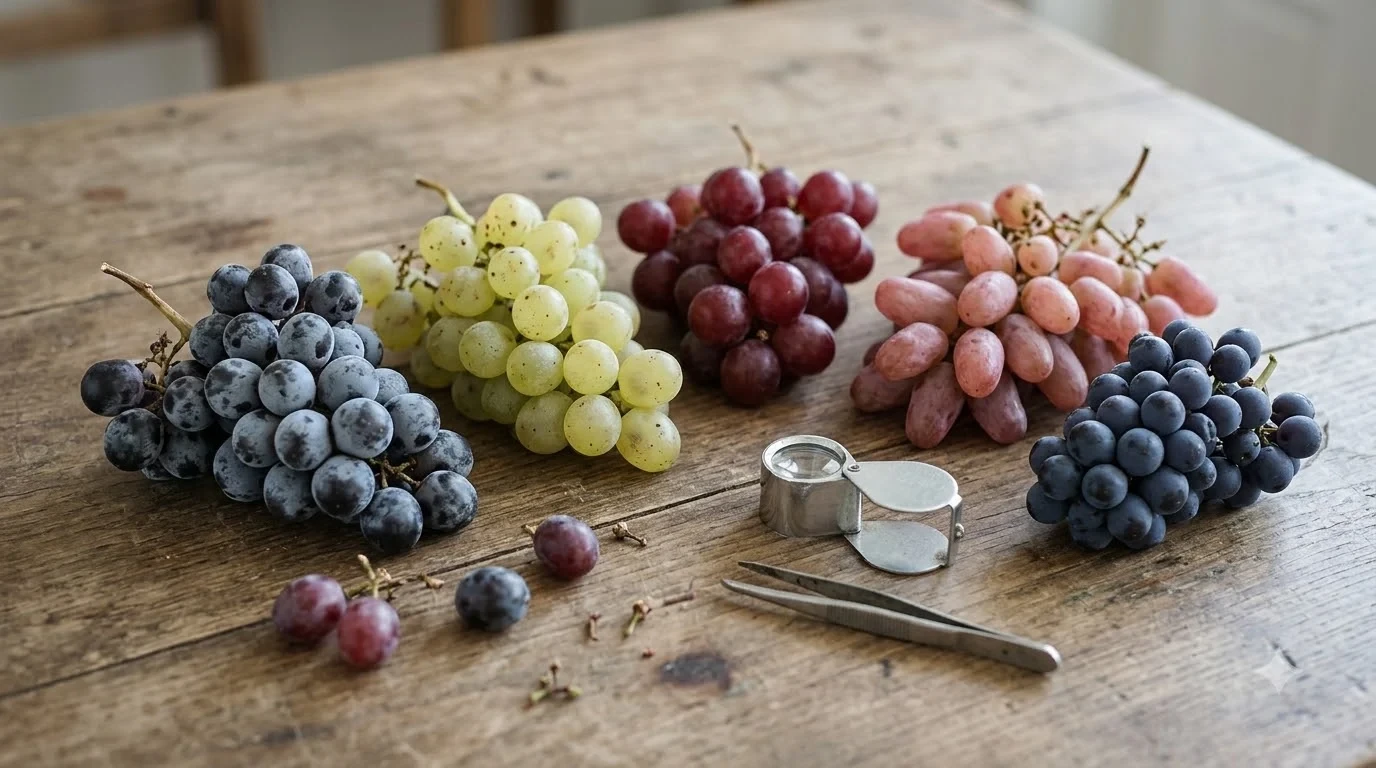
A bordeaux grape is any of the grape varieties allowed in wines from the Bordeaux region of France, and the reds are built mainly on Cabernet Sauvignon, Merlot and Cabernet Franc. Bordeaux is a place name rather than a single grape, so the label on a bottle tells you where the wine came from, not which variety is inside. The region’s reds are usually blends of several of these varieties, while its dry whites lean on Sauvignon Blanc and Sémillon.
People who search for bordeaux grape usually want one clear answer: which grapes go into a bottle from this region, and how they taste. This guide walks through the main varieties, explains why the same grape can taste different on the Left Bank and the Right Bank, and shows how to read a label with confidence.
Bordeaux is a region, and the grapes are the building blocks
Bordeaux wines are named for the place they come from, and the rules that govern them list which varieties a producer may use. Winemakers choose the blend for each vineyard, so two bottles with the same label can have different grape ratios from one vintage to the next. Knowing the main grapes helps you guess the style before you open the bottle.
The main red grapes
Most red Bordeaux is blended from a small group of varieties. Cabernet Sauvignon and Merlot do most of the work, and Cabernet Franc often plays a supporting role. Each one contributes something different, and the balance between them is what gives a bottle its character.
Cabernet Sauvignon is the backbone of many Left Bank wines. Wine Folly’s Cabernet Sauvignon guide describes it as dry and full-bodied, with medium-high tannins and acidity, and typical flavors of black cherry, black currant, cedar, baking spices and graphite. The grape does best on gravelly soils, which is why the Médoc and Graves are so closely associated with it. The same guide recommends serving it at 60–68°F (15–20°C) in an oversized glass, with about an hour of decanting for a young bottle.
Merlot is softer and more approachable in youth. According to Wine Folly’s Merlot guide, it shows cherry, plum, chocolate, bay leaf and vanilla, and it is “softer and less astringent than Cabernet Sauvignon.” On the Right Bank, Merlot is the main variety, usually blended with Cabernet Franc. In Pomerol, clay-rich soils support concentrated black cherry and plum with a velvety texture, and in Saint-Émilion, limestone and clay produce darker berry flavors with a touch of chocolate and spice.
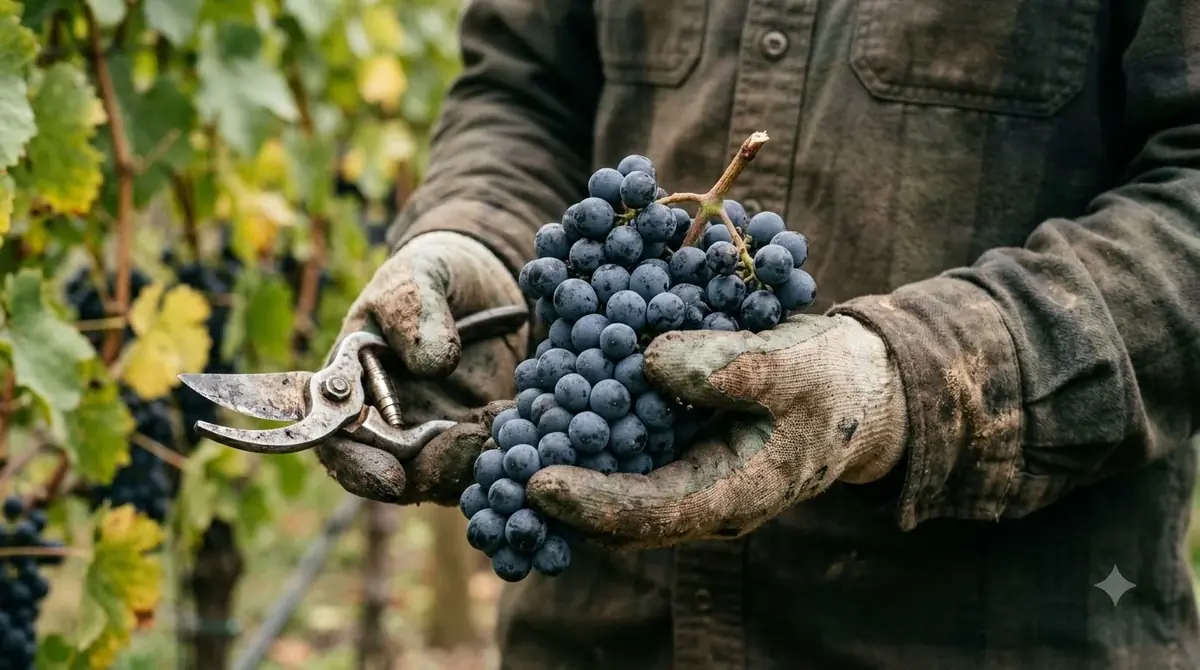
Cabernet Franc is less famous than its cousin but matters a great deal in the blend. It adds freshness, a lighter perfume and structure, especially in Saint-Émilion, where it helps balance the richness of Merlot. Producers who want a lifted, aromatic red often give it a bigger share of the final blend.
Supporting red varieties
Several other red grapes are permitted in Bordeaux, but they usually appear in smaller amounts. Petit Verdot is the most common of them. It is deeply colored and tannic, so a little goes a long way, and winemakers use it to add color, spice and backbone when a vintage needs more grip. Malbec and Carménère are also allowed, though they are much less common in modern Bordeaux blends than in some other parts of the world.
When you see a bottle that lists a single red grape, check whether it is labeled as Bordeaux or as a different appellation. Many wines sold outside France with a grape name come from a different region entirely, and the style will reflect that.
Bordeaux also has a practical side for buyers. The region’s classification system and the Left and Right Bank distinction tell you more about the likely blend than a single grape name does. A Médoc label usually signals a Cabernet-led wine, while a Libournais label, which covers Saint-Émilion and Pomerol, usually signals a Merlot-led wine with Cabernet Franc in support. Learning these signals is often faster than memorizing every grape percentage.
The white grapes of Bordeaux
The region’s white wines are less well known, but the best dry examples are distinctive. Sauvignon Blanc provides the citrus, green herb and crisp acidity that most drinkers expect, and Sémillon adds body, texture and a waxy richness, especially in wines from Pessac-Léognan and Graves. Muscadelle is used in small amounts for its floral and fruity aromatics. Sweet white Bordeaux from Sauternes is built on Sémillon, often with some Sauvignon Blanc, and noble rot is part of what gives those wines their honeyed depth.
If you enjoy a crisp dry white with a saline edge, you may also like the way Melon de Bourgogne grows in the Loire, where it makes lean, mineral wines that share some of the freshness of dry Bordeaux whites.
How the grape mix changes from estate to estate
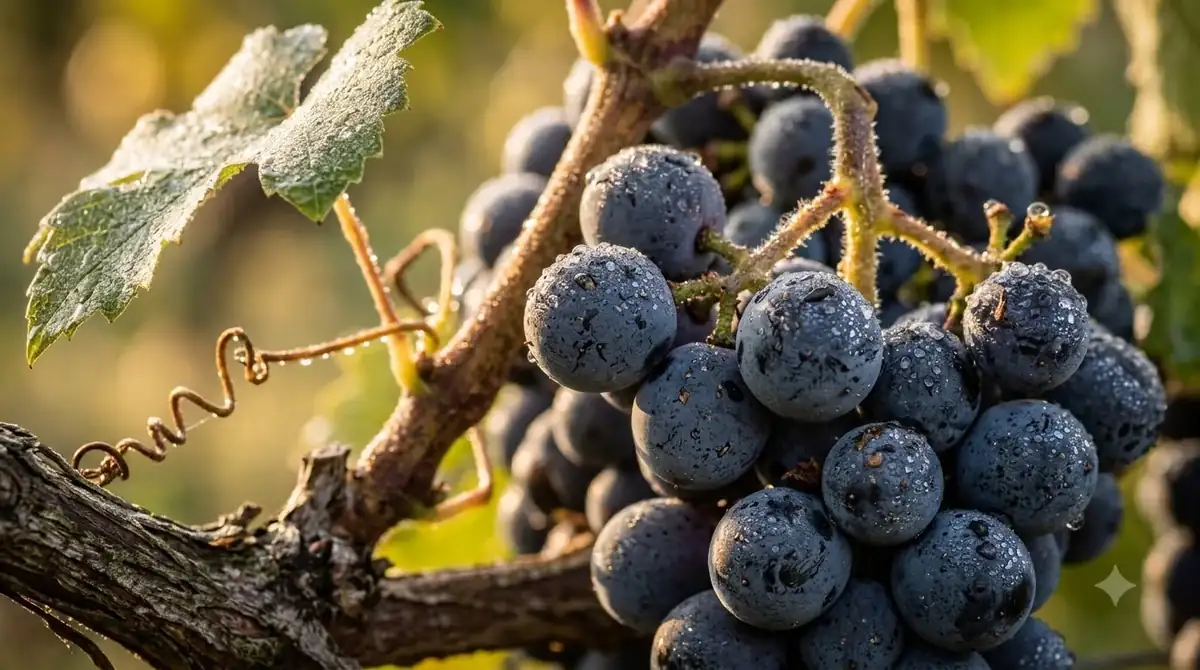
Two wines from neighboring villages can use the same varieties and still taste different, because the ratio changes with the soil, the age of the vines and the winemaker’s choices. A property on gravel may lean more on Cabernet Sauvignon, while one on clay may use more Merlot. Some estates also keep a small share of Cabernet Franc or Petit Verdot to round out a vintage that came in tannic or lean.
The vintage matters too. A warm year tends to produce riper fruit and softer tannins, while a cooler year may need more Cabernet in the blend to give the wine structure. Producers adjust the mix every season, which is why a bottle from one year can feel quite different from the next, even at the same château.
Reading the back label or the producer’s technical sheet can show you the blend. Many estates list the percentages of each grape, and a higher Merlot share usually means a rounder, fruitier style, while a higher Cabernet share often points to firmer tannins and a longer aging curve.
| Grape | Color | Typical flavors | Main role in Bordeaux |
|---|---|---|---|
| Cabernet Sauvignon | Red | Black currant, cedar, graphite | Structure and aging, mostly on the Left Bank |
| Merlot | Red | Cherry, plum, chocolate | Softness and body, the core of the Right Bank |
| Cabernet Franc | Red | Red fruit, violet, freshness | Lift and aroma in the blend |
| Petit Verdot | Red | Dark fruit, spice | Color and tannin in small amounts |
| Sauvignon Blanc | White | Citrus, green herb | Crisp dry whites |
| Sémillon | White | Honey, waxy texture | Body in dry whites and sweet Sauternes |
Tip: If you are new to bordeaux grape blends, start with a Right Bank bottle for softer fruit, then move to a Left Bank wine to taste the firmer structure of Cabernet Sauvignon.
Frequently Asked Questions
Is Bordeaux a grape or a region?
Bordeaux is a region in southwest France. The wines are named after it, but they are made from several grape varieties. A label that says Bordeaux describes the origin and general style, not one specific grape.
Which bordeaux grape is the most common?
Merlot is the most planted red variety in Bordeaux overall, and Cabernet Sauvignon is the most important on the Left Bank. Sauvignon Blanc and Sémillon are the leading white varieties.
Can a bordeaux wine be made from one grape?
Some producers make single-variety wines, but most Bordeaux reds are blends. Single-varietal Cabernet Sauvignon is relatively uncommon in the region, so a blend is the usual expectation.
Which bordeaux grape should a beginner try first?
Merlot-led wines from the Right Bank tend to be softer and fruitier, which makes them easier to start with. Once you know the flavors, a Cabernet Sauvignon-led wine from the Left Bank will show the contrast clearly.
Bordeaux becomes much easier to understand once you know its grapes. Start with the red blend and the white varieties listed above, then use the region’s label and the Left or Right Bank to guess the style. For more background on how grape families differ, see the wine types guide.
More in Wine Types & Grapes
 Zinfandel Sugar Content: Dry Red vs. White Zinfandel GramsUpdated Nov 21, 2026
 Best Zinfandel Substitute Options for Sipping and CookingUpdated Nov 21, 2026
 Zweigelt Food Pairing: Best Dishes, Cheeses, and Serving TipsUpdated Nov 21, 2026
 Zinfandel Tannins Explained: How Structure Shapes Every BottleUpdated Nov 21, 2026
 Zinfandel Sweetness Level: Dry Red vs. Sweet White Zin ExplainedUpdated Nov 21, 2026
 Xinomavro Food Pairing: Best Dishes, Styles, and Serving TipsUpdated Nov 21, 2026