
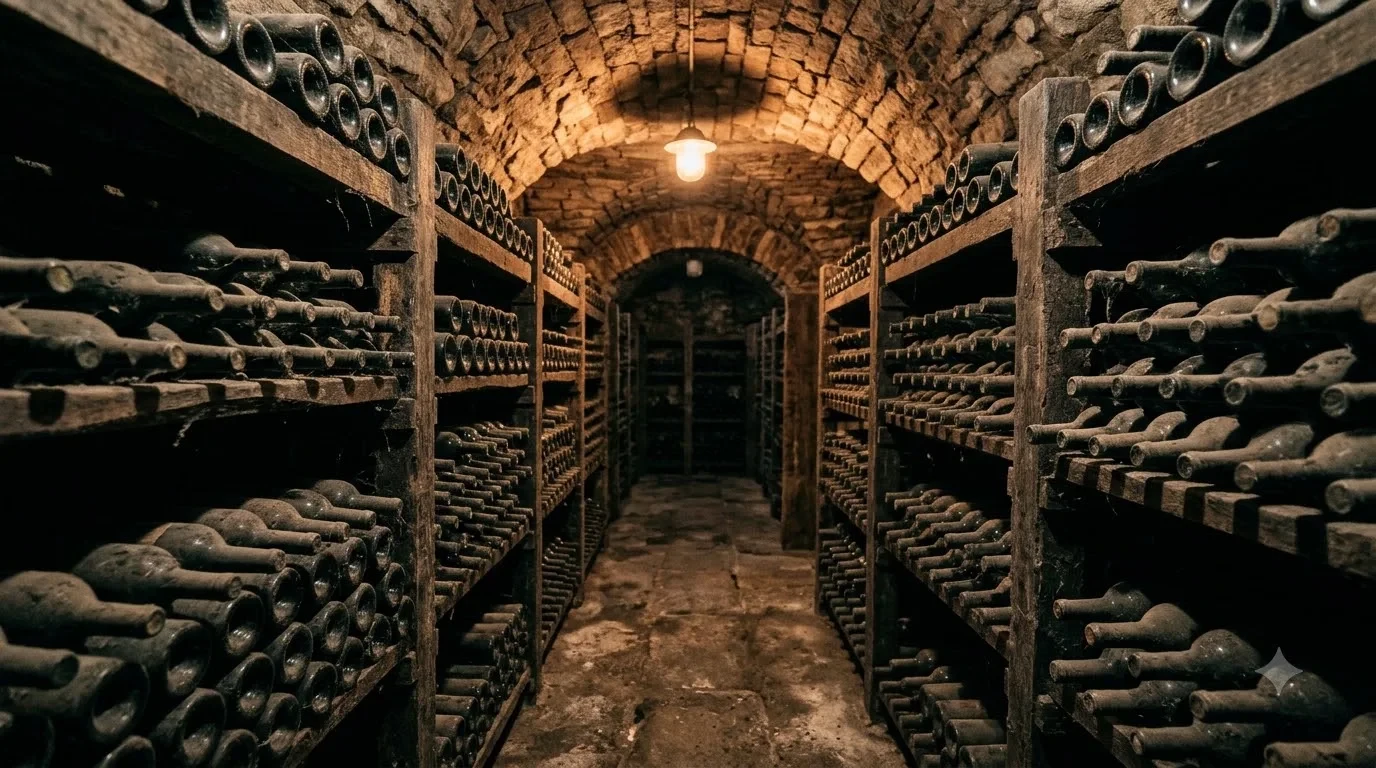

We may earn a commission when you buy through links on this page, at no extra cost to you. Learn more.
Founded in 1970 by Warren Winiarski, stag s leap wine cellars is a historic Napa Valley winery that earned international acclaim when its 1973 S.L.V. Cabernet Sauvignon won first place among red wines at the 1976 Judgment of Paris blind tasting. Today, the estate is owned by the Italian winemaking family Marchesi Antinori and sits in California’s Stags Leap District, where volcanic hillside soils meet cooling afternoon breezes from San Pablo Bay. The winery is best known for single-vineyard and flagship Cabernet Sauvignons—including S.L.V., FAY, and CASK 23—alongside its Napa Valley ARTEMIS Cabernet Sauvignon, KARIA Chardonnay, and AVETA Sauvignon Blanc.
Long before Napa Valley became a household name on wine lists around the globe, a former University of Chicago lecturer turned winemaker bet his savings on a prune orchard along the Silverado Trail. That wager reshaped modern American wine history and established a house style often described by critics as an iron fist in a velvet glove—combining deep, concentrated fruit with supple, polished tannins. Understanding how the estate works, what separates its vineyards, and how each bottle behaves at the table makes exploring the lineup far more rewarding.
Who Makes Stag’s Leap Wine Cellars
Warren Winiarski founded Stag’s Leap Wine Cellars in 1970 after working alongside pioneering California vintners, including serving as the first head winemaker at Robert Mondavi Winery in 1966. Today, the estate is solely owned by Marchesi Antinori, the centuries-old Tuscan wine family, with winemaker Marcus Notaro leading cellar operations.
In 1969, Winiarski tasted a homemade Cabernet Sauvignon crafted by neighboring grape grower Nathan Fay and immediately recognized the potential of the rocky benchland beneath the Stags Leap Palisades. A year later, he purchased 44 acres of adjacent prune orchard land and planted the Stag’s Leap Vineyard, known simply as S.L.V. Just six years after founding the estate, Winiarski entered the 1973 S.L.V. Cabernet Sauvignon into Steven Spurrier’s 1976 blind tasting in Paris, where French judges ranked it ahead of classified Bordeaux châteaux—a milestone Decanter reports put California permanently on the global fine-wine map.
Winiarski expanded the estate in 1986 by acquiring Nathan Fay’s original vineyard, where Cabernet Sauvignon had first been planted in the Stags Leap District in 1961. In 2007, Winiarski sold the winery to a partnership between Ste. Michelle Wine Estates and Marchesi Antinori, whose patriarch Piero Antinori had befriended Winiarski during a 1985 visit to Napa. In May 2023, Marchesi Antinori purchased Ste. Michelle’s remaining stake to become sole proprietor, later adding the Arcadia vineyard in Coombsville in February 2025 while Marcus Notaro—who took the winemaking helm in 2013—continues to guide the cellar.
One common point of confusion among shoppers involves punctuation: Stag’s Leap Wine Cellars places the apostrophe before the “s,” whereas neighboring Stags’ Leap Winery places it after, and the surrounding Stags Leap District appellation uses no apostrophe at all. All three take their name from the jagged volcanic cliffs rising above the eastern side of Napa Valley, where legend says a stag leapt across the gorge to escape hunters.
The Lineup
The Stag’s Leap Wine Cellars official portfolio moves across two main tiers: accessible Napa Valley appellation bottlings crafted from estate and partner vineyards, and collectible estate Cabernet Sauvignons grown in the Stags Leap District. Across the range, the winery focuses primarily on Cabernet Sauvignon, Chardonnay, and Sauvignon Blanc.
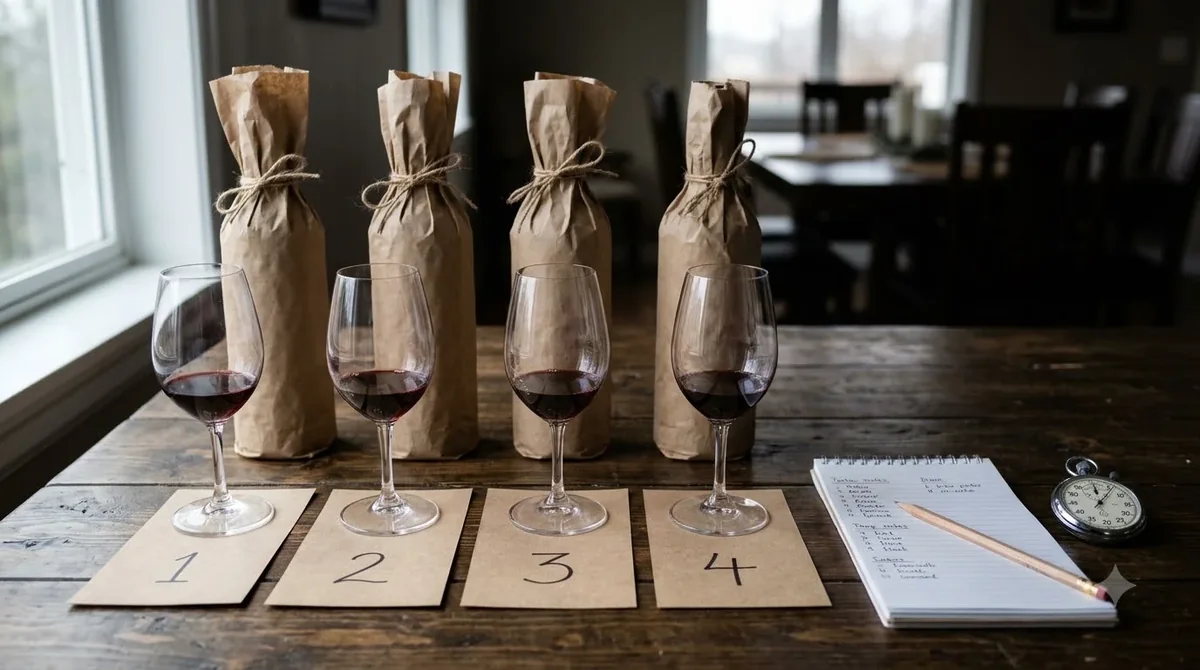
At the entry to the red lineup sits Hands of Time, a supple Napa Valley red blend designed for earlier enjoyment, alongside ARTEMIS Cabernet Sauvignon, the winery’s signature Napa Valley bottling. Named after the Greek goddess of the hunt, ARTEMIS blends estate fruit with grapes from partner sites across sub-appellations such as Atlas Peak, St. Helena, and Coombsville, typically aging around 14 to 15 months in French and small amounts of American oak barrels. On the white side, AVETA Sauvignon Blanc—named for a Celtic water goddess—ferments in a combination of stainless steel and neutral French oak barrels with six months of lees aging, while KARIA Chardonnay sources fruit from cooler southern Napa Valley sites and ages roughly eight months sur lie in French oak.
At the top of the hierarchy sit three estate Cabernet Sauvignons rooted in the Stags Leap District: FAY, S.L.V., and CASK 23. FAY comes from the lower-elevation alluvial soils planted by Nathan Fay in 1961, while S.L.V. draws from the steeper, volcanic soils planted in 1970. CASK 23 originated during the 1974 harvest when consulting enologist André Tchelistcheff singled out one standout lot from S.L.V. that was aged in a large wooden cask numbered 23; today, CASK 23 blends the finest barrels from both FAY and S.L.V. and ages for 20 to 21 months in 100 percent new French oak.
| Wine | Primary Grape | Appellation | Aging Style | Typical ABV |
|---|---|---|---|---|
| AVETA Sauvignon Blanc | Sauvignon Blanc (with Sauvignon Musqué and Sémillon) | Napa Valley | 6 months sur lie in stainless steel and neutral French oak | 12.5% to 13.5% |
| KARIA Chardonnay | Chardonnay | Napa Valley | 8 months sur lie in French oak (partially new) | 13.0% |
| ARTEMIS Cabernet Sauvignon | Cabernet Sauvignon (with small amounts of Merlot or Cabernet Franc) | Napa Valley | 14 to 15 months in French and American oak | 14.5% to 14.8% |
| FAY Cabernet Sauvignon | Cabernet Sauvignon | Stags Leap District | Aged in French oak barrels | 14.5% to 14.8% |
| S.L.V. Cabernet Sauvignon | Cabernet Sauvignon | Stags Leap District | 21 months in French oak barrels | 14.5% |
| CASK 23 Cabernet Sauvignon | Cabernet Sauvignon (with trace Cabernet Franc in select vintages) | Stags Leap District | 20 to 21 months in 100% new French oak | 14.0% to 14.8% |
Taste Profile
Critics and winemakers consistently characterize Stag’s Leap Wine Cellars reds by their balance of ripe Napa Valley fruit, fine-grained tannins, and bright underlying acidity. Rather than relying on sheer weight or jammy sweetness, the wines emphasize aromatic lift, structural poise, and a savory mineral edge.
Even within the same property, the two flagship estate vineyards deliver distinct personalities that show why site matters so much among historic wine brands. Reviewers at Wine Spectator and the producer’s tasting notes describe FAY Cabernet Sauvignon as the more perfumed, graceful, and red-fruited of the pair, offering aromas of raspberry, red currant, cherry, violet, and bay laurel over a silky mid-palate. By contrast, S.L.V. grows on well-drained volcanic soils and produces a darker, more structured wine layered with cassis, blackberry, plum, cocoa, espresso, and crushed-rock minerality.
CASK 23 marries both halves of the estate—combining the fragrant elegance of FAY with the dark-fruited spine of S.L.V.—yielding dense flavors of black cherry, boysenberry, anise, graphite, and toasted oak supported by firm yet velvety tannins. Meanwhile, ARTEMIS offers an approachable entry into the house style with ripe dark berries, mocha, and cedar, while AVETA Sauvignon Blanc delivers crisp citrus, lemongrass, and white peach notes, and KARIA Chardonnay balances lemon curd and honeysuckle with a creamy, lightly oaked finish.
How to Serve and Pair
Serving Stag’s Leap Wine Cellars at the proper temperature and giving younger reds time to breathe ensures their layered aromatics and fine tannins show clearly. Pairing these wines works best when the weight and richness of the dish match the structure of the bottle.
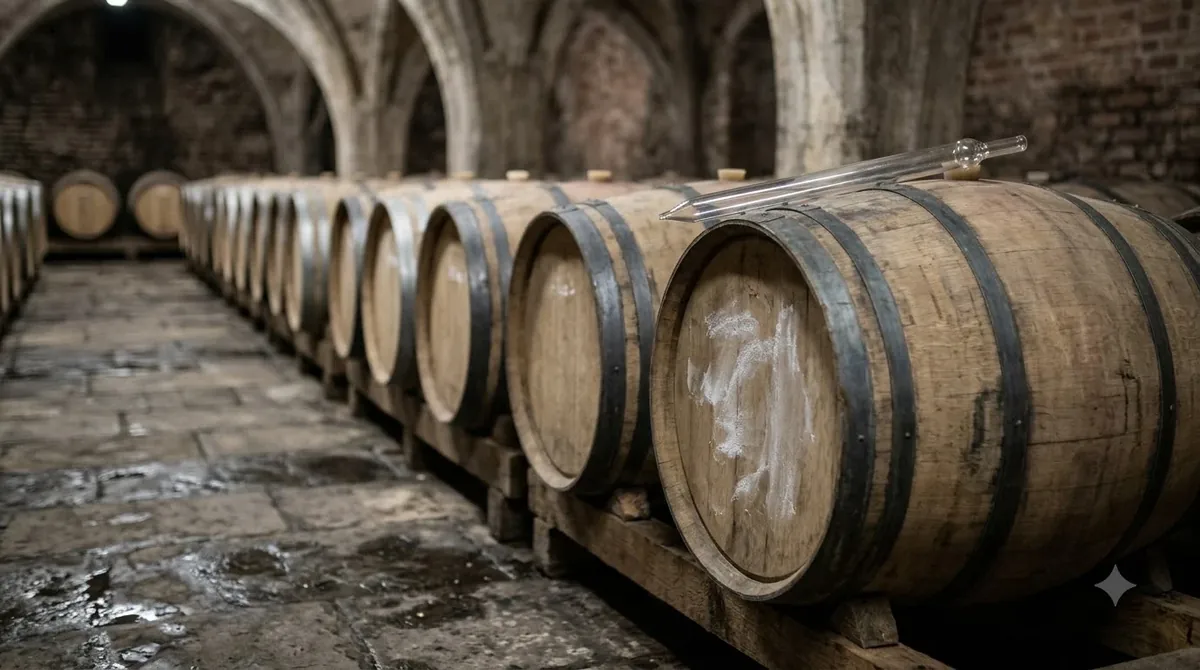
Serve AVETA Sauvignon Blanc well chilled at 45°F to 50°F (7°C to 10°C) in a standard white wine glass to highlight its zesty citrus acidity, and pour KARIA Chardonnay slightly warmer at 50°F to 55°F (10°C to 13°C) so its subtle French oak spice and lees texture open up. For the Cabernet Sauvignons, aim for cool cellar temperature—around 60°F to 65°F (16°C to 18°C)—using a large-bowled Bordeaux glass. Younger vintages of ARTEMIS benefit from 40 to 60 minutes in a decanter, whereas young releases of FAY, S.L.V., and CASK 23 open dramatically with two to three hours of decanting; older library bottles with sediment should be stood upright beforehand and decanted gently just before pouring.
At the dinner table, the estate’s Cabernet Sauvignons shine alongside savory, protein-rich dishes whose fats and umami soften firm tannins. The winery’s culinary team recommends pairing CASK 23 and S.L.V. with herb-crusted ribeye, steak au poivre, rack of lamb, or coffee-rubbed pork chops, while ARTEMIS pairs effortlessly with braised beef short ribs, grilled tri-tip, or wild mushroom risotto. For the white wines, serve AVETA alongside oysters, goat cheese salads, or grilled sea bass with lemon, and pair KARIA Chardonnay with roast chicken, lobster, or seared scallops in a light cream sauce.
Tip: When opening a bottle of S.L.V., FAY, or CASK 23 that is less than ten years old, decant it at least two hours before dinner—or pour a small taste right after opening and revisit the glass over the course of an evening to watch the savory spice and floral notes unfold.
Who It Suits
Stag’s Leap Wine Cellars appeals to drinkers who appreciate classic, age-worthy Napa Valley Cabernet Sauvignon built on elegance and balance rather than over-extracted power. Because the portfolio spans multiple price and aging tiers, it serves both casual weekend hosts and serious fine-wine collectors.
Wine enthusiasts who enjoy Bordeaux-inspired structure—featuring cedar, graphite, dried herbs, and lively acidity—tend to gravitate toward the estate’s single-vineyard bottlings, which routinely cellar gracefully for 15 to 30 years. Collectors celebrating milestone anniversaries or building long-term cellars often seek out FAY, S.L.V., and CASK 23 for their documented track record and benchmark vintage consistency.
On the other hand, newcomers exploring Napa Valley or hosts planning a dinner party do not need a temperature-controlled cellar to enjoy the producer’s style. Bottles like ARTEMIS, Hands of Time, KARIA, and AVETA are crafted to be approachable upon release, offering a clear contrast to sweeter, lighter everyday bottles such as Jacob’s Creek Moscato or crisp warm-weather sippers like Josh Cellars Rosé. If you usually reach for fruit-forward, easygoing red blends like 14 Hands Hot to Trot, stepping up to ARTEMIS provides a polished introduction to classic Napa Cabernet.
Frequently Asked Questions
Are Stag’s Leap Wine Cellars and Stags’ Leap Winery the same winery?
No, they are two separate, neighboring estates in Napa Valley’s Stags Leap District, distinguished by the placement of the apostrophe. Stag’s Leap Wine Cellars (apostrophe before the “s”) was founded by Warren Winiarski in 1970 and won the 1976 Judgment of Paris, whereas Stags’ Leap Winery (apostrophe after the “s”) is a historic 19th-century estate located just up the road.
Which Stag’s Leap Wine Cellars bottle won the 1976 Judgment of Paris?
The 1973 Stag’s Leap Wine Cellars S.L.V. Cabernet Sauvignon took first place among red wines at the May 1976 blind tasting in Paris organized by Steven Spurrier. Crafted from only the winery’s second harvest, it outscored renowned French Bordeaux estates including Château Mouton-Rothschild and Château Haut-Brion, and an original bottle is housed in the Smithsonian Institution.
What is the difference between S.L.V., FAY, and CASK 23?
All three are estate Cabernet Sauvignons from the Stags Leap District, but each reflects a distinct vineyard expression. FAY comes from lower alluvial soils and is known for red-fruit perfume and silky elegance, S.L.V. grows on volcanic hillside soils that yield darker fruit and firmer mineral structure, and CASK 23 is a flagship blend of the top barrels from both vineyards.
How long can you age Stag’s Leap Wine Cellars Cabernet Sauvignon?
Aging potential depends on the tier and vintage conditions. ARTEMIS Cabernet Sauvignon drinks well upon release and typically ages gracefully for 10 to 15 years, while the estate bottlings—FAY, S.L.V., and CASK 23—are built to develop complexity in a cool cellar for 20 to 30 years or more.
From its historic 1973 triumph in Paris to its modern stewardship under Marchesi Antinori, Stag’s Leap Wine Cellars remains a defining benchmark for balance and terroir in Napa Valley. Whether you open a crisp bottle of AVETA on a warm afternoon or decant a mature vintage of FAY or S.L.V. for a special dinner, each bottling offers a clear window into the character of the Stags Leap District.
More in Wine Brands
 Underwood Wine Price: Compare Bottles, Cans, and Pack SizesUpdated Nov 21, 2026
 Zenato Wine Price: Compare Styles and Choose the Right BottleUpdated Nov 21, 2026
 Zuccardi Wine Price: Compare Bottles and Find the Right RangeUpdated Nov 21, 2026
 Yellow Tail Moscato Review: Taste, Sweetness and Serving TipsUpdated Nov 21, 2026
 Wolf Blass Yellow Label Review: Choose Your Best StyleUpdated Nov 21, 2026
 Wolffer Estate Rose Review: Choose the Right Bottle for Your TableUpdated Nov 21, 2026