


We may earn a commission when you buy through links on this page, at no extra cost to you. Learn more.
St helena wine country is a historic wine-growing destination in northern Napa Valley, California, best known for Cabernet Sauvignon, established wineries, diverse vineyard soils, and excellent tasting experiences. Its warm growing conditions favor ripe, concentrated red wines, while its location between the Mayacamas and Vaca mountain ranges creates distinct vineyard environments. Visitors can combine winery appointments, downtown tasting rooms, historic estates, restaurants, and scenic vineyard drives in one trip.
St. Helena occupies an important place in Napa Valley’s wine history and contemporary wine culture. The small town provides access to established wine estates, family-owned producers, and vineyard sites that demonstrate how geography influences wine style. Whether you are learning about Napa Cabernet Sauvignon, planning a tasting weekend, or comparing California wine regions, understanding St. Helena’s climate, grapes, and winery landscape makes the experience more rewarding.
Where St. Helena Sits Within Napa Valley
St. Helena is situated in the northern half of Napa Valley, between the communities of Rutherford and Calistoga. Its location along Highway 29 makes it a convenient base for exploring the surrounding vineyards, tasting rooms, and historic wine estates.

The town sits between the Mayacamas Mountains to the west and the Vaca Range to the east. These mountain systems influence sunlight, temperature, wind exposure, and the distribution of vineyard soils. The valley narrows around St. Helena, creating a distinctive growing environment within the larger Napa Valley appellation.
It is important to distinguish the town of St. Helena from the St. Helena American Viticultural Area. An AVA is a federally recognized grape-growing region whose boundaries identify a particular geographic area. Napa Valley received its AVA designation in 1981, and St. Helena became an officially recognized sub-appellation in 1995. Napa Valley contains 17 nested AVAs, each with its own combination of environmental characteristics.
The St. Helena AVA includes vineyards on the valley floor, mountain benchlands, and alluvial fans. According to Napa Valley Vintners, the appellation covers elevations of approximately 200 to 475 feet and receives up to 40 inches of annual rainfall. These measurements provide useful context for understanding the growing environment, although individual vineyard conditions can vary considerably. The Napa Valley Vintners appellation overview provides additional information about the region’s 17 nested AVAs and their geographic differences.
Highway 29 is the principal route through downtown, with the Silverado Trail providing another important north-south connection through Napa Valley. The two roads give visitors different perspectives on the area. Highway 29 passes close to many established tasting destinations and commercial businesses, while the Silverado Trail offers access to additional vineyard properties and scenic countryside.
St. Helena also makes a practical starting point for exploring neighboring appellations. Rutherford lies immediately south, while Calistoga is farther north. Visitors interested in understanding Napa’s geographic diversity can compare the warmer valley-floor character of St. Helena with the different conditions found in elevated or more marine-influenced growing areas. The broader collection of Wine Regions provides useful context for making these comparisons.
For wine travelers, this location combines access to a concentrated selection of wineries with the convenience of a small town. Rather than spending the entire day driving between distant destinations, visitors can plan several appointments around St. Helena and leave time for downtown restaurants and shops.
Climate, Soils, and Vineyard Conditions
St. Helena has a warm growing environment that encourages grapes to reach substantial ripeness, particularly Cabernet Sauvignon. Differences between western, eastern, northern, and southern vineyard sites create meaningful variations in the wines produced within the same appellation.
According to Napa Valley Vintners, mid-summer temperatures in St. Helena frequently reach the mid-to-high 90s Fahrenheit. The surrounding western hills provide protection from some cooler weather influences, while the narrowing valley contributes to heat reflection. These conditions can help grapes mature fully and develop ripe fruit characteristics.
Warm temperatures are particularly relevant to Cabernet Sauvignon, a variety that generally benefits from a sufficiently long growing season. Fully ripe Cabernet Sauvignon can develop flavors of blackcurrant, blackberry, dark cherry, and plum, often accompanied by substantial tannin and oak-derived notes. In St. Helena, these characteristics can produce powerful wines with considerable concentration.
However, the appellation should not be treated as a single uniform vineyard environment. Western benchland sites can experience different afternoon sunlight exposure from eastern vineyards. The Mayacamas Mountains provide protection for some western properties, while eastern locations have different soil compositions and exposure patterns.
Understanding the soil differences
The southern and western portions of the appellation contain sedimentary soils, including gravel and clay. These soils generally have relatively low fertility and moderate water retention. Northern and eastern locations have a greater proportion of volcanic material, with deeper and more fertile soil profiles.
These differences influence vine growth and vineyard management. Soil depth, drainage, fertility, and available water all affect how vines develop and how growers manage their crops. A gravelly site and a deeper volcanic site can therefore produce different growing conditions even when they share the same general regional climate.
Alluvial fans are another important feature of St. Helena’s geography. They form where water and sediment move down from surrounding slopes and spread across flatter ground. Over long periods, these deposits create complex combinations of rock, sand, gravel, and finer material.
The resulting diversity helps explain why producers may emphasize individual vineyard locations rather than simply describing a wine as coming from St. Helena. Two Cabernet Sauvignons from neighboring properties can have different structures, fruit profiles, and textures.
Tip: When comparing two St. Helena Cabernet Sauvignons, pay attention to vineyard location, producer style, and vintage conditions. Comparing western benchland wines with eastern valley-floor bottlings can reveal more about the appellation than relying on the regional name alone.
Important Grapes and Wine Styles
Cabernet Sauvignon is the signature variety of St. Helena, but the appellation supports several other grapes that contribute to its wine identity. Merlot, Cabernet Franc, Syrah, Zinfandel, Sauvignon Blanc, and Viognier are also among its principal varieties.
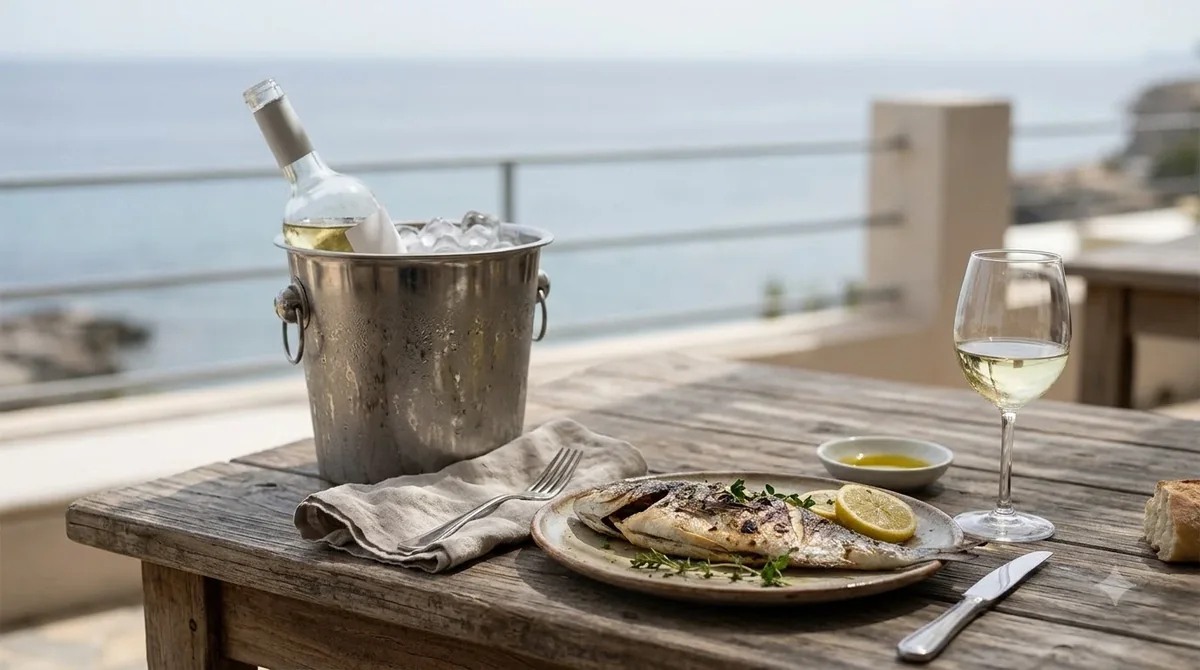
Cabernet Sauvignon thrives in the area’s warm conditions and is generally associated with full-bodied wines, substantial tannins, and concentrated dark-fruit flavors. Depending on the producer and vineyard, a bottle may show blackcurrant, blackberry, cassis, cedar, tobacco, dark chocolate, or baking spice. Oak aging can add further layers of vanilla, toast, and spice.
Merlot provides a different expression of the region. It typically has medium tannin and a softer texture than Cabernet Sauvignon. Common flavors include plum, black cherry, and ripe berries. Some St. Helena producers use Merlot in blends to soften Cabernet Sauvignon’s structure, while others make varietal bottlings that highlight the grape’s own characteristics.
Cabernet Franc is another important Bordeaux variety. It can contribute red-fruit notes, herbal complexity, and aromatic freshness. In blends, it often adds another dimension to Cabernet Sauvignon and Merlot rather than simply increasing body or tannin.
Syrah offers a darker and often more savory style. Depending on the vineyard and winemaking decisions, it can show blackberry, blueberry, pepper, and smoky notes. Zinfandel, meanwhile, is associated with ripe berry fruit, spice, and a fuller palate, making it an interesting alternative to the area’s Cabernet-focused wines.
White wines from St. Helena
Although red wine receives much of the attention, St. Helena also produces white wines. Sauvignon Blanc typically offers higher acidity, with citrus, green apple, tropical fruit, and herbal notes depending on ripeness and winemaking. It can provide a refreshing contrast to the region’s richer red wines.
Viognier is generally more aromatic and textured. Common characteristics include peach, apricot, floral aromas, and a rounded palate. Its relatively lower perceived acidity compared with Sauvignon Blanc makes it a different choice for visitors who enjoy fuller-bodied white wines.
For travelers who want to explore beyond Napa’s signature red wines, tasting these varieties provides a broader understanding of the appellation. A useful tasting sequence begins with Sauvignon Blanc, moves to Viognier or Merlot, and finishes with Cabernet Franc, Syrah, and Cabernet Sauvignon.
How to recognize regional character
There is no single flavor profile that every St. Helena wine must display. Producer decisions involving harvest timing, fermentation, oak, blending, and aging have a major influence on the final result. Some winemakers favor ripe, generous fruit and polished tannins, while others aim for greater freshness and restraint.
When comparing wines, consider three elements: fruit ripeness, tannin structure, and acidity. A warm-climate Cabernet Sauvignon may feel rich and concentrated, but a well-made example should still have enough acidity and structure to keep the wine balanced.
Visitors interested in the differences between Napa and other American growing regions can also explore Yadkin Valley wine country, where different climatic conditions and grape-growing traditions create a contrasting regional identity.
Historic Wineries and Notable Tasting Destinations
St. Helena is particularly attractive to wine enthusiasts because its winery landscape includes historic estates, established family businesses, and contemporary tasting destinations. A visit can combine regional history with opportunities to compare different interpretations of Napa Valley wines.
Charles Krug is one of the most historically significant names in the area. The winery opened California’s first tasting room in 1882, helping establish the idea that visitors could experience wine directly at its place of production. Its historical importance makes it a useful stop for anyone interested in the development of Napa Valley’s visitor culture.
Beringer Vineyards is another major historical destination. Visit California identifies it as the region’s oldest continuously operating winery. Its long-standing presence makes it an important part of St. Helena’s wine heritage, and its estate provides visitors with a connection to the area’s early commercial winemaking history.
Merryvale Vineyards is also significant. It was the first winery in Napa Valley to open after Prohibition ended in 1933. That reopening marked an important stage in the revival of California’s wine industry, making Merryvale a particularly relevant destination for visitors interested in the region’s twentieth-century development.
Other wineries worth considering
Salvestrin Winery offers another historical connection through its association with Dr. Crane Vineyard. Some vines at the historic vineyard date to the 1850s, providing a link to an earlier period of Napa Valley viticulture.
Hall Wines provides a more contemporary visitor experience. Its property combines wine with a strong visual-art identity, including sculptures and an architectural glass-house tasting room. One recognizable feature is Bunny Foo Foo, a stainless-steel rabbit sculpture standing 35 feet tall at the entrance.
Rombauer Vineyards, located east of downtown, offers another appealing setting. Its gardens provide views of the Mayacamas Mountains, and the estate gives visitors an opportunity to combine wine tasting with time outdoors.
Alpha Omega Winery is positioned along Highway 29 and is known for its fountain pool and outdoor patio. Its Cabernet Sauvignon offerings are particularly relevant to visitors exploring the region’s major red varieties. Reservations are required for private and group tastings.
AXR Napa Valley provides another option for travelers interested in smaller-production wines and historic architecture. Its tasting room occupies an 1886 building, creating a connection between an older property and a contemporary winery experience.
For a useful overview of these historic estates, visitor experiences, and local tasting destinations, consult Visit California’s St. Helena travel guide. Individual tasting experiences should still be planned separately because different properties have different reservation requirements and appointment formats.
For additional information about individual tasting destinations, the St. Helena wine tasting experience is worth planning separately from the broader regional exploration. Different properties offer different formats, and choosing appointments based on wine interests makes the day more productive.
Planning a St. Helena Wine-Tasting Itinerary
A successful St. Helena wine trip is built around a manageable number of appointments, sufficient travel time, and a meal break. Two or three carefully selected winery visits usually provide more opportunity to understand individual wines than trying to visit as many tasting rooms as possible.
Start by choosing a general theme for the day. Cabernet Sauvignon enthusiasts might prioritize a historic estate, a producer specializing in single-vineyard wines, and a tasting room offering comparative flights. Visitors interested in a broader regional introduction could include Sauvignon Blanc, Merlot, and Syrah alongside Cabernet Sauvignon.
Reservations should be arranged before arrival, particularly for estate tours, private tastings, and smaller-production wineries. Some properties have limited appointment capacity, and their tasting formats may differ substantially. One appointment might involve a seated flight, while another could include a vineyard walk or a discussion of winemaking techniques.
An example one-day schedule
The following itinerary provides a practical structure for a full day. It is a planning example rather than a statement of individual winery opening hours or appointment availability.
| Time | Activity | Purpose |
|---|---|---|
| 9:30 a.m. | Breakfast and downtown walk | Start the day and explore Main Street |
| 10:30 a.m. | First winery appointment | Explore historic Napa wine traditions |
| 12:00 p.m. | Lunch in downtown St. Helena | Enjoy a meal between tastings |
| 1:30 p.m. | Second winery appointment | Compare Cabernet Sauvignon styles |
| 3:00 p.m. | Third tasting or estate visit | Explore another producer or grape variety |
| 4:30 p.m. | Downtown shopping and relaxation | Finish the day without another tasting |
This schedule includes three potential winery experiences, but visitors should adjust the number according to appointment duration and travel requirements. A private estate tasting can take considerably longer than a standard flight. Leaving at least 30 minutes between nearby appointments provides some flexibility for traffic, parking, and unexpected delays.
Choosing the right tasting format
Standard tastings are a convenient introduction for first-time visitors. They generally focus on a selection of current wines and allow guests to compare different varieties or blends. Seated tastings offer a more structured environment, often with additional discussion about grape growing and winemaking.
Estate tours are particularly useful for people interested in the relationship between vineyard conditions and wine style. Walking through a vineyard makes it easier to understand slope, soil composition, vine training, and exposure to sunlight. These details can help explain why two Cabernet Sauvignon wines from the same appellation taste different.
Some wineries offer food pairings or outdoor experiences. These can be appealing for visitors who prefer a slower pace. However, it is important to confirm the format before booking rather than assuming every winery provides the same experience.
Visitors should also consider transportation. A designated driver, private driver, or organized wine tour makes it easier to enjoy multiple appointments without worrying about driving after tastings. For a group, arranging transportation in advance is especially useful because winery appointment schedules can be difficult to coordinate at the last minute.
Food, Restaurants, and Wine Pairings
St. Helena’s dining scene complements its wine culture, with options ranging from casual bakeries and cafés to more formal restaurants. Food is an important part of a tasting itinerary because a meal between appointments provides a welcome break and helps visitors appreciate how regional wines work with different dishes.
The Culinary Institute of America at Greystone is a notable local destination. It occupies a historic nineteenth-century building and provides an educational connection to the area’s food culture. Visitors interested in culinary history can explore the grounds and learn more about the relationship between food, hospitality, and wine.
Downtown St. Helena also has independent dining and shopping destinations. The Model Bakery is known for its traditional brick ovens and baguettes, while the central shopping area includes cafés, gourmet food stores, and specialty shops. These businesses make downtown a useful place to spend time between winery appointments.
Pairing Cabernet Sauvignon
St. Helena Cabernet Sauvignon generally works well with foods that have enough flavor and richness to complement its body and tannin. Grilled beef, lamb, roast meats, and dishes featuring mushrooms are natural choices. The protein and fat in meat can soften the perception of tannin, making the wine feel smoother alongside the food.
For example, grilled ribeye with roasted mushrooms is a practical pairing for a structured Cabernet Sauvignon. The richness of the beef balances the wine’s tannins, while the savory mushroom flavors complement its dark-fruit and earthy characteristics.
Merlot offers more flexibility with moderately rich dishes. Roast chicken with herbs, pork tenderloin, mushroom pasta, and grilled vegetables can work well, especially when the wine has medium tannin and a relatively soft texture.
White wines and lighter dishes
Sauvignon Blanc is a good choice for dishes that benefit from fresh acidity. Goat cheese, green salads, grilled vegetables, and seafood with citrus dressing can all complement its crisp profile. Because acidic foods need wine with equal or higher acidity, Sauvignon Blanc is often a more reliable match for vinaigrettes than a soft, low-acid white wine.
Viognier can pair with richer seafood preparations, roast poultry, and dishes featuring aromatic herbs. Its fuller texture works particularly well with preparations that have moderate richness without excessive acidity.
For visitors comparing California regions, food pairings also help explain differences in wine style. A structured Napa Cabernet Sauvignon alongside grilled steak creates a very different experience from a lighter red wine served with poultry or mushroom dishes.
Those who enjoy exploring wine and food outside California may also find the Hill Country vineyards region interesting, particularly for understanding how different American wine destinations combine local cuisine, hospitality, and vineyard tourism.
Best Time to Visit and Practical Travel Tips
St. Helena can be visited throughout the year, but the experience changes with the seasons. Spring brings fresh vineyard growth, summer provides warm weather for outdoor tastings, and autumn offers the atmosphere of harvest season.
Spring is appealing for visitors who prefer a greener landscape and potentially more moderate temperatures. Vineyard canopies begin developing, and the surrounding hills provide a scenic backdrop for estate visits. It is also a good period for travelers who want to focus on wine education and scheduled tastings rather than harvest activities.
Summer is generally warm, with mid-summer temperatures frequently reaching the mid-to-high 90s Fahrenheit according to Napa Valley Vintners. Outdoor tastings can be enjoyable, but morning appointments are often more comfortable than visits during the hottest part of the afternoon. Sun protection and suitable clothing are useful for vineyard walks.
Autumn is particularly interesting because grape harvesting and winery activity become more visible. The exact harvest schedule varies according to grape variety, vineyard conditions, and seasonal weather. Cabernet Sauvignon may be harvested later than earlier-ripening varieties, so visitors should not assume that every vineyard will be harvesting at the same time.
Winter offers a quieter experience in many parts of wine country. The vineyards enter dormancy, and the landscape looks different from the green growing season. This can be an appealing period for visitors who prefer indoor tastings, restaurant visits, and a less vineyard-focused itinerary.
Getting around St. Helena
Downtown St. Helena is relatively compact, with a primary walkable core approximately half a mile long. Visitors can explore shops, galleries, cafés, and food businesses on foot. This makes it convenient to leave the car parked while enjoying the town center.
Winery properties, however, are spread across the wider area. Some are situated along Highway 29, while others require travel toward the Silverado Trail or surrounding hillsides. A vehicle or organized transportation is therefore necessary for most multi-winery itineraries.
Highway 29 can become congested, especially around busy periods and the afternoon school dismissal mentioned in local travel information. Allow additional time when moving between destinations, and avoid scheduling appointments too close together.
What to bring and how to prepare
Comfortable shoes are useful because winery visits can involve walking across gardens, patios, tasting rooms, and vineyard paths. A light jacket can also be helpful for cooler mornings or indoor spaces with air conditioning.
Bring a notebook or use a phone to record producer names, grape varieties, vineyard locations, and favorite wines. This makes it easier to remember the differences between Cabernet Sauvignon bottlings and other varieties after several appointments.
It is also helpful to eat before beginning a tasting itinerary and drink water throughout the day. Arrange safe transportation in advance, especially if the itinerary includes multiple wineries.
Finally, confirm appointment details directly with each winery. Opening hours, tasting formats, reservation requirements, group policies, and outdoor experiences can vary. Planning around confirmed appointments is more dependable than assuming every property accepts walk-in visitors.
Frequently Asked Questions
When did St. Helena become an incorporated town?
St. Helena was officially incorporated on March 24, 1876. Henry Still purchased 126 acres from the widow of Dr. Edward Bale in 1855, establishing the foundation for the modern town. Its development accelerated after the railroad reached the area.
Who were the Wappo people of the St. Helena area?
The Wappo people lived in the region long before modern Napa Valley wine production began. Napa Valley Vintners records the original village name as Anakotanoma, translated as Bull Snake Village. Their history is an important part of understanding the area’s cultural heritage before European settlement.
What is the historic Dr. Crane Vineyard known for?
Dr. George Belden Crane was an important early Napa Valley winegrower. He planted grapevines in the area in 1860, and by 1874 his winery was producing more than 500,000 gallons of wine annually, according to Napa Valley Vintners. The historic vineyard is associated with Salvestrin Winery today.
How many vineyards are located in the St. Helena AVA?
Napa Valley Vintners identifies more than 400 vineyards within the appellation, covering over 6,800 acres of grapevines. These properties include different vineyard environments, from valley-floor locations to benchlands and alluvial fans. The variation helps explain the diversity of wines carrying the St. Helena designation.
What was significant about Spring Mountain Vineyard’s 1976 result?
Spring Mountain Vineyard placed fourth in the famous 1976 Judgment of Paris, an international wine competition that helped draw attention to California wines. Its result contributed to the wider recognition of Napa Valley’s ability to produce internationally competitive wines. The estate is located along the eastern slopes of the Mayacamas Mountains.
St. Helena combines the historic foundations of Napa Valley winemaking with a varied modern wine scene, making it a rewarding destination for both first-time visitors and experienced Cabernet Sauvignon enthusiasts. Its diverse vineyard conditions, established estates, and walkable downtown provide several ways to experience the region beyond simply tasting a glass of wine. Plan a manageable itinerary, compare wines from different producers, and leave enough time to appreciate the food, history, and landscape that make this part of Napa Valley distinctive.
More in Wine Regions
 Willcox Wine Trail: Discover Arizona’s High-Elevation Wine CountryUpdated Nov 20, 2026
 Yakima Valley Wine Region: Find the Best Styles to TryUpdated Nov 20, 2026
 Vosne Romanee Wine Tasting: Identify Aromas and Choose Better PairingsUpdated Nov 20, 2026
 Yakima Valley Wine Festival: Find the Best Seasonal Wine EventsUpdated Nov 20, 2026
 Wales Vineyards: Discover Cool-Climate Wines and Where to VisitUpdated Nov 20, 2026
 Yountville Wine Festival: Discover Napa Wines and Local FoodUpdated Nov 20, 2026