

We may earn a commission when you buy through links on this page, at no extra cost to you. Learn more.
sofia red wine is a still red blend from Francis Ford Coppola Winery associated with Paso Robles, California, rather than the Sofia sparkling Blanc de Blancs or rosé. The documented bottlings are Rhône-inspired blends built around Syrah, Mourvèdre, and Grenache. Their published tasting notes point to cherry, plum, berry, and warm spice, with a soft, rounded texture. The vintage matters: available records describe more than one bottling, so use the label and vintage to identify the exact wine in your glass.
Searches for Sofia can lead to several different wines in the same family. This article focuses on the still red wine, explains its grape blend and Paso Robles context, and gives practical advice for tasting, serving, and pairing it. It also separates the details documented for particular vintages from general expectations for this style.
What Sofia Red Wine Is
Sofia Red is a still table wine made under the Sofia name associated with Francis Ford Coppola Winery. Wine listings identify it as a Paso Robles red blend, and a widely cataloged profile groups it with Californian Rhône-style reds. That makes it a different wine from the label’s sparkling Blanc de Blancs and its rosé. Think of it as a fruit-forward California red, not a sparkling or white wine.
The Sofia brand has a personal origin. Delicato Family Wines describes the range as beginning with a gift from Francis Ford Coppola to his daughter, filmmaker Sofia Coppola, in its Sofia brand overview. That background helps explain the name, but the red wine should be judged on its own style and vintage.
Vintage records help make the product easier to identify. Wine.com lists Sofia Red from Paso Robles in both 2013 and 2014, with each listing showing a 750-milliliter bottle. The 2014 listing reports 13.6% alcohol by volume, while a Vivino profile gives 13.5% for its general Sofia Red record. Those small differences are a reminder not to treat one vintage’s technical details as universal. Older bottle listings can also remain online long after that specific release has sold through, so an online entry is not proof that the same vintage is currently available.
When comparing the red with other Sofia bottles, begin with the wine type rather than the label. The Sofia Blanc de Blancs is sparkling and built for chilled, celebratory pours; the red is a still wine intended for a meal or a relaxed glass. The Sofia white wine offers another point of comparison, but it should not be used as a guide to the red’s tannin, serving temperature, or food matches. Distinguishing the styles avoids the common mistake of assuming every Sofia bottle shares the same profile.
Grapes and Structure in the Blend
The cataloged Sofia Red blend includes Syrah, Mourvèdre, and Grenache, three grapes closely associated with southern Rhône red wines. The available profile names these grapes but does not give dependable percentages, so it is better to describe the components than to assign a precise recipe. The combination gives a useful framework for understanding why the wine can show dark and red fruit, spice, and a supple impression rather than the firm, strongly tannic structure associated with some Cabernet Sauvignon bottlings.
Syrah contributes much of the blend’s darker register. In red wine it commonly brings blackberry or blueberry fruit, peppery spice, color, and a more noticeable tannic frame. Mourvèdre can add darker fruit, savory or earthy notes, and further structure. Grenache often supplies ripe red fruit and a generous middle palate. In a blend, each variety can complement the others: Syrah gives definition, Mourvèdre adds depth, and Grenache rounds the fruit; the balance depends on the vintage.
The Rhône-style description refers to grape family, not French origin: Sofia Red is identified with Paso Robles on California’s Central Coast. California producers use these varieties in blends shaped by local growing conditions. Rhône blends are made in many regions, and their shared grape varieties do not mean every wine follows the same recipe or tastes alike. The Sofia Red profile identifies a specific combination, but it does not establish a percentage for each grape.
Texture is a useful clue, but it should not be confused with sweetness. Sofia Red is described as soft and plush, with a light, graceful balance. Those words refer to how the wine feels and how its fruit and structure come together; they do not establish that it contains noticeable residual sugar. A ripe impression of plum or berry can make a dry red seem generous without making it sweet. If you prefer reds with moderate grip instead of assertive, drying tannins, the published description gives you a reasonable starting point, while the specific vintage remains important.
Aromas and Flavors to Look For
Published notes for Sofia Red emphasize red and dark fruit with fragrant spice. The 2013 description mentions red cherry, pomegranate, tea leaves, and tangerine on the nose, followed by plum and boysenberry flavors, aromatic spice, bergamot, and cardamom. The 2014 notes describe cherry, tangerine, and tea leaf aromas, then plum, allspice, and a hint of crème brûlée. Together, the two vintages suggest a profile that is fruit-forward but not limited to simple berry flavors.
Start with fruit when smelling the wine. Cherry and pomegranate sit on the brighter red-fruit side, while plum and boysenberry suggest a darker, rounder impression. Tangerine can register as a citrus-like lift rather than a sign that the wine is made from white grapes. Tea leaf, bergamot, and cardamom add aromatic detail: they may seem herbal, floral, citrus-peel-like, or gently savory depending on the glass and the drinker. The 2014 reference to allspice gives another clue to the wine’s warm-spice character.
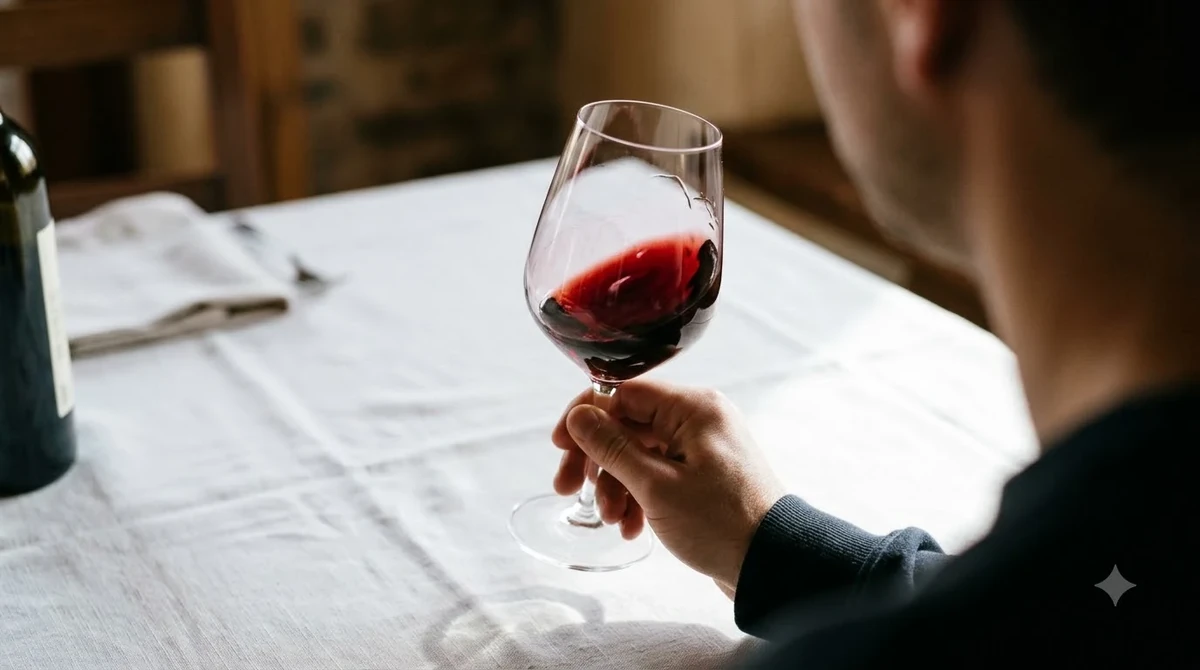
Allow the wine to warm slightly from cellar temperature and give it a few minutes in the glass before judging its full aroma. A first pour can seem closed or dominated by fruit; after brief contact with air, spice and tea-like notes may become easier to notice. Use a clear glass with enough room to swirl, and smell before and after the first sip. Focus on whether the wine feels fresh, ripe, savory, or spice-driven to your palate.
Vintage differences are normal. Weather, harvest timing, blending choices, and bottle age can shift the balance between cherry, plum, citrus-like lift, and spice. The 2013 and 2014 notes overlap without being identical, so treat tasting descriptions as a guide rather than a checklist.
Paso Robles and the California Rhône Connection
Sofia Red is associated with Paso Robles, a broad Central Coast appellation in northern San Luis Obispo County. The Paso Robles Wine Country Alliance describes a region with more than 40,000 vineyard acres, more than 200 wineries, and over 60 wine grape varieties. Its mix of topography, soils, and day-to-night temperature swings helps explain why the area can support both familiar California grapes and Rhône varieties such as Syrah.
The Alliance’s regional overview gives a sense of the appellation’s scale. These figures describe Paso Robles as a whole, not the specific vineyard sources of Sofia Red.
| Regional measure | Reported figure |
|---|---|
| Vineyard acreage | More than 40,000 acres |
| Wineries | More than 200 |
| Wine grape varieties | More than 60 |
| Total AVA area | About 612,000 acres |
| Approximate dimensions | 35 miles east–west; 25 miles north–south |
| Western boundary to Pacific Ocean | About 6 miles |
The Paso Robles AVA was established in 1983 and expanded in 1997 and 2009. According to the regional wine organization, the appellation covers about 612,000 acres and stretches roughly 35 miles from east to west and 25 miles from north to south. Its western boundary lies about six miles from the Pacific Ocean, although the vineyards sit inland of the Santa Lucia coastal mountains. That geography creates a variety of growing conditions within one named region, rather than a single uniform climate or soil type.
Soils add another layer of variation. The regional description identifies more than 30 soil series, from weathered granite and volcanic material to calcareous shale, sandstone, and mudstone. Reported soil pH values range from 7.4 to 8.6. You can read the Paso Robles Wine Country Alliance’s geography and climate overview for a fuller picture of the region’s scale and diversity.
Food Pairings That Suit Sofia Red
The wine’s fruit, spice, and rounded texture make it a flexible partner for savory dishes. The published pairing suggestions include grilled salmon, linguine with pesto, dark chocolate with cocoa nibs, pork tenderloin, roasted game hen, and white bean hummus. They suit a medium-weight red with grilled foods, herbs, poultry, pork, and bittersweet flavors.
For a straightforward dinner, try pork tenderloin with rosemary, roasted game hen, or grilled chicken with a browned skin. The savory flavors echo its spice notes, while the meat gives the fruit weight. If you use a glaze, keep it only gently sweet; the usual pairing principle is that a wine should be at least as sweet as the dessert or sauce. A very sugary coating can make a dry red taste harder and more bitter by comparison.
For a meatless meal, linguine with pesto is a natural match because its basil, garlic, and olive oil connect with the wine’s herbal and spice details. White bean hummus or roasted eggplant, mushrooms, and peppers can also work. Salt and fat soften tannin, so olive oil, aged cheese, or savory beans can make a structured red feel rounder. Strong vinegar or lemon can make a wine seem flatter unless it has equal or higher acidity.
Dark chocolate with cocoa nibs is another suggested match. Choose bittersweet chocolate and keep the portion modest so the wine’s fruit remains noticeable. Pair dessert with a wine at least as sweet as the food, so avoid sugary fillings. For grilled salmon, use a preparation with char, herbs, or a savory crust. Rich, oily fish can clash with highly tannic reds; a softer red and a restrained preparation make the pairing more plausible.
Tip: For a first pairing, pour Sofia Red with pork tenderloin or pesto pasta before trying it with a strongly sweet sauce or a rich, oily fish dish. These meals let its cherry, plum, and spice character stay in focus.
Serving Temperature, Glassware, and Storage
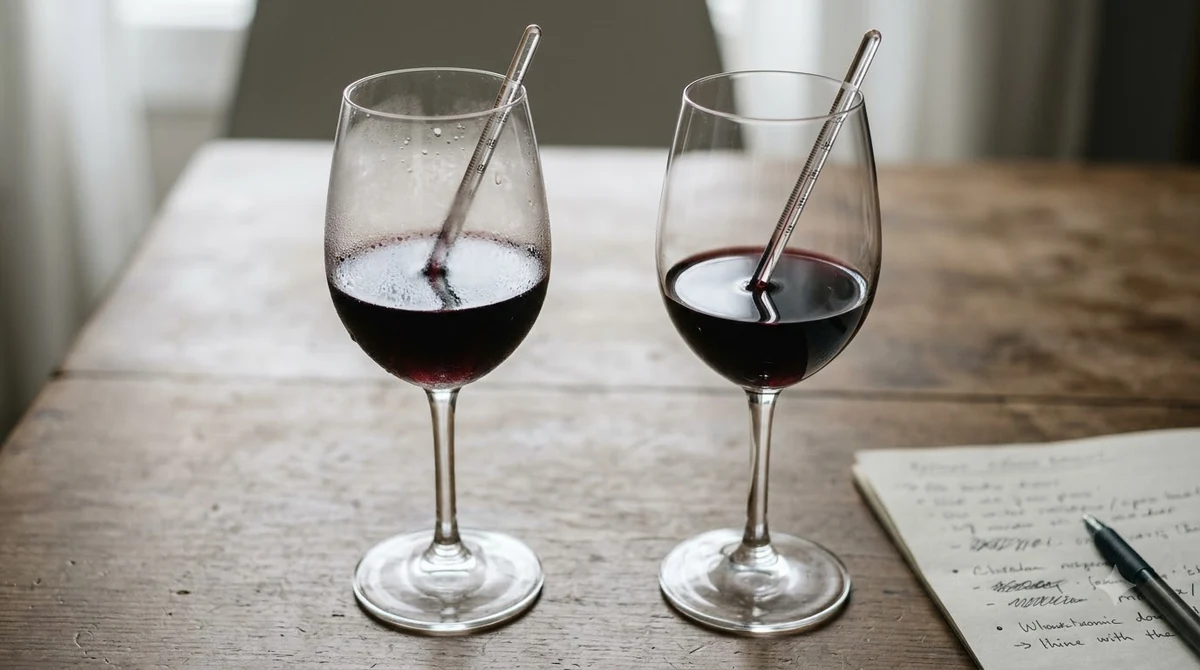
Serve Sofia Red slightly cool, around 55–60°F, a useful range for lighter reds. Excessive warmth can make alcohol seem prominent; too much chill can mute aroma and make tannin seem firmer. A warm room-temperature bottle will usually benefit from a short spell in the refrigerator before pouring.
Use a standard red-wine glass with room to swirl. A 5-ounce pour leaves space for aromas and gives about five glasses from a 750-milliliter bottle. You do not need an elaborate decanting setup for a wine described as soft and plush. Open the bottle, pour a small taste, and give it 10 to 15 minutes in the glass if the aromas seem restrained. If sediment is present in an older bottle, pour slowly and stop before the deposit enters the glass.
Store an unopened bottle on its side in a cool, dark place near 55°F, away from sunlight and temperature swings. Side storage helps keep a natural cork from drying out. A consistently cool interior closet is preferable to a sunny counter, the top of a refrigerator, or a cupboard beside an oven.
After opening, recork the bottle and refrigerate it. Most opened still wines are best within 3–5 days as fruit and aroma gradually fade. Let each serving warm in the glass instead of leaving the bottle on the counter. If the aroma becomes bruised, vinegary, or markedly dull, the wine has passed its best drinking window. For a bottle with mature age or unknown storage, check its condition with a small pour before planning a meal around it.
Frequently Asked Questions
These answers clarify the 2013 and 2014 vintage records, distinguish Sofia Red from Sofia Rosé, and explain the catalog categories used by Vivino and Wine.com.
Is Sofia Red Wine sweet or dry?
The published tasting notes describe fruit and spice but do not provide a residual-sugar figure for the red. Fruit aromas such as plum, cherry, and boysenberry do not by themselves mean a wine is sweet. Treat it as a fruit-forward red blend unless the specific bottle provides a different style description.
Is Sofia Red the same wine as Sofia Rosé?
No. Sofia Red is cataloged as a still red blend, while Sofia Rosé is a separate pink wine. An IWSC entry for the 2019 Sofia Rosé lists 50% Syrah, 30% Grenache, and 20% Pinot Noir, a different combination from the Syrah, Mourvèdre, and Grenache profile associated with Sofia Red.
Does Sofia Red contain sulfites?
The Vivino wine profile lists sulfites as an allergen. Sulfites occur naturally during fermentation and are also commonly used in winemaking to help protect wine from oxidation and microbial spoilage. Bottled wine labeling rules differ by country, so imported bottles may not present the same wording in every market.
Can Sofia Red be aged for several years?
The sources describing the listed 2013 and 2014 bottlings do not provide a formal cellaring window. A wine’s ability to improve with age depends on its acidity, tannin, concentration, closure, and storage history, not simply its red color or grape family. For an older bottle, reliable cool storage matters more than the age printed on the label.
Why do catalogs use different terms for Sofia Red?
Vivino classifies it as a Californian Rhône blend, while Wine.com groups it under other red blends. These are catalog categories rather than competing statements about the wine’s origin: both listings identify Paso Robles, California. The broader category leaves room for blends that do not fit a single-variety label.
Sofia Red is best understood as a Paso Robles still red blend with a soft texture, ripe fruit, and a fragrant spice profile. Start with a bottle whose vintage and details are clear, serve it lightly cool, and pair it with savory food such as pork, poultry, or pesto pasta. The Sofia name covers several distinct wines, so identifying the style is the simplest way to choose the right bottle for the occasion. For context on other labels and producers, see our overview of wine brands.
More in Wine Brands
 Underwood Wine Price: Compare Bottles, Cans, and Pack SizesUpdated Nov 21, 2026
 Zenato Wine Price: Compare Styles and Choose the Right BottleUpdated Nov 21, 2026
 Zuccardi Wine Price: Compare Bottles and Find the Right RangeUpdated Nov 21, 2026
 Yellow Tail Moscato Review: Taste, Sweetness and Serving TipsUpdated Nov 21, 2026
 Wolf Blass Yellow Label Review: Choose Your Best StyleUpdated Nov 21, 2026
 Wolffer Estate Rose Review: Choose the Right Bottle for Your TableUpdated Nov 21, 2026