

We may earn a commission when you buy through links on this page, at no extra cost to you. Learn more.
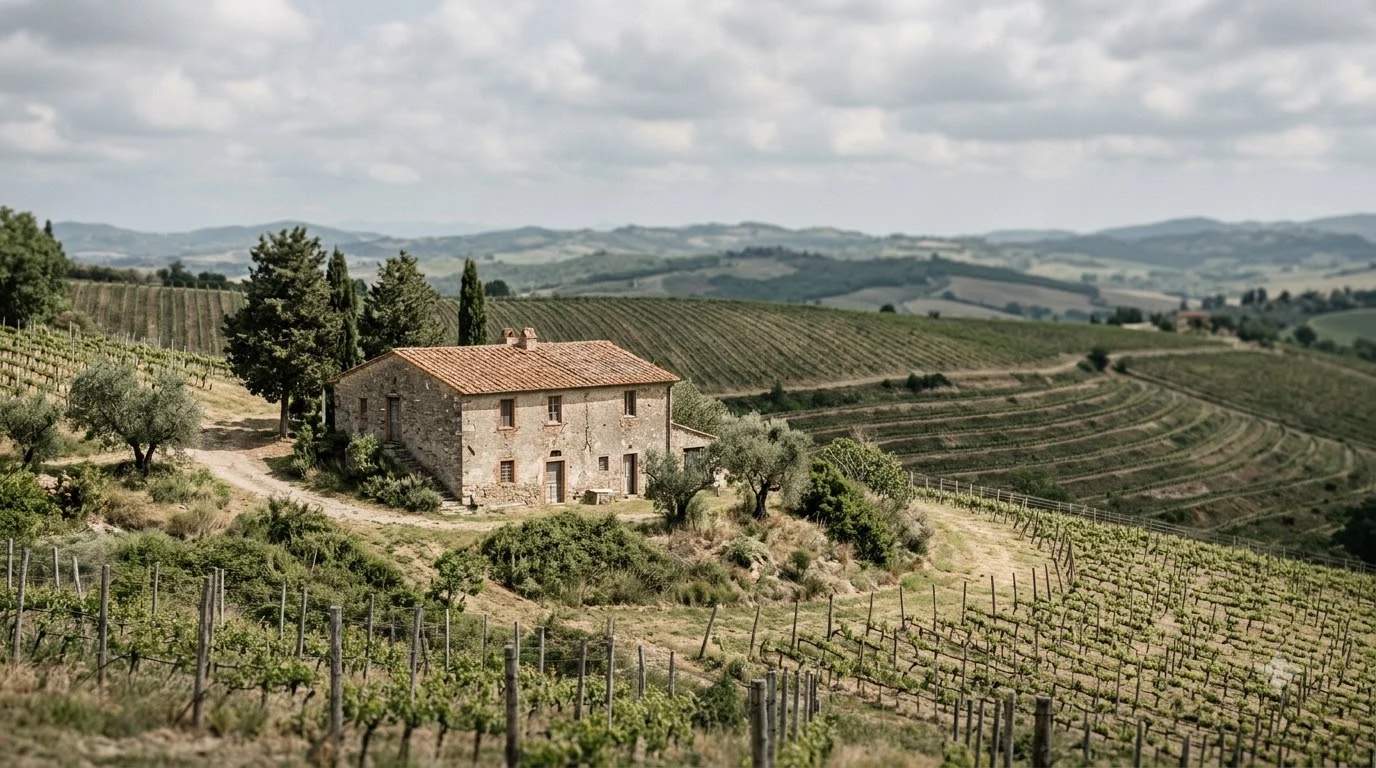
Serra Gaucha wine comes from the Serra Gaúcha highlands of Rio Grande do Sul in southern Brazil, a historic wine region known for Merlot, Chardonnay, Moscato and distinctive sparkling wines. Its temperate, relatively humid climate and rolling vineyard landscapes support a varied selection of red, white, rosé and sparkling styles. The region also includes recognized geographical indications, particularly Vale dos Vinhedos and Pinto Bandeira, that help distinguish wines associated with specific growing areas.
Brazil might not be the first country that comes to mind when shopping for wine, but Serra Gaúcha deserves attention from anyone interested in distinctive South American bottles. Its Italian-influenced wine culture, cool highland conditions and growing emphasis on geographical identity create an interesting alternative to more familiar wines from Argentina and Chile. Understanding its principal grapes, wine styles and appellations makes it easier to recognize what each bottle offers.
Where Serra Gaúcha Is Located and Why It Matters
Serra Gaúcha occupies the northeastern highlands of Rio Grande do Sul, Brazil’s southernmost state. Its combination of rolling hills, humid conditions and established wine-growing communities makes it one of the country’s most important destinations for both wine production and vineyard tourism.

The region’s wine history is closely connected to Italian immigration during the second half of the 19th century. Immigrant families brought grape-growing knowledge, culinary traditions and winemaking practices that helped establish a lasting local wine culture. What began largely as family-oriented production gradually developed into a commercial industry supported by wineries, cooperatives and specialized agricultural research.
Serra Gaúcha is not a single appellation with one uniform set of production rules. It is a broader wine-producing territory containing several recognized geographical indications, each with its own identity and production characteristics. Important wine-growing communities include Bento Gonçalves, Garibaldi, Monte Belo do Sul, Farroupilha, Flores da Cunha and Pinto Bandeira.
The area’s significance is also reflected in its tourism infrastructure. Winery visits, regional restaurants, vineyard accommodations and tasting experiences form an established part of the local economy. A University of São Paulo study examining wine tourism interviewed managers at 14 wineries, documenting how wine production and visitor experiences developed together.
For American wine drinkers, the most useful distinction is between the broader Serra Gaúcha region and the individual geographical indications within it. A bottle identified with Vale dos Vinhedos or Pinto Bandeira communicates a more specific geographical connection than a general Serra Gaúcha designation.
Climate, Soil and Vineyard Conditions
Serra Gaúcha’s growing environment differs from the hot, relatively dry conditions associated with several better-known South American wine regions. Its temperate climate, frequent moisture and rolling terrain influence grape development, acidity and the eventual character of the wines.
The region’s basalt-derived soils are an important part of its geological background. Basaltic parent material contributes to the area’s varied soil composition, while differences in slope, elevation and vineyard exposure create local variations in growing conditions. These differences matter because two vineyards in neighboring communities may experience different sunlight exposure, drainage and temperatures.
Rainfall is another important consideration. Serra Gaúcha is comparatively humid, which means vineyard management must account for moisture and potential fungal pressure. Canopy management, careful monitoring of grape health and the timing of harvest are important tools for maintaining fruit quality. Growers must balance sufficient ripeness with the preservation of natural acidity.
White grapes illustrate the influence of these conditions particularly well. The official geographical specification for Vale dos Vinhedos describes white grapes as generally retaining medium to high acidity and medium sugar levels compared with grapes from drier wine-growing areas. This helps explain why fresh, balanced white wines and sparkling wines are important regional categories.
The region’s landscape also includes considerable variation in vineyard slopes and exposures. The official Vale dos Vinhedos geographical specification identifies altitude, slope and hillside orientation as factors affecting the vineyard’s specific growing environment. Consequently, the region should not be treated as if every vineyard produces an identical wine style.
The Main Grapes Used in Serra Gaúcha Wine
Serra Gaúcha grows both red and white international varieties, with Merlot playing an especially important role in its fine-wine identity. Chardonnay and Moscato are also essential to understanding the region, particularly its sparkling-wine production.

Merlot
Merlot is one of the most recognizable red grapes from Serra Gaúcha. Its ability to produce balanced wines under local growing conditions has helped make it a regional reference. In Vale dos Vinhedos, Merlot is particularly important because it is required in the geographical indication’s regulated red wines.
Expect red-fruit aromas, moderate tannins, medium body and balanced acidity in many regional examples. Depending on ripeness, blending and maturation, flavors can include cherry, plum and subtle herbal notes. Oak-aged versions may also show vanilla, spice and toast.
Cabernet Sauvignon and Cabernet Franc
Cabernet Sauvignon brings firmer tannins and a more structured profile to the regional red-wine selection. Typical aromas include blackcurrant, dark cherry, herbs and sometimes green pepper. Cabernet Franc can contribute red fruit, herbal character and freshness, making it a useful blending partner.
Both grapes are permitted alongside Merlot in the regulated red wines of Vale dos Vinhedos. Their presence can change the balance between fruit, acidity and tannin without replacing Merlot’s central role in that appellation.
Pinot Noir
Pinot Noir is important in Serra Gaúcha, especially for sparkling wine. It contributes red-fruit aromas, freshness and structure. In still wines, expect lighter color, low-to-medium tannin and relatively high acidity compared with more powerful varieties such as Cabernet Sauvignon.
Chardonnay
Chardonnay is a leading white grape for both still and sparkling wines. Still examples can show apple, pear, citrus and stone-fruit character. Depending on fermentation and maturation choices, some wines have a creamier texture or gentle oak influence.
Chardonnay is also required in Vale dos Vinhedos DO white wines, where it may be blended with Riesling Itálico.
Moscato and Riesling Itálico
Moscato is especially important for aromatic wines and sweeter sparkling styles. Its recognizable floral and grape-like aromas make it appealing to drinkers who prefer expressive, fruit-forward wines.
Riesling Itálico, also known as Welschriesling, contributes to the region’s white-wine tradition. It can provide refreshing acidity and citrus-oriented character, and it is permitted in the regulated white wines of Vale dos Vinhedos.
| Grape | Typical wine character | Common regional role |
|---|---|---|
| Merlot | Red fruit, medium tannin, balanced acidity | Still red wine |
| Cabernet Sauvignon | Dark fruit, high tannin, firm structure | Red blends |
| Cabernet Franc | Red fruit, herbal notes, freshness | Red blends |
| Pinot Noir | Red fruit, high acidity, low-medium tannin | Still and sparkling wine |
| Chardonnay | Apple, pear, citrus, medium acidity | Still and sparkling wine |
| Moscato | Floral aromas, grape and citrus notes | Aromatic and sweet sparkling wine |
| Riesling Itálico | Fresh acidity, citrus and light fruit | White wine and blends |
These varieties provide a useful starting point when exploring Brazilian wine. For a wider comparison of international growing areas and their signature grapes, see our Wine Regions resource.
Red, White and Rosé Wine Styles
Serra Gaúcha produces several styles of still wine, but its most recognizable red-wine identity is closely connected to Merlot. Whites generally emphasize freshness, while rosé wines offer another expression of the region’s red grape varieties.
Regional red wines
Merlot is a sensible first choice for anyone exploring the region’s red wines. It commonly delivers medium body, moderate tannins and red-fruit flavors. Its softer structure makes it approachable without sacrificing enough character to be interesting alongside food.
Cabernet Sauvignon-based wines tend to be firmer and more structured. Their higher tannin levels can complement grilled beef, lamb and other protein-rich dishes. Blends that combine Merlot with Cabernet Sauvignon or Cabernet Franc may balance fruit intensity with additional structure and herbal complexity.
Pinot Noir offers a lighter alternative. Its higher acidity and lower-to-medium tannin make it suitable for poultry, mushrooms and dishes that would overwhelm a heavily structured red wine.
White wines
Chardonnay is the central variety to explore in the white-wine category. Unoaked examples tend to emphasize citrus, apple and pear, while wines receiving oak treatment or extended maturation can develop a fuller texture and notes of toast or vanilla.
Riesling Itálico provides a different profile, generally emphasizing freshness rather than richness. Moscato is the better choice for those who enjoy aromatic wines with floral and fruity character. The precise sweetness depends on the producer and style.
Rosé wines
Rosé offers a refreshing middle ground between red and white wines. Depending on the grape and winemaking method, expect strawberry, raspberry, cherry or citrus notes. Serve rosé at 45–50°F to preserve its freshness and aromatic character.
For a broader comparison with other American wine destinations, our articles on Red Hills wine and Santa Ynez Valley wine provide useful examples of how climate and grape selection shape regional identity.
Serra Gaúcha Sparkling Wine and Its Production Methods
Sparkling wine is one of Serra Gaúcha’s strongest categories, with Chardonnay, Pinot Noir and Moscato playing important roles. The region produces both traditional-method sparkling wines and aromatic styles, giving drinkers a choice between complexity and immediate fruit expression.
The traditional method involves a second fermentation inside the individual bottle. This creates the bubbles and allows the wine to develop additional character through contact with spent yeast cells, known as lees. Depending on the producer and maturation period, aromas can include bread crust, biscuit, nuts and citrus.
Chardonnay provides acidity and citrus character, while Pinot Noir contributes structure and red-fruit elements. Together, these varieties are well suited to dry sparkling wines intended for aperitifs, celebrations and meals.
Vale dos Vinhedos DO sparkling wines must use the traditional method and Chardonnay and/or Pinot Noir. The geographical specification also establishes a minimum of nine months of contact with yeast during sparkling production. Permitted sweetness classifications include Nature, Extra Brut and Brut.
Moscato sparkling wines
Moscato sparkling wines offer a different experience. They generally emphasize floral aromas, fresh grapes and citrus, with a sweeter profile than traditional-method Brut wines. Their expressive aromas make them particularly suitable for fruit desserts and lighter pastries.
Pinto Bandeira is another important place to look for sparkling wine. Its recognized production includes traditional-method sparkling wines made with varieties such as Chardonnay and Pinot Noir, alongside aromatic Moscato-based sparkling styles.
Tip: Serve Serra Gaúcha sparkling wine at 40–50°F. Choose Brut or Extra Brut for seafood, fried appetizers and salty snacks. For sweeter Moscato sparkling wine, pair the bottle with a dessert that has at least as much sweetness as the wine.
Prosecco provides a useful comparison, although the two styles should not be confused. Prosecco is made primarily from Glera and generally uses tank fermentation for its bubbles, while traditional-method sparkling wine develops its second fermentation inside the bottle. Serra Gaúcha producers work with both traditional and other sparkling-wine approaches, depending on the geographical indication and product category.
Understanding the Main Geographical Indications
Geographical indications help distinguish wines from particular Brazilian wine-growing territories. Serra Gaúcha includes several recognized areas, but Vale dos Vinhedos and Pinto Bandeira are particularly useful starting points for understanding how regional rules influence wine styles.
Vale dos Vinhedos
Vale dos Vinhedos is the region’s best-known geographical indication. It received Brazil’s first wine Indication of Origin in 2002 and became the country’s first wine Denomination of Origin in 2012.
The DO covers 72.45 square kilometers across Bento Gonçalves, Garibaldi and Monte Belo do Sul. Its production rules distinguish regulated white, red and sparkling wines through permitted grapes and production requirements. The official Embrapa Vale dos Vinhedos DO specification provides further details about the geographical boundaries and production standards.
Merlot is required for its regulated red wines, with Cabernet Sauvignon, Cabernet Franc and Tannat permitted as blending varieties. Chardonnay is required for white wines, with Riesling Itálico permitted in the blend. Traditional-method sparkling wines must use Chardonnay and/or Pinot Noir.
The minimum maturation requirements include six months for white wines and 12 months for red wines. The sparkling category requires at least nine months of yeast contact. These rules give consumers a more specific understanding of what a bottle bearing the DO designation represents.
Pinto Bandeira
Pinto Bandeira has an established reputation for sparkling wine and also produces dry reds and whites. Its landscape features steep, undulating slopes and enclosed valleys, giving the area a distinctive vineyard setting.
Its traditional-method sparkling wines may use Chardonnay, Pinot Noir, Riesling Itálico and Viognier. Moscato-based sparkling wines represent another important category, with aromatic grape varieties providing a sweeter alternative.
Altos Montes, Monte Belo and Farroupilha
Altos Montes, associated with Flores da Cunha and neighboring wine-growing areas, adds another recognized geographical identity to Serra Gaúcha. Monte Belo also has an established geographical indication, helping distinguish wines associated with its particular territory.
Farroupilha is especially associated with Moscato production. Its geographical indication highlights the importance of aromatic grape varieties within the broader regional wine industry.
These distinctions are useful because a general regional name does not communicate exactly the same production requirements as a specific geographical indication. For more details on other European wine-growing destinations, compare these areas with Puglia wineries, where local grape traditions and geographical identity also play an important role.
Food Pairings, Serving Temperatures and Storage
Serra Gaúcha wines are versatile at the table, particularly because the region produces fresh whites, medium-bodied reds and a range of sparkling wines. Matching the wine’s acidity, sweetness and tannin to the dish is more important than choosing food based on the grape name alone.
Pairing red wines
Merlot works particularly well with roasted chicken, grilled pork, mushroom risotto and moderately seasoned beef. Its medium tannins and softer structure complement savory dishes without overpowering them.
Cabernet Sauvignon is better suited to grilled steak, lamb and rich beef dishes. Its higher tannin levels work well with protein and fat, which soften the sensation of astringency. Cabernet Franc can complement roasted vegetables, herb-seasoned meats and tomato-based dishes.
Pinot Noir is a useful choice for roast poultry, salmon prepared without heavy sauces and mushroom dishes. Its higher acidity and lower-to-medium tannin provide a lighter structure than Cabernet-based wines. Avoid pairing tannic reds with oily fish because the combination can produce an unpleasant metallic impression.
Pairing white and sparkling wines
Chardonnay pairs naturally with roast chicken, grilled fish, creamy pasta and mild cheeses. Unoaked examples are particularly suitable for seafood, while fuller oak-influenced styles can handle richer dishes.
Riesling Itálico works with fresh salads, grilled vegetables and lighter seafood dishes. Moscato sparkling wine is especially suitable for fruit tarts, fresh berries and desserts. For sweet wines, the dessert should be no sweeter than the wine, or the wine may taste thin and overly acidic.
Traditional-method sparkling wine is versatile with oysters, shrimp, fried appetizers and salty cheeses. Its acidity and bubbles help refresh the palate between bites.
Serving and storage recommendations
Temperature has a noticeable effect on aroma and texture. Sparkling wine should generally be served between 40–50°F, while light whites and rosé benefit from 45–50°F. Fuller Chardonnay styles can be served slightly warmer, at 50–55°F.
For red wines, aim for 55–60°F for lighter Pinot Noir and 60–65°F for fuller-bodied reds. These temperatures are cooler than many typical indoor room temperatures, which can make red wine seem excessively alcoholic and heavy.
A standard serving is approximately 5 ounces, and a 750 ml bottle provides about five glasses. Once opened, refrigerate still wines and aim to drink them within three to five days. Sparkling wine generally retains its best qualities for one to three days when properly resealed and refrigerated.
Store unopened bottles on their sides in a cool, dark location near 55°F when using traditional cork closures. Avoid temperature fluctuations and direct sunlight, especially for sparkling wines and delicate whites.
Visiting Serra Gaúcha: Wine Tourism and Regional Culture
Serra Gaúcha is one of Brazil’s leading wine-tourism destinations, combining vineyard visits with regional food, historic communities and mountain scenery. Bento Gonçalves, Garibaldi and the surrounding wine-growing areas provide a practical starting point for visitors interested in tasting local wines.
Bento Gonçalves is particularly important because of its connection to Vale dos Vinhedos. Visitors can explore wineries, learn about grape-growing and winemaking, and compare regional Merlot, Chardonnay and sparkling wines. Many wine-focused experiences also include food pairings that reflect the area’s Italian heritage.
Garibaldi offers another perspective on the region’s sparkling-wine tradition. Its wine culture is closely associated with the development of sparkling production, and visitors can explore wineries that specialize in different fermentation and maturation techniques.
Farroupilha is a useful destination for anyone interested in Moscato. Its geographical indication is particularly associated with aromatic wines, making it a good place to compare sweeter sparkling styles with the region’s drier traditional-method bottles.
Pinto Bandeira is another worthwhile stop for visitors interested in traditional-method sparkling wines. Its landscape of hills and valleys provides a different visual experience from the more established vineyard routes around Bento Gonçalves.
Wine tourism in the region is not limited to formal tastings. Regional restaurants, family-owned establishments, local produce and cultural traditions all contribute to the experience. The University of São Paulo’s research on winery visitation identifies the relationship between wine production and tourism as a major factor in the area’s development.
The Rio Grande do Sul tourism authority’s Vale dos Vinhedos itinerary describes guided winery visits, commented tastings, food-and-wine dinners and other visitor experiences available along the route.
For a first visit, allow at least two days to explore a selection of wineries without rushing between appointments. Arrange tasting reservations in advance, particularly for smaller producers, and check whether a visit includes vineyard access, cellar tours or guided tastings. Transportation planning is also important because winery visits may involve several tastings in different locations.
The best approach is to organize visits around a particular wine interest. Merlot enthusiasts can concentrate on Vale dos Vinhedos, while sparkling-wine fans may prefer including Pinto Bandeira and Garibaldi. Moscato enthusiasts should also consider Farroupilha.
Frequently Asked Questions
Is Serra Gaúcha wine made from European grape varieties?
Yes. The fine-wine sector uses varieties belonging to Vitis vinifera, including Merlot, Cabernet Sauvignon, Chardonnay and Pinot Noir. The wider Brazilian grape industry also grows American and hybrid varieties, which have different uses in table wine and grape-juice production.
What does IP mean on a Brazilian wine label?
IP stands for Indicação de Procedência, or Indication of Origin. It recognizes an area with an established reputation for producing a particular product. Brazil also uses Denominação de Origem, or DO, which connects a product’s characteristics more specifically to its geographical environment and human production practices.
Can Serra Gaúcha wines be aged for several years?
Some can. Structured Cabernet Sauvignon blends and carefully produced Merlot wines may develop additional complexity with bottle age, while traditional-method sparkling wines can also gain more developed aromas through maturation. However, many aromatic Moscato wines and fresh whites are intended to be enjoyed relatively young.
Is Serra Gaúcha wine available in the United States?
Brazilian wines are exported internationally, although selection varies between distributors and retail markets. Specialist wine shops and retailers with international wine selections are useful places to investigate. Brazilian sparkling wine is a particularly interesting category to look for because it offers an alternative to more familiar European and South American labels.
What language appears on Serra Gaúcha wine labels?
Portuguese is the primary language used on domestic Brazilian wine labels. Useful terms include vinho tinto for red wine, vinho branco for white wine, espumante for sparkling wine and brut for a dry sparkling style. Denominação de Origem and Indicação de Procedência identify the corresponding geographical-origin classifications.
Serra Gaúcha offers a compelling introduction to Brazilian wine, from Merlot and Chardonnay to distinctive traditional-method sparkling wines. Its geographical indications provide useful clues about origin and production, while its established wine-tourism culture makes the region especially rewarding to explore. For anyone interested in discovering something beyond the familiar wines of Argentina and Chile, this southern Brazilian wine region deserves a place on the shortlist.
More in Wine Regions
 Willcox Wine Trail: Discover Arizona’s High-Elevation Wine CountryUpdated Nov 20, 2026
 Yakima Valley Wine Region: Find the Best Styles to TryUpdated Nov 20, 2026
 Vosne Romanee Wine Tasting: Identify Aromas and Choose Better PairingsUpdated Nov 20, 2026
 Yakima Valley Wine Festival: Find the Best Seasonal Wine EventsUpdated Nov 20, 2026
 Wales Vineyards: Discover Cool-Climate Wines and Where to VisitUpdated Nov 20, 2026
 Yountville Wine Festival: Discover Napa Wines and Local FoodUpdated Nov 20, 2026