

We may earn a commission when you buy through links on this page, at no extra cost to you. Learn more.
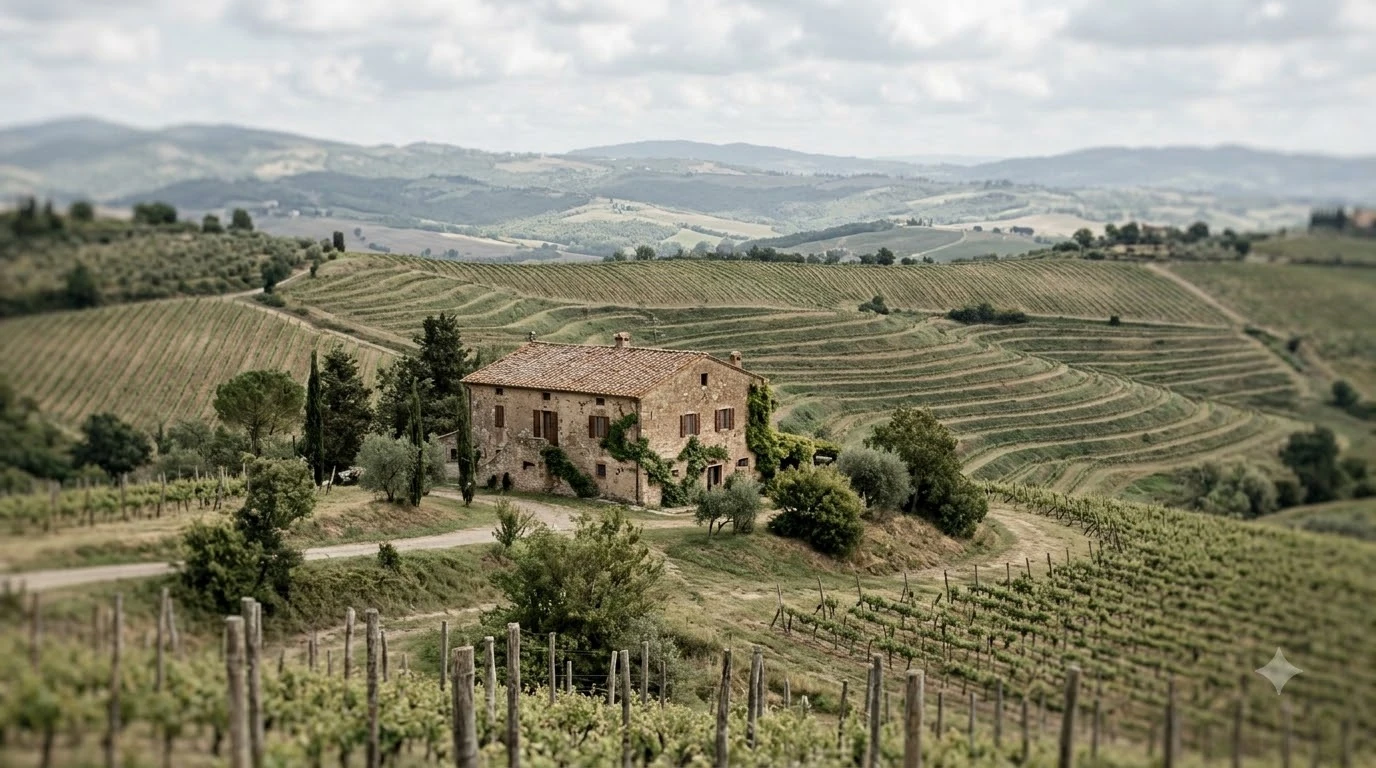
Serbia wine country offers a fascinating mix of historic vineyards, indigenous grapes, and distinctive wines shaped by the country’s continental climate and diverse landscapes. From the northern slopes of Fruška Gora to the southern vineyards of Župa and the eastern wine cellars of Negotin, Serbia produces aromatic whites, expressive reds, and increasingly ambitious contemporary wines. Its best-known native varieties include Prokupac, Tamjanika, Vranac, and Smederevka. For wine lovers interested in discovering something beyond familiar European appellations, Serbia offers plenty of regional character and grape varieties worth exploring.
Serbia occupies an important position in the Balkan wine landscape, with vineyards distributed across northern plains, central hills, and warmer southern valleys. Its winemaking traditions reach back through Roman and medieval periods, while a newer generation of independent producers is bringing renewed attention to native grapes and regional identity. Understanding the country’s main wine-growing areas makes it easier to appreciate the differences between its bottles, plan winery visits, and select Serbian wines for the dinner table.
Serbia’s Wine Geography, Climate, and Winemaking Heritage
Serbian wine reflects a combination of continental weather patterns, varied elevations, river influences, and centuries of agricultural tradition. The country’s northern vineyards generally favor refreshing white wines, while warmer southern locations are particularly suitable for ripe red varieties and more structured styles.
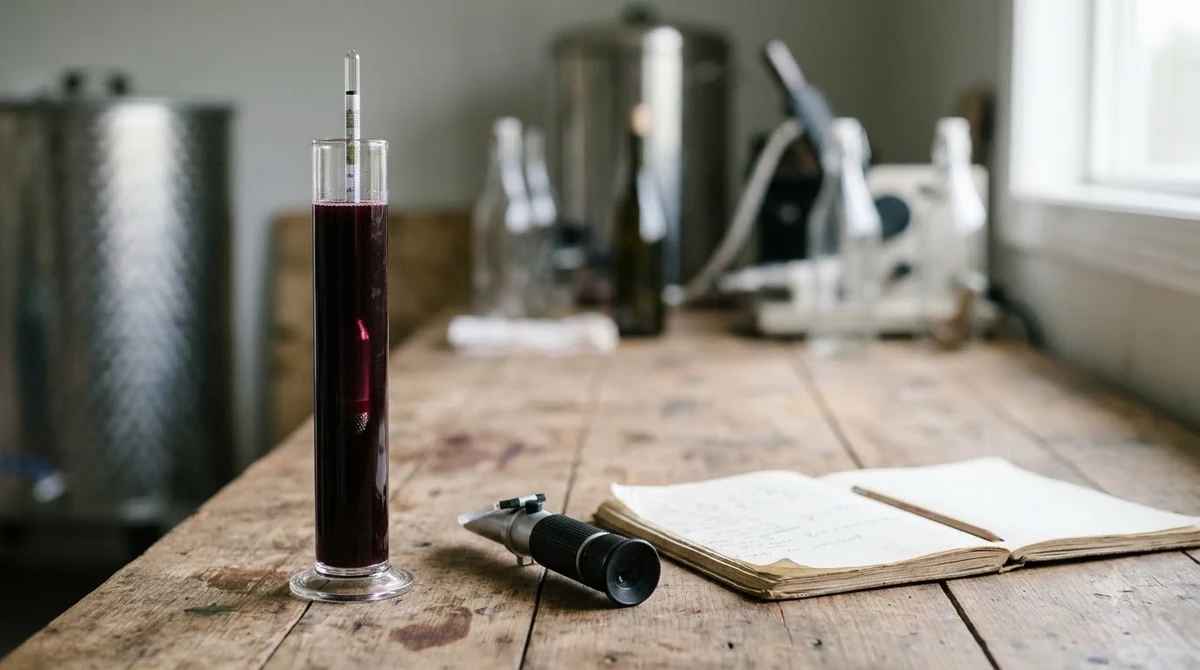
Serbia’s position in southeastern Europe gives it a predominantly temperate continental climate. Summers can be warm, winters are relatively cold, and seasonal differences influence how grapes ripen. Rainfall, sunshine, and local air circulation vary between vineyard areas. The Danube and its tributaries also contribute to regional growing conditions, creating differences between river valleys, exposed hillsides, and inland locations.
Soil diversity adds another important dimension. Fruška Gora, for example, contains limestone, schist, flysch, clay, and gravel. These geological differences help explain why neighboring vineyards can produce wines with noticeably different textures and expressions. In sandy northern locations, wines may emphasize freshness and lighter structure, while hillside vineyards can produce grapes with greater concentration.
Serbia’s historical connection with wine is substantial. Wine cultivation developed during Roman rule and continued through Byzantine and medieval Serbian periods. Monasteries played an important role in preserving agricultural and winemaking traditions, particularly during the medieval era. The country’s wine industry later experienced setbacks, including phylloxera in the late nineteenth century and changes in agricultural priorities during the twentieth century.
The contemporary industry combines family-owned cellars, restored vineyards, and newly established wineries. Independent producers increasingly focus on regional grapes, careful vineyard management, and smaller production methods. Some use stainless steel to preserve freshness, while others experiment with oak, extended skin contact, and low-intervention techniques. These approaches create a broad selection of styles rather than a single recognizable Serbian wine profile.
Visitors comparing Serbia with established American wine destinations may also find useful parallels in Yadkin Valley wine country, where regional geography and grape selection similarly shape local wine identities.
The Major Wine Regions of Serbia
Serbia’s wine-growing areas differ in climate, landscape, grape selection, and winemaking traditions. Five particularly useful starting points are Vojvodina, Fruška Gora, Šumadija, the Morava Valley, and Negotin, with Župa and Toplica providing additional insight into the country’s indigenous red wines.
Vojvodina and Fruška Gora: Northern Serbia offers some of the country’s most accessible wine destinations. Vojvodina’s Pannonian plains support white grapes such as Grašac, also known as Welschriesling, alongside international varieties. Fruška Gora is particularly interesting because its combination of hills, varied soils, and established wine culture supports both traditional and experimental producers. The area is also convenient for visitors staying in Novi Sad.
Šumadija: Located in central Serbia, Šumadija is known for rolling hills and a mixture of indigenous and international grapes. Cabernet Sauvignon, Merlot, Chardonnay, and Sauvignon Blanc appear alongside local varieties. The region is particularly useful for comparing familiar international styles with Serbian expressions of aromatic white grapes and structured reds. Aleksandrović is among the wineries associated with the area’s contemporary wine identity.
The Morava Valley and Three Moravas: The central and southern river valleys are important for aromatic white wines, particularly Tamjanika. Vineyards benefit from varied slopes and local growing conditions that influence ripeness and freshness. The broader Three Moravas wine area connects several historically important vineyard communities and provides opportunities to compare different interpretations of indigenous varieties.
Župa and Toplica: These southern and central-southern areas are especially important for Prokupac. Župa, around Aleksandrovac, has a strong historical association with winemaking, while Toplica includes vineyards around Prokuplje. Producers in these areas make both fresh, fruit-driven Prokupac and more concentrated, structured versions.
Negotin Valley: Eastern Serbia offers another distinctive wine landscape. Its hilly vineyards, changing soil types, and proximity to the Danube contribute to local growing conditions. Negotin is also known for traditional wine cellars, making the area interesting for visitors who want to explore the architectural and cultural history of Serbian winemaking.
The regions are spread across the country, so a visit to every important wine destination requires more than one short excursion. Travelers interested in comparing regional wine cultures in the United States can also explore Hill Country vineyards, where winery visits are similarly connected with regional food and landscape.
Native Serbian Grapes and the Wines They Produce
Indigenous and locally established grapes are among the strongest reasons to explore Serbian wine. Prokupac and Tamjanika are the two essential names to remember, while Vranac and Smederevka provide additional examples of the country’s red and white wine traditions.
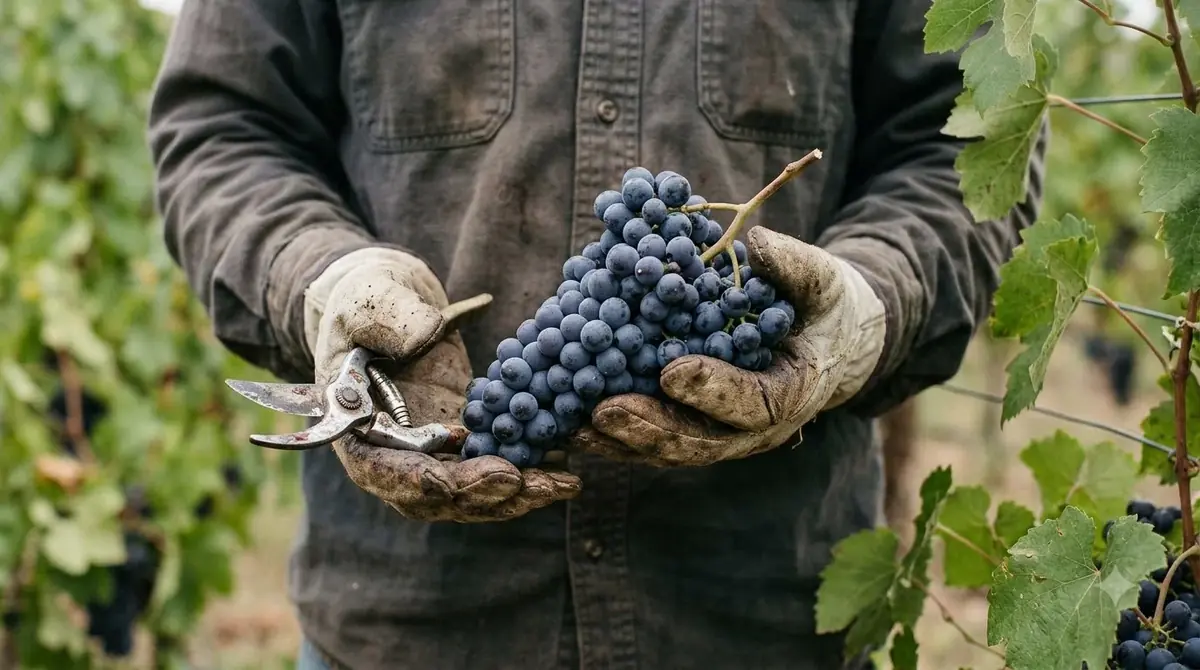
Prokupac is Serbia’s best-known indigenous red grape. Historically associated with southern and central Serbian vineyards, it has experienced renewed attention from producers interested in preserving local varieties. Its wines can show red berries, ripe plum, spice, and earthy details. Acidity is an important part of its structure, while tannins range from moderate to firmer depending on ripeness and winemaking.
Prokupac is not limited to one particular style. Fresh, unoaked examples can be relatively approachable, with lively fruit and a softer texture. More concentrated versions may spend time in oak and develop deeper flavors, greater structure, and additional complexity. Some producers also use Prokupac for rosé, offering a lighter introduction to the variety.
Tamjanika is an aromatic white grape closely associated with Serbian wine identity. It belongs to the Muscat family and is recognized for floral aromas, particularly jasmine, alongside tropical fruit and citrus-like impressions. Depending on the producer, it can be made as a fresh, dry white or in a more expressive style with additional texture.
Tamjanika is particularly important in the Morava Valley and Šumadija, although it appears in other Serbian wine areas as well. Its aromatic character makes it a useful choice for people who enjoy fragrant white wines. Dry versions work especially well with fresh herbs, grilled vegetables, mild cheeses, and dishes featuring citrus or aromatic sauces.
Vranac is a dark-skinned Balkan grape that also has a significant presence in Serbia. It typically produces fuller-bodied reds with intense fruit character. Depending on the growing conditions and cellar approach, these wines may show dark berries, plum, spice, and substantial tannin. Vranac is a useful option for drinkers who enjoy powerful red wines and richer meals.
Smederevka is a white grape associated with refreshing acidity and a relatively light, neutral profile. Its versatility makes it suitable for straightforward fresh whites and certain blends. Rather than relying on intense aromatic character, Smederevka often provides freshness and balance.
Other grapes add further variety. Grašac, the local name for Welschriesling, is widely grown in northern Serbia. Furmint, Frankovka, Kadarka, and international varieties such as Cabernet Sauvignon and Chardonnay also contribute to the country’s wine selection. Some producers work with less common grapes including Bakator and Sremska Zelenika, helping preserve varieties that might otherwise receive little commercial attention.
| Grape variety | Color | Typical characteristics | Important growing areas |
|---|---|---|---|
| Prokupac | Red | Red berries, plum, spice, fresh acidity | Župa, Toplica |
| Tamjanika | White | Jasmine, tropical fruit, floral aromas | Morava Valley, Šumadija |
| Vranac | Red | Dark fruit, full body, firm structure | Southern Serbia |
| Smederevka | White | Fresh acidity, light and neutral character | Central Serbia |
| Grašac | White | Fresh fruit, balanced acidity, versatility | Vojvodina, northern Serbia |
| Furmint | White | Stone fruit, acidity, mineral impressions | Fruška Gora, Vojvodina |
| Frankovka | Red | Red fruit, freshness, moderate structure | Northern Serbia |
These grapes offer a useful framework for exploring Serbian wine without needing to memorize every regional appellation. For a first tasting, compare a dry Tamjanika with a Prokupac. The contrast between aromatic white fruit and structured red fruit provides a straightforward introduction to the country’s wine identity.
Serbian Wineries and the Modern Wine Movement
Serbia’s contemporary wine scene includes historic family properties, small independent estates, and producers experimenting with organic farming and less intervention in the cellar. The most interesting wineries often combine local grapes with a clear sense of place rather than relying exclusively on international varieties.
Aleksandrović is associated with Šumadija and is particularly relevant for visitors interested in the region’s modern wine development. The winery is connected with Tamjanika and other grape varieties grown in central Serbia. Its wines provide an opportunity to explore how regional producers approach both indigenous and internationally recognized grapes.
Basha Vino operates in Fruška Gora, where Bojan Baša works with several varieties, including Prokupac, Morava, Pinot Grigio, Tamjanika, and Furmint. The estate’s vineyards are located in the historic Matej vineyard area. Its approach combines local grape varieties with a more experimental interpretation of white wine production, including skin contact.
Oszkar Maurer is an important name for wine drinkers interested in low-intervention production. His work across Fruška Gora and Subotica includes organic and biodynamic practices, along with efforts to revive less common grape varieties such as Bakator and Sremska Zelenika. His wines illustrate how forgotten or overlooked grapes can become part of a contemporary regional identity.
Kostić is based in the Toplica wine region near Prokuplje. The winery focuses particularly on Prokupac and works with inherited vineyards that include limestone soils. Its approach demonstrates how a producer can build a distinctive identity around a single indigenous grape rather than depending on internationally familiar red varieties.
These examples represent different approaches rather than a complete ranking of Serbian producers. Some emphasize recognizable varietal styles, while others explore skin contact, native grapes, organic farming, and minimal cellar intervention. Visitors should consider what kind of wine experience they want before choosing a winery.
For more background on the changing Serbian wine scene, Wine Enthusiast’s overview of Serbian wine producers and native varieties provides additional producer profiles and historical context.
Serbian Food Pairings and How to Serve the Wines
Serbian wines are particularly enjoyable alongside the country’s traditional cuisine, which includes grilled meats, roasted vegetables, cured specialties, fresh cheeses, and hearty baked dishes. Matching the weight, acidity, tannin, and sweetness of the wine with the food is more useful than choosing a bottle solely by grape name.
Prokupac is a natural companion for grilled meats, ćevapi, roasted pork, lamb, and mushroom dishes. Its acidity can refresh the palate between bites, while moderate to firmer tannins work well with protein-rich foods. Salt and fat also soften tannin, making traditional grilled dishes especially suitable for structured red wines.
Vranac is generally better suited to richer preparations. Try it with slow-roasted lamb, beef, smoked meats, or dishes featuring paprika and roasted peppers. Its fuller body and darker fruit character can stand up to substantial flavors. However, very hot chili dishes can make alcoholic, tannic reds feel more aggressive, so moderately spiced food is usually a better match.
Tamjanika offers more flexibility with lighter meals. Pair dry examples with grilled fish, fresh cheeses, vegetable dishes, salads, and herb-seasoned poultry. Its aromatic profile can complement fragrant ingredients, while its acidity helps balance dishes with oil or creamy elements.
Smederevka and Grašac are useful choices for everyday meals involving white fish, roast chicken, fresh salads, and mild cheeses. Their refreshing character can balance salt and moderate richness without overwhelming delicate ingredients.
Serving temperatures and glassware
Serving temperature can change how Serbian wines express their aromas and structure. A fragrant Tamjanika should be cool enough to preserve freshness but not so cold that its floral character disappears. Fuller reds should receive a little less chilling than lighter reds, while structured Prokupac benefits from a temperature that allows its fruit and tannins to show clearly.
| Wine style | Recommended temperature | Serving suggestion |
|---|---|---|
| Light Serbian whites | 45–50°F | Serve with fish and fresh cheeses |
| Fuller-bodied whites | 50–55°F | Allow aromatic and textured wines to open |
| Light red wines | 55–60°F | Suitable for fresher Prokupac styles |
| Full-bodied red wines | 60–65°F | Suitable for structured Vranac and Prokupac |
| Rosé wines | 45–50°F | Serve chilled with lighter meals |
A standard wine pour is approximately 5 ounces, and a 750-milliliter bottle provides about five glasses. Young, full-bodied reds may benefit from 30–60 minutes of decanting, especially when their tannins are pronounced. Once opened, still wines generally keep for 3–5 days in the refrigerator when properly sealed.
Tip: When comparing Serbian wines, taste the white and red examples at the same winery before moving to another producer. Start with Tamjanika or Grašac, then move to Prokupac or Vranac. This makes regional differences easier to recognize and prevents stronger red wines from overwhelming delicate aromatic whites.
Planning a Serbian Wine Country Visit
A successful Serbian wine trip begins with choosing a manageable geographic area rather than attempting to visit every vineyard in one journey. Fruška Gora is a convenient starting point for travelers based in Novi Sad, while Šumadija, Župa, and Negotin are better suited to longer excursions.
Start in Novi Sad and Fruška Gora. Novi Sad provides a practical base for exploring northern Serbia’s wine culture. Visitors can combine winery appointments with local restaurants, historic sites, and the surrounding national park landscape. Fruška Gora is particularly useful for people who want to visit several producers without making a major cross-country journey.
Continue toward Šumadija. Central Serbia provides a different perspective, with rolling hills, established estates, and a mixture of international and native varieties. Aleksandrović is a useful name to research when arranging a visit. The region also offers opportunities to compare Tamjanika with Cabernet Sauvignon, Merlot, and other familiar grapes.
Explore Župa and Toplica for Prokupac. These areas deserve attention from travelers who want to understand Serbia’s indigenous red wine traditions. Aleksandrovac and Prokuplje are useful reference towns when planning a route. Winery visits here can reveal the differences between lighter Prokupac styles and more structured examples.
Reserve time for eastern Serbia. Negotin offers a different combination of vineyards, historic cellars, and traditional wine culture. Its wine-growing landscape is particularly interesting for visitors who want to explore areas beyond the better-known northern and central destinations. The journey is more suitable for a dedicated regional itinerary than a quick day trip.
Spring through autumn generally provides the most comfortable conditions for exploring vineyards and arranging outdoor activities. Harvest season is particularly interesting because it brings visitors closer to the agricultural side of winemaking, although winery schedules can become busy. Late spring and early autumn are useful alternatives for people who prefer vineyard scenery without the busiest harvest period.
Contact wineries before traveling. Many Serbian producers operate smaller estates, and tasting appointments may need to be arranged in advance. Ask whether the visit includes a vineyard tour, a guided tasting, food, and a selection of native grapes. If you are particularly interested in Prokupac or Tamjanika, mention those varieties when making the reservation.
Plan transportation carefully, especially if several tastings are scheduled for the same day. Distances between wine regions can be substantial, and rural winery locations may not have convenient public transportation. A private driver or organized wine tour can make the itinerary easier to manage. Allow enough time between appointments rather than trying to fit too many wineries into one afternoon.
Travelers interested in comparing Serbia with American regional wine destinations can also read about Pennsylvania wine country, where regional producers and local agricultural traditions similarly shape the visitor experience.
Frequently Asked Questions
Does Serbia have protected wine appellations?
Yes. Serbia uses geographical indications and protected-origin designations to identify wines connected with particular growing areas. The Srem–Fruška Gora designation is one example of a recognized regional identity. Appellation information can help consumers distinguish wines with a defined geographical origin from broader country-level bottlings.
What does Grašac mean on a Serbian wine label?
Grašac is the Serbian name commonly used for Welschriesling, a white grape grown in several Central and Eastern European wine regions. It should not be confused with Italian Riesling, which is a different variety. The name is particularly useful when comparing Serbian white wines with bottles from neighboring countries.
Are there natural and orange wines in Serbia?
Yes. Some Serbian producers use extended skin contact for white grapes, producing amber or orange-colored wines with additional texture and tannin. Producers such as Basha Vino and Oszkar Maurer are associated with experimental and low-intervention approaches. These wines offer a different experience from conventional stainless-steel whites.
Can Serbian wine be found outside Europe?
Serbian wines are exported to international markets, including specialist wine retailers and restaurants in North America. Availability varies by producer, importer, and local distribution arrangements. Restaurants specializing in Balkan cuisine can be particularly useful places to discover lesser-known Serbian labels.
What is the traditional Serbian wine cellar called?
Traditional Serbian wine cellars are commonly called pimnice. The historic wine-cellar complex at Rajac, near Negotin, is especially associated with this architectural tradition. These stone cellar buildings reflect the importance of wine storage and production in the area’s rural heritage.
Serbia deserves attention from wine drinkers interested in distinctive European regions, native grape varieties, and producers combining historical traditions with contemporary techniques. Start with Tamjanika and Prokupac, then explore Fruška Gora, Šumadija, Župa, and Negotin to understand how different landscapes shape the country’s wines. Whether discovering Serbian bottles at a wine shop or visiting the vineyards themselves, these regional differences provide a rewarding introduction to one of the Balkans’ most interesting wine cultures.
More in Wine Regions
 Willcox Wine Trail: Discover Arizona’s High-Elevation Wine CountryUpdated Nov 20, 2026
 Yakima Valley Wine Region: Find the Best Styles to TryUpdated Nov 20, 2026
 Vosne Romanee Wine Tasting: Identify Aromas and Choose Better PairingsUpdated Nov 20, 2026
 Yakima Valley Wine Festival: Find the Best Seasonal Wine EventsUpdated Nov 20, 2026
 Wales Vineyards: Discover Cool-Climate Wines and Where to VisitUpdated Nov 20, 2026
 Yountville Wine Festival: Discover Napa Wines and Local FoodUpdated Nov 20, 2026