

We may earn a commission when you buy through links on this page, at no extra cost to you. Learn more.
Seneca Lake wine country is a leading cool-climate wine destination in New York’s Finger Lakes, best known for expressive Riesling, Pinot Noir, Cabernet Franc, sparkling wine and scenic vineyard estates. Its deep glacial lake moderates temperatures, helping grapes ripen in a region with challenging winters and a relatively short growing season. Visitors can explore dozens of wineries along both shores, discover different Riesling styles and combine tastings with lakeside dining, outdoor activities and visits to nearby towns.
Located between Geneva and Watkins Glen, Seneca Lake is one of the most distinctive wine-growing areas in the northeastern United States. Its combination of deep water, sloping vineyards, varied soils and established winemaking traditions creates wines with freshness, aromatic detail and a recognizable cool-climate character. Whether you are planning a weekend in the Finger Lakes or simply looking for an alternative to more familiar American wine regions, Seneca Lake offers plenty to explore.
Understanding the Seneca Lake Wine Region and Its Geography
Seneca Lake’s geography is central to its reputation as a wine-growing destination. The lake creates a more moderate environment for surrounding vineyards, while the slopes and soils provide several different growing conditions within a relatively compact area.
Seneca Lake is approximately 38 miles long, reaches a maximum depth of about 618 feet and has a maximum width of roughly 3 miles. It is the deepest of New York’s Finger Lakes. The northern end is associated with Geneva, while Watkins Glen marks the southern end. Vineyards extend along both sides of the water, creating a long, scenic corridor of agricultural land, tasting rooms and rural communities.
The Seneca Lake American Viticultural Area, or AVA, was established in 2003 within the larger Finger Lakes AVA. According to the Seneca Lake Wine Trail, the designated area covers approximately 320 square miles. The Finger Lakes AVA itself dates to 1982. These designations recognize the area’s particular growing conditions and help distinguish wines produced within the region.
One of the most important geographic advantages is the lake’s ability to store and release heat. During colder months, the water helps moderate winter temperatures. In spring, it can delay premature vine growth, reducing the risk of frost damage. During autumn, retained warmth can help protect grapes as temperatures begin to fall. This effect is especially important in a cool-climate region where growing conditions can change quickly.
The hillsides surrounding the lake also contribute to vineyard conditions. Slopes encourage cold air to drain away from vines rather than collecting around them. Water can move through well-drained soils, helping growers manage vineyard conditions. Shale, clay silt loam and gravel are among the soil types identified in the AVA. Differences in elevation, exposure and soil composition allow producers to cultivate different varieties and develop distinct wine styles.
The eastern side of the lower lake is sometimes called the Banana Belt because certain vineyard areas experience comparatively warmer conditions. This local variation illustrates why two vineyards relatively close to one another can produce different results, even when they grow the same grape variety.
These geographic characteristics make Seneca Lake an interesting destination for visitors who want to understand how climate and vineyard location influence wine. The same lake that defines the scenery also plays a practical role in determining which grapes can thrive there.
Riesling and the Signature Wines of Seneca Lake
Riesling is the grape to prioritize when exploring Seneca Lake. The region is particularly associated with aromatic white wines that combine lively acidity, recognizable fruit character and a range of sweetness levels.
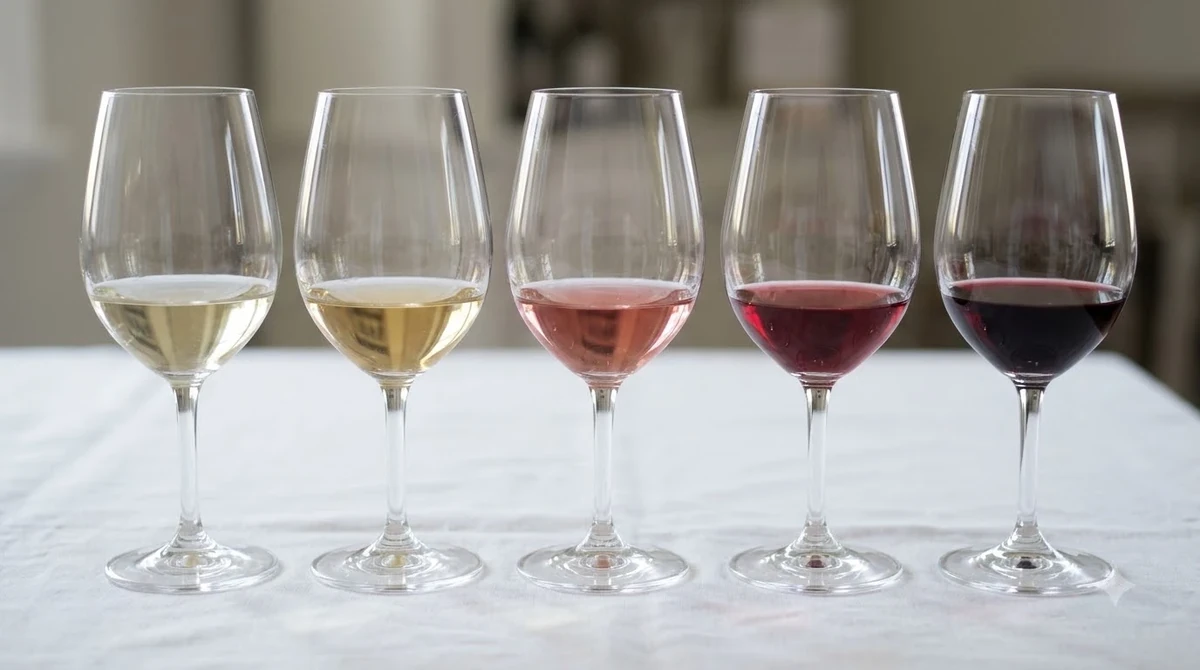
Seneca Lake Riesling can range from completely dry to noticeably sweet. Dry versions often emphasize citrus, green apple, pear and mineral-like impressions. Off-dry bottlings can show peach, ripe apple and floral aromas, with a small amount of residual sugar balancing the wine’s acidity. Sweeter examples offer richer fruit impressions while retaining freshness.
This range makes Riesling especially useful when comparing producers. Two wineries might grow the same variety but produce different expressions through harvest decisions, fermentation choices and the amount of residual sugar retained. Some producers favor a crisp, dry profile, while others make wines that highlight the grape’s ability to balance sweetness and acidity.
For a first tasting, try three styles side by side: a dry Riesling, an off-dry Riesling and a sweeter bottling. Notice how the acidity changes your perception of sweetness. A wine with noticeable residual sugar can still feel refreshing when its acidity is sufficiently high.
Pinot Noir is another important variety. This grape generally produces lighter-bodied reds with lower-to-medium tannin and relatively high acidity. Seneca Lake examples can show red cherry, raspberry, cranberry and earthy characteristics. They are particularly appealing to drinkers who prefer fresher red wines rather than heavily extracted, high-tannin styles.
Cabernet Franc deserves attention as well. It can offer red fruit, herbal notes, pepper and moderate tannin. The grape has an important place in the Finger Lakes because it can produce characterful reds under cooler growing conditions. Depending on ripeness and winemaking decisions, the finished wine may be lighter and more aromatic or more concentrated and structured.
Chardonnay provides another useful comparison. Some examples emphasize apple, citrus and acidity, while others have a rounder texture from malolactic fermentation or oak maturation. Gewürztraminer and Pinot Gris broaden the white-wine selection, with Gewürztraminer particularly recognizable for its floral and aromatic character.
Sparkling wine and ice wine also contribute to the area’s identity. Sparkling wines can showcase the region’s natural acidity, while ice wine is made from grapes that freeze naturally on the vine, concentrating sugars and flavors. These styles offer visitors something different from the familiar dry Riesling and red-wine selections.
For a broader introduction to grape varieties, wine styles and regional terminology, explore our guide to Wine Regions.
Winemaking History and Notable Seneca Lake Producers
Seneca Lake’s modern wine identity developed through experimentation, investment in European grape varieties and the growth of independent wineries. Understanding this history helps explain why Riesling and other vinifera varieties have become so important to the region.
The Finger Lakes wine industry has a history extending well beyond the modern tasting-room era. According to the Finger Lakes Wine Alliance, Reverend William Bostwick planted a vineyard in Hammondsport in 1829. The region subsequently developed a commercial wine industry, with Pleasant Valley Wine Company becoming the area’s first bonded winery in 1860. For additional historical context, the Finger Lakes Wine Alliance’s regional history documents the people and developments behind the area’s vinifera wine industry.
A particularly important period for Seneca Lake came during the 1960s and 1970s, when winemakers and vineyard pioneers increasingly explored European grape varieties. Dr. Konstantin Frank founded Vinifera Wine Cellars in 1962, helping establish confidence in the potential of varieties such as Riesling in the cold northeastern climate.
In 1970, Charles Fournier planted 20 acres of vinifera grapes on the eastern side of Seneca Lake. During the same year, German-born Hermann Wiemer purchased and planted 140 acres on the western side. These developments helped establish the foundation for the region’s modern premium-wine identity.
Glenora Wine Cellars became the first winery on Seneca Lake in 1978. Wagner Vineyards, Hermann Wiemer and Hazlitt 1852 Vineyards followed as the regional wine industry expanded. Their development helped create the network of producers that visitors can explore today.
Wineries to include in a regional introduction
Several established producers provide useful starting points for understanding the area’s wine styles.
- Hermann J. Wiemer Vineyard: Particularly relevant for visitors interested in Riesling and the development of vinifera winemaking in the Finger Lakes. Its history connects directly with the expansion of European grape varieties on Seneca Lake.
- Fox Run Vineyards: A useful stop for exploring Riesling and other estate wines. Wine Enthusiast identifies the winery as an important tasting destination in the Seneca Lake AVA.
- Glenora Wine Cellars: An important historical stop because it became the first winery on Seneca Lake in 1978.
- Wagner Vineyards: Another established name in the region’s modern wine history, offering visitors an opportunity to explore the diversity of Finger Lakes wine production.
- Hazlitt 1852 Vineyards: A recognizable regional producer with a place in the development of Seneca Lake’s winery community.
- Lamoreaux Landing Wine Cellars: A producer listed in Wine Enthusiast’s regional profile and a useful addition to a tasting itinerary.
These wineries should be viewed as starting points rather than a definitive ranking. Each producer has its own approach to grape growing, fermentation, aging and hospitality. Visitors interested in a particular style should look at individual wine selections before deciding where to spend the most time.
The Finger Lakes Wine Alliance’s historical records also document the establishment of the Seneca Lake Wine Trail in 1986. The trail helped organize regional wine tourism and gave individual producers a shared platform for attracting visitors.
Exploring the Seneca Lake Wine Trail and Surrounding Towns
The Seneca Lake Wine Trail is the most convenient starting point for planning winery visits. Its member wineries are distributed around the lake, allowing visitors to build an itinerary around a particular shore, town or wine style.
Established in 1986, the trail is a nonprofit, membership-based organization dedicated to promoting its member wineries. It connects visitors with producers throughout the region and provides information about winery experiences, events, accommodations and transportation. The association describes its membership as dozens of wineries, making it practical to plan several different types of tasting experiences. The official Seneca Lake Wine Trail overview provides information about the region and its participating wineries.
Geneva is an important starting point at the northern end of the lake. The town provides access to wineries along the northern and eastern shores and works well for visitors who want to combine tasting appointments with restaurants and overnight accommodation. Its location also makes it convenient for travelers approaching the Finger Lakes from the north.
Watkins Glen, at the southern end, offers a different experience. It is associated with the southern portion of the wine trail and provides access to outdoor attractions, including Watkins Glen State Park. Visitors can combine a morning outdoors with afternoon winery appointments, provided they allow enough time between activities.
Penn Yan, on the eastern side of the lake, is another useful base for exploring nearby vineyards. Its position makes it convenient for reaching producers in the lower eastern portion of the region, including areas associated with the warmer Banana Belt microclimate.
On the western shore, visitors can explore rural vineyard settings and established producers, including Hermann J. Wiemer Vineyard. Driving between the two shores allows visitors to compare different vineyard settings, but the narrow roads and winding lakeside routes mean that travel times can be longer than distances on a map suggest.
For a first visit, it is generally better to concentrate on one section of the lake instead of trying to cover every winery. A northern-shore itinerary can focus on Geneva and nearby tasting rooms. A southern itinerary can combine Watkins Glen with selected wineries farther north. A full-lake visit is better suited to a longer stay.
Tip: Plan approximately three winery visits in a full tasting day rather than attempting to visit as many locations as possible. Allow time for appointments, food, driving and enjoying the scenery. Confirm each winery’s current hours and tasting arrangements before setting out.
The trail also organizes seasonal activities and winery events. Depending on the calendar, visitors may find themed tastings, wine-and-food experiences, vineyard activities and special events that provide more context than a standard tasting-room visit.
For anyone comparing destinations across the Great Lakes region, Niagara on the Lake wine country offers another useful reference point. The two destinations share an interest in cool-climate grape varieties, but their regional conditions, wine traditions and visitor experiences are distinct.
Planning a Visit: Seasons, Transportation and Tasting Etiquette
The best time to visit Seneca Lake depends on the type of experience you want. Summer offers long days and active winery hospitality, autumn brings harvest activity and colorful vineyard scenery, while spring and winter can provide a quieter atmosphere.
Spring: Spring is a good season for visitors who prefer less crowded tasting rooms and changing vineyard scenery. Temperatures can remain cool, and vineyard activity begins to increase as the growing season develops. Because weather conditions can vary, bring a light jacket and check whether individual wineries have seasonal opening schedules.
Summer: Summer generally provides the most convenient conditions for a classic wine-country visit. Outdoor seating, vineyard views and longer daylight hours make it easier to combine tastings with meals and sightseeing. Weekends can be busy, so advance reservations are particularly useful for popular tasting experiences.
Fall: Autumn is especially appealing for visitors interested in grape growing and harvest. The vineyards develop seasonal color, and wineries may offer harvest-related events. This period is also a good opportunity to explore how different grape varieties reach maturity at different points in the growing season.
Winter: Winter brings a quieter atmosphere and can be appealing to visitors interested in tasting-room experiences without the busier summer crowds. Some wineries maintain year-round hospitality, although opening hours and available experiences can change. Confirm arrangements before traveling.
How to organize a tasting day
A practical tasting itinerary begins with geography. Choose a starting town, select a few nearby wineries and leave sufficient time between appointments. Three stops provide a reasonable balance between variety and concentration. If you want to compare Riesling styles in detail, fewer wineries with longer visits may be more rewarding.
Transportation deserves particular attention. A designated driver, professional wine-tour operator or private transportation service can make the experience safer and easier to organize. The roads surrounding Seneca Lake include winding sections and changing elevations, so visitors should avoid planning a schedule that depends on rushing between appointments.
At each winery, begin by explaining your preferences. If you enjoy dry white wines, ask to compare dry Riesling with Chardonnay. If you prefer red wines, request Pinot Noir and Cabernet Franc. Visitors who like sweeter wines can ask about off-dry Riesling and ice wine.
It is also useful to take brief tasting notes. Record the grape, producer, sweetness level and characteristics you notice. A simple description such as citrus-forward, floral, crisp or lightly tannic can make it easier to remember wines after visiting several producers.
Small tasting pours are generally sufficient for comparison. A standard restaurant serving of wine is approximately 5 ounces, and a 750-milliliter bottle contains about five such servings. Tasting-room pours vary, so visitors should pace themselves and drink water between appointments.
For a more detailed breakdown of what to expect from individual tasting experiences, our Seneca Lake wine tasting guide provides additional context for planning winery visits.
Local Food Pairings and Serving Seneca Lake Wines
Food is an important part of understanding Seneca Lake wines. The region’s strong selection of aromatic whites, fresh-acidity wines and lighter reds offers plenty of flexibility for pairing with local dishes and familiar American meals.
Riesling is particularly versatile because its acidity can balance rich foods while its sweetness can complement spicy or sweet dishes. A dry Riesling works well with freshwater fish, shellfish, roast chicken and vegetable dishes. An off-dry version can be especially effective with moderately spicy Asian-inspired food because a little sweetness can soften the perception of heat.
For sweeter Riesling, match the wine with dishes that have comparable sweetness rather than pairing it with a dessert that is substantially sweeter. A wine that is less sweet than the food may taste thin or sharply acidic by comparison. Fruit-based desserts, lightly sweet pastries and certain cheeses can work well.
Chardonnay is useful with roasted poultry, creamy pasta, grilled vegetables and seafood. Wines with more body can handle richer sauces, while fresher examples are better suited to lighter preparations. Consider the wine’s acidity and texture rather than assuming every Chardonnay has the same profile.
Pinot Noir is a natural choice for roast chicken, mushroom dishes, pork and grilled salmon. Its relatively low-to-medium tannin and bright acidity make it more flexible with food than many heavier red wines. Cabernet Franc is a good match for roasted vegetables, herb-seasoned lamb, grilled pork and tomato-based dishes.
When pairing wine with regional ingredients, think about the preparation as much as the main ingredient. A simply grilled fish dish behaves differently from fish served with butter, cream or a strongly seasoned sauce. Similarly, a lightly roasted vegetable dish may work with either Riesling or Pinot Noir, depending on its seasoning and texture.
Serving temperatures and storage
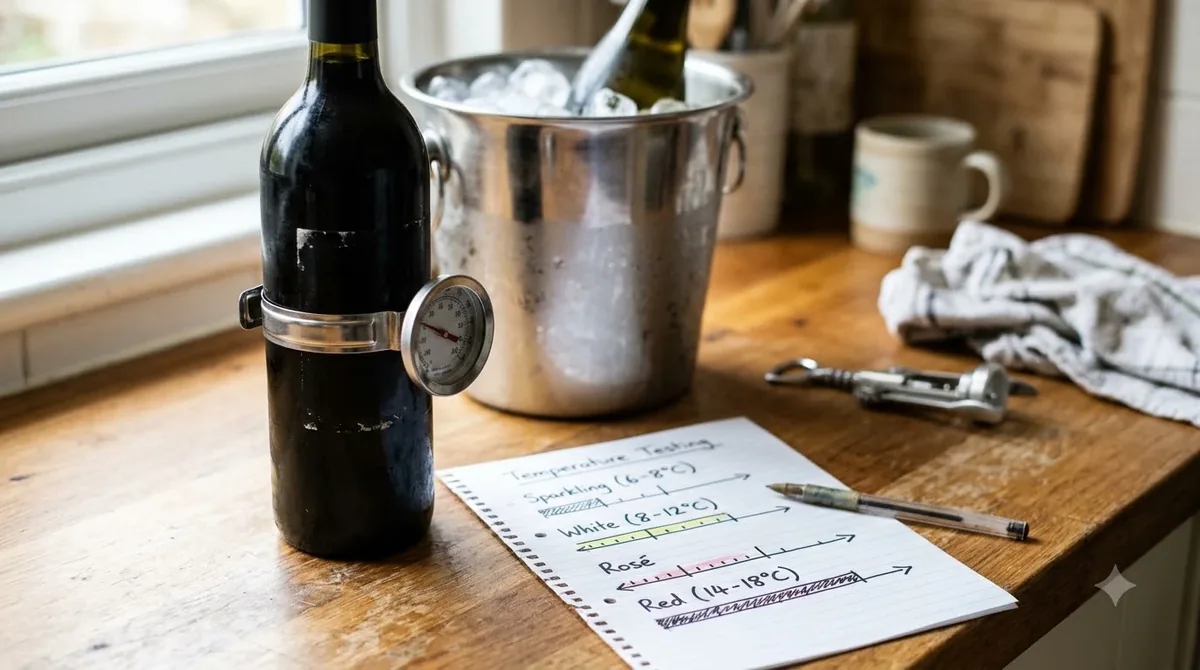
Temperature can significantly affect the way a wine smells and tastes. A useful starting point is to serve sparkling wines at 40-50 degrees Fahrenheit, light whites at 45-50 degrees and fuller-bodied whites at 50-55 degrees. Sweet white wines generally work well around 43-50 degrees.
Light-bodied reds such as many Pinot Noir bottlings are often best around 55-60 degrees Fahrenheit. Fuller reds can be served around 60-65 degrees. These temperatures help preserve freshness without making the wine seem excessively cold or allowing alcohol to dominate its aromas.
Once opened, still wines generally remain enjoyable for approximately three to five days when refrigerated and properly resealed. Sparkling wines usually retain their best character for about one to three days with an appropriate sparkling-wine stopper. Fortified wines can last several weeks after opening, depending on their style and storage conditions.
For unopened bottles, a cool, dark storage area near 55 degrees Fahrenheit is a useful target. Bottles sealed with natural cork are generally stored on their sides to keep the cork from drying out. Avoid excessive temperature changes and direct sunlight, both of which can damage wine quality.
Visitors who purchase several bottles during a trip should also consider transportation. Keep wine out of direct sunlight and avoid leaving bottles in a hot vehicle for extended periods. If you are traveling a long distance, suitable protective packaging can reduce the risk of breakage.
Choosing Wines and Comparing Seneca Lake with Other Regions
Seneca Lake is particularly rewarding for visitors who enjoy comparing wines made from the same grape under different regional conditions. Its strongest identity comes from cool-climate varieties, but the variety of producers and vineyard sites means there is no single style that represents every bottle.
For white-wine drinkers, Riesling should be the first priority. Try a dry example before moving to off-dry and sweeter versions. This sequence makes it easier to understand how acidity, residual sugar and ripeness interact. Chardonnay and Gewürztraminer provide useful comparisons because their aromas and textures differ considerably from Riesling.
For red-wine drinkers, begin with Pinot Noir and Cabernet Franc. Pinot Noir offers a lighter structure and more delicate tannins, while Cabernet Franc generally provides more herbal character and a firmer palate. Comparing the two can reveal how different grape varieties respond to the same cool-climate environment.
Visitors who enjoy sparkling wine should also make time for a regional bottle. Traditional-method sparkling wines undergo their second fermentation in the bottle, while tank-method wines undergo that fermentation in a pressurized tank. Understanding the method helps explain differences in texture and flavor. The region’s natural acidity provides a useful foundation for sparkling-wine production.
Seneca Lake also offers a different experience from other established American wine destinations. Lake County wine country, for example, is associated with a different climate and a different set of grape-growing conditions. Comparing the two regions can help illustrate how geography shapes wine style across the United States.
Visitors should also consider how much time they want to devote to tasting. A single afternoon can provide a useful introduction to Riesling and local red wines, but a longer stay allows for comparisons between the eastern and western shores, visits to different towns and more relaxed meals.
One useful approach is to select wines according to a personal tasting objective. A visitor interested in Riesling can compare sweetness levels and producers. Someone interested in red wines can focus on Pinot Noir and Cabernet Franc. A visitor who prefers food-oriented experiences can choose wineries with dining options or combine tasting appointments with restaurants in Geneva and Watkins Glen.
Rather than treating the wine trail as a checklist, consider it an opportunity to understand a region. The differences between vineyard sites, grape varieties and winemaking decisions are what make repeated visits worthwhile. Even a relatively short itinerary can offer a meaningful introduction when it is organized around a few clear interests.
Frequently Asked Questions
Can Seneca Lake wines be aged in a cellar?
Yes. Certain dry Rieslings from Seneca Lake can develop additional complexity over several years, particularly when they have strong acidity and balanced fruit concentration. Some premium Cabernet Franc and Pinot Noir bottlings can also benefit from careful aging, although the ideal period depends on the producer and vintage.
Is Seneca Lake wine country suitable for visitors who do not drink alcohol?
Yes. The area offers scenic lake views, hiking opportunities, restaurants and outdoor attractions beyond its wineries. Watkins Glen State Park is a particularly notable destination for visitors interested in walking trails and waterfalls, making it possible to enjoy the region without participating in wine tastings.
What does AVA mean on a Seneca Lake wine label?
AVA stands for American Viticultural Area, a federally recognized grape-growing region with defined geographic boundaries. The Seneca Lake AVA is nested within the larger Finger Lakes AVA, so a qualifying wine may identify either the more specific Seneca Lake region or the broader Finger Lakes region on its label.
What is the difference between ice wine and late-harvest Riesling?
Ice wine is produced from grapes that freeze naturally on the vine before harvesting, concentrating their sugars and flavors. Late-harvest wines are made from grapes picked later than the usual harvest period, but natural freezing is not necessarily involved. Both can produce sweet wines, but their production requirements and resulting styles are different.
Are hybrid grapes part of Seneca Lake’s wine identity?
Yes. Although Riesling, Pinot Noir and Cabernet Franc receive considerable attention, French-American and Native American grape varieties also have a place in the region. These varieties are part of the broader history of northeastern American winegrowing and contribute to the diversity of wines available from local producers.
Seneca Lake wine country combines an important American winemaking history with distinctive cool-climate growing conditions and an extensive network of tasting destinations. Start with Riesling, explore Pinot Noir and Cabernet Franc, and allow time to compare wineries on both shores. With a thoughtful itinerary, visitors can experience the wines, scenery, food and regional character that make this part of the Finger Lakes worth discovering.
More in Wine Regions
 Willcox Wine Trail: Discover Arizona’s High-Elevation Wine CountryUpdated Nov 20, 2026
 Yakima Valley Wine Region: Find the Best Styles to TryUpdated Nov 20, 2026
 Vosne Romanee Wine Tasting: Identify Aromas and Choose Better PairingsUpdated Nov 20, 2026
 Yakima Valley Wine Festival: Find the Best Seasonal Wine EventsUpdated Nov 20, 2026
 Wales Vineyards: Discover Cool-Climate Wines and Where to VisitUpdated Nov 20, 2026
 Yountville Wine Festival: Discover Napa Wines and Local FoodUpdated Nov 20, 2026