

We may earn a commission when you buy through links on this page, at no extra cost to you. Learn more.
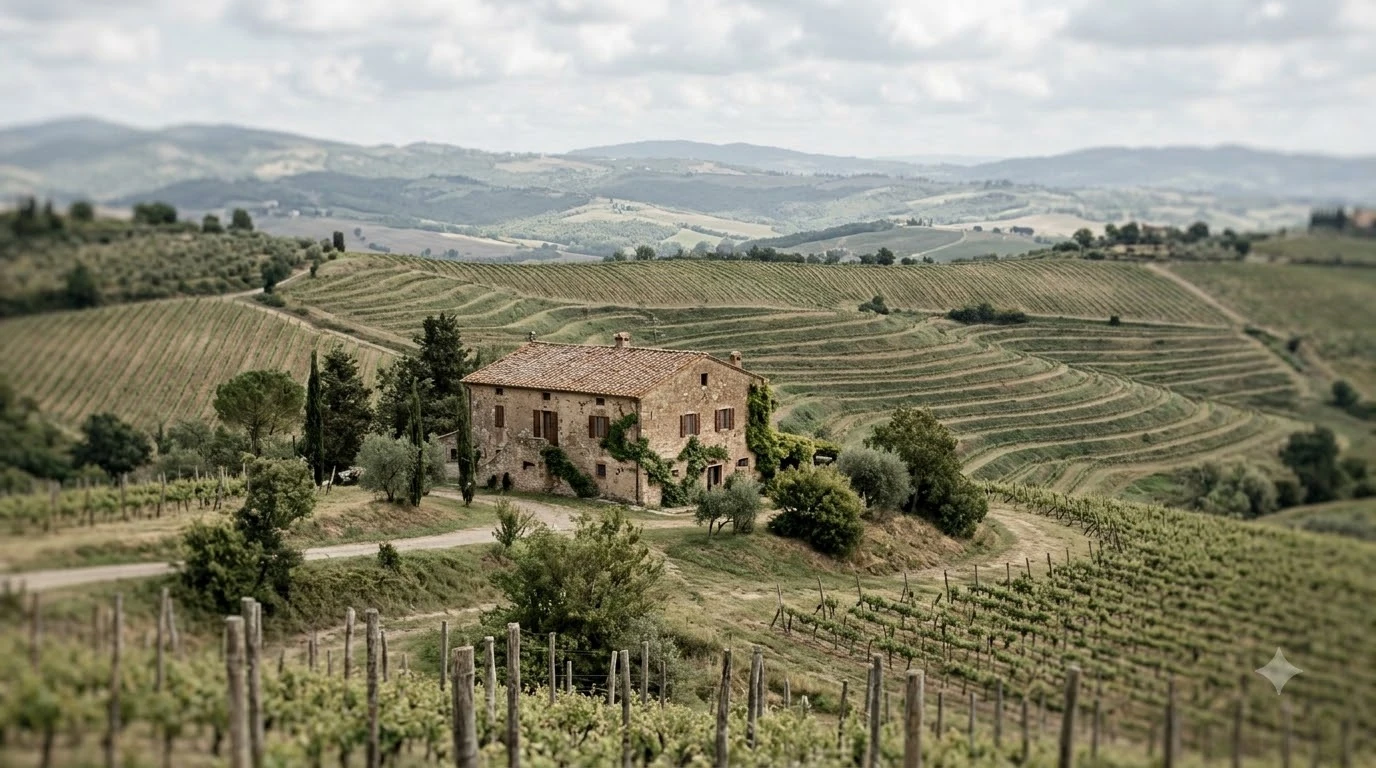
The Seneca Lake Wine Region is a cool-climate wine area in New York’s Finger Lakes, best known for Riesling, Pinot Noir, sparkling wine, and vineyard sites shaped by the deep lake. Its long body of water moderates seasonal temperatures, while sloping hillsides and glacial soils create a range of growing conditions. The result is a region where crisp whites share the spotlight with elegant reds, traditional-method sparkling wines, and late-harvest or ice wine bottlings.
Seneca Lake is a useful place to understand how geography shapes wine. The lake is more than a scenic backdrop: it influences frost risk, the length of the growing season, and differences between vineyards on its eastern and western shores. For visitors, the wine trail also makes it possible to compare producers, grape varieties, and sweetness levels within one compact part of the Finger Lakes.
Where the Seneca Lake AVA Fits in New York
The Seneca Lake Wine Region occupies the shores and surrounding slopes of Seneca Lake in the central Finger Lakes of western New York. It is a nested American Viticultural Area, or AVA, inside the larger Finger Lakes AVA: the regional designation dates to 1982, while the Seneca Lake AVA was established in 2003.
The lake stretches approximately 38 miles between Geneva at its northern end and Watkins Glen at its southern end. The Finger Lakes Tourism Alliance lists a maximum depth of 618 feet, a maximum width of 3 miles, and a shoreline of 75.4 miles. Seneca is the largest Finger Lake by water volume and the second longest, just behind Cayuga Lake. Those figures matter because the water body is large enough to influence conditions well beyond the immediate water’s edge.
The Seneca Lake AVA covers about 320 square miles, according to the Seneca Lake Wine Trail. Its boundaries identify a growing area with a recognizable combination of lake-influenced climate, sloping terrain, and glacially formed soils, distinct from neighboring Cayuga and Keuka lake districts.
Seneca Lake’s cool-climate focus and natural acidity set it apart from warmer eastern U.S. appellations. The wider Wine Regions overview puts this New York AVA in a broader context, while the nearby Lake Erie wine region offers a useful Great Lakes comparison.
How the Lake Shapes Climate, Soil, and Ripening
Seneca Lake moderates temperature because its deep water stores warmth and releases it gradually, reducing some of the sharpest seasonal extremes. In a region with cold winters and a relatively short summer, that thermal effect can help vines avoid damaging spring frosts and extend the time available for grapes to ripen.
The Seneca Lake Wine Trail describes the area as cool climate, with a generally accepted growing season of about 90 to 120 days. The lake does not remove risks such as winter cold, spring frost, summer rain, or autumn storms, but its stored warmth can keep nearby vineyards slightly warmer in fall and winter. Nighttime cooling during the growing season helps preserve acidity and aromatic detail in Riesling.
Many vineyards sit on slopes above the shoreline, where cold air can drain downhill instead of pooling around the vines during spring frost events. The lower eastern side is locally nicknamed the “Banana Belt” because some sites are warmer than surrounding areas; exposure, elevation, wind, and distance from the water still create differences from one vineyard to another. Wine Enthusiast identifies shale, clay silt loam, and gravel among the AVA’s soils, while glacial deposits and hillside drainage give growers a varied set of sites.
These conditions influence harvest choices. Riesling can retain acidity across dry, off-dry, and sweet styles, while red grapes such as Cabernet Franc and Pinot Noir need suitable exposure and enough autumn warmth to reach balanced ripeness. Two vineyards growing the same grape may produce wines with different textures and aromas, which is why many producers pay close attention to vineyard origin.
Grapes and Wine Styles to Look For
Riesling is the signature grape to start with, but it is not the only variety that explains Seneca Lake. Pinot Noir, Chardonnay, Cabernet Franc, Gewürztraminer, Pinot Gris, and several sparkling and ice wine styles broaden the tasting experience.
Riesling: dry, off-dry, and sweet
Riesling is especially well suited to Seneca Lake because it can ripen in a cool climate while holding high acidity. It appears as sharply dry wine with citrus and green-fruit notes, off-dry bottlings with some residual sugar, and sweeter examples with ripe orchard-fruit character. Compare dry and off-dry versions side by side to see how sweetness changes the impression of acidity and fruit.
Pinot Noir, Cabernet Franc, and Chardonnay
Pinot Noir is the lighter-bodied red to seek out, often showing red cherry, cranberry, and earthy notes. Cabernet Franc offers a firmer frame with berry fruit and herbal character, while Chardonnay ranges from lean and crisp to fuller, sometimes oak-influenced styles. Gewürztraminer and Pinot Gris add aromatic whites: the former can show floral and spice notes, while the latter ranges from crisp to broad-textured.
Sparkling wines, late-harvest bottlings, and ice wines broaden the range beyond still table wines. These styles show how a cool-climate region can produce both fresh, dry wines and concentrated wines with sweetness balanced by acidity.
Quick comparison of common Seneca Lake styles
| Grape or style | Typical profile | What to compare |
|---|---|---|
| Riesling | High acidity; dry through sweet | Residual sugar, citrus notes, and texture |
| Pinot Noir | Light to medium body; lower tannin | Red-fruit character and earthy notes |
| Cabernet Franc | Medium-bodied red with herbal detail | Fruit ripeness, savory notes, and structure |
| Chardonnay | Medium acidity; lean to fuller styles | Oak influence, texture, and freshness |
| Sparkling wine | Bright acidity and fine bubbles | Traditional-method complexity or fresh fruit |
| Ice wine | Concentrated sweetness balanced by acidity | Fruit intensity and clean finish |
These are broad guides, not rules for every bottle. Producers interpret grapes differently and vintage conditions shift the balance, so taste across styles rather than assuming every Riesling is sweet or every red is light.
Winemaking History and Producers That Shaped the Region
Seneca Lake’s modern reputation grew through a gradual shift toward European vinifera grapes and the development of wineries focused on cool-climate varieties. The area’s wine history reaches back further, but the late twentieth century brought a more concentrated effort to show that grapes such as Riesling, Pinot Noir, and Chardonnay could succeed on the lake’s slopes.
The Finger Lakes Wine Alliance records an important moment in 1970: Charles Fournier planted 20 acres of vinifera on Seneca Lake’s east side, while German-born Hermann Wiemer acquired and planted 140 acres on the west side. Dr. Konstantin Frank, who founded Vinifera Wine Cellars in 1962, also helped build confidence in European grape varieties across the Finger Lakes.
Glenora Wine Cellars became the first winery on Seneca Lake in 1978, followed by Wagner Vineyards, Hermann Wiemer, and Hazlitt 1852 Vineyards, according to the alliance chronology. Today, established wineries share the region with family-run operations and newer projects exploring sparkling, skin-contact, and small-lot wines.
The Seneca Lake Wine Trail formed in 1986, and the Seneca Lake AVA followed in 2003. The trail is a nonprofit, member-based association that promotes wineries around the lake. Its focus on wines made from local grapes is important to understanding regional identity: a place-based wine culture depends on growers and winemakers working with fruit from the vineyards around them. The official Seneca Lake Wine Trail overview explains the nested AVA, its growing season, and the varieties associated with the area.
Planning a Visit Around the Wine Trail
The Seneca Lake Wine Trail gives visitors a practical way to explore wineries on both shores, with Geneva anchoring the north and Watkins Glen the south. Because vineyards and tasting rooms are spread along a 38-mile lake, it works better as a series of short drives than as one continuous walking route.
Choose a few stops rather than trying to visit every producer in one day. A useful first itinerary might include a Riesling-focused producer, a winery with red wines, and a tasting room with sparkling or sweet options. The Seneca Lake AVA profile highlights key grapes and tasting rooms such as Fox Run Vineyards, Hermann J. Wiemer Vineyard, and Lamoreaux Landing Wine Cellars.
Pick one shore to explore before setting out; add a cross-lake detour only when the winery is worth the extra drive. Rural roads, weather, and time spent at each tasting can slow a schedule, so confirm hours and tasting formats before departure, especially outside summer and fall. For trip ideas, the regional Seneca Lake wine tasting resource can help plan visits, and a designated driver or hired tour keeps transportation simple.
Leave room for more than the cellar door. Watkins Glen offers state park and gorge scenery, while Geneva makes a useful northern base. Three or four focused stops often allow better conversations and clearer comparisons than a rushed list of six or seven wineries; readers comparing lake-based wine destinations elsewhere in New York can also explore the Lake County wine region.
Tip: Build the day around one or two styles you want to understand, such as dry and off-dry Riesling or Pinot Noir from different producers. Write down the producer, grape, sweetness level, and one flavor or texture impression after each stop; those details make it easier to remember which bottles suited your palate.
Serving Seneca Lake Wines and Pairing Them With Food
Serving temperature and food pairing can make the region’s freshness easier to appreciate. Chill crisp whites and sparkling wines enough to keep their acidity lively, but avoid serving every bottle so cold that its aroma disappears.
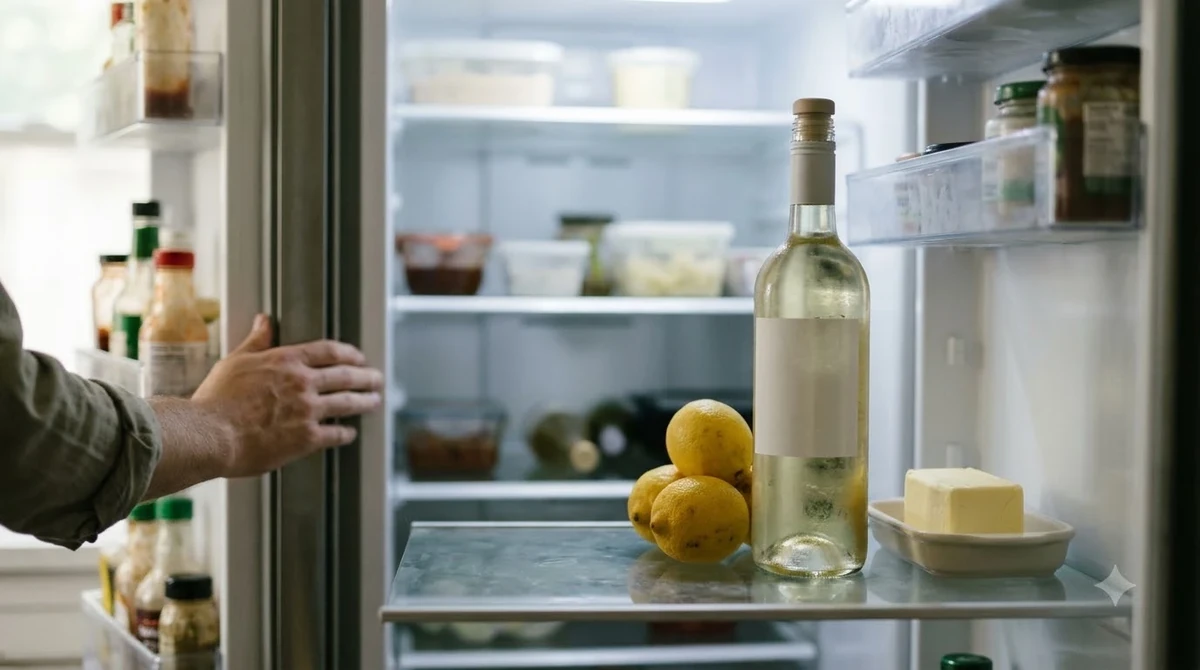
Use the temperature ranges below as a starting point, then allow a glass a few minutes to warm if its aromas seem muted straight from the refrigerator. Keeping whites and sparkling wines cool preserves their freshness, while serving a light red slightly cool can make its acidity and fruit feel more balanced.
| Wine style | Serving temperature | Refrigerated after opening |
|---|---|---|
| Sparkling | 40–50°F | 1–3 days |
| Light whites and rosé | 45–50°F | 3–5 days |
| Fuller whites | 50–55°F | 3–5 days |
| Light reds | 55–60°F | 3–5 days |
| Sweet whites | 43–50°F | 3–5 days |
Dry Riesling works with freshwater fish, roast chicken, pork, herbs, and citrus. Off-dry Riesling can balance Thai, Indian, or Sichuan-inspired spice because a little sweetness softens chili heat while acidity refreshes the palate. Match acidity in the glass to acidity on the plate: sharply acidic food needs a wine with equal or higher acidity or the wine may taste flat.
Pinot Noir suits salmon, roast turkey, mushrooms, and duck, while Cabernet Franc can work with grilled pork, sausages, and roasted vegetables. Salt and fat soften tannin, but oily fish can clash with tannic reds and chili heat can feel stronger beside wines with substantial alcohol or tannin. A sweet wine should be at least as sweet as dessert; try ice wine with fruit desserts or blue cheese.
For a tasting flight, a standard pour is about 5 ounces and a 750-milliliter bottle provides roughly five glasses. Refrigerate opened still wine and aim to finish it within 3–5 days; sparkling wine generally keeps for 1–3 days with a suitable stopper.
Frequently Asked Questions
These details can help turn an interest in Seneca Lake wines into a workable visit, from the trail layout to seasonal events.
Can visitors walk the Seneca Lake Wine Trail?
No. The word “trail” refers to the concentration of wineries around the lake, not a connected hiking or walking path. The association says wineries are often only a few minutes’ drive apart, so visitors should plan to drive with a designated driver or arrange transportation between stops.
How many wineries belong to the Seneca Lake Wine Trail?
The regional tourism organization lists 28 member wineries on the trail. It also reports that the trail’s wineries offer about 600 varieties of wine, a figure that reflects the broad choice across member tasting rooms rather than the number of grape varieties grown in the AVA.
How long does it take to travel between Geneva and Watkins Glen?
Geneva and Watkins Glen sit at opposite ends of Seneca Lake, about 38 miles apart. The Seneca Lake Wine Trail estimates the drive at roughly 45 minutes to an hour, depending on the route, traffic, and stops made along the way.
Do Seneca Lake wineries require reservations?
Many wineries welcome walk-in guests, but policies differ by tasting room and experience. Reservations are more likely to be needed for larger groups, seated or guided tastings, and special food-and-wine pairings, so check the individual winery before traveling.
What annual events should visitors look for?
The regional calendar has included Spring Wine & Cheese, the Rosé in May Tasting Pass, and the Smokin’ Summer Kickoff. Dates and participating wineries can change, so use the trail’s event calendar to confirm the current schedule before building a trip around a particular event.
The Seneca Lake Wine Region rewards visitors who take time to compare sites and styles instead of treating the lake as a checklist of tasting rooms. Start with Riesling, add a red or sparkling wine for contrast, and let the lake’s geography guide the rest of the exploration.
More in Wine Regions
 Willcox Wine Trail: Discover Arizona’s High-Elevation Wine CountryUpdated Nov 20, 2026
 Yakima Valley Wine Region: Find the Best Styles to TryUpdated Nov 20, 2026
 Vosne Romanee Wine Tasting: Identify Aromas and Choose Better PairingsUpdated Nov 20, 2026
 Yakima Valley Wine Festival: Find the Best Seasonal Wine EventsUpdated Nov 20, 2026
 Wales Vineyards: Discover Cool-Climate Wines and Where to VisitUpdated Nov 20, 2026
 Yountville Wine Festival: Discover Napa Wines and Local FoodUpdated Nov 20, 2026