

We may earn a commission when you buy through links on this page, at no extra cost to you. Learn more.
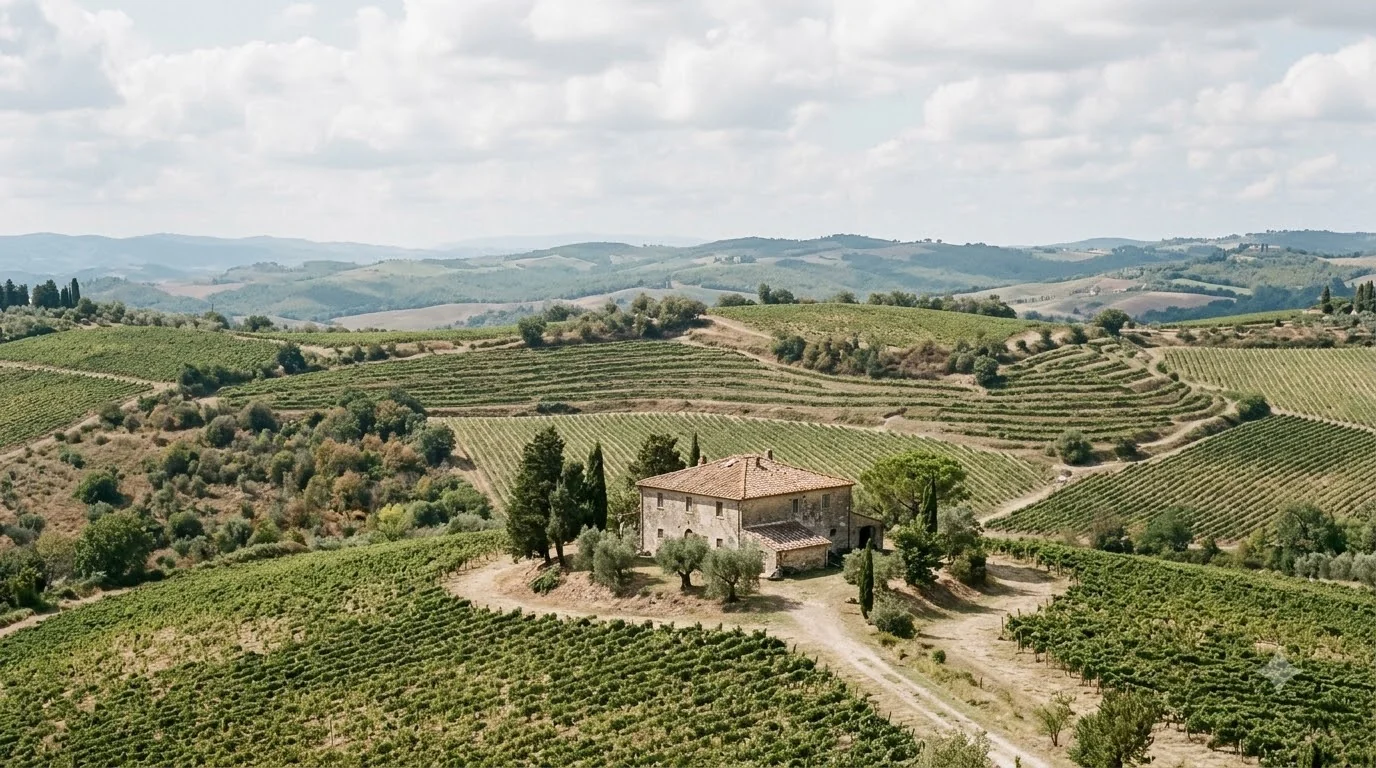
The lake erie wine region is a sprawling American wine-growing area across New York, Pennsylvania, and Ohio, known for its cool-climate vineyards, native Concord grapes, distinctive hybrid varieties, and increasingly diverse European-style wines. Centered on the southern shore of Lake Erie, this historic growing area benefits from the lake’s moderating influence, which helps extend the autumn growing season. Its wines range from familiar fruity and sweet styles to crisp Riesling, Chardonnay, Cabernet Franc, and distinctive hybrid-grape bottlings. Visitors can also explore established winery trails, particularly the 50-mile Lake Erie Wine Country route between Silver Creek, New York, and Harborcreek, Pennsylvania.
Lake Erie offers a different perspective on American wine than the better-known vineyards of California, Oregon, or the Finger Lakes. Its identity comes from a combination of enormous grape-growing acreage, generations of agricultural experience, and a changing approach to premium winemaking. Understanding its geography, grape varieties, and distinct wine styles makes it easier to choose bottles and plan a worthwhile visit.
Where the Lake Erie Wine Region Is Located
The Lake Erie wine region follows the southern shoreline of one of North America’s Great Lakes, crossing three states and encompassing several distinct grape-growing communities. Its scale is important: the federally recognized Lake Erie AVA covers far more territory than the winery trail commonly marketed as Lake Erie Wine Country.
The Lake Erie American Viticultural Area (AVA) covers approximately 2,236,800 acres, or about 3,495 square miles, across New York, Pennsylvania, and Ohio. Established on October 21, 1983, it is the largest AVA east of the Rocky Mountains. More than 40,000 acres are planted with grapevines, making it one of the most important agricultural grape-growing areas in the eastern United States.
The three-state designation means that a Lake Erie AVA wine does not necessarily come from a winery immediately beside the water. The appellation covers a substantial geographical area, including vineyards at different elevations and distances from the shoreline. These differences influence temperature, soil composition, exposure, and the varieties that growers can successfully cultivate.
For visitors, the best-known organized wine destination is Lake Erie Wine Country in western New York and northwestern Pennsylvania. Its approximately 50-mile route runs from Silver Creek in Chautauqua County, New York, to Harborcreek in Erie County, Pennsylvania. The organization represents more than 20 commercial and estate wineries.
Ohio contributes another important part of the larger AVA. Its northeastern wine-growing communities include the Grand River Valley, while Lake Erie’s islands provide additional vineyard environments. The region therefore offers several distinct wine destinations rather than one continuous concentration of tasting rooms.
Tip: Distinguish the three-state Lake Erie AVA from the 50-mile Lake Erie Wine Country trail when planning a trip. The AVA is a broad federal wine designation, while the trail is a specific visitor destination concentrated along the New York and Pennsylvania shoreline.
Climate, Lake Influence, and Vineyard Soils
Lake Erie plays a central role in the region’s ability to grow grapes in a relatively cool continental climate. Its stored warmth moderates autumn temperatures, while glacially influenced soils and lake breezes create additional conditions that support commercial vineyards.
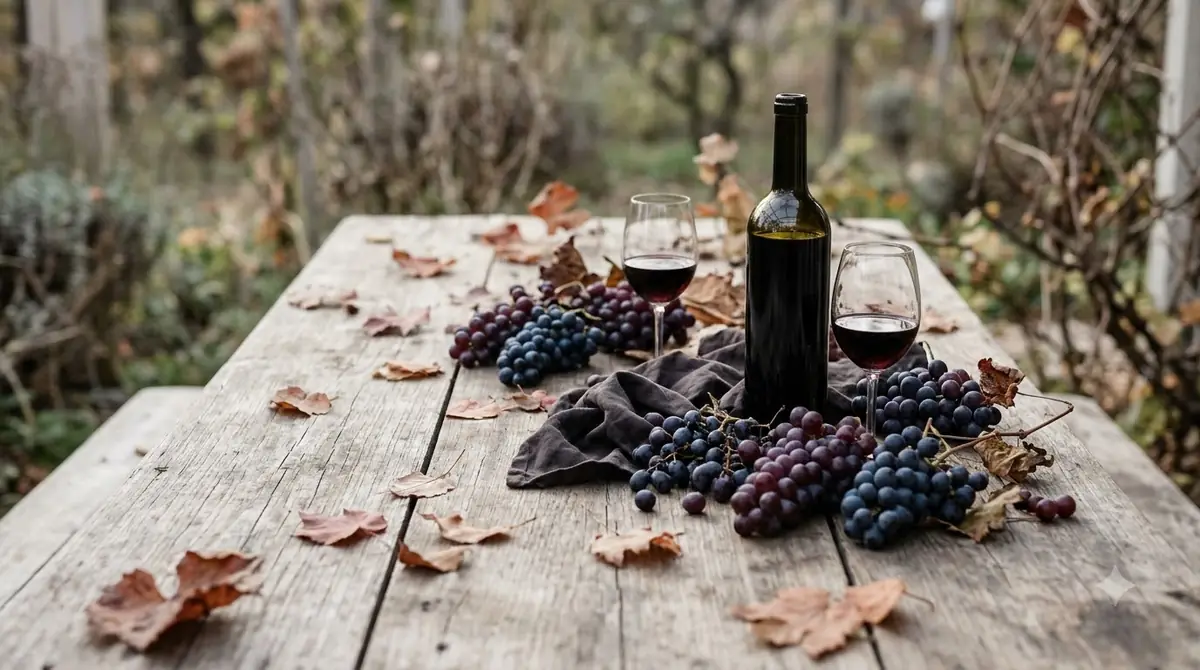
The region experiences four distinct seasons, including cold winters and warm summers. Lake Erie absorbs heat during warmer months and releases some of that stored warmth as temperatures fall in autumn. This moderating effect can delay damaging cold conditions and give late-ripening grapes additional time to develop before harvest.
The lake’s influence is particularly important in a region where winter temperatures can otherwise challenge less cold-tolerant grape varieties. However, lake moderation does not eliminate winter risks. The protection depends partly on local conditions, and Cornell’s research notes that the moderating influence of Lake Erie can diminish when the lake freezes over.
Wind is another important feature. Breezes coming off the lake help circulate cool air through vineyards and keep grape canopies relatively dry. These conditions can reduce disease pressure and limit the need for vineyard spraying.
The underlying soils reflect the area’s geological history. During the Ice Age, glaciers moved through the region, carrying rocks, sediment, and Canadian soil before retreating and leaving deposits along the southern shoreline. These deposits helped create fertile ridges and gravelly vineyard sites.
Soil conditions vary considerably across the appellation. Glacial deposits, limestone, loam, clay, and gravel all contribute to the area’s growing environments. Some vineyards have deeper, well-drained soils, while other sites feature heavier clay or shallower soils at higher elevations. These differences help explain why wines from separate parts of the appellation can show different characteristics.
Growers must also consider elevation and proximity to the lake. A vineyard close to the shoreline may receive more direct lake moderation, while a site farther inland can experience greater temperature fluctuations. Selecting varieties suited to each individual location is therefore essential to producing consistently ripe fruit.
For additional regional detail, the New York Wine & Grape Foundation’s Lake Erie regional profile describes the area’s glacial geology, soil differences, and lake-influenced growing conditions.
Signature Grapes and Important Wine Varieties
Lake Erie is known for an unusually broad mixture of native American grapes, French-American hybrids, and European Vitis vinifera varieties. Concord dominates much of the region’s agricultural identity, but Riesling, Chardonnay, Cabernet Franc, and several hybrid grapes are increasingly important to its wine reputation.
Concord is the most recognizable variety associated with the region. It is a native American grape with a distinctive, intensely fruity character that often suggests grape juice, berries, and sweet preserves. Its familiar aroma makes Concord wines particularly approachable for drinkers who prefer sweeter, fruit-forward bottles.
Concord is also an important agricultural crop beyond winemaking. Much of the region’s harvest goes into juice, jelly, and other grape products. Cornell’s Lake Erie viticultural research explains that approximately 80% of grape production in New York and Pennsylvania is processed for juice and jelly rather than fermented into wine.
Niagara is another important native Labrusca variety. It can produce aromatic white wines with pronounced fruit characteristics, often appealing to people who enjoy accessible, slightly sweet white wines. Its grape-growing importance extends beyond the wine industry.
French-American hybrids provide another distinctive part of the region’s identity. These varieties combine characteristics from European wine grapes and American grape species, with breeding intended to improve adaptability to eastern growing conditions.
- Baco Noir: A red hybrid that can produce deeply colored wines with dark-fruit flavors, earthy notes, and moderate structure.
- Vidal Blanc: A white hybrid used for fresh, aromatic wines and, in suitable conditions, sweeter dessert-style bottlings.
- Seyval Blanc: A white hybrid that can produce crisp wines with refreshing acidity and citrus or green-fruit characteristics.
- Chambourcin: A red hybrid capable of producing flavorful wines with berry, cherry, and sometimes herbal notes.
- Noiret: A dark-skinned hybrid associated with peppery aromas and fuller-bodied red wines.
European vinifera varieties are also becoming increasingly significant. Riesling is particularly suited to the region’s cool-climate conditions, producing wines that can range from dry and mineral-driven to noticeably sweet. Dry versions can show citrus, green apple, floral notes, and mineral characteristics. Slightly sweeter examples can offer a fuller fruit impression while maintaining freshness.
Chardonnay offers another important option, with styles influenced by harvest ripeness, fermentation choices, and oak treatment. Stainless-steel fermentation generally emphasizes freshness, while oak maturation can introduce additional texture and flavor.
Cabernet Franc is among the region’s notable red vinifera grapes. It can produce wines with red berry, herbal, and peppery characteristics. Other plantings include Pinot Noir and additional varieties suited to individual vineyard sites.
The range of varieties means there is no single flavor profile that describes every Lake Erie wine. A bottle made from Concord will have a very different character from a dry Riesling or a structured Cabernet Franc. Exploring the grape variety is one of the most useful ways to understand what a particular bottle offers.
Understanding the Main Lake Erie Wine Styles
Lake Erie produces a broad selection of wines, from sweet native-grape bottlings to crisp whites, medium-bodied reds, and dessert wines. The style depends on grape variety, ripeness, fermentation decisions, and the individual winery’s approach.
Sweet and fruity wines remain an important part of the region’s identity. Concord and Niagara bottlings frequently appeal to drinkers who enjoy pronounced fruit aromas and softer acidity. These wines can work well as casual aperitifs or alongside fruit-based desserts, although sweetness levels differ among producers.
Dry white wines provide a different experience. Riesling is particularly versatile because it retains refreshing acidity even when some residual sugar remains. Dry versions can show citrus, green apple, and mineral characteristics. Slightly sweeter examples can offer a fuller fruit impression while maintaining freshness.
Chardonnay provides another style worth exploring. Depending on how it is made, it can be fresh and citrus-driven or rounder with apple, pear, and subtle creamy or toasted characteristics. Stainless-steel fermentation generally emphasizes freshness, while oak maturation can introduce additional texture and flavor.
Red wines include both hybrid and European varieties. Baco Noir is worth seeking out for its dark color and savory character, while Cabernet Franc provides a more recognizable vinifera alternative. Pinot Noir can offer lighter body and fresh red-fruit flavors, making it suitable for drinkers who prefer less tannic reds.
Dessert wines and ice wines also contribute to the region’s range. These wines concentrate sweetness and flavor, creating bottles that work particularly well after a meal. Their production depends on suitable grape conditions and specific harvest or winemaking methods, so availability varies.
| Wine style | Typical characteristics | Serving temperature | Food pairing |
|---|---|---|---|
| Concord sweet red | Pronounced grape and berry fruit | 55–60°F | Fruit desserts and barbecue |
| Dry Riesling | Crisp acidity, citrus, green apple | 45–50°F | Seafood and spicy Asian dishes |
| Chardonnay | Apple, pear, citrus, possible oak | 50–55°F | Roast chicken and creamy pasta |
| Baco Noir | Dark berries and earthy notes | 55–60°F | Grilled pork and mushrooms |
| Cabernet Franc | Red berries, herbs, moderate tannin | 55–60°F | Roasted vegetables and lamb |
| Ice wine | Concentrated fruit and sweetness | 43–50°F | Blue cheese and fruit desserts |
These temperatures are useful starting points rather than strict rules. The ideal serving temperature depends on the particular wine’s body, sweetness, and structure. Slightly cooler temperatures can help preserve freshness in aromatic whites, while moderate temperatures allow red wines to show their aromas without excessive warmth.
For anyone exploring unfamiliar bottles, a good tasting sequence starts with dry whites, continues with aromatic or sweeter whites, and then moves to lighter and fuller reds. Dessert wines are best saved for the end because their sweetness can make drier wines taste less expressive afterward.
History, Winemaking Heritage, and Regional Development
Grape growing around Lake Erie has roots stretching back to the early 19th century, long before the region became a recognized American Viticultural Area. Its development reflects agricultural innovation, the effects of Prohibition, and legislation that allowed grape growers to establish their own wineries.
The southern Lake Erie shoreline was already an important grape-growing area during the early 1800s. Native American grape varieties thrived in the region, and growers gradually developed commercial operations that supplied grapes for different uses.
Concord became especially important as the industry expanded. Its suitability for juice and other processed grape products helped establish a large agricultural market that continues to influence the region. This explains why Lake Erie has a much larger grape-growing identity than its wine production alone might suggest.
Prohibition disrupted the area’s established wine industry. As happened in other American wine regions, the restrictions on commercial alcohol production interrupted winery development and changed how growers used their vineyards. The industry took considerable time to rebuild after repeal.
Two important pieces of legislation helped revive small-scale winemaking. Pennsylvania passed its Limited Winery Act in 1968, allowing individual grape farms to establish wineries. New York followed with its Farm Winery Act in 1976, which opened additional opportunities for grape growers to produce and sell wine.
These legal changes encouraged the development of family-owned wineries and helped create the modern Lake Erie Wine Country visitor experience. Growers also began planting premium French-American hybrids and European vinifera varieties.
The federal AVA designation in 1983 gave the wider region an official appellation identity. However, the modern wine industry continues to evolve. Producers are exploring different grape varieties, vineyard practices, packaging formats, and winemaking techniques as they develop a stronger regional identity.
For further context on how this area fits into the country’s broader wine geography, explore our overview of Wine Regions. It provides a useful comparison between American growing areas and established international appellations.
Sub-AVAs and Distinctive Growing Areas
The larger Lake Erie AVA includes smaller appellations that help distinguish particular growing environments. Grand River Valley and Isle St. George are especially important because their locations demonstrate how shoreline proximity, elevation, and island geography influence vineyard conditions.
Grand River Valley AVA is located in northeastern Ohio, within portions of Lake, Geauga, and Ashtabula counties. The appellation includes qualifying land near the Grand River and Lake Erie shoreline. Its gently rolling terrain and the moderating influence of the lake provide suitable conditions for cool-climate grape growing.
The Grand River Valley has a strong connection to Ohio’s modern wine industry. Its vineyards produce a range of varieties, including European grapes and hybrids. The area’s combination of rolling landscapes and lake influence makes it a useful example of the smaller-scale geographical differences within the wider Lake Erie appellation.
Isle St. George AVA is located on North Bass Island in Lake Erie, Ohio. The island’s surroundings create a distinct growing environment, with the lake moderating temperatures during the growing season. The island can experience warmer growing conditions than nearby mainland locations.
North Bass Island has a particularly concentrated vineyard landscape, with more than half of the island planted to grapevines according to Ohio’s appellation information. Its geography illustrates how an island vineyard environment can differ from sites on the mainland, even within the same broad wine region.
The three-state geography also means that not every Lake Erie wine destination belongs to one of these sub-AVAs. Many vineyards in New York and Pennsylvania are part of the larger Lake Erie AVA without being located in Grand River Valley or Isle St. George.
For comparison, the Lake County wine region offers another example of how a broad geographical designation can encompass vineyards with different growing conditions and wine styles. Comparing regional climates and grape selections helps explain why neighboring or similarly named wine areas can produce very different bottles.
Ohio’s official appellation information provides further details about Grand River Valley and Isle St. George, including their geographical boundaries and distinctive growing conditions.
Visiting Wineries and Planning a Lake Erie Wine Trip
The most accessible way to explore the region is to plan a visit around a concentrated winery route rather than attempting to cover the entire three-state AVA. The 50-mile Lake Erie Wine Country trail between Silver Creek and Harborcreek provides a practical starting point for visitors interested in tasting rooms and vineyard scenery.
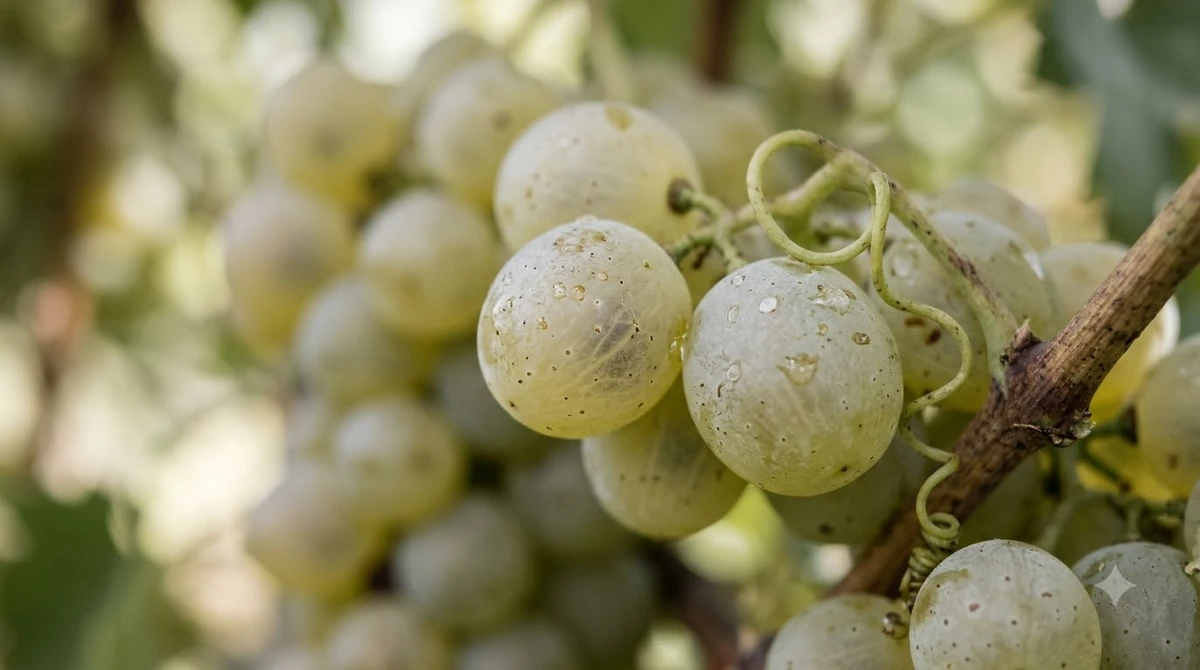
Western New York’s Chautauqua County is an important starting area. Its communities include Silver Creek, Westfield, Dunkirk, and Fredonia, all associated with the area’s long agricultural and grape-growing history. Westfield is particularly relevant to visitors interested in Concord heritage and the region’s grape-processing traditions.
Further east, North East, Pennsylvania, offers another convenient base for exploring wineries. The town’s location near the lake provides access to tasting destinations, local restaurants, and other attractions. Visitors can combine wine tasting with lakeside activities, historical sites, and outdoor recreation.
The best time to visit depends on the experience you want. Late spring and summer are attractive for vineyard scenery, outdoor seating, and regional events. September and October are particularly appealing for harvest-related activities, changing foliage, and the chance to see vineyards during one of their busiest periods.
Harvest timing varies with the grape variety and annual weather. Early-ripening grapes are generally harvested before later varieties, so visiting during the autumn does not guarantee that every vineyard will be harvesting at the same time. Winery events and tasting-room schedules also differ between businesses.
Plan tasting visits with reasonable spacing. Two or three wineries in one day can allow enough time to explore different grape varieties without rushing. A 50-mile route may look short on a map, but tasting appointments, conversations with staff, and stops for food can make the day considerably longer.
Visitors interested in a particular winery should check its tasting-room schedule and reservation requirements before traveling. Larger groups may need advance arrangements, especially during harvest celebrations and popular weekend events.
The Lake Erie wine tasting experience is particularly rewarding when visitors compare contrasting styles rather than ordering the same type of wine at every stop. Try a dry Riesling, a sweet Concord, a hybrid red, and a Cabernet Franc to understand the range of the region.
Regional events can also help visitors discover several wineries in a single trip. The Lake Erie wine festival provides another reason to explore the area’s wine culture, particularly for travelers interested in meeting producers and sampling a wider selection of local bottles.
Responsible transportation is important when visiting multiple tasting rooms. Arrange a designated driver or another suitable transportation option rather than driving after drinking. Bringing water and allowing time for meals also helps make a full day of winery visits more comfortable.
Frequently Asked Questions
Is Lake Erie the largest wine region in the eastern United States?
Lake Erie is the largest AVA east of the Rocky Mountains, covering approximately 2,236,800 acres. Its vineyard acreage exceeds 40,000 acres across three states. The distinction refers to the appellation’s geographical area and grape-growing scale, not necessarily the volume of wine produced.
Is Lake Erie wine produced in Canada as well as the United States?
Yes, wine is also produced along the Canadian side of Lake Erie, particularly in Ontario’s Lake Erie North Shore appellation. However, Lake Erie AVA is a United States federal designation covering New York, Pennsylvania, and Ohio. The Canadian appellation operates under Ontario’s separate wine designation system.
What does Vitis vinifera mean on a Lake Erie wine label?
Vitis vinifera is the botanical species that includes most traditional European wine grapes. Riesling, Chardonnay, Pinot Noir, and Cabernet Franc are examples. The term distinguishes these grapes from native American varieties and many interspecific hybrid grapes grown in the Lake Erie area.
Are Lake Erie wines suitable for long-term cellaring?
Some are, depending on grape variety, acidity, structure, and winemaking. Well-made Riesling can develop additional complexity over several years, while structured red wines may also benefit from bottle aging. Sweet dessert wines can offer further aging potential when their acidity and concentration are sufficient.
Can Lake Erie wines be found outside New York, Pennsylvania, and Ohio?
Yes. Regional producers and distributors can make Lake Erie wines available in other American states, although selection varies by market. Concord-based wines and some distinctive hybrid bottlings may be easier to find through regional wineries or specialty retailers than through general wine selections.
The Lake Erie wine region combines a remarkable agricultural history with an increasingly varied modern wine industry. Its native grapes, French-American hybrids, and European varieties offer plenty to explore, whether you are selecting bottles at home or visiting wineries along the shoreline. Start with a dry Riesling and a regional red, then make time for a Concord or Niagara wine to experience the area’s distinctive heritage.
More in Wine Regions
 Willcox Wine Trail: Discover Arizona’s High-Elevation Wine CountryUpdated Nov 20, 2026
 Yakima Valley Wine Region: Find the Best Styles to TryUpdated Nov 20, 2026
 Vosne Romanee Wine Tasting: Identify Aromas and Choose Better PairingsUpdated Nov 20, 2026
 Yakima Valley Wine Festival: Find the Best Seasonal Wine EventsUpdated Nov 20, 2026
 Wales Vineyards: Discover Cool-Climate Wines and Where to VisitUpdated Nov 20, 2026
 Yountville Wine Festival: Discover Napa Wines and Local FoodUpdated Nov 20, 2026