

We may earn a commission when you buy through links on this page, at no extra cost to you. Learn more.
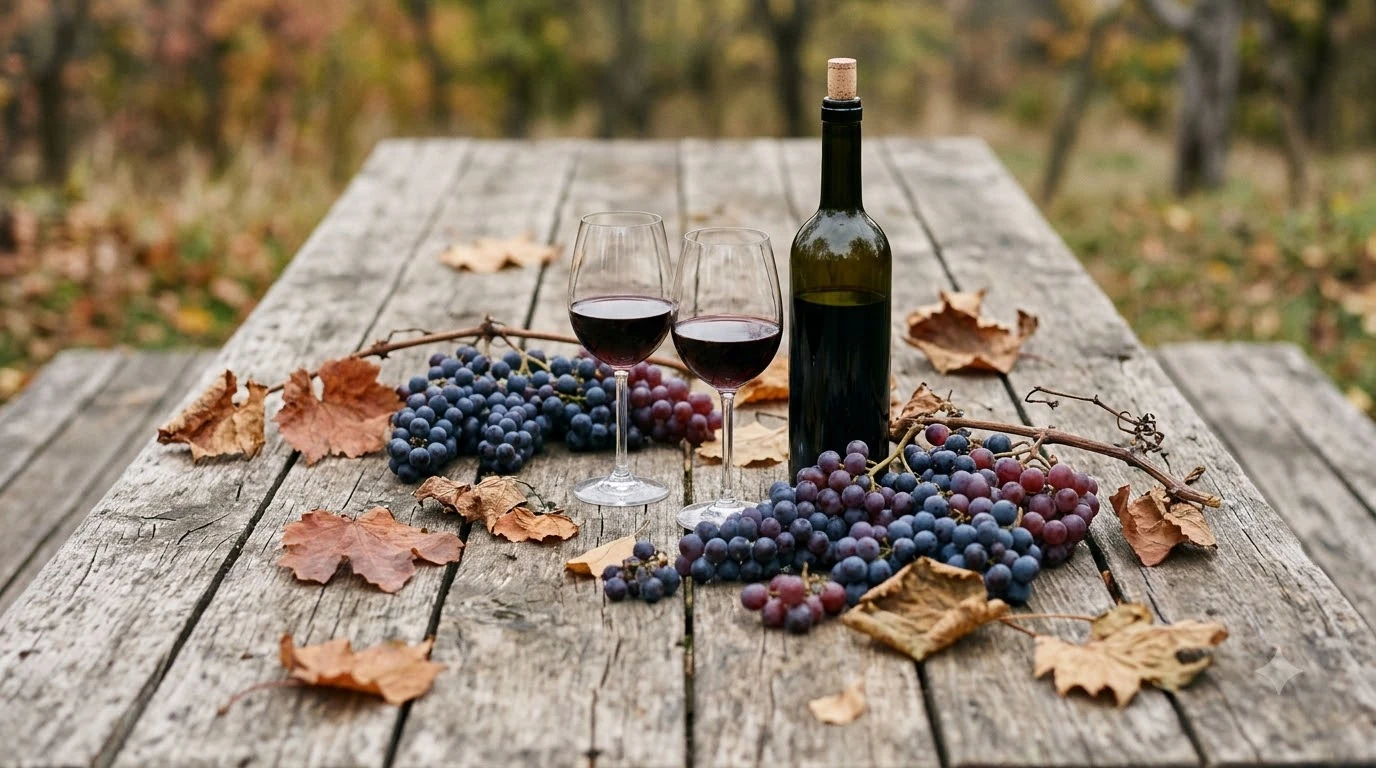
The lake erie wine festival experience brings together regional wineries, harvest celebrations, local food, and vineyard touring along the southern shores of Lake Erie in New York and Pennsylvania. Visitors can explore independent wineries, sample wines made from Concord, Niagara, Riesling, and other grapes, and attend seasonal events such as Lake Erie Wine Country’s Harvest Celebration. The best approach is to plan around the event calendar, choose a manageable group of wineries, and leave enough time to enjoy the area’s grape-growing heritage.
Lake Erie has a distinctive place in American wine culture. Its shoreline, vineyards, small wine-producing communities, and agricultural traditions create a destination that offers more than a conventional tasting-room visit. Whether you are interested in dry white wines, sweet regional specialties, harvest food pairings, or a weekend exploring wineries, understanding the different events and wine areas will help you organize a rewarding trip.
Understanding the Lake Erie Wine Festival and Its Regional Events
The Lake Erie wine festival experience is best understood as a collection of wine-focused celebrations rather than one permanent annual event with a single venue. Lake Erie Wine Country organizes seasonal activities across its member wineries, while individual communities hold their own grape and wine festivals. This distinction matters because the event format, admission arrangements, participating locations, and activities can differ considerably.
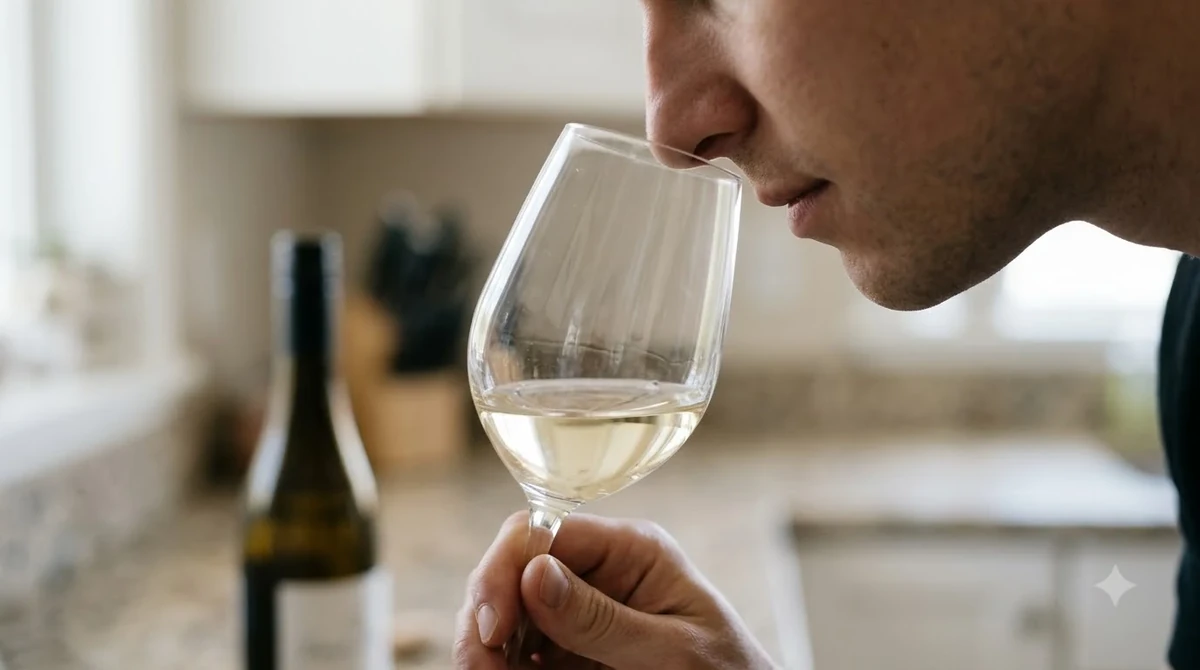
One of the region’s main organized events is the Harvest Celebration, presented by Lake Erie Wine Country. Instead of gathering every winery in one exhibition hall, this celebration encourages visitors to travel between participating tasting rooms. Wineries provide food and wine pairings, giving guests an opportunity to experience different producers and locations throughout the weekend.
The Westfield Grape & Wine Festival is another important regional celebration. It takes place in Westfield, New York, and combines wine-related activities with local agriculture, food, music, and family entertainment. Its program includes grape-stomping competitions, grape pie contests, artisan vendors, and educational activities at the Grape Discovery Center.
These events appeal to somewhat different audiences. The Harvest Celebration is particularly suitable for adults who want a structured winery-tasting itinerary, while the Westfield festival offers a broader community experience that includes activities for visitors who are not primarily interested in drinking wine.
There is also a geographical distinction worth understanding. Lake Erie Wine Country’s New York-Pennsylvania trail should not be confused with northeast Ohio’s Vines & Wines Wine Trail. Both areas benefit from Lake Erie’s influence, but they have separate winery associations, event calendars, and touring destinations.
For visitors researching the wider American wine scene, exploring the different destinations in our Wine Regions collection provides useful context for understanding how geography and grape varieties shape regional wine styles.
Harvest Celebration Dates, Schedules, and Ticket Arrangements
Lake Erie Wine Country’s Harvest Celebration is the principal multi-winery event to consider when planning a dedicated wine weekend. Its 2026 program used two November weekends, with Friday, Saturday, and Sunday sessions designed to accommodate different travel schedules.
The 2026 event dates were November 6-8 and November 13-15. Those dates have passed, so visitors planning a later trip should consult the association’s event calendar for the next announced schedule rather than assuming that future dates will be identical.
The published 2026 schedule provides a useful example of how the event operates. Friday sessions began at noon, Saturday sessions started at 10 a.m., and Sunday sessions finished earlier than the other days. This arrangement gives visitors a choice between a shorter weekend and a more extended winery tour.
| Event day | 2026 dates | Published hours | Typical planning opportunity |
|---|---|---|---|
| Friday | November 6 and 13 | 12 p.m.-5 p.m. | Afternoon winery visits |
| Saturday | November 7 and 14 | 10 a.m.-5 p.m. | Full day of tastings |
| Sunday | November 8 and 15 | 10 a.m.-4 p.m. | Shorter final-day itinerary |
According to Lake Erie Wine Country’s published event information, standard advance tickets included access to participating wineries, food pairings, three additional tastings at each participating location, and a voucher worth a stated amount toward a purchase within the region. Ticket holders could select a three-day format or a two-day Friday-and-Sunday format.
A separate mocktail ticket was also offered for designated drivers and guests who did not want alcoholic beverages. This option included a specially prepared nonalcoholic drink and the food pairing at participating wineries. It made the event more accommodating for mixed groups in which not everyone wanted to drink wine.
Ticket collection is an important practical detail. Visitors who purchased tickets online received an email confirmation and collected their admission materials at their designated host winery. The host location could differ between weekends, so arriving at the wrong tasting room could create unnecessary delays.
Tip: Before leaving your accommodation, confirm the correct host winery, collection hours, participating locations, and event schedule. Keep your ticket confirmation accessible and allow extra time for the first stop, especially if you are unfamiliar with the roads between wineries.
Same-day admission was also offered at participating wineries that had not sold out during the 2026 celebration. However, relying on this arrangement is less predictable than purchasing advance admission. For a group traveling together or someone with a limited weekend schedule, advance planning is the more dependable option.
Participating Wineries and Where to Begin Your Tour
Lake Erie Wine Country offers a network of independent wineries spread across western New York and northwestern Pennsylvania. Its touring route extends approximately 53 miles from Silver Creek, New York, to Harborcreek, Pennsylvania, providing several possible starting points rather than one central festival entrance.
The 2026 Harvest Celebration participating list included a selection of established regional producers and smaller winery businesses. Among the named participants were 21 Brix Winery, Arrowhead Wine Cellars, Johnson Estate Winery, Liberty Vineyards & Winery, Mazza Vineyards, Noble Winery, South Shore Wine Company, and Yori Wine Cellars.
Other participating businesses included Arundel Cellars & Brewing Company, Burch Farms Country Market & Winery, Cellar ’54, Courtyard Winery, Driftwood Cellars, Lakeview Wine Cellars, Mazza Chautauqua Cellars and Five & 20 Spirits & Brewing, and Sparkling Ponds Winery.
Starting in the New York wine country communities
Westfield is a useful starting point for visitors interested in understanding the area’s agricultural history. The community has a long association with grape growing, and the Grape Discovery Center offers an educational introduction to the crops and businesses that helped establish the local wine industry.
Johnson Estate Winery is another recognizable name in the regional wine landscape. It has participated in Lake Erie Wine Country’s organized activities and provides an example of the independent wineries visitors can encounter along the route.
Nearby communities such as Fredonia, Dunkirk, Silver Creek, and North East provide additional opportunities to organize a longer visit. Rather than attempting to visit every winery in one day, travelers can choose a smaller selection based on location and personal interest.
Exploring Pennsylvania’s contribution
The trail continues into Pennsylvania, where Harborcreek marks the eastern end of the Lake Erie Wine Country route. The cross-border character of the destination is part of its appeal: a visitor can experience wineries in two states without treating them as unrelated wine regions.
Liberty Vineyards & Winery and other participating producers provide opportunities to discover the range of wines made in the wider grape-growing area. Visitors should distinguish between the association’s member list and the lineup for a particular event, because participation can change with the occasion.
Another important point is that wineries operate independently. A location may have different tasting-room hours, food offerings, reservation requirements, and visitor policies from its neighbors. The regional association provides a convenient framework, but individual businesses determine many of the details of a normal visit.
For a more detailed overview of the regional touring area, the official Lake Erie Wine Country visitor information explains the route, member wineries, and practical touring arrangements.
Lake Erie Grapes, Wine Styles, and Regional Character
Lake Erie’s wine identity reflects a mixture of native American grapes, French-American hybrids, and European wine varieties. This combination gives the region a broader selection than visitors might expect from a destination commonly associated with Concord grapes and grape juice production.
Concord is one of the most recognizable grapes in the western New York grape-growing area. It belongs to the Vitis labrusca family and has a distinctive aromatic profile that is quite different from the familiar flavor profile of many European wine grapes. It is widely associated with juice, jams, jellies, and regional grape products, as well as certain wine styles.
Niagara is another important labrusca grape. It contributes to the agricultural character of the Lake Erie Grape Belt and is used in products that reflect the region’s longstanding connection with American grape cultivation.
European varieties and hybrid grapes
Visitors interested in more traditional table wines will also find varieties such as Riesling, Pinot Noir, Pinot Gris, and Chardonnay. These grapes offer a different tasting experience from the more strongly recognizable native varieties.
Riesling is particularly interesting because its natural acidity supports several different wine styles. A producer may make a crisp dry wine, an off-dry bottling, or a sweeter wine depending on ripeness and winemaking decisions. The grape can express citrus, orchard fruit, and floral aromas while maintaining refreshing acidity.
Pinot Noir provides an alternative for visitors who prefer red wines. Its comparatively delicate tannins and lively acidity can make it easier to pair with poultry, mushrooms, salmon alternatives, and lighter meat dishes than a heavily structured Cabernet Sauvignon.
French-American varieties such as Chambourcin and Vidal Blanc also contribute to the wider regional selection. Their presence illustrates how growers work with different grape varieties to suit local vineyard conditions and winemaking objectives.
Sweet, dry, and specialty wines
The local selection is not limited to one sweetness level. Visitors can encounter dry table wines, sweeter wines, dessert wines, ice wines, and fortified styles such as port. This variety makes it worthwhile to discuss sweetness preferences with tasting-room staff instead of assuming that every winery specializes in the same style.
Ice wine is particularly interesting for visitors who enjoy concentrated dessert wines. It is made from grapes harvested while frozen on the vine under suitable conditions. The resulting wine is generally rich in sweetness and balanced by acidity, making it a natural partner for fruit desserts and blue cheese.
The broader Lake Erie region also has an important grape-processing identity. According to the Chautauqua County Visitors Bureau, the county accounts for approximately 65 percent of New York State’s annual grape harvest. Its agricultural history helps explain why the area has such a strong connection with grape products beyond bottled wine.
For visitors, the practical lesson is simple: approach the region with an open mind. A tasting flight that includes a dry Riesling, a native-grape wine, a Pinot Noir, and a dessert wine provides a much clearer impression of local production than sampling several similar wines from one category.
How Lake Erie Geography Shapes Its Wine Country
Lake Erie influences the climate and agricultural character of the vineyards along its shoreline. Its moderating effect helps shape the growing season, while local differences in elevation, soil, and exposure create variation between vineyard sites.
The New York-Pennsylvania Lake Erie Grape Belt is particularly significant because of its large concentration of vineyards. The Chautauqua County Visitors Bureau describes the area as containing more than 30,000 vineyard acres, illustrating the scale of grape cultivation in this part of the country.
Lake Erie can moderate temperature extremes compared with locations farther inland. The water stores heat and releases it gradually, influencing nearby growing conditions. This can help extend the growing season and reduce some temperature fluctuations that affect grapevines.
However, the region should not be treated as having one uniform vineyard climate. Individual sites experience different exposures, drainage conditions, and air movements. Low-lying areas may collect cold air, while slopes and elevated sites can have different growing conditions.
Western New York and Pennsylvania
The Lake Erie Wine Country association’s route provides access to vineyards and communities on both sides of the state line. This is the destination most closely associated with the Harvest Celebration and the regional member-winery touring experience.
Chautauqua County is especially important to the region’s agricultural identity. Its grape production supports wine businesses as well as food and beverage industries that use grapes for other purposes. The history of Welch’s in Westfield is one example of the connection between local grape growing and larger American food production.
Northeast Ohio
Ohio has a separate wine tourism network along the southern shore of Lake Erie. The Ohio Wine Producers Association’s Vines & Wines Wine Trail features producers such as Debonné Vineyards, Ferrante Winery & Ristorante, Laurentia Winery, and M Cellars.
The association describes how the lake’s cool spring winds, warmer breezes later in the growing season, and the Grand River Valley’s landscape influence local vineyard conditions. The area produces varieties including Riesling, Pinot Gris, Pinot Noir, Chardonnay, Cabernet Franc, Chambourcin, and Vidal Blanc.
This distinction is important when researching events. A visitor searching for a festival in Ohio may encounter a different organizer and winery lineup from someone planning the New York-Pennsylvania Harvest Celebration. Both destinations belong to the wider Lake Erie wine landscape, but they should be planned separately.
Visitors interested in exploring another New York wine destination can also compare the experience with the Keuka Lake Wine Festival, which offers a different regional setting and wine tourism experience.
Planning Your Lake Erie Wine Festival Visit
A successful visit begins with choosing the right event and deciding how much of the wine trail you want to explore. The route covers approximately 53 miles, so attempting to visit every participating winery in a single afternoon is rarely a sensible plan.
Start by identifying whether your main interest is a ticketed winery celebration, a community grape festival, or an independent tasting-room tour. Each option requires a slightly different itinerary. A ticketed event may have designated participating wineries, while a regular visit gives you more flexibility to choose destinations.
Choose a manageable itinerary
For a single-day winery visit, choose two or three tasting-room stops within a practical driving area. This gives you time to discuss the wines, enjoy food, and explore each property without rushing between appointments.
For a weekend trip, divide the itinerary geographically. You might spend one day around Westfield and neighboring New York communities, then explore another part of the route on the following day. If you are crossing into Pennsylvania, account for the additional driving time and confirm the operating hours of each destination.
Groups of six or more should contact individual wineries before arriving. The regional tourism information specifically advises larger parties to arrange reservations with the wineries they plan to visit. This is especially important during harvest events, weekends, and other periods of high visitor activity.
Arrange transportation responsibly
Wine tasting should be planned around safe transportation. A designated driver, hired transportation service, or overnight accommodation within convenient driving distance can make the experience more comfortable.
Do not assume that a short distance between wineries makes it appropriate to drive after multiple tastings. Build the itinerary around transportation arrangements before the first tasting rather than deciding how to get home later.
Prepare for seasonal conditions
Fall is an appealing time to visit because harvest-related activities highlight the region’s agricultural heritage. However, November weather can be cold, windy, or wet. Appropriate outdoor clothing and comfortable walking shoes are useful when moving between tasting rooms or visiting community festival activities.
Summer offers a different atmosphere, with vineyard scenery, outdoor dining, and opportunities to explore nearby beaches and lakeside communities. Spring and winter can also be suitable for a quieter visit, although individual winery schedules and available experiences may differ.
Accommodation should be considered early for major event weekends. Westfield, Fredonia, Dunkirk, and communities around Erie offer possible bases depending on which wineries you intend to visit. Choose lodging with the return journey and transportation plan in mind.
Wine Tasting Tips, Food Pairings, and What to Expect
Regional wine festivals are more enjoyable when visitors approach tastings with a little preparation. Learning the basic wine styles, using suitable serving temperatures, and understanding food pairings will help you recognize differences between the wines offered at each location.
At a typical tasting, start with lighter wines before moving to fuller-bodied or sweeter selections. If the winery offers a flight, ask about the grape varieties and the order in which the wines are intended to be sampled. This provides a useful introduction even if you are unfamiliar with the producer.
Serving temperatures for regional wines
Temperature affects aroma, acidity, sweetness, and the perception of alcohol. Very cold wine can seem muted, while warm white wine can feel heavy. The following temperatures provide practical starting points for enjoying the types of wines visitors may encounter around Lake Erie.
- Sparkling wines: 40-50 F.
- Light white wines and rosé: 45-50 F.
- Full-bodied white wines: 50-55 F.
- Light red wines: 55-60 F.
- Full-bodied red wines: 60-65 F.
- Sweet white wines: 43-50 F.
A crisp Riesling or Niagara white may be particularly refreshing when served cool, while a fuller Chardonnay can benefit from slightly warmer serving conditions. Light-bodied Pinot Noir is generally more expressive when served a little cooler than a full-bodied red.
Food pairings to look for
Harvest events are especially useful because their food pairings offer practical examples of how regional wines work with local dishes. Sweet wines can complement fruit-based desserts, while acidic whites can cut through richer foods and refresh the palate.
Riesling is a versatile choice for foods with noticeable acidity, herbs, or moderate spice. Its acidity can complement dishes such as roasted chicken with citrus, pork with apple, and lightly spiced Asian-inspired food. For spicy dishes, choose wines with some sweetness and moderate alcohol rather than strongly tannic or high-alcohol selections.
Pinot Noir is a useful option for mushroom dishes, roasted poultry, and grilled salmon. Its lighter tannins and acidity are generally more compatible with oily fish than heavily tannic reds. Cabernet Sauvignon, with its higher tannin, is better suited to richer red meats and dishes with enough protein and fat to balance its structure.
For dessert, choose a wine that is at least as sweet as the food. A sweet Lake Erie wine paired with fruit tart, grape pie, or a suitable cheese course can provide a more balanced finish than a dry wine served alongside a very sweet dessert.
Making the most of tasting flights
Rather than ordering the same style at every winery, use tasting flights to compare different varieties. For example, tasting a dry Riesling alongside a sweeter Riesling can help demonstrate how sweetness changes the overall impression of acidity and fruit character.
Ask staff about the grape source, fermentation method, aging approach, and intended serving style. These questions often reveal more about a winery’s identity than a simple description of whether a wine is dry or sweet.
Take brief notes about the wines you enjoy, including grape variety, sweetness, acidity, and food compatibility. If you are visiting several wineries, these notes will make it easier to remember which bottles or styles you preferred.
Other Wine Festivals and Attractions Around Lake Erie
The Lake Erie wine region offers more than the Harvest Celebration. Community festivals, grape heritage attractions, and separate wine trails make it possible to build a trip around different interests and seasons.
The Westfield Grape & Wine Festival is particularly useful for visitors who want a combination of agricultural heritage and entertainment. Its 2026 edition was scheduled for September 18-19, with free admission and activities throughout downtown Westfield and at the Grape Discovery Center.
Grape-stomping competitions and grape pie contests provide a connection to the region’s harvest traditions. Food vendors, local artisans, live music, and community activities make the event accessible to visitors who might not otherwise spend a full day visiting wineries.
The Grape Discovery Center is another worthwhile stop. Its exhibits introduce the history of grape growing and the agricultural industries that developed around the Lake Erie Grape Belt. Visitors can explore educational displays, grape juice tastings, and demonstrations connected with local winemaking.
For travelers extending their visit into Ohio, the Vines & Wines Wine Trail provides a separate itinerary. Its wineries include producers in the Grand River Valley and surrounding communities, with opportunities to explore wine alongside covered bridges, restaurants, resort communities, and other regional attractions.
Visitors considering another destination in the Great Lakes wine area may also find the Niagara on the Lake Wine Festival useful for comparing wine tourism experiences. Niagara-on-the-Lake has its own distinctive regional identity and event calendar, so it should be treated as a separate destination rather than an extension of the Lake Erie trail.
Likewise, the Lake County Wine Festival offers another point of comparison for anyone researching American regional wine celebrations. Comparing the event formats, winery participation, and local wine styles can help travelers decide which destination best matches their interests.
For a longer Lake Erie vacation, combine wine tasting with lakeside scenery, local restaurants, historic communities, and outdoor attractions. This approach gives visitors a fuller picture of the area rather than making the trip depend entirely on the number of wineries they can visit.
Frequently Asked Questions
Is Lake Erie known for Concord grape production?
Yes. The Lake Erie Grape Belt is one of the world’s major Concord-growing areas, and Chautauqua County has a particularly important place in that agricultural history. Concord grapes are also closely associated with the development of commercial grape juice production in the United States.
What is the connection between Welch’s and Westfield, New York?
Welch’s original plant in Westfield dates to 1897. The community continues to have a grape-processing connection, including a juice storage and processing facility. This history helps explain why grape agriculture remains such an important part of local identity.
Can visitors learn about grape growing without attending a wine tasting?
Yes. The Grape Discovery Center in Westfield provides an educational alternative to a conventional winery visit. Its exhibits cover regional grape-growing history and related agricultural activities, making it useful for families and visitors interested in local heritage.
Does the Lake Erie wine region produce ice wine?
Yes. Ice wine is among the specialty styles associated with the broader Lake Erie wine area. Its production depends on suitable freezing conditions while grapes remain on the vine, and the resulting wines are known for concentrated sweetness and balancing acidity.
How large is Chautauqua County’s contribution to New York grape production?
The Chautauqua County Visitors Bureau reports that local growers produce approximately 65 percent of New York State’s annual grape harvest. The county also has a significant international agricultural connection, with grape-derived products distributed to more than 35 countries.
The Lake Erie wine festival experience is an excellent way to discover the region’s wineries, grape-growing heritage, and diverse wine styles. Whether you choose a Harvest Celebration, a community grape festival, or a self-guided winery tour, planning your dates, transportation, and tasting itinerary will help you get more from the visit. Allow time to explore the communities as well as the tasting rooms, and you will discover why Lake Erie remains an important destination in American wine country.
More in Wine Regions
 Willcox Wine Trail: Discover Arizona’s High-Elevation Wine CountryUpdated Nov 20, 2026
 Yakima Valley Wine Region: Find the Best Styles to TryUpdated Nov 20, 2026
 Vosne Romanee Wine Tasting: Identify Aromas and Choose Better PairingsUpdated Nov 20, 2026
 Yakima Valley Wine Festival: Find the Best Seasonal Wine EventsUpdated Nov 20, 2026
 Wales Vineyards: Discover Cool-Climate Wines and Where to VisitUpdated Nov 20, 2026
 Yountville Wine Festival: Discover Napa Wines and Local FoodUpdated Nov 20, 2026