

We may earn a commission when you buy through links on this page, at no extra cost to you. Learn more.
The best sauvignon blanc substitute is Albariño, Grüner Veltliner, or Vermentino, depending on whether you prefer Sauvignon Blanc’s citrus, grassy aromas, or refreshing acidity. These dry white wines offer similar freshness while bringing their own fruit, herbal, and mineral characteristics. Verdejo, Picpoul, Assyrtiko, and Pinot Grigio are also useful alternatives when Sauvignon Blanc is unavailable or you want something slightly different.
Sauvignon Blanc is popular because it combines lively acidity with recognizable aromas of grapefruit, lime, gooseberry, passion fruit, and fresh-cut grass. Its crisp character works with seafood, salads, goat cheese, and many vegetable dishes. Finding a replacement is easier when you identify which of these qualities matters most. Some alternatives reproduce the citrus and herbal profile, while others offer a similarly refreshing finish with softer fruit or more mineral character.
What Makes Sauvignon Blanc Difficult to Replace?
Sauvignon Blanc has a distinctive combination of high acidity, aromatic intensity, and relatively light body. The best replacement should reproduce at least two of these qualities rather than simply being another dry white wine.
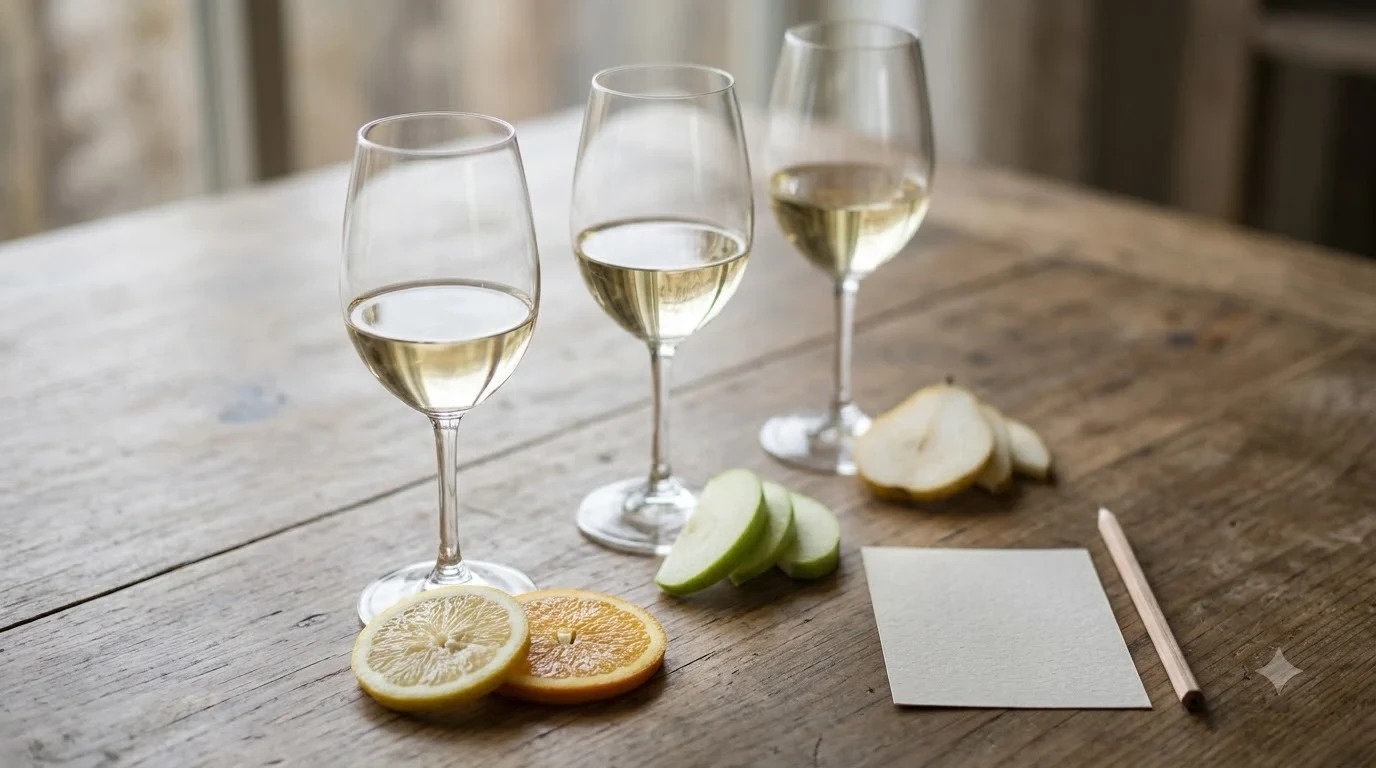
Its aromas vary according to climate and winemaking. Cooler-climate examples, particularly those from Sancerre in France’s Loire Valley, can show green apple, gooseberry, fresh grass, and mineral notes. Marlborough Sauvignon Blanc from New Zealand often emphasizes grapefruit, passion fruit, lime, and pronounced herbal aromas. Warmer-climate examples may lean toward ripe melon, peach, and tropical fruit.
Acidity is another important part of its identity. Sauvignon Blanc’s high acidity gives the wine a refreshing, mouthwatering finish and helps it stand up to ingredients such as lemon juice, vinegar, fresh herbs, and goat cheese. A replacement with noticeably lower acidity can taste heavy beside the same foods, even if its fruit aromas are similar.
Body and texture also influence the comparison. Many Sauvignon Blanc wines are light- to medium-bodied, with a clean finish and relatively little obvious oak influence. A heavily oaked Chardonnay, for example, may be dry and suitable for some of the same meals, but its buttery texture and vanilla flavors create a very different experience.
Consider these three questions before choosing another bottle:
- Do you enjoy the sharp citrus? Look for Albariño, Picpoul, or Assyrtiko.
- Do you prefer grassy and herbal aromas? Try Verdejo or Grüner Veltliner.
- Do you mainly want a light, refreshing white? Consider Pinot Grigio or a fresh Vinho Verde.
For a more complete introduction to different grape varieties, the site’s Wine by Type resource can help you understand how white wines differ in acidity, aroma, sweetness, and body.
Eight Best Sauvignon Blanc Alternatives
Albariño is the strongest all-around replacement for many Sauvignon Blanc drinkers, while Grüner Veltliner and Verdejo are especially appealing if you enjoy herbal and citrus-driven wines. The following eight alternatives cover different preferences, from mineral-driven whites to softer, fruitier styles.
1. Albariño: Best Overall Replacement
Albariño is an excellent starting point because it combines high acidity with expressive citrus and fruit aromas. It is particularly associated with Galicia in northwestern Spain, especially the Rías Baixas region.
Expect lemon, grapefruit, peach, orange, and sometimes floral aromas. Compared with a grassy Marlborough Sauvignon Blanc, Albariño usually emphasizes ripe fruit and a coastal, saline character rather than intense green pepper or freshly cut grass. Its fuller texture can also make it feel slightly rounder.
Albariño is a natural partner for shrimp, scallops, grilled fish, oysters, and ceviche. Its acidity cuts through rich seafood preparations, while its citrus character complements lemon, lime, and fresh herbs. Portuguese Alvarinho is another name to recognize when shopping for this style.
2. Grüner Veltliner: Best for Herbal and Mineral Flavors
Grüner Veltliner is an Austrian grape that offers refreshing acidity, citrus, and savory herbal notes. It is particularly suitable for people who enjoy the crisp, restrained style of Sancerre rather than intensely tropical Sauvignon Blanc.
Common flavor characteristics include green apple, lime, white pepper, and sometimes arugula-like vegetal notes. Its combination of fruit and savory character makes it especially versatile at the dinner table. The Wachau and Kamptal regions of Austria are useful names to recognize when looking for this grape.
Pair Grüner Veltliner with vegetable dishes, asparagus, salads, seafood curries, and lightly seasoned poultry. Its peppery character can complement dishes with ginger and aromatic herbs, while its acidity refreshes the palate between bites.
3. Verdejo: Best for Grapefruit and Tropical Fruit
Verdejo from Spain’s Rueda region is a particularly appealing option for drinkers who enjoy Sauvignon Blanc’s combination of citrus and tropical fruit. It can offer grapefruit, lime, melon, citrus blossom, and subtle herbal notes.
Compared with Sauvignon Blanc, Verdejo can feel slightly fuller and more rounded, depending on its production style. Some examples have a recognizable fennel character, which adds savory complexity without making the wine taste heavy.
Look for bottles labeled Rueda or Verdejo. Some Rueda wines contain a blend of Verdejo and other grapes, so a bottle specifically labeled Verdejo is a useful starting point if you want to understand the grape’s individual character.
Serve it with fish tacos, grilled shrimp, chicken salads, and dishes finished with lime juice. Oak-aged examples can also work with creamier preparations.
4. Vermentino: Best for Citrus and Seafood
Vermentino is an Italian white grape known for bright acidity, lemon zest, lime, green apple, and sometimes a subtle bitter-almond finish. It makes a particularly good substitute for people who enjoy Sauvignon Blanc’s refreshing character but prefer less pronounced grassy aromas.
Vermentino is grown in several Mediterranean areas, including Sardinia and southern France, where it may be called Rolle. Its flavors can range from crisp citrus and green fruit to ripe stone fruit, herbs, and saline notes. The style varies with growing conditions and winemaking choices.
Its natural food partners include oysters, grilled calamari, shrimp, white fish, and Mediterranean vegetable dishes. Lemon, parsley, olive oil, and garlic are particularly compatible with the grape’s fresh character.
5. Picpoul: Best for Sharp, Refreshing Acidity
Picpoul, especially Picpoul de Pinet from France’s Languedoc region, is an excellent choice if your favorite part of Sauvignon Blanc is its mouthwatering acidity. It typically shows green apple, lemon, lime zest, and a clean, refreshing finish.
Its aromatic profile is usually less aggressively grassy than Sauvignon Blanc. Instead, Picpoul offers a straightforward combination of citrus and green fruit, with enough texture to feel more expressive than many neutral light-bodied whites.
Picpoul works particularly well with oysters, mussels, grilled fish, shrimp, and other shellfish. It is also useful for simple summer meals featuring salads, lemon dressing, and fresh vegetables.
6. Assyrtiko: Best for Intense Minerality
Assyrtiko is a Greek white grape particularly associated with Santorini. It is known for pronounced acidity, mineral character, and a crisp profile that appeals to Sauvignon Blanc drinkers who prefer dry, restrained wines.
Expect citrus, lemon peel, mineral notes, and sometimes a salty impression. Its combination of freshness and structure makes it especially interesting for people who enjoy the flinty character of certain Loire Valley Sauvignon Blancs.
Serve Assyrtiko with grilled octopus, oysters, sea bass, lemon-seasoned seafood, and Mediterranean dishes. Its acidity works particularly well with salty ingredients and preparations that include olive oil and fresh herbs.
7. Vinho Verde: Best for an Easygoing, Refreshing Style
Vinho Verde from Portugal is a useful alternative if you want a fresh, uncomplicated white wine rather than an exact flavor match. It is often light-bodied, citrus-driven, and relatively low in alcohol.
Vinho Verde is a regional wine category rather than the name of a single grape. Depending on the bottle, it can include Loureiro, Arinto, Avesso, Azal, Trajadura, and Alvarinho. Typical alcohol levels are approximately 10–12% ABV, although individual wines vary.
Expect lemon, lime, green apple, and sometimes floral or lightly tropical aromas. Some examples have a gentle spritz, which adds to their refreshing character. Others are completely still.
Pair Vinho Verde with grilled shrimp, fish, salads, sushi, and light appetizers. It is particularly convenient for casual meals where you want freshness without a heavy or highly aromatic wine.
8. Pinot Grigio: Best for a Lighter, Milder Alternative
Pinot Grigio is a practical replacement when you want a dry, light-bodied white wine but do not need Sauvignon Blanc’s intense herbal aromas. Italian Pinot Grigio is often crisp and uncomplicated, with pear, lemon, green apple, and subtle floral notes.
Its acidity is generally medium to medium-high, so it can feel softer than Sauvignon Blanc. The aromatic profile is also usually more restrained. That makes it a good choice for people who find Sauvignon Blanc too pungent or assertive.
Serve Pinot Grigio with delicate fish, shrimp, chicken salads, mild cheeses, and vegetable appetizers. Avoid assuming every Pinot Grigio has identical acidity or texture: growing region, ripeness, and production choices can create meaningful differences.
| Wine | Acidity | Main flavors | Best reason to choose it |
|---|---|---|---|
| Albariño | High | Lemon, peach, grapefruit | Closest all-around alternative |
| Grüner Veltliner | High | Lime, green apple, white pepper | Herbal and savory character |
| Verdejo | Medium-high to high | Grapefruit, melon, fennel | Citrus and tropical fruit |
| Vermentino | High | Lime, lemon, green apple | Seafood and Mediterranean meals |
| Picpoul | High | Green apple, lemon, lime | Sharp, refreshing acidity |
| Assyrtiko | High | Lemon, citrus, minerality | Dry, mineral-driven wines |
| Vinho Verde | Medium-high to high | Citrus, green apple | Light, easygoing drinking |
| Pinot Grigio | Medium to medium-high | Pear, lemon, apple | Milder, lighter flavor |
These acidity descriptions are typical style comparisons rather than laboratory measurements. Individual wines can vary considerably depending on climate, ripeness, grape selection, and winemaking.
How to Choose a Substitute by Flavor Preference
The most reliable way to select an alternative is to identify the flavor you want to preserve. A wine that matches Sauvignon Blanc’s acidity may still taste very different if its aromas and body are noticeably different.

Use the following comparisons to narrow your choices:
- For grapefruit and lime: Choose Verdejo, Picpoul, or Vermentino. These wines provide citrus-driven freshness without necessarily reproducing Sauvignon Blanc’s intense grassy aromas.
- For gooseberry and fresh herbs: Choose Grüner Veltliner or a fresh Verdejo. Both can provide savory and vegetal notes that make Sauvignon Blanc distinctive.
- For passion fruit and ripe tropical fruit: Choose Albariño or a fruit-forward Verdejo. Albariño can provide peach and citrus alongside a refreshing finish.
- For flinty minerality: Choose Assyrtiko or Grüner Veltliner. Both are useful alternatives for people who enjoy mineral-driven wines from cooler regions.
- For a softer, less aromatic wine: Choose Pinot Grigio. It generally offers a more restrained aromatic profile and less pronounced acidity.
- For a light, uncomplicated white: Choose Vinho Verde. Its fresh fruit, lighter body, and moderate alcohol make it suitable for relaxed occasions.
Comparing Sauvignon Blanc with Chardonnay
Chardonnay can replace Sauvignon Blanc in some situations, but it is not usually the closest flavor match. Chardonnay generally has medium acidity, compared with Sauvignon Blanc’s high acidity, and its flavors can range from crisp apple and lemon to butter, toast, vanilla, and cream.
An unoaked Chardonnay is a better option than a heavily oaked example if you want a clean, refreshing white wine. Look for cooler-climate styles that emphasize citrus and green apple rather than obvious oak influence.
Comparing Sauvignon Blanc with Riesling
Dry Riesling can also work as a substitute because it combines high acidity with citrus, green apple, and floral aromas. However, Riesling ranges from bone-dry to sweet, making sweetness an important distinction.
If you enjoy Sauvignon Blanc with seafood or fresh salads, choose a dry Riesling rather than a noticeably sweet bottling. A sweeter style may be better suited to spicy food, provided its sweetness complements the dish.
Tip: If you are unsure what to buy, start with Albariño. It offers the most convenient balance of high acidity, citrus, fresh fruit, and food-friendly character. Choose Grüner Veltliner instead if grassy and savory notes are your favorite part of Sauvignon Blanc.
Best Food Pairings for Sauvignon Blanc Substitutes
High-acid white wines are particularly useful with seafood, salads, vegetables, and foods containing citrus or vinegar. The best replacement depends on the weight of the dish and whether its dominant flavors are salty, creamy, spicy, or herbal.
Albariño and Vermentino are especially effective with seafood because their acidity complements lemon, shellfish, and fresh herbs. Picpoul is another excellent option for oysters and mussels, while Assyrtiko works with grilled fish and Mediterranean preparations.
For vegetable dishes, Grüner Veltliner deserves particular attention. Its savory notes can complement asparagus, artichokes, green vegetables, and dishes featuring herbs or white pepper. Verdejo is also suitable for salads and fish tacos because its citrus and herbal qualities work with lime-based dressings.
Matching Wine to Specific Meals
- Oysters and raw seafood: Choose Picpoul, Vermentino, Albariño, or Assyrtiko. Their high acidity and refreshing character complement the natural saltiness of shellfish.
- Grilled shrimp: Choose Albariño or Vermentino. Both have enough citrus character to work with garlic, parsley, and lemon.
- Goat cheese salad: Choose Verdejo or Grüner Veltliner. Their fresh acidity helps balance creamy cheese and tangy dressing.
- Fish tacos: Choose Verdejo or Vinho Verde. Both work with lime, cilantro, and lightly seasoned fish.
- Grilled chicken: Choose Pinot Grigio or Albariño. These wines complement mild seasoning without overwhelming the meat.
- Vegetable curry: Choose Grüner Veltliner. Its savory character is particularly compatible with aromatic vegetables and creamy sauces.
- Sushi: Choose Albariño or Colombard. Their refreshing acidity works with seafood and lighter preparations.
Food intensity matters as much as grape variety. A delicate white fish preparation may be overwhelmed by an intensely aromatic wine, while a richly seasoned seafood curry can benefit from a more expressive alternative.
Acidic foods also need attention. Vinegar-heavy salads and dishes with generous lemon juice can make a lower-acid wine seem flat. Choose a wine with equal or higher acidity than the food for a more balanced pairing.
Salt and fat can soften the perception of tannin, but most of the white wines discussed here have little tannin compared with red wines. Chili heat is another consideration: alcohol and tannin can amplify the sensation of spice, so a lighter, lower-alcohol white or slightly off-dry Riesling can be more comfortable with particularly hot dishes.
Using a Substitute in Cooking and Everyday Wine Service
Most dry white wines can replace Sauvignon Blanc in cooking, but the best choice depends on the recipe. For sauces, seafood, and dishes that depend on citrus-like freshness, choose Albariño, Picpoul, Verdejo, or Vermentino.
Sauvignon Blanc is frequently used in seafood sauces, vinaigrettes, risotto, and recipes involving herbs or lemon. A substitute should contribute acidity and wine character without adding unwanted sweetness or heavy oak flavors.
Best Cooking Alternatives
For seafood sauces: Albariño or Vermentino provides a clean citrus profile that works with shrimp, scallops, and white fish. Both are especially useful in recipes featuring garlic, parsley, lemon, or olive oil.
For vinaigrettes: Picpoul or Verdejo can contribute freshness and acidity. Use the same amount initially as the recipe requires, then adjust the seasoning and acidity after reduction or mixing.
For risotto: Pinot Grigio or an unoaked Chardonnay is a practical choice. These wines contribute fruit and acidity without adding strong grassy flavors that might compete with mushrooms, chicken, or vegetables.
For creamy sauces: Grüner Veltliner or unoaked Chardonnay can work well. Chardonnay is especially useful when the recipe already includes butter or cream, while Grüner offers a fresher, more savory direction.
Avoid sweet or heavily oaked wines in recipes that specifically require a crisp, dry white. Sweetness can become more noticeable as liquid reduces, while prominent oak flavors may compete with delicate ingredients.
Serving Temperature and Storage
Serving temperature has a significant effect on the way a substitute smells and tastes. Light-bodied whites generally show their freshness best when served chilled, while fuller-bodied examples benefit from slightly warmer temperatures.
For most of the alternatives in this article, 45–50°F is a useful serving range. Full-bodied white wines, including richer Chardonnay styles, are generally better served around 50–55°F. Avoid serving white wine so cold that its aromas become difficult to detect.
For additional practical advice, see how to serve Sauvignon Blanc. The same basic principles apply to most crisp white alternatives, although fuller and more aromatic wines may benefit from slightly different temperatures.
Once opened, still white wines generally keep for approximately 3–5 days in the refrigerator when properly recorked. Store unopened bottles on their sides in a cool location near 55°F when appropriate for the bottle closure and storage conditions. For longer-term bottle storage, light, heat, and temperature fluctuations are more important concerns than choosing an exact substitute.
If you are comparing bottles for a future occasion, the guide to how long Sauvignon Blanc lasts unopened provides additional information about bottle storage and freshness.
Shopping for a Sauvignon Blanc Replacement
Choosing a replacement becomes easier when you use grape names and regional labels rather than relying only on the general description of a dry white wine. Several useful alternatives are associated with specific regions, making them relatively straightforward to identify.
Start with these names when browsing a wine list or retail selection:
- Rías Baixas, Spain: Look for Albariño if you enjoy citrus, peach, and saline freshness.
- Rueda, Spain: Look for Verdejo if you want grapefruit, melon, and herbal aromas.
- Wachau or Kamptal, Austria: Look for Grüner Veltliner if you prefer savory citrus and peppery notes.
- Sardinia, Italy: Look for Vermentino if you want Mediterranean citrus and seafood-friendly acidity.
- Languedoc, France: Look for Picpoul de Pinet if you want crisp green apple and lime.
- Santorini, Greece: Look for Assyrtiko if you enjoy intense minerality and high acidity.
- Portugal: Look for Vinho Verde or Alvarinho for fresh citrus and lighter-bodied alternatives.
- Northeastern Italy: Look for Pinot Grigio if you prefer a mild, straightforward white wine.
It is also useful to understand the difference between grape variety and regional wine name. Vinho Verde, for example, is not one specific grape, and a bottle from that region may contain several varieties. By contrast, a bottle labeled Albariño identifies a grape variety, although the wine’s origin and production choices still influence its style.
For the closest match, compare acidity, body, and aromatic character before considering more general descriptions such as crisp, fresh, or fruity. A wine can be refreshing without sharing Sauvignon Blanc’s characteristic herbal intensity.
Another helpful consideration is sweetness. Most Albariño, Grüner Veltliner, Vermentino, Picpoul, and standard Pinot Grigio wines are dry, but individual producers can create different styles. Riesling and Chenin Blanc require particular attention because they can range from bone-dry to noticeably sweet.
If you need a replacement for a specific recipe, consider the ingredients before selecting the bottle. If you are choosing a wine for drinking, prioritize the flavors you enjoy most rather than searching for an exact copy of Sauvignon Blanc.
For further grape comparisons, Wine Enthusiast’s guide to eight alternatives to Sauvignon Blanc examines the similarities between these varieties, including their aromas, acidity, and regional characteristics. Wine Folly’s Sauvignon Blanc substitute recommendations also explain how to match alternatives such as Verdejo, Albariño, and Grüner Veltliner with food.
Frequently Asked Questions
Can I substitute Sauvignon Blanc with dry vermouth?
Dry vermouth can replace Sauvignon Blanc in some cooked sauces, particularly recipes that need a dry, aromatic liquid. However, vermouth is fortified and flavored with botanicals, so it has a more concentrated and distinctive character than ordinary table wine. Start with a smaller amount and adjust the seasoning to avoid overwhelming delicate ingredients.
Is Fumé Blanc the same as Sauvignon Blanc?
Yes. Fumé Blanc is a name used for Sauvignon Blanc, particularly in the United States. The term became associated with a style popularized by California winemaker Robert Mondavi. Depending on the producer, the wine can emphasize fresh fruit or include additional texture from oak aging.
Can I replace Sauvignon Blanc with sparkling wine?
Dry sparkling wines can work as alternatives in some meals, especially seafood appetizers and celebratory dishes. Brut sparkling wine generally has a dry profile and refreshing acidity, while Prosecco is made primarily from Glera grapes using the tank method. Avoid sweet sparkling styles if the recipe specifically requires a dry white wine.
Does Sauvignon Blanc have a grape relative that tastes similar?
Sémillon is an important blending partner for Sauvignon Blanc in Bordeaux, particularly in white Bordeaux wines. It generally contributes more body and texture, while Sauvignon Blanc provides aromatic freshness and acidity. The combination can create a different balance from a Sauvignon Blanc bottled on its own.
Can I use a nonalcoholic white wine instead of Sauvignon Blanc?
Yes, a nonalcoholic dry white wine can work in recipes or meals where avoiding alcohol is important. Products vary considerably in acidity, sweetness, and flavor concentration, so select one that emphasizes citrus and fresh fruit. In cooking, nonalcoholic white wine may behave differently during reduction because its alcohol content and composition are different from conventional wine.
The best sauvignon blanc substitute depends on the qualities you want to preserve. Albariño is the strongest starting point for a balanced, refreshing white, while Grüner Veltliner, Verdejo, Vermentino, and Picpoul offer distinctive alternatives for different flavor preferences. Once you identify whether acidity, citrus, herbal aromas, or body matters most, choosing the right bottle becomes much simpler.
More in Wine Types & Grapes
 What Does Mourvèdre Taste Like? Flavor Profile, Regions, and PairingsUpdated Nov 20, 2026
 What Does Marsanne Taste Like? Flavors, Styles, and Food PairingsUpdated Nov 20, 2026
 What Does Malvasia Taste Like? Styles, Flavors, and Food PairingsUpdated Nov 20, 2026
 What Does Grenache Blanc Taste Like? Flavor Profile, Styles, and PairingsUpdated Nov 20, 2026
 What Does Garnacha Taste Like? Key Flavors, Styles, and Pairing TipsUpdated Nov 20, 2026
 What Does Fruit Wine Taste Like? A Complete Flavor and Style BreakdownUpdated Nov 20, 2026