

We may earn a commission when you buy through links on this page, at no extra cost to you. Learn more.
The best saperavi food pairing choices revolve around rich, savory, and charred dishes such as grilled meats, slow-braised beef short ribs, roasted lamb, hearty bean stews, and aged hard cheeses. Native to the Republic of Georgia, this rare red-fleshed grape produces deeply colored wines with firm tannins, dark berry flavors, and brisk natural acidity. That combination of structural grip and mouthwatering freshness cuts cleanly through heavy fats, smoky glazes, and tomato-based sauces without overwhelming the palate.
Because Saperavi bridges the gap between dark, full-bodied power and cool-climate brightness, it behaves differently at the dinner table than plush, low-acid reds. Knowing how its winemaking style and regional origin shape its texture makes matching it to your menu straightforward.
What Saperavi Is
Saperavi is an ancient red wine grape indigenous to Georgia, where viticulture dates back roughly 8,000 years, and its name translates directly to “to paint” or “to dye” according to Wine Enthusiast. Unlike most red grape varieties that carry pigment only in their skins, Saperavi is a teinturier grape, meaning both its skin and its interior pulp are saturated with dark anthocyanins.
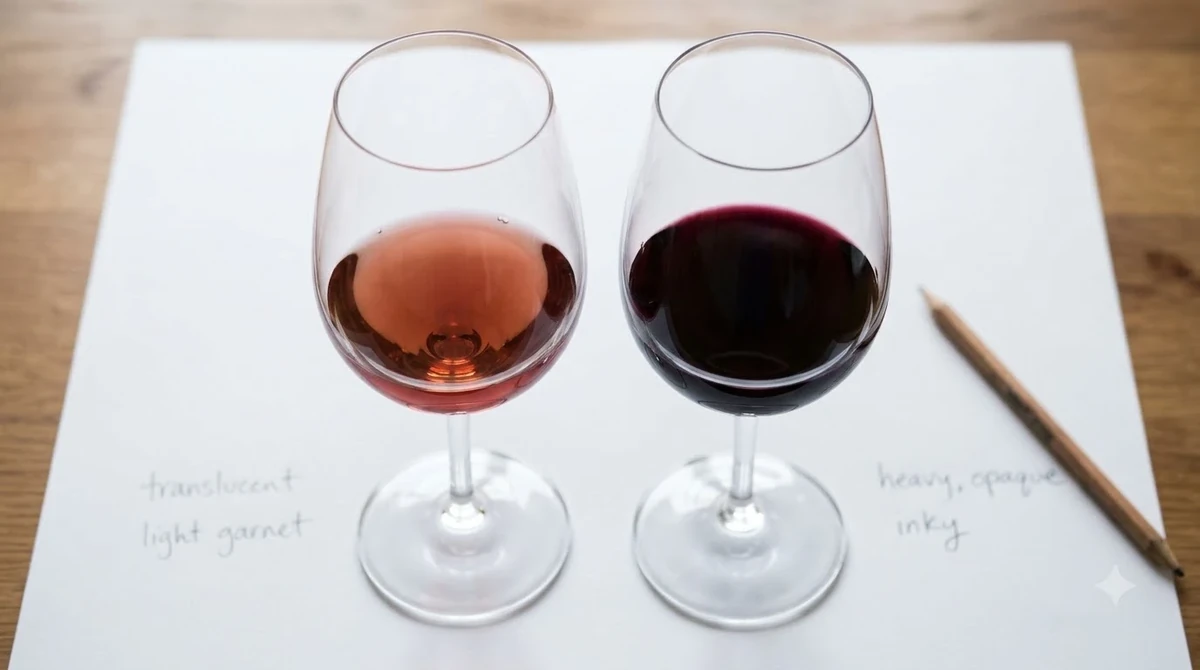
That red-fleshed biology gives the resulting wine an unmistakable visual signature: an opaque, almost black core with a vivid purple rim. Because pigment and phenolic compounds come from the entire berry rather than the skins alone, Saperavi develops concentrated color, notable extract, and serious structural backbone even when harvested in cooler growing seasons.
In the glass, Saperavi functions like a hybrid of familiar international styles. It carries the inky depth and dark-fruit density of Syrah or Malbec alongside the snappy, food-friendly acidity more commonly associated with Sangiovese or Nebbiolo. Exploring broader Wine by Type comparisons highlights how rare it is to find a red grape that packs both chewy polyphenolic grip and vibrant tartness in equal measure.
Flavor and Winemaking Styles
Across all production methods, Saperavi delivers a core profile of blackberry, black cherry, ripe plum, and mulberry layered over savory notes of black pepper, dried herbs, and earth. However, how a producer ferments and ages the fruit dramatically alters the wine’s weight, tannin texture, and ideal companion on the plate.
Unoaked or stainless-steel-aged dry Saperavi preserves pure, energetic dark berry fruit and highlights the grape’s natural acidity. These bottles feel medium- to full-bodied, juicy, and brisk, making them effortless partners for everyday tomato-driven pasta dishes, wood-fired pizza, and herb-marinated poultry. In contrast, oak-aged dry Saperavi—often matured in barrels for a year or more—develops broader shoulders, softer edges, and secondary aromas of dark chocolate, tobacco, clove, leather, and baking spice that call for richer proteins.
Georgia is also famous for traditional qvevri Saperavi, fermented and aged on its skins inside large, beeswax-lined clay vessels buried underground. Qvevri maturation imparts a distinctly earthy, smoky, and textured character with pronounced, grippy tannins that stand up to charred meats and walnut-enriched sauces. Finally, winemakers in appellations like Kindzmarauli and Akhasheni halt fermentation early to craft naturally semi-sweet Saperavi, where residual sugar balances the grape’s high acidity and polyphenolic structure for spicy dishes or blue cheeses.
Where Saperavi Grows
While Saperavi thrives across several Georgian wine regions, its spiritual and commercial heartland is Kakheti in eastern Georgia. Sheltered by the Greater Caucasus Mountains, the Alazani Valley enjoys long, warm summer days paired with cool evening breezes descending from the peaks, allowing the thick-skinned berries to reach full phenolic ripeness without losing their trademark acidity.
Within Kakheti, specific microzones produce distinct expressions. Mukuzani is celebrated for structured, oak-aged dry Saperavi built for long-term cellaring, while Kvareli is the home of plush, semi-sweet Kindzmarauli. Because the vine tolerates harsh winter freezes and summer drought remarkably well, it has also migrated successfully far beyond the Caucasus.
In the United States, New York’s Finger Lakes region has embraced Saperavi as a cold-hardy red variety capable of thriving near deep glacial lakes. Finger Lakes bottlings frequently show lower alcohol levels—sometimes around 11.5% to 12.9% ABV—alongside bright red-and-black fruit, cedar, and racy acidity that resemble cool-climate Italian reds. Producers in warm, dry pockets of Australia, such as the King Valley and McLaren Vale, also cultivate Saperavi, yielding plush, sun-ripened expressions with dark plum fruit and supple spice.
How to Serve Saperavi
Serving Saperavi slightly below typical room temperature keeps its bold fruit crisp and prevents the alcohol or tannins from feeling heavy. Aim for 60°F to 65°F (16°C to 18°C) for dry bottlings, giving the bottle roughly 20 to 30 minutes in the refrigerator before pouring.
If you are pouring a semi-sweet style such as Kindzmarauli, chill it slightly further—closer to 55°F to 60°F—so the residual sweetness feels refreshing rather than syrupy. Pour the wine into a large-bowled red wine glass, such as a Bordeaux or Syrah stem, which gives its dense aromatics room to unfurl.
Young, oak-aged, or qvevri-fermented Saperavi benefits substantially from aeration. Decanting a structured bottle for 30 to 60 minutes softens its firm tannins and opens up savoury undertones of dried herbs, black pepper, and forest floor. Older dry vintages—which can evolve gracefully in a cool cellar for 10 to 15 years—only need a brief decant to separate any fine natural sediment.
Tip: Because Saperavi is a red-fleshed teinturier grape, stray drops stain tablecloths, cutting boards, and teeth much faster than standard red wines—keep sparkling water or a napkin handy when pouring.
Saperavi Food Pairing Guide
The secret to successful saperavi food pairing lies in matching the wine’s dual personality: its firm tannins crave protein and char, while its high acidity slices through fat, cream, and tangy sauces. When you put Saperavi alongside lean, delicate dishes like poached white fish or steamed greens, the tannins feel astringent; place it next to rich, caramelized, or spiced food, and both the plate and the glass come into focus.
In its homeland, no Georgian supra—a traditional multi-course feast—is complete without Saperavi anchoring the table. Classic Georgian matches include mtsvadi (pork or beef skewers grilled over grapevine cuttings), chakapuli (herb-packed lamb stew with tarragon and sour plums), and khachapuri (warm cheese-filled bread). Sommeliers also praise its versatility with Western comfort food; sommelier Jarrett Buffington notes in Decanter that lighter, minimal-intervention bottlings shine with simple spaghetti bolognese, whereas oak-driven styles excel alongside braised beef ribs and creamy polenta.
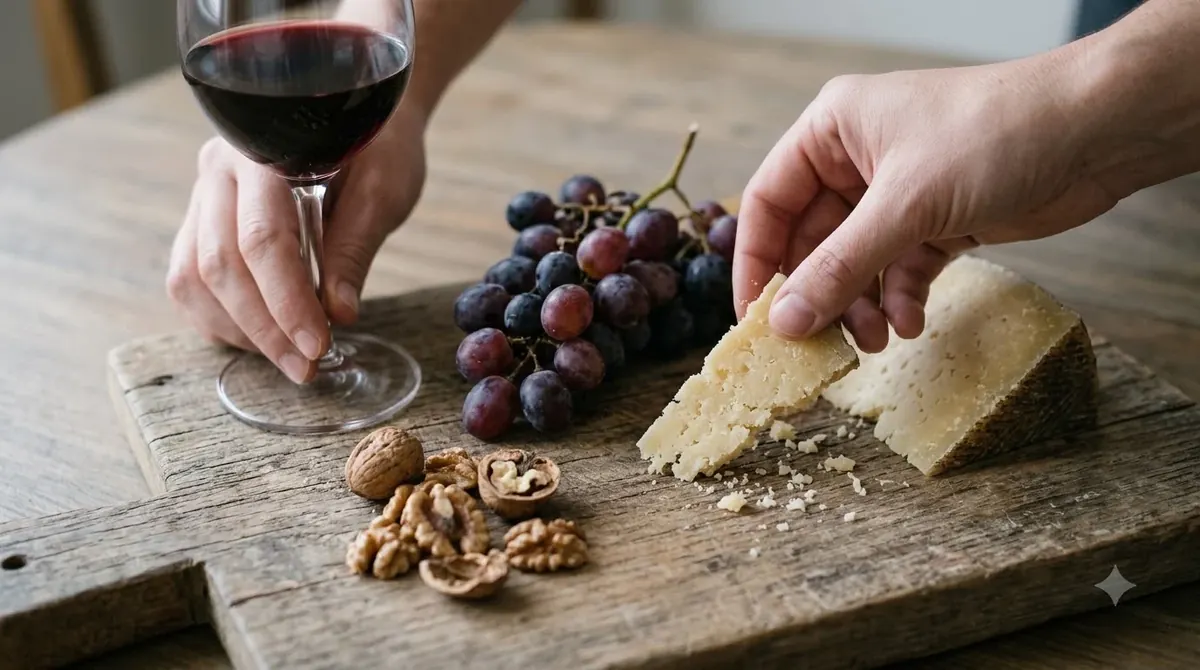
That same interplay of acid and structure makes Saperavi an underrated ally for American barbecue, dry-aged ribeye, beef barbacoa tacos, and char-grilled portobello mushrooms stuffed with walnuts and aged cheese. If you already enjoy the peppery, acid-driven versatility of blaufrankisch food pairing for roasted meats, or the rustic Mediterranean grip behind carignan food pairing for herb-crusted lamb and tomato stews, Saperavi will feel right at home in your rotation. Even hearty seafood like grilled salmon, seared tuna, or swordfish works well with unoaked, cooler-climate Saperavi, provided the fish has a smoky sear or savory glaze.
| Saperavi Style | Key Wine Traits | Best Dish Categories | Specific Pairing Examples |
|---|---|---|---|
| Dry, Unoaked / Stainless Steel | Bright blackberry, sour cherry, brisk acidity, medium-firm tannins | Tomato-based pastas, charred poultry, meaty grilled fish | Spaghetti bolognese, pepperoni pizza, grilled salmon with herbs, chicken cacciatore |
| Dry, Oak-Aged (e.g., Mukuzani) | Full body, dark plum, baking spice, chocolate, velvety tannins | Braised red meats, dry-aged steaks, rich slow-cooked stews | Braised beef short ribs with polenta, prime rib, smoked brisket, roast leg of lamb |
| Traditional Qvevri | Earthy, smoky, dried herbs, savory spice, grippy texture | Charred skewers, nut-based sauces, umami-rich vegetarian mains | Pork or beef mtsvadi, roasted eggplant with walnut paste, wild mushroom ragu |
| Semi-Sweet (e.g., Kindzmarauli) | Lush dark berries, gentle residual sugar, balancing acidity | Spiced glazes, salty blue cheeses, dark chocolate desserts | Sticky glazed pork ribs, gorgonzola or aged cheddar board, dark chocolate tart |
How to Choose a Bottle
Shopping for Saperavi becomes much easier once you check three details on the front and back labels: dryness level, origin, and vessel aging. Because Georgia produces both bone-dry and naturally semi-sweet bottlings from the exact same grape, verifying whether the label states “Dry” or carries a semi-sweet appellation name like Kindzmarauli prevents an unexpected surprise at dinner.
For classic, full-flavored structure, look for Georgian bottles labeled Kakheti or the Mukuzani appellation, which requires dry vinification and oak maturation. If you prefer a brighter, slightly lighter-alcohol red with snappy red-berry lift for weeknight cooking, seek out estate bottlings from New York’s Finger Lakes.
Finally, check the back label for the word “Qvevri” if you want a more savory, earthy, and textured dining experience. While Saperavi carries serious aging potential, most modern releases are bottled ready to drink with a 30-minute decant, making it easy to pick up a bottle the same afternoon you plan to cook.
Frequently Asked Questions
Is Saperavi always a dry red wine?
No, although most Saperavi exported to the United States is vinified completely dry. Georgia also produces famous naturally semi-sweet Saperavi wines—most notably Kindzmarauli and Akhasheni—by halting fermentation early so residual grape sugar remains. Always check the label for terms like “Dry” or “Semi-Sweet” before pairing it with savory main courses.
What familiar red wine tastes closest to Saperavi?
Dry Saperavi combines the dark, inky fruit concentration of Syrah or Malbec with the lively, mouthwatering acidity of Sangiovese or Nebbiolo. Cooler-climate versions from places like the Finger Lakes lean closer to structured Italian reds, while warm-climate Georgian and Australian bottlings feel closer to bold Cabernet Sauvignon or Shiraz.
Can you pair Saperavi with vegetarian or spicy food?
Yes, provided the vegetarian dish has hearty texture, umami, or charred flavors—such as grilled portobello mushrooms, roasted eggplant with walnuts, or smoky bean stews. For spicy dishes like beef barbacoa or chili-glazed meats, choose a fruit-forward, unoaked dry Saperavi or a lightly chilled semi-sweet style, as heavy oak tannins can amplify chili heat.
Do I need to decant Saperavi before dinner?
Decanting is strongly recommended for young, oak-aged, or qvevri-fermented Saperavi. Giving the wine 30 to 60 minutes in a decanter softens its firm tannins and lets its dark berry, black pepper, and earthy aromas open up. Lighter, unoaked styles only need a quick swirl in a large glass.
Whether you are slow-roasting a Sunday leg of lamb, grilling weeknight burgers, or putting together a spread of aged cheeses and roasted vegetables, Saperavi brings rare balance to the table. Match the wine’s oak and dryness level to the weight of your sauce, serve it slightly cool, and let its natural acidity carry every bite.
More in Wine Types & Grapes
 Zinfandel Sugar Content: Dry Red vs. White Zinfandel GramsUpdated Nov 21, 2026
 Best Zinfandel Substitute Options for Sipping and CookingUpdated Nov 21, 2026
 Zweigelt Food Pairing: Best Dishes, Cheeses, and Serving TipsUpdated Nov 21, 2026
 Zinfandel Tannins Explained: How Structure Shapes Every BottleUpdated Nov 21, 2026
 Zinfandel Sweetness Level: Dry Red vs. Sweet White Zin ExplainedUpdated Nov 21, 2026
 Xinomavro Food Pairing: Best Dishes, Styles, and Serving TipsUpdated Nov 21, 2026