

We may earn a commission when you buy through links on this page, at no extra cost to you. Learn more.
Saperavi wine is a deep red from Georgia, made from a grape whose juice is red as well as its skin. The wines are very dark in color, with a pleasant astringency and fairly high acidity, and they range from dry and structured to semi-sweet. Saperavi has been Georgia’s most important commercial red grape, and it is also grown in Moldova, Ukraine, Bulgaria, Russia and parts of the United States and Australia.
This guide explains where saperavi comes from, what the wine tastes like, the main Georgian styles you may see on a label and how to serve and pair it. It is aimed at readers who want to try a bold red outside the usual Cabernet and Merlot range.
Where Saperavi Comes From
Saperavi originated in the Kakheti region of eastern Georgia, and it is now grown across the country. According to the Wikipedia entry on Saperavi, it is Georgia’s most important commercial red, and it is also significant in Moldova, Ukraine and Bulgaria. Russia is listed among the main users, and growers in the Finger Lakes and Niagara regions of New York and in King Valley, Victoria, in Australia also produce it.
The name is Georgian. In the Georgian language, “saperavi” means something close to “paint” or “give color,” which fits a grape that makes such dark wine. Georgia has a long winemaking tradition, and Saperavi is one of the varieties most closely tied to the country’s identity.
What Makes Saperavi Unusual
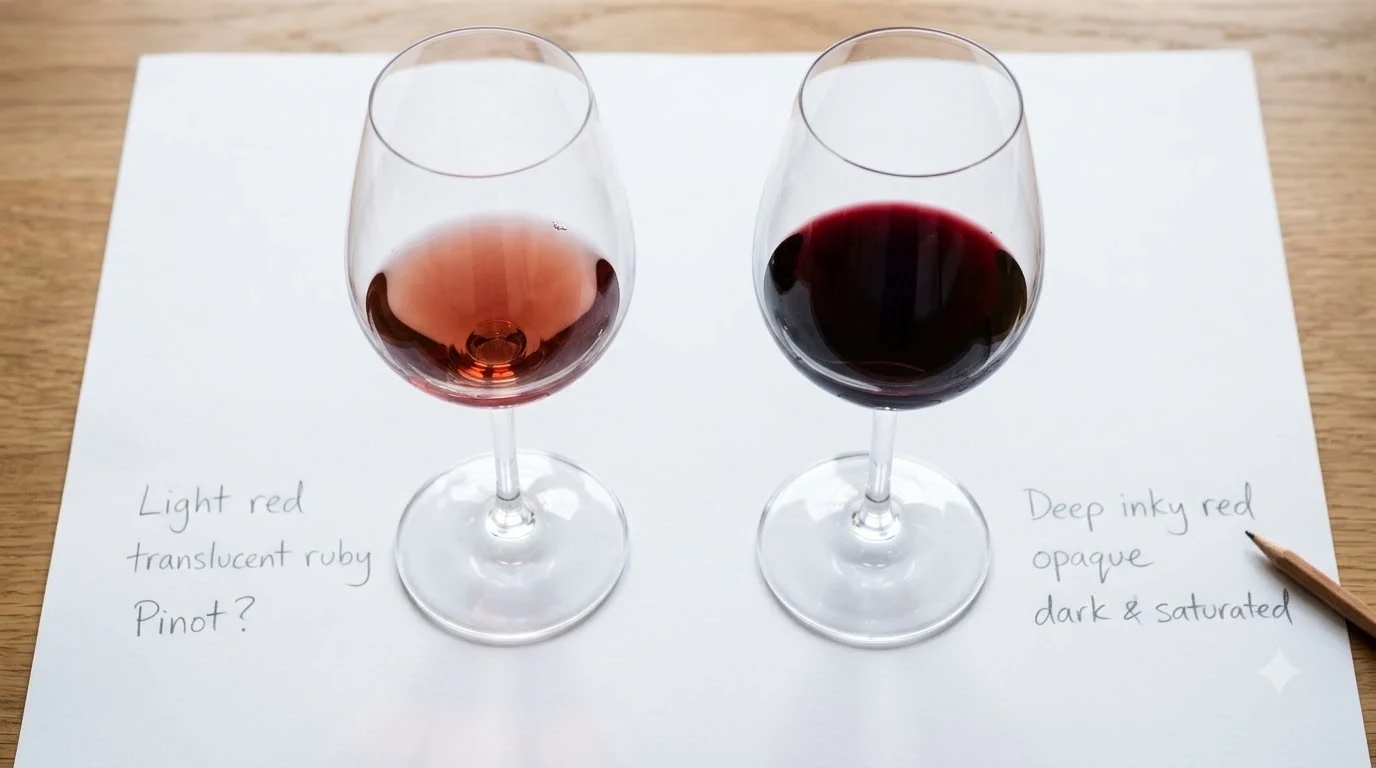
Most red grapes have colored skins and clear juice. Saperavi is a teinturier, a term for grapes whose juice is red as well as the skin. The red pigment sits in the pulp, not just in the skin, which means the wine can be very deeply colored even when the winemaker does not extract much from the skins. The berries are dark bluish and have thin skins.
That color is the first thing most people notice. The wine is typically a deep purple-red, and it stains glasses and clothing easily. The color is not a sign of heaviness alone, though. The acidity and the fruit give the wine balance, so a good Saperavi can feel lively as well as dense.
Flavor Profile and Structure
Saperavi is a full-flavored wine with dark fruit at its core. Expect blackberry, black cherry, plum and a dusty, earthy background. The tannin is firm, and the wine has what Wikipedia describes as a pleasant astringency, which means it can feel drying at first and then settle. Acidity is high enough to keep the wine fresh, and the alcohol typically falls between 10.5% and 12.5%, which is moderate for a red of this weight.
The grape can reach high alcohol levels, which is one reason winemakers often blend it with lighter grape varieties to soften the structure and keep the wine in balance. Saperavi also suits long aging, so older bottles can show more complexity than the young fruit suggests.
| Feature | Typical saperavi wine |
|---|---|
| Color | Very deep red, often purple-tinged |
| Body | Medium to full |
| Alcohol | About 10.5% to 12.5% ABV |
| Acidity | High enough to keep the wine fresh |
| Tannin | Firm, with an astringent edge when young |
| Main flavors | Blackberry, black cherry, plum, earth |
The Main Georgian Styles
Saperavi appears in several well-known Georgian wines, and the style changes with the producer and region. The names below are the ones you are most likely to see on a shelf or a restaurant list.
- Kindzmarauli: a natural semi-sweet wine from Kvareli, aged for about two years.
- Akhasheni: a semi-sweet wine from the Gurjaani area, similar in style to Kindzmarauli.
- Mukuzani: a dry red, typically aged for about three years.
- Napareuli: a dry red, also aged for about three years.
- Alazani: a light semi-sweet wine, often a blend of Saperavi and the white Rkatsiteli grape.
If you are new to Georgian red, a dry style such as Mukuzani or Napareuli gives the clearest picture of the grape. A semi-sweet bottle like Kindzmarauli is a different experience and works well with dessert or with spicy food.
How to Serve Saperavi
Serve saperavi slightly cooler than room temperature, so the fruit stays fresh and the tannin does not feel heavy. A short time in the refrigerator before pouring is usually enough for a dry bottle. Decanting a young, tannic wine for about half an hour helps soften the edges and lets the aromas open, while older bottles may need only a brief pour into the glass.
Use a large red wine glass so the aromas have room to develop. The wine is intense, so a small pour is often enough for a meal, and the glass can take time to show its full character.
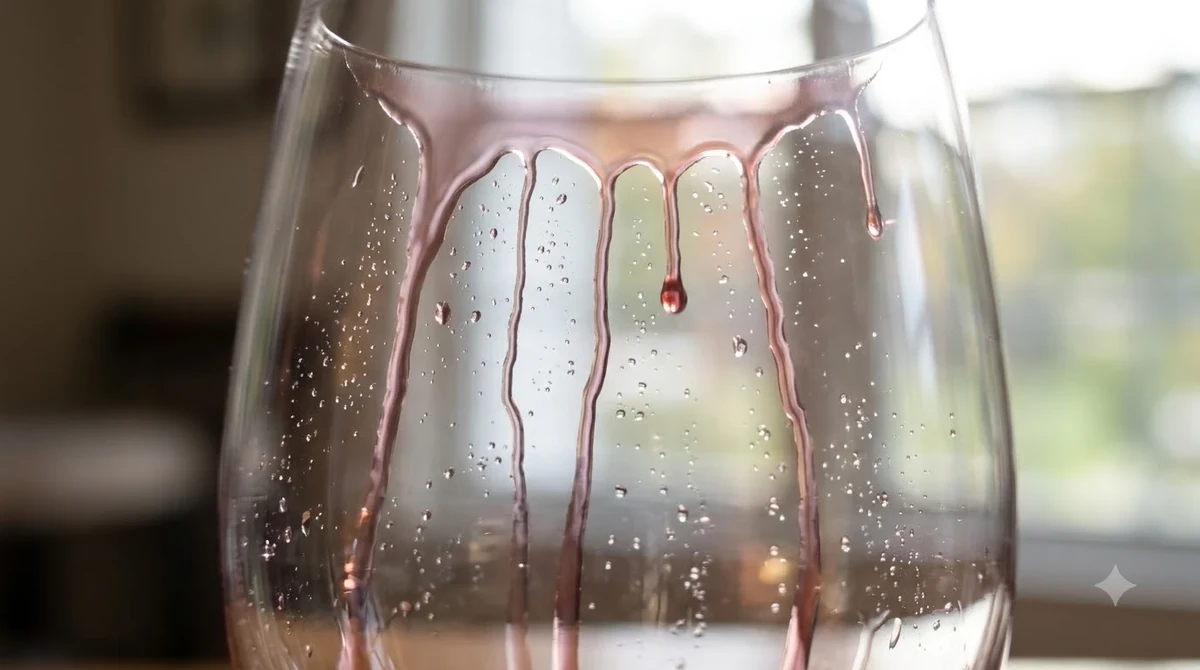
Tip: Saperavi stains easily. Rinse the glass well after pouring, and use a cloth on the bottle neck to keep drips off the tablecloth.
Food Pairings for Saperavi
Because Saperavi is full-flavored with firm tannin, it suits rich, savory food. Grilled and roasted meats are the classic match, especially lamb, beef and game. The wine’s acidity helps it stand up to fatty dishes, and its dark fruit complements smoked or charred flavors.
Georgian cooking offers natural partners. Grilled skewers, stews with walnuts and herbs, and spiced sauces all work well with a dry Saperavi. A semi-sweet style such as Kindzmarauli pairs with spicy dishes and some desserts, where the sweetness softens the heat and the tannin does not clash.
For a simpler meal at home, try a dry Saperavi with a plate of roasted vegetables, aged cheese or a hearty mushroom dish. The wine has enough structure to handle those flavors without feeling heavy.

How Saperavi Compares to Other Bold Reds
Saperavi is often placed beside Cabernet Sauvignon or Syrah because it is dark, structured and built for aging. The difference is in the character. Saperavi tends to show more earthy, rustic dark fruit than the polished blackcurrant of many Cabernets, and its color is more intense than most. If you enjoy a firm red with some grip, Saperavi is a good next step after a Cabernet. For a similar structured red from another grape, see our guide to cabernet franc wine, which covers another red that combines dark fruit with savory notes.
For a white wine with a similarly firm, mineral character, our article on the assyrtiko grape shows how a grape from another warm wine region can keep its acidity and structure.
How to Choose a Bottle
Choose the style first. If you want a dry, structured red for dinner, look for a dry Georgian bottle or a dry Saperavi from a producer whose notes describe the tannin and fruit clearly. If you want something softer or sweeter, choose a semi-sweet style. Read the back label or the producer’s website to check whether the wine is dry or semi-sweet, since the two can look similar on the shelf.
Young saperavi is usually best within a few years of the vintage, though some producers make bottles meant for longer aging. Older Saperavi can be a rewarding bottle for a special meal if the producer’s notes say it is built to age. Our Wine by Type section covers other red styles so you can compare.
Frequently Asked Questions
Is saperavi a sweet wine?
It can be either. Saperavi is made as a dry red and also as semi-sweet styles such as Kindzmarauli and Akhasheni. Check the label to see which style you are buying.
Why is saperavi wine so dark?
Saperavi is a teinturier grape, which means the red pigment is in the pulp as well as the skin. That gives the wine a very deep color even when the skins are not heavily extracted.
Where does saperavi come from?
It originated in the Kakheti region of Georgia and is still Georgia’s most important commercial red. It is also grown in Moldova, Ukraine, Bulgaria, Russia and in some areas of the United States and Australia.
Does saperavi age well?
Yes, the grape is suited to extended aging, and the structured dry styles can develop more complexity over time. Young bottles are fruit-forward and firm, so they are often enjoyed within a few years of release.
Saperavi is a bold, distinctive red that rewards anyone who enjoys dark fruit, firm tannin and a bit of earth. Start with a dry Georgian bottle, serve it slightly cool, and pair it with grilled or savory dishes. Once you have tried it, you will see why Georgia treats this grape as its own.
More in Wine Types & Grapes
 Zinfandel Sugar Content: Dry Red vs. White Zinfandel GramsUpdated Nov 21, 2026
 Best Zinfandel Substitute Options for Sipping and CookingUpdated Nov 21, 2026
 Zweigelt Food Pairing: Best Dishes, Cheeses, and Serving TipsUpdated Nov 21, 2026
 Zinfandel Tannins Explained: How Structure Shapes Every BottleUpdated Nov 21, 2026
 Zinfandel Sweetness Level: Dry Red vs. Sweet White Zin ExplainedUpdated Nov 21, 2026
 Xinomavro Food Pairing: Best Dishes, Styles, and Serving TipsUpdated Nov 21, 2026