

We may earn a commission when you buy through links on this page, at no extra cost to you. Learn more.
The santa margherita pinot grigio price typically ranges from about $13 to $27 for a 750 ml bottle in the United States, depending on the retailer, location, and availability. This Italian white wine occupies a higher price tier than many everyday Pinot Grigio options, offering a dry, crisp style with Golden Delicious apple aromas and a fresh finish. Comparing bottle sizes and local retailer listings can help you decide whether the standard bottle represents good value for your wine budget.
Santa Margherita has become a recognizable name in Italian white wine, particularly among drinkers who enjoy refreshing, food-friendly Pinot Grigio. Its pricing reflects its established reputation, Italian origin, and recognizable house style. However, the amount you pay can vary considerably between supermarkets, specialty wine shops, and online retailers. This guide explains typical US retail costs, what influences them, how to compare purchasing options, and what to expect from the wine itself.
Who Should Consider Santa Margherita Pinot Grigio?
Santa Margherita Pinot Grigio is a good option for shoppers who want a recognizable Italian white wine with a consistently dry, refreshing profile. Its combination of apple aromas, balanced freshness, and versatile food pairings makes it suitable for casual dinners, entertaining, and everyday occasions that call for something more distinctive than an inexpensive house white.
The wine comes from the Adige River Valley in the Italian Alps. According to the producer, the grapes are harvested by hand, soft-crushed, and fermented in temperature-controlled tanks. This production approach is intended to preserve the delicate fruit and aromatic qualities of Pinot Grigio rather than produce a heavily extracted or oak-dominated white wine.
Shoppers familiar with Italian white wines may recognize the difference between this style and inexpensive, broadly labeled Pinot Grigio. Santa Margherita offers a more recognizable producer identity and a defined regional background. Its profile is particularly appealing to people who prefer dry white wine with clean fruit characteristics instead of pronounced sweetness or heavy buttery flavors.
The wine is especially appropriate for several occasions:
- Weeknight dinners: Its dry profile works with grilled chicken, seafood pasta, and lighter meals.
- Casual entertaining: The familiar Italian Pinot Grigio style is approachable for guests with different wine preferences.
- Summer gatherings: Its refreshing character makes it suitable for outdoor meals and afternoon occasions.
- Gifts: The established brand name makes it a recognizable choice for someone who regularly enjoys Italian white wine.
- Restaurant-style meals at home: It complements shellfish, fish-based rice dishes, and fresh cheeses.
However, this is not necessarily the right purchase for everyone. Someone primarily looking for the lowest-cost white wine may find less expensive alternatives that serve a similar everyday purpose. Likewise, drinkers who prefer rich, buttery Chardonnay or noticeably sweet white wine may not enjoy its relatively crisp, dry character.
Before deciding, consider whether you value the producer’s recognizable style and Italian origin enough to pay more than you would for a basic supermarket Pinot Grigio. Reading the Santa Margherita Pinot Grigio overview can also help clarify whether its flavor profile matches your preferences.
Key Factors That Affect the Bottle Price
The price of Santa Margherita Pinot Grigio depends on more than the wine’s name. Bottle size, retailer pricing, distribution, location, and purchasing circumstances all influence the final amount, making comparisons between stores particularly useful.
For a standard 750 ml bottle, a practical US retail budget is approximately $13 to $27. This indicative range is supported by ShopSavvy retailer examples around $12.95 to $18.48, Total Wine’s displayed listing, and the producer’s online shop listing; prices vary by state and retailer.
| Purchase factor | Typical details | Why it matters |
|---|---|---|
| Standard bottle | 750 ml | The most common comparison size |
| Smaller bottle | 375 ml | Useful for smaller occasions |
| Typical serving | 5 oz | Helps estimate servings per bottle |
| Standard bottle servings | About 5 glasses | Useful for entertaining budgets |
| Producer alcohol specification | 12.5% ABV | Identifies the wine’s stated strength |
| Recommended serving temperature | 50–54°F | Helps preserve freshness and aroma |
| Suggested aging potential | 1–2 years | Indicates a fresh-drinking style |
Retailer pricing and local availability
One of the biggest reasons shoppers encounter different prices is that wine retailers operate with different purchasing costs, margins, and local distribution arrangements. A large chain may offer competitive pricing because of its purchasing volume, while a smaller independent wine shop may charge more for the same bottle because of its operating costs and inventory arrangements.
ShopSavvy’s Santa Margherita Pinot Grigio retailer comparison provides useful examples of this variation. Its retailer listings include prices around $12.95, $12.99, $15.99, $18.00, and $18.48 for the wine. These examples illustrate why checking more than one seller can make a meaningful difference.
For another reference point, Total Wine lists the 750 ml bottle and displays retailer-specific pricing. Its product information also identifies the wine as a dry white from Alto Adige, Italy, with Golden Delicious apple characteristics. The displayed price is not a guaranteed nationwide amount because store availability and local pricing can differ.
Bottle size and purchasing quantity
Bottle format also changes how much you spend at checkout. The standard 750 ml format is the natural starting point for comparing retailers, but Total Wine’s Santa Margherita brand listings also show a 375 ml Pinot Grigio option.
A smaller bottle can make sense when buying wine for one or two people, especially if you do not expect to finish a standard bottle within several days. However, a smaller format does not automatically provide better value per milliliter. Compare the relative volume before deciding.
Online ordering and shipping considerations
Online wine shopping can provide access to more retailers, but the displayed bottle cost is not always the complete purchase cost. Shipping charges, delivery restrictions, minimum order requirements, and applicable local taxes may change the final amount.
The producer’s online shop also lists its 750 ml bottle, providing another reference point when comparing retailer offerings. Its product page identifies the wine as medium-bodied and vegan-friendly. Availability depends on the shipping states supported by the retailer.
Tip: Compare at least three retailers using the same 750 ml bottle size. Check the final checkout amount, shipping requirements, and local availability rather than choosing solely by the advertised bottle price.
Step-by-Step: How to Compare Prices Before Buying
A straightforward comparison process helps you avoid paying more than necessary while making sure you are comparing the same wine and bottle format. Start with the standard 750 ml bottle, then consider location, final checkout costs, and the quantity you actually need.
-
Identify the exact wine.
Search for Santa Margherita Pinot Grigio rather than simply searching for Pinot Grigio. This prevents confusion with other producers, different Italian white wines, and unrelated products from the same brand.
-
Choose the correct bottle size.
Start with 750 ml for a standard comparison. If you are buying for one person or planning a smaller occasion, check whether a 375 ml bottle is available. Comparing different bottle sizes without accounting for volume can produce misleading conclusions.
-
Check several retailer listings.
Compare a large wine retailer, a local independent shop, and an online seller. Retailer comparisons from ShopSavvy provide examples of how the same wine can have different listed prices across stores.
-
Calculate the cost per serving.
A 750 ml bottle provides approximately five standard 5 oz pours. Divide the bottle’s total purchase cost by five to estimate the cost of each glass. This makes it easier to evaluate the wine for dinner parties and other gatherings.
-
Review delivery and pickup options.
Check whether the retailer offers local pickup, shipping, or delivery in your area. Add applicable shipping charges and taxes to the comparison so you understand the actual amount payable.
-
Consider how soon you will drink it.
Santa Margherita recommends enjoying its Pinot Grigio fresh, with an aging potential of approximately one to two years. Avoid purchasing more bottles than you can reasonably store and enjoy within that period.
-
Choose the retailer that offers the best overall value.
Consider convenience, bottle condition, availability, and the final purchase cost. A slightly higher local retail price may be reasonable if it avoids delivery fees or gives you the bottle immediately.
This process is useful whether you are buying one bottle for dinner or several bottles for an event. The objective is to compare equivalent products and realistic purchase costs rather than treating the lowest displayed number as the only consideration.
For shoppers who are also comparing the wine’s strength with other white wines, the Santa Margherita Pinot Grigio alcohol content information provides additional context for understanding its stated ABV and serving characteristics.
Types and Styles of Santa Margherita Pinot Grigio
The standard Santa Margherita Pinot Grigio is a dry Italian white wine designed to emphasize freshness, fruit, and versatility. Understanding its production and flavor characteristics helps explain its position in the market and why some shoppers are willing to pay more for it than for basic Pinot Grigio.
The standard dry Pinot Grigio
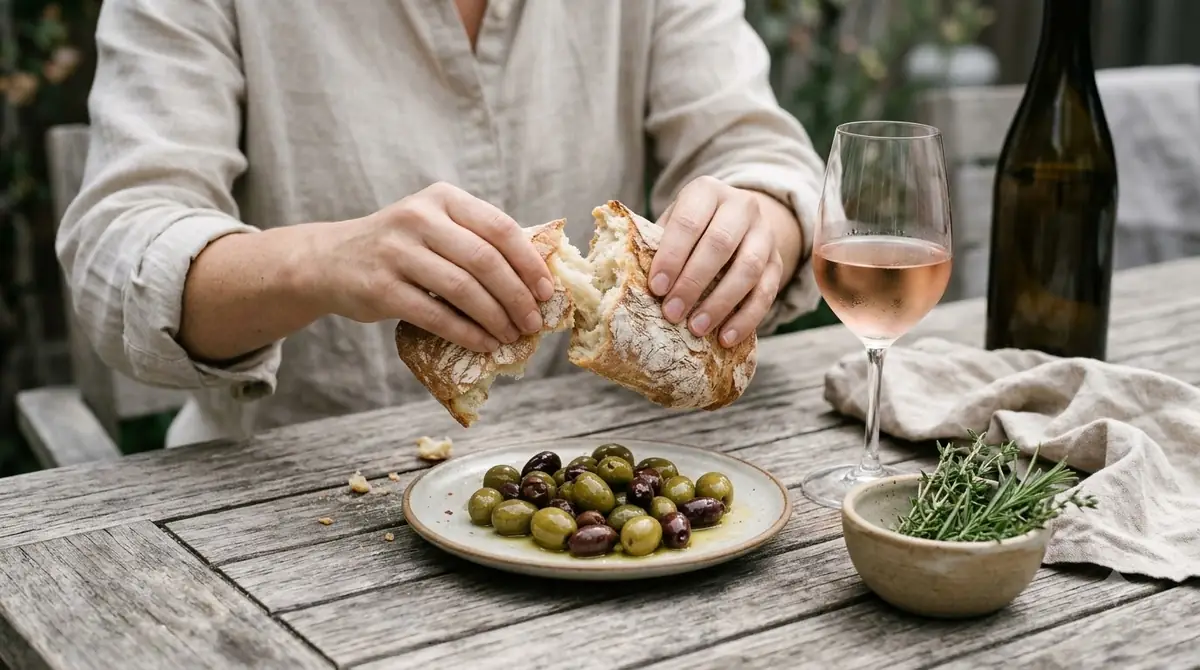
The familiar bottling is made from Pinot Grigio grapes sourced from the Adige River Valley. The producer describes its appearance as straw yellow, with a clean, intense aroma and a bright, balanced taste.
Golden Delicious apple is the defining aroma mentioned in the producer’s tasting description. The overall style is dry rather than sweet, making it suitable for drinkers who prefer white wines with fresh fruit characteristics and a clean finish.
Santa Margherita’s production description explains that the grapes are harvested by hand and carefully soft-crushed. Fermentation takes place in temperature-controlled tanks, followed by additional weeks of aging before filtration and bottling.
Understanding the Italian regional character
The Adige River Valley is an important part of the wine’s identity. The producer identifies the growing area in the Italian Alps and gives an altitude range of approximately 985 to 1,475 feet above sea level.
The producer also specifies moderately loose, pebbly soils of morainic and fluvial origin. These details help establish the wine’s regional background rather than presenting it as a generic white wine without a defined production area.
For shoppers interested in the broader Italian Pinot Grigio category, this regional identity can be a useful point of comparison. Different producers and growing regions can create different balances of acidity, fruit, body, and aromatic intensity, even when they use the same grape variety.
Flavor, body, and serving style
Santa Margherita describes the standard wine as medium-bodied in its online shop. Its dry profile and apple-led aroma make it appropriate for people who enjoy uncomplicated, refreshing white wine rather than heavily oaked or creamy styles.
The producer recommends serving it between 50 and 54°F. This temperature allows the wine to remain refreshing without making its aromas difficult to appreciate. A medium-sized tulip-shaped glass that narrows toward the rim is also recommended.
These characteristics are useful when assessing whether the bottle fits your preferences. The Santa Margherita Pinot Grigio tasting notes provide further information about its aroma, flavor, and food compatibility.
How it differs from less expensive Pinot Grigio
Less expensive Pinot Grigio can offer a similar general drinking style, particularly when the objective is simply to find a dry, refreshing white wine. However, the differences between bottles may involve the producer’s reputation, regional origin, production decisions, and the wine’s particular flavor expression.
Santa Margherita’s appeal is not based on an unusually sweet flavor or a heavily structured profile. Instead, its identity centers on a recognizable Italian style, dry apple-led character, and versatility at the table.
That distinction matters when evaluating its retail cost. Someone who values an established producer and a consistent stylistic identity may consider the additional expense reasonable. A shopper who mainly wants an inexpensive wine for cooking or casual consumption may prefer a lower-priced alternative.
Common Mistakes When Comparing Santa Margherita Prices
Price comparisons become misleading when shoppers overlook bottle size, retailer conditions, or differences between wine products. Avoiding a few common mistakes makes it easier to judge whether a particular listing represents reasonable value.
Comparing 375 ml and 750 ml bottles directly
The most obvious mistake is treating two different bottle sizes as equivalent. A 375 ml bottle contains half the volume of a standard 750 ml bottle, so the checkout amount alone does not tell you which option provides better value.
For a fair comparison, calculate the price per 100 ml or per standard 5 oz serving. This is particularly useful if one retailer has a smaller bottle available while another lists only the standard format.
Assuming every Pinot Grigio is interchangeable
Pinot Grigio is a grape variety, not a guarantee that all wines will taste the same. Differences in growing conditions, production methods, ripeness, and winemaking choices influence the final result.
Santa Margherita emphasizes Golden Delicious apple aromas, a dry taste, and a straw-yellow appearance. A different Pinot Grigio might be lighter, more citrus-driven, more mineral, or less aromatic.
Comparing wines only by their grape name can therefore overlook the characteristics that justify choosing one producer over another.
Ignoring local retailer pricing
Another common mistake is assuming that a national retailer’s displayed price applies everywhere. Wine distribution and retail conditions differ by state, and local availability can influence what shoppers actually pay.
A retailer may display one amount online while a particular store carries different inventory or pricing. Independent shops may also have different purchasing arrangements and overhead costs.
For this reason, use online comparisons as a starting point rather than a guarantee of the amount available at your nearest store.
Overlooking the final purchase cost
An attractive bottle listing may become less competitive once delivery charges, taxes, and order requirements are included. This matters particularly when purchasing only one bottle.
For example, someone buying a single bottle for dinner may find that local pickup is more economical than paying a delivery charge. Conversely, a larger order may make shipping more practical if the retailer has suitable fulfillment arrangements.
Buying more wine than necessary
Buying several bottles simply because the displayed price looks attractive can lead to unnecessary spending. The producer gives the standard Pinot Grigio an aging potential of approximately one to two years and recommends fresh enjoyment.
It is better to estimate how many bottles you will actually use. A standard 750 ml bottle provides approximately five 5 oz servings, making it relatively easy to calculate the quantity needed for a meal or gathering.
Finally, do not assume that a higher price guarantees that you will personally prefer the wine. Flavor preference is subjective, and a less expensive white wine may be more enjoyable for someone who prefers a different balance of fruit and acidity.
Care and Storage Tips After Purchasing
Proper storage helps preserve the freshness that makes Santa Margherita Pinot Grigio appealing. The most important considerations are avoiding excessive heat, serving the wine at the recommended temperature, and keeping an opened bottle refrigerated.
Store unopened bottles correctly
For longer storage, keep wine in a cool, dark environment with a relatively stable temperature. A temperature near 55°F is a useful general target for wine storage. Avoid locations that experience repeated temperature changes, such as kitchen cabinets beside ovens or areas exposed to direct sunlight.
For bottles with traditional cork closures, horizontal storage helps keep the cork in contact with the wine. This is a practical general storage recommendation for wine collections.
Because Santa Margherita describes its Pinot Grigio as a fresh-drinking wine with a one-to-two-year aging potential, there is little reason to purchase it specifically for extended cellar aging.
Chill before serving
Santa Margherita recommends a serving temperature of 50 to 54°F for its Pinot Grigio. Refrigerating the bottle before serving is a convenient way to approach this range.
Avoid serving the wine excessively cold. Very low temperatures can make its apple aromas and other delicate characteristics less noticeable. If the bottle has been in the refrigerator for several hours, allowing it to warm slightly before pouring may improve the aromatic experience.
A medium-sized tulip-shaped glass that narrows toward the rim is the producer’s recommended glass style. However, a regular white wine glass is also a practical option for casual meals.
Preserve an opened bottle
If you do not finish the bottle, reseal it with an appropriate wine stopper and place it in the refrigerator. Most opened still white wines remain enjoyable for approximately three to five days when refrigerated, although freshness can decline depending on oxygen exposure and storage conditions.
Keeping the bottle upright after opening helps reduce the amount of wine exposed to oxygen. Try to finish it while its fresh fruit aromas and crisp character are still present.
Match the wine with suitable food
Santa Margherita specifically recommends seafood, shellfish, seafood-based pasta and rice dishes, fresh cheeses, white meats, and soufflés. These combinations complement the wine’s dry, refreshing style without overpowering its delicate fruit characteristics.
For an easy dinner pairing, consider grilled white fish with lemon, shrimp pasta, or a fresh cheese platter. Chicken dishes with light sauces are also sensible options.
Avoid pairing delicate Pinot Grigio with dishes dominated by very hot chili or heavy, tannic ingredients. Strong heat can make alcohol more noticeable, while powerful flavors can overwhelm the wine’s relatively restrained profile.
These storage and serving practices help protect the qualities you are paying for. A well-priced bottle that has been stored poorly may offer a less satisfying experience than a properly handled bottle purchased for slightly more.
Frequently Asked Questions
Is Santa Margherita Pinot Grigio considered a premium wine?
It is generally positioned above basic everyday Pinot Grigio in the US retail market, with an established producer identity and recognizable Italian origin. However, it is not necessarily a luxury collectible wine. Its main appeal is a recognizable dry style suited to regular meals and entertaining.
Is Santa Margherita Pinot Grigio vegan-friendly?
Yes, the producer’s online shop describes the standard Pinot Grigio as vegan-friendly. This information is useful for shoppers who specifically seek wines made without animal-derived fining ingredients. Vegan suitability should still be distinguished from organic certification, which is a separate designation.
Does Santa Margherita Pinot Grigio contain oak flavors?
The producer describes fermentation in temperature-controlled tanks and highlights a clean, fresh fruit profile rather than prominent oak characteristics. Its Golden Delicious apple aroma is a more recognizable feature of the standard bottling. This makes it a different stylistic choice from many oak-influenced Chardonnays.
How many calories are in a serving of Santa Margherita Pinot Grigio?
The producer’s online shop lists approximately 108 calories per 5 fl oz serving. Actual nutritional values can vary with the product formulation and serving size. A standard 750 ml bottle contains approximately five such servings.
Is Santa Margherita Pinot Grigio suitable for a wine gift?
Yes, its recognizable Italian producer name and familiar dry white wine style make it a practical gift for someone who enjoys Pinot Grigio. It is particularly suitable for casual dinner invitations, summer gatherings, and hosts who appreciate food-friendly white wines. For a more personal gift, consider pairing the bottle with suitable white wine glasses.
Santa Margherita Pinot Grigio offers a recognizable Italian white wine style, with a dry apple-led profile and versatility across seafood, chicken, and lighter meals. A sensible US shopping budget for the standard 750 ml bottle is approximately $13 to $27, although individual retailer prices and availability vary. Compare equivalent bottle sizes, account for delivery costs, and choose a retailer that offers good overall value for the occasion.
More in Wine Brands
 Underwood Wine Price: Compare Bottles, Cans, and Pack SizesUpdated Nov 21, 2026
 Zenato Wine Price: Compare Styles and Choose the Right BottleUpdated Nov 21, 2026
 Zuccardi Wine Price: Compare Bottles and Find the Right RangeUpdated Nov 21, 2026
 Yellow Tail Moscato Review: Taste, Sweetness and Serving TipsUpdated Nov 21, 2026
 Wolf Blass Yellow Label Review: Choose Your Best StyleUpdated Nov 21, 2026
 Wolffer Estate Rose Review: Choose the Right Bottle for Your TableUpdated Nov 21, 2026