

We may earn a commission when you buy through links on this page, at no extra cost to you. Learn more.
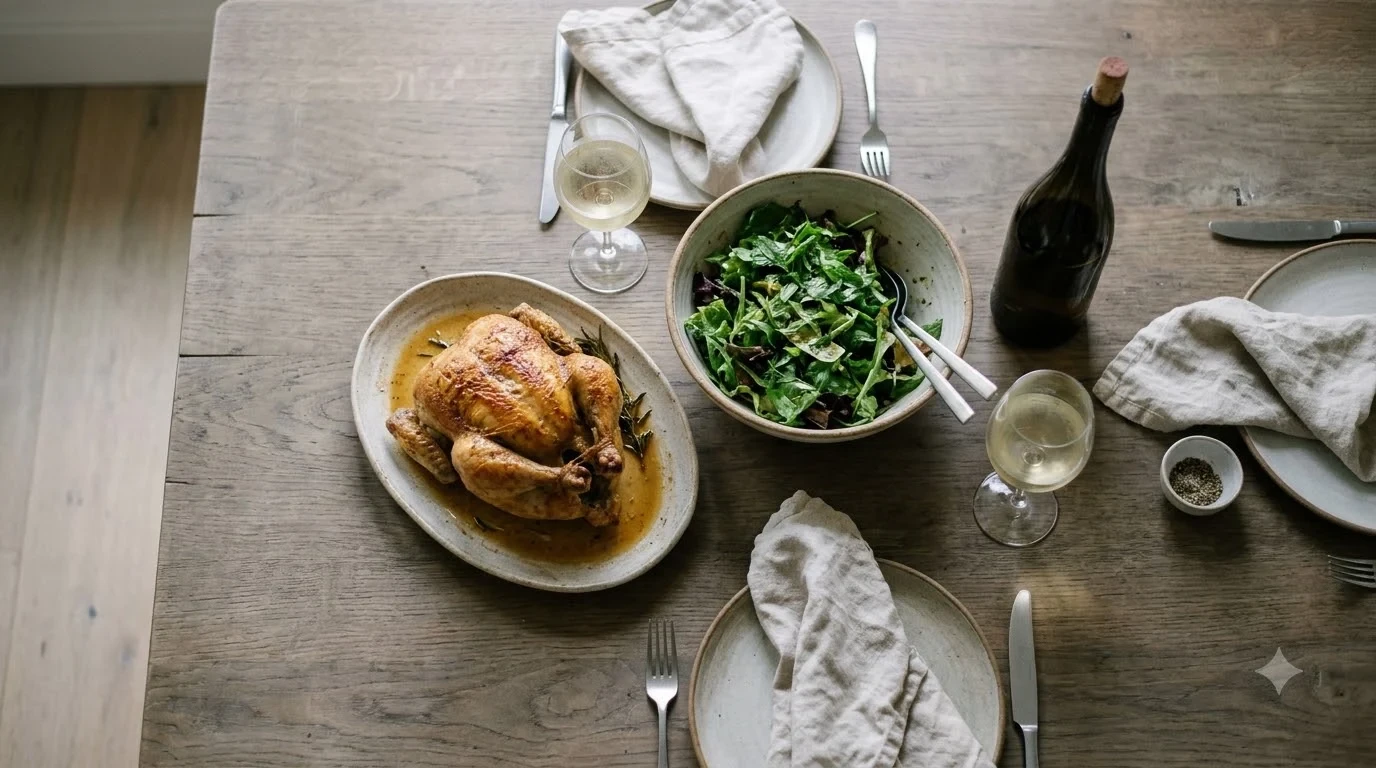
The best wine for dinner party entertaining is a versatile selection of sparkling wine, crisp white wine and approachable red wine that complements the menu while giving guests different styles to enjoy. For most gatherings, Sauvignon Blanc, Chardonnay, Pinot Noir and Cabernet Sauvignon provide a useful starting point. Add an off-dry Riesling if you are serving spicy dishes or welcoming guests who prefer sweeter wines. The right combination depends on the food, guest preferences, party length and serving arrangements rather than a single universally perfect bottle.
Choosing wine for a dinner party should make hosting easier, not create another complicated part of the menu. A thoughtful selection can accommodate different tastes, complement several courses and give guests enough variety without requiring a separate bottle for every dish. The key is to choose wines with complementary levels of acidity, sweetness, tannin and body, then plan quantities and serving temperatures before guests arrive.
Who This Dinner Party Wine Selection Is For
A successful dinner-party wine selection is designed around the people attending, the food being served and the atmosphere of the evening. Most hosts benefit from offering two or three different wine styles rather than expecting one bottle to suit every guest and course.
Hosts entertaining a mixed group should prioritize approachable wines with recognizable characteristics. Some guests prefer crisp white wine, others want a smooth red, and some enjoy sparkling or slightly sweet options. Sauvignon Blanc and Pinot Noir are useful starting points because they offer contrasting styles without being excessively heavy. Adding a bottle of sparkling wine gives guests another option before dinner.
Hosts serving a planned multi-course meal can build the selection around the food. A seafood appetizer, roasted chicken main course and fruit dessert call for different considerations than a steak dinner with rich sauces and chocolate cake. You do not necessarily need a different wine for every course. Two well-chosen bottles can work across an entire meal when their acidity, body and flavor complement the dishes.
First-time wine hosts should concentrate on dependable grape varieties rather than obscure regions or unfamiliar production methods. A dry Sauvignon Blanc, medium-bodied Pinot Noir and approachable Chardonnay are easier starting points than highly tannic reds or unusually sweet specialty wines. If guests have different preferences, a small selection is generally more useful than buying several bottles of one style.
Hosts with a limited serving area should consider practical details before purchasing. Sparkling wine and white wine need refrigerator space, while red wine can be kept in a cooler area of the kitchen before serving. Having a small ice bucket or wine cooler available makes it easier to maintain appropriate temperatures throughout dinner.
For anyone still learning how to select bottles, the broader principles in this wine buying guide can help clarify grape varieties, wine styles and the characteristics worth comparing before making a purchase.
The simplest starting point is to identify the main course, consider the guests’ preferences and choose a selection that provides both red and white options. You can then decide whether sparkling or sweeter wine would improve the experience.
Key Factors to Compare Before Buying Dinner Party Wine
The most useful comparisons involve grape variety, body, acidity, tannin, sweetness and food compatibility. These characteristics help determine whether a bottle will work with the meal and appeal to the people around the table.
| Wine style | Body and character | Typical acidity or tannin | Useful dinner pairing |
|---|---|---|---|
| Sauvignon Blanc | Light to medium, crisp | High acidity | Seafood, salads, goat cheese |
| Chardonnay | Medium to full | Medium acidity | Roast chicken, creamy pasta, salmon |
| Pinot Noir | Light to medium, delicate | Low to medium tannin; high acidity | Chicken, salmon, mushrooms |
| Merlot | Medium-bodied, softer texture | Medium tannin | Pork, roasted vegetables, beef |
| Cabernet Sauvignon | Full-bodied, structured | High tannin | Steak, lamb, rich meat dishes |
| Off-dry Riesling | Light to medium, aromatic | High acidity | Spicy dishes, Asian-inspired food |
| Dry rosé | Light to medium, refreshing | Generally refreshing acidity | Appetizers, grilled vegetables, poultry |
| Brut sparkling wine | Light-bodied, lively bubbles | Refreshing acidity | Canapés, seafood, fried appetizers |
Body describes how substantial a wine feels in the mouth. A light-bodied wine generally suits delicate dishes, while a full-bodied wine can stand alongside rich sauces, roasted meats and intensely flavored foods. Matching the intensity of the food and wine is one of the central principles taught by the Court of Master Sommeliers. A delicate seafood dish can be overwhelmed by an especially powerful Cabernet Sauvignon, while a substantial rib-eye steak may make a very light white wine seem insignificant.
Acidity is particularly important when selecting a versatile dinner wine. Sauvignon Blanc and Riesling generally have high acidity, making them useful with acidic sauces, seafood and rich foods. Chardonnay usually has medium acidity, offering a softer alternative for chicken and creamy dishes. If a dish contains lemon, vinegar or tomato, a wine with equal or higher acidity is generally a better match.
Tannin matters most when comparing red wines. Cabernet Sauvignon typically has high tannin, while Merlot is softer and Pinot Noir generally has low to medium tannin. Tannins interact with protein and fat, making structured reds suitable for richer meat dishes. However, high-tannin reds can overwhelm delicate seafood and increase the perception of bitterness in some pairings.
Sweetness is another important consideration, particularly if the menu includes chili, sweet sauces or dessert. A wine should generally be at least as sweet as the food being served. Otherwise, the wine can taste unusually sharp or thin. A slightly sweet Riesling is often a more flexible choice for spicy dishes than a high-alcohol, heavily tannic red.
The Court of Master Sommeliers explains these structural principles in its food and wine pairing guide, including why food weight, acidity, sweetness and tannin influence a successful match.
When comparing labels, consider alcohol level, grape variety and the general style of the wine. These details help identify whether the bottle is likely to suit the meal, although production choices and growing conditions can create considerable differences within the same grape variety.
Step-by-Step: How to Choose Wine for a Dinner Party
A practical buying process starts with the guest list and menu, then moves to bottle quantities, wine styles and serving arrangements. Following these steps helps avoid unnecessary purchases and makes the evening easier to manage.
-
Count the guests who are likely to drink wine.
Start with the number of people attending rather than the total number of invitations. Consider guests who prefer non-alcoholic drinks, those who may only want a small serving and whether other beverages will be available. Keeping sparkling water and appealing alcohol-free options available makes the table more welcoming.
-
Decide how many bottles you need.
A standard 750 ml bottle provides approximately five 5-ounce glasses. Wine.com recommends using one bottle for every two guests as a starting point for a two-to-three-hour party. For a longer gathering, consider additional bottles based on the menu, guest preferences and other drinks being served.
-
Plan the wine around the menu.
Identify the dominant flavors, cooking methods and sauces. Grilled salmon with lemon, for example, creates different pairing considerations from grilled salmon with a rich mushroom sauce. A dish’s sauce and seasoning can influence the pairing as much as its main ingredient.
-
Choose at least one white and one red for a mixed group.
A crisp Sauvignon Blanc and approachable Pinot Noir provide a useful starting combination. Chardonnay can replace or supplement the white option when the meal includes creamy sauces, poultry or richer seafood. Cabernet Sauvignon is another choice for guests who prefer full-bodied reds with substantial meat dishes.
-
Add sparkling or off-dry wine when appropriate.
Brut sparkling wine works well for welcoming guests and serving appetizers. Off-dry Riesling is useful when the menu includes chili, sweet sauces or strongly seasoned dishes. These additions provide variety without requiring an elaborate collection.
-
Allocate bottles according to preferences.
If most guests prefer white wine, purchase more white than red. If the main course is steak and the group enjoys full-bodied reds, increase the red allocation. An equal split is a starting point, not a requirement.
-
Prepare the serving temperatures.
Chill sparkling wine to approximately 40–50°F, light whites and rosé to 45–50°F, and fuller whites to 50–55°F. Serve lighter reds around 55–60°F and fuller reds around 60–65°F. Allow enough time for chilled bottles to reach the appropriate temperature before dinner.
Example bottle calculations
The following estimates use the five-glass yield of a standard 750 ml bottle and the one-bottle-per-two-guests starting point for a two-to-three-hour party. They are planning examples rather than fixed drinking targets.
| Guests | Starting bottle estimate | Approximate 5 oz pours | Practical planning note |
|---|---|---|---|
| 4 | 2 bottles | 10 | Two different styles can cover the meal. |
| 6 | 3 bottles | 15 | Consider two whites and one red if guests prefer white. |
| 8 | 4 bottles | 20 | Three styles can offer useful variety. |
| 10 | 5 bottles | 25 | Allocate according to the main course and preferences. |
| 12 | 6 bottles | 30 | Consider additional wine for a longer evening. |
| 16 | 8 bottles | 40 | Provide a mix of red, white and sparkling options. |
These calculations assume approximately one bottle per two guests, not that every guest must drink the full allocation. For a four-hour event, Williams Sonoma cites a catering guideline of one-half to three-fourths of a bottle per person, illustrating why event length and guest preferences matter. Adjust the plan if wine is only one of several beverages available.
For example, an eight-person dinner with a seafood starter, roast chicken main course and fruit dessert could use two bottles of white wine, one bottle of Pinot Noir and one bottle of sparkling wine. If the group strongly favors red wine, adjust the allocation accordingly.
Wine Types and Styles Explained for Different Dinner Party Menus
The most useful dinner-party wines are not necessarily the most expensive or complex bottles. They are wines with enough freshness, balance and flexibility to work with the dishes and guests you have chosen.
Sauvignon Blanc for seafood and lighter dishes
Sauvignon Blanc is one of the most practical white wines for entertaining because its high acidity and fresh character complement many lighter dishes. It works particularly well with oysters, shrimp, grilled white fish, goat cheese and salads with citrus-based dressings.
A New Zealand Sauvignon Blanc often offers pronounced citrus and herbal characteristics, while examples from France’s Loire Valley can show a more restrained mineral and citrus profile. Either style can work well with seafood appetizers and vegetable dishes.
Serve Sauvignon Blanc at approximately 45–50°F. It is particularly useful at summer dinners and gatherings where guests are likely to eat several small dishes rather than one substantial main course. For more options and selection advice, see this guide to dry white wine.
Chardonnay for creamy dishes and poultry
Chardonnay provides a broader range of textures than many lighter white wines. Unoaked or lightly oaked versions can be fresh and relatively restrained, while barrel-aged examples may have richer textures and more pronounced vanilla, butter or toast characteristics.
This makes Chardonnay particularly useful for roast chicken, baked fish, mushroom pasta and dishes prepared with cream or butter. A medium-bodied Chardonnay can also work across two courses, reducing the need to open several different bottles.
Serve fuller Chardonnay at approximately 50–55°F. Avoid serving it so cold that its aromas and texture become difficult to appreciate. For a menu featuring rich cream sauces, choose a bottle with enough acidity to keep the combination from feeling excessively heavy.
Pinot Noir for versatile red wine pairing
Pinot Noir is a strong choice for hosts who want a red wine that does not overpower the meal. It typically has relatively low to medium tannin, high acidity and flavors that can include cherry, raspberry, cranberry and earthy notes.
These characteristics make it suitable for roast chicken, pork, mushroom dishes, salmon and many charcuterie selections. Oregon Pinot Noir and red Burgundy are familiar regional examples, although individual wines vary considerably in weight and flavor.
Serve Pinot Noir at approximately 55–60°F. Its moderate structure gives it greater flexibility than a heavily tannic Cabernet Sauvignon when the menu includes several different proteins and vegetables.
Merlot for softer, approachable red wine
Merlot generally has medium tannin and a softer texture than Cabernet Sauvignon. Its plum, cherry and dark-fruit characteristics make it suitable for pork, roast chicken, grilled vegetables and moderately rich beef dishes.
It is particularly useful when guests enjoy red wine but do not necessarily want the firm tannins of a full-bodied Cabernet Sauvignon. A balanced Merlot can also bridge the gap between lighter reds and more powerful styles.
Serve Merlot around 60–65°F, depending on its weight. If the menu includes several meat dishes and a selection of roasted vegetables, this style offers a useful middle ground.
Cabernet Sauvignon for steak and substantial mains
Cabernet Sauvignon is a natural choice for dinners featuring steak, lamb, braised beef and other rich meat dishes. Its high tannin and full-bodied structure can stand up to substantial food, especially when the dish includes protein and fat.
A grilled rib-eye, beef tenderloin or braised short rib can provide the richness needed to balance a structured Cabernet Sauvignon. However, its tannins may overwhelm delicate fish, mild salads and lighter vegetable dishes.
Serve full-bodied Cabernet Sauvignon at approximately 60–65°F. Young, particularly structured examples may benefit from 30–60 minutes of decanting before dinner. If you want to compare other options, explore this selection of dry red wine.
Riesling for spicy dishes and sweeter preferences
Riesling is one of the most adaptable wines for menus featuring aromatic spices, chili, sweet sauces and salty ingredients. Dry Riesling can offer pronounced acidity without noticeable sweetness, while off-dry versions provide a little residual sugar that can balance spicy food.
Consider off-dry Riesling with Thai curries, spicy noodles, glazed pork or dishes with ginger and chili. The acidity helps maintain freshness, while the sweetness can reduce the impression of heat. Moscato is another option for guests who prefer a softer, sweeter wine.
Serve sweet or off-dry Riesling at approximately 43–50°F, depending on its sweetness and body. A bottle of Riesling is especially useful when the guest list includes people who find dry wines too tart.
Sparkling wine and rosé for flexible entertaining
Sparkling wine can be served before dinner with olives, cheese, seafood and salty appetizers. Brut styles are particularly practical because they are generally dry enough to accompany savory food without making the meal feel overly sweet.
Dry rosé offers another flexible choice. Its refreshing acidity and fruit characteristics can complement grilled vegetables, poultry, seafood, charcuterie and outdoor meals. It is also a convenient option when guests have different preferences about red and white wine.
Serve sparkling wine at approximately 40–50°F and light rosé at 45–50°F. If you want a single bottle to cover several appetizer styles, either can be a useful addition to the table.
Common Dinner Party Wine Buying and Pairing Mistakes
Most wine-selection problems come from choosing bottles without considering the complete menu, purchasing too many similar styles or overlooking the needs of individual guests. A few straightforward adjustments can prevent these issues.
Buying only one type of wine
A bottle of Cabernet Sauvignon might be ideal for steak, but it is unlikely to satisfy every guest at a dinner featuring seafood, poultry and vegetables. Likewise, a crisp Sauvignon Blanc may be excellent with appetizers but less appealing to guests who strongly prefer red wine.
For a mixed group, offering at least one white and one red is a sensible starting point. A sparkling or off-dry option can provide additional variety. Wine.com similarly recommends covering several different style categories rather than relying on one crowd-pleasing bottle.
Ignoring the sauce and cooking method
Choosing wine according to the main ingredient alone can lead to disappointing combinations. Grilled chicken with lemon and herbs has different pairing needs from chicken served with a rich cream sauce. A tomato-based pasta dish also requires different considerations from a mushroom and butter sauce.
The Court of Master Sommeliers emphasizes evaluating the complete dish, including its preparation, sauces, condiments and sides. This is particularly important for dishes containing several competing flavors.
Pairing dry wine with very sweet food
Sweet dishes can make dry wine seem more acidic, bitter or astringent. This problem can occur with glazed pork, honey-based sauces, sweet barbecue dishes and desserts containing fruit or caramel.
Choose a wine with enough sweetness to complement the food. For example, an off-dry Riesling may work better with a sweet-and-spicy sauce than an intensely dry Sauvignon Blanc. For dessert, the wine should generally be at least as sweet as the dish.
If guests enjoy sweeter reds, a suitable sweet red wine can provide another option alongside the drier styles. This is especially helpful when the meal includes fruit-based desserts or guests who prefer less tannic wines.
Serving red wine too warm
Many hosts assume that red wine should be served at ordinary room temperature. However, a warm room can make a full-bodied wine feel excessively alcoholic and heavy. Cabernet Sauvignon and Merlot generally benefit from being served slightly cooler than a heated dining room.
Similarly, serving white wine directly from an extremely cold refrigerator can reduce its aromatic expression. Remove fuller whites a little before serving and monitor the temperature throughout dinner.
Opening too many bottles at once
Opening every bottle before guests arrive can create unnecessary waste, particularly when some guests prefer one style over another. Start with the wines intended for appetizers and the first course, then introduce the remaining bottles as the meal progresses.
This approach also makes it easier to maintain appropriate temperatures and keep sparkling wine fresh. You can always open another bottle when needed rather than presenting the entire selection immediately.
Tip: Choose wines according to the dominant flavor and weight of the dish, not just its main ingredient. A lemon-butter fish dish may suit an acidic Sauvignon Blanc, while a rich mushroom cream sauce could work better with Chardonnay or Pinot Noir.
Wine Care, Storage and Serving Tips for Dinner Parties
Good wine service begins before guests arrive. Appropriate storage, temperature control, glassware and pouring practices help preserve the characteristics of each bottle and make serving more convenient.
Store unopened bottles correctly
Wine should generally be stored in a cool, dark location near 55°F, away from direct sunlight and significant temperature fluctuations. Bottles with natural cork closures are traditionally stored on their sides to help keep the cork from drying out.
Avoid leaving wine in a warm kitchen, near an oven or beside a sunny window. Even if you are purchasing bottles only a few days before a dinner party, stable storage conditions are preferable to repeated exposure to heat and light.
If you have purchased several different wines, organize them according to their serving order. Keep sparkling wine and whites ready for chilling while leaving reds in a suitable cool storage area.
Prepare serving temperatures in advance
Temperature affects how wine’s acidity, alcohol, tannins and aromas are perceived. A wine that is too warm can seem heavy, while an excessively cold bottle may conceal its fruit and texture.
Use these practical temperature ranges when preparing your dinner-party selection:
- Sparkling wine: 40–50°F.
- Light whites and rosé: 45–50°F.
- Full-bodied whites: 50–55°F.
- Light reds: 55–60°F.
- Full-bodied reds: 60–65°F.
- Sweet whites: 43–50°F.
A refrigerator and an ice bucket are usually sufficient for a small gathering. Avoid leaving bottles sitting in ice water indefinitely without checking their temperature, particularly if you are serving several wines throughout the evening.
Use a sensible serving order
For a meal featuring several wines, a practical sequence is sparkling first, followed by lighter whites, fuller whites, lighter reds and more structured reds. Sweeter wines generally work well toward the dessert course.
For example, a dinner could begin with Brut sparkling wine and seafood appetizers, continue with Sauvignon Blanc alongside a vegetable starter, and move to Pinot Noir with roast chicken. If the meal finishes with fruit tart, an appropriately sweet Riesling can provide a complementary final pairing.
This progression is a guideline rather than a strict rule. Guest preferences and the actual menu should determine the final order. Williams Sonoma also points out that a single wine can work throughout a casual dinner, particularly when the meal does not require several distinct pairing styles.
Decant when the wine benefits from it
Young, full-bodied red wines, particularly structured Cabernet Sauvignon, may benefit from 30–60 minutes of decanting before serving. This gives the wine additional exposure to air and allows it to open up.
Not every red needs decanting. Lighter Pinot Noir and older delicate wines may require more careful handling. If you are uncertain, simply open the bottle in advance and assess whether additional aeration would be useful.
Keep pours moderate and consistent
A standard wine serving is approximately 5 ounces, and a 750 ml bottle provides about five such pours. Smaller pours can be useful during a multi-course dinner because guests can enjoy several styles without filling their glasses excessively.
Offer clean glasses when changing from one wine to another whenever possible. If the group is moving from white to red and glassware is limited, a quick rinse can help prevent the previous wine from influencing the next. Keep drinking water available throughout the meal.
Store opened wine appropriately
Refrigerate opened still wines and reseal them with a suitable stopper. Most opened still wines are best enjoyed within approximately three to five days, while sparkling wine generally retains its quality for around one to three days when properly sealed and refrigerated.
Opened bottles do not need to be discarded immediately after dinner. Store them properly and use the remaining wine within the appropriate period. A leftover Chardonnay can work in a cream sauce, while some remaining red wine may be suitable for a cooking recipe.
For a dinner party, these simple preparations help prevent unnecessary waste and keep the focus on the food and guests rather than last-minute wine arrangements.
Frequently Asked Questions
What is the safest grape variety to bring to a dinner party?
Pinot Noir is a useful choice when you are unsure about the menu because it generally has softer tannins than Cabernet Sauvignon and can accompany several different dishes. Chardonnay is another practical option for guests who prefer white wine. If you know the host enjoys a particular region or grape variety, choosing that preference is more thoughtful than relying on a generic crowd-pleaser.
Should dinner party wine be opened before guests arrive?
There is no requirement to open every bottle in advance. Sparkling wine should generally remain sealed until serving to preserve its carbonation. If you intend to decant a young structured red, prepare it approximately 30–60 minutes before the main course rather than opening every bottle simultaneously.
Can guests bring their own wine to a dinner party?
Yes, although it is helpful to coordinate with the host before bringing a bottle. Some restaurants and private venues have corkage policies, while home hosts may prefer guests to bring a bottle that complements the planned meal. A wine brought as a gift does not necessarily need to be opened during the event.
What glass shape works for most dinner party wines?
A medium-sized, tulip-shaped wine glass is a practical general-purpose option because it provides room to swirl and collect aromas. Sparkling wine is traditionally served in flutes or other suitable sparkling glasses, although glass shape can vary according to preference. Having enough clean glasses matters more than owning a separate specialized glass for every grape variety.
Should wine be poured before guests sit down?
For a casual gathering, offering sparkling wine or another welcome drink as guests arrive is a convenient approach. During a seated meal, pouring smaller amounts as each course begins gives guests more flexibility and helps maintain appropriate serving temperatures. Guests should always be able to decline a pour or choose water and non-alcoholic alternatives instead.
The best wine for dinner party entertaining is a balanced selection that respects the menu and gives guests a genuine choice of styles. Start with versatile bottles such as Sauvignon Blanc, Chardonnay and Pinot Noir, then add sparkling, Cabernet Sauvignon or off-dry Riesling according to the occasion. Plan the quantities, prepare the serving temperatures and let the food and company remain the center of the evening.
More in Wine Buying Guides
 Cheap Red Blend: How to Find a Flavorful Bottle for LessUpdated Nov 20, 2026
 Pinot Grigio Gift: How to Choose a Bottle They’ll EnjoyUpdated Nov 20, 2026
 Best White Wine at Total Wine for Every MealUpdated Nov 20, 2026
 Wine Fridge Replacement Shelves: Find the Right FitUpdated Nov 20, 2026
 Best Sparkling Wine Under 20: Find Bubbles Worth BuyingUpdated Nov 20, 2026
 Best Wine For Birthday Celebrations With Perfect Party PairingsUpdated Nov 20, 2026