

We may earn a commission when you buy through links on this page, at no extra cost to you. Learn more.
Santa Margherita Pinot Grigio is an Italian white wine from the Santa Margherita producer in the Veneto region, and its grapes are sourced mainly from the Alto Adige and Trentino areas in northern Italy. Pinot Grigio of this kind is usually made as a crisp, dry white in a clean, fresh style. It is one of the most recognizable Italian white wines sold in the United States, and it is a common starting point for drinkers who want a reliable everyday glass.
Santa Margherita Pinot Grigio shows up on restaurant lists, grocery shelves, and wine shop displays across the country, which makes it easy to recognize and easy to overlook. This guide explains where the wine comes from, how the brand built its reputation, what the bottle tends to taste like, and how to serve and pair it. It also helps you decide whether it fits the way you like to drink.
Where Santa Margherita Pinot Grigio comes from
The brand is based in eastern Veneto, in the town of Fossalta di Portogruaro. The company’s own account says that its Pinot Grigio was first made from grapes grown in Alto Adige, the mountainous northern province known for cool conditions and aromatic whites. Over time the grape supply spread down the Adige valley, and the producer now describes its grapes as coming partly from Trentino and partly from Alto Adige.
That sourcing matters for the glass. Cooler, high-altitude vineyards tend to give Pinot Grigio more acidity and a crisper edge than warm lowland sites. The producer contracts with many small growers in the region rather than relying on a single estate, so the wine reflects the work of many vineyards rather than one property.

A short history of the brand
The company’s own story page says that its Pinot Grigio first reached the Italian market in 1961. The producer credits that launch with a white winemaking approach that separated the juice from the grape skins during pressing, a method that keeps the wine pale and clean. The brand’s history also records a 1979 blind tasting that helped it win wider recognition, and the producer says the wine has since remained among the most imported Italian white wines in the United States.
Brand histories written by producers tend to highlight the strongest milestones, so it is worth treating the claims as the company’s own version of events. The consistent thread across sources is that Santa Margherita built its name on this one white and then extended the portfolio with other wines and estates.
What the wine tastes like
Pinot Grigio is usually made in a light, fresh style, and this bottling follows that pattern. Drinkers commonly describe citrus and green apple notes, a touch of pear, and a clean finish with bright acidity. The body is light to medium, so the wine feels easy on the palate rather than heavy or oaky. There is little or no sweetness in the dry style, which is why it pairs so well with a wide range of dishes.
Compared with a richer white such as a Barefoot Pinot Grigio, the Santa Margherita style tends to read as more restrained and structured to many drinkers. Both fall within the same broad family, but the producer, the region, and the winemaking choices all shape the final taste in the glass.
| Feature | What to expect |
|---|---|
| Color | Pale straw to light gold |
| Body | Light to medium |
| Sweetness | Dry |
| Main aromas | Citrus, green apple, and pear |
| Finish | Clean, with bright acidity |
Because the wine is so widely sold, you will often see it in a restaurant by the glass as well as by the bottle. Ordering by the glass is a reasonable way to decide whether the style suits you before buying a full bottle to share at home. The same bottle can also show up in different shops at different prices, so checking the label for the vintage is worthwhile when you compare options.
How to serve and pair it
Pinot Grigio is a white wine that should be served cold rather than chilled to ice temperature. A slightly cool glass keeps the fruit and acidity in balance, while a very cold pour can mute the aroma. A standard white wine glass is a good choice, since it concentrates the fresh notes and gives you room to swirl.
The wine is a flexible match for food. It suits seafood, especially shellfish and white fish with lemon, as well as light pasta dishes with olive oil, fresh vegetables, and soft cheeses. It also works with simple chicken preparations and with salads that have a bright vinaigrette. The acidity makes it a good partner for dishes that would overwhelm a heavier white.
Tip: If you are serving a group and do not know their preferences, Pinot Grigio is a safe first pour because its dry, light style suits most palates, from casual drinkers to those who know wine well.
How to choose and buy the bottle
When you shop, check the label for the appellation, which for a bottle from this sourcing is typically a northern Italian designation such as Alto Adige DOC or Trentino. The label also names the producer and the vintage. Because the brand is widely available, comparing the same bottle at two stores can be useful, but the wine itself is consistent enough that the choice often comes down to what you want for dinner.
If you want a different style of Pinot Grigio, look for bottles that name a specific region or a single vineyard, since those often show more personality. If you prefer something softer, compare styles from several producers rather than focusing on one name. Reading the back label for the producer’s own description of the grapes and winemaking is a quick way to see what the bottle is trying to do.
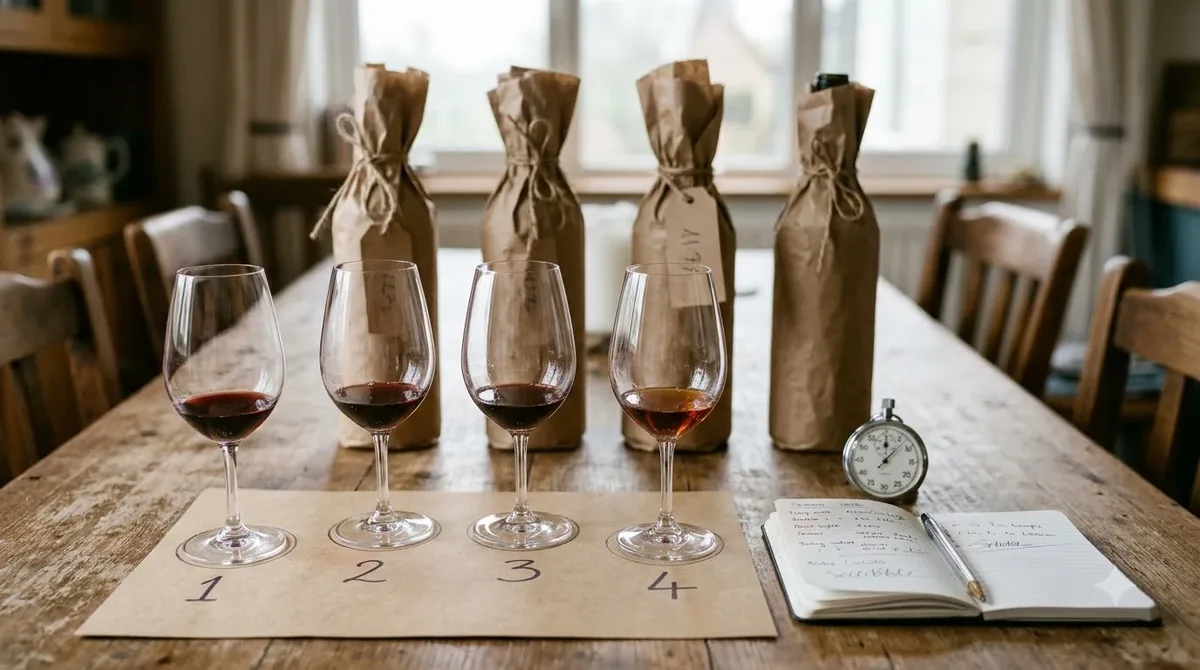
It also helps to keep a simple tasting note when you try a new Pinot Grigio. Write down whether the wine tasted lean or round, how sharp the acidity felt, and which food it went with. After a few bottles, those short notes make it much easier to decide which style you want next time, whether that is the clean, dry glass from a large producer or a fuller bottle from a smaller estate.
Frequently Asked Questions
Is Santa Margherita Pinot Grigio dry or sweet?
It is generally presented as a dry white wine. Drinkers describe a light body, bright acidity, and citrus and pear notes rather than residual sweetness.
Where are the grapes grown?
According to the producer, the grapes come mainly from Alto Adige and Trentino in northern Italy, with the brand’s sourcing starting in Alto Adige and spreading down the Adige valley over time.
What food goes well with Santa Margherita Pinot Grigio?
Seafood, light pasta with olive oil, fresh vegetables, and soft cheeses are all good matches. Its acidity helps it hold up against lemon and herbs.
Is Santa Margherita a good everyday white wine?
Many drinkers treat it that way because its light, dry style pairs with a wide range of meals and suits both casual and more formal settings. Whether it fits your taste depends on whether you prefer crisp and light or fuller whites.
Santa Margherita Pinot Grigio is a widely available, dependable white that rewards a simple, cool pour with food. Its story is tied to the northern Italian sourcing that defines the brand, and its light style gives it broad appeal. For more on the brand’s wider range, the Santa Margherita wine page covers the other bottles, and the Wine Brands guide places the producer alongside other familiar names.
More in Wine Brands
 Underwood Wine Price: Compare Bottles, Cans, and Pack SizesUpdated Nov 21, 2026
 Zenato Wine Price: Compare Styles and Choose the Right BottleUpdated Nov 21, 2026
 Zuccardi Wine Price: Compare Bottles and Find the Right RangeUpdated Nov 21, 2026
 Yellow Tail Moscato Review: Taste, Sweetness and Serving TipsUpdated Nov 21, 2026
 Wolf Blass Yellow Label Review: Choose Your Best StyleUpdated Nov 21, 2026
 Wolffer Estate Rose Review: Choose the Right Bottle for Your TableUpdated Nov 21, 2026