

We may earn a commission when you buy through links on this page, at no extra cost to you. Learn more.
Sangiovese color is typically ruby red, ranging from translucent pale ruby in younger wines to deeper ruby and garnet in more mature bottles. Unlike some intensely colored red wines, Sangiovese often shows noticeable transparency when poured into a glass. Its appearance reflects the grape’s natural characteristics, growing conditions, winemaking decisions, and age. Understanding these shades helps identify Sangiovese and recognize differences between wines such as Chianti, Chianti Classico, and Brunello di Montalcino.
Sangiovese is one of Italy’s best-known red wine grapes, particularly associated with Tuscany. It produces wines with lively acidity, firm tannins, and recognizable red cherry and plum flavors. Although its name is familiar to many wine drinkers, its color can be less predictable than expected. A young Chianti might look bright and translucent, while an older Brunello can show darker ruby or garnet tones. These differences do not necessarily indicate differences in quality. They reflect the grape’s versatility and the influence of production and maturation. Here is how to understand the colors found in Sangiovese wines and what they reveal about the bottle.
The Typical Ruby Red Appearance of Sangiovese
Sangiovese is generally ruby red, with shades that can range from relatively light and transparent to moderately deep and concentrated. Its natural color profile is an important identifying characteristic, particularly when compared with darker red varieties such as Cabernet Sauvignon and Syrah.
Young Sangiovese commonly displays a bright ruby center with lighter red or pinkish reflections around the edges of the glass. Some examples appear almost garnet-tinged even when relatively young, while others show a vivid cherry-red appearance. The difference depends on grape selection, ripeness, extraction during fermentation, and the individual producer’s preferred style.
One important characteristic is transparency. When you hold a glass of Sangiovese against a light source, you can often see light passing through the wine, especially around its rim. This does not mean the wine lacks flavor, structure, or concentration. Color intensity and flavor intensity are separate characteristics. A relatively transparent Sangiovese can still have substantial tannins, pronounced acidity, and concentrated cherry flavors.
According to Berry Bros. & Rudd, Sangiovese frequently has a paler appearance than some other red varieties. This observation helps explain why a wine made from this grape may look lighter than a Cabernet Sauvignon despite having a firm structure and noticeable tannin.
The typical color is best understood as a spectrum rather than a fixed shade. For example, a fresh Rosso di Montalcino may appear bright ruby, while a structured Brunello di Montalcino may show a more concentrated ruby color. Both can be authentic expressions of Sangiovese.
When examining a glass, look for three characteristics:
- Center: The middle of the glass usually reveals the wine’s main ruby color and overall depth.
- Rim: The outer edge may appear lighter, with red, garnet, or orange reflections depending on maturity.
- Transparency: Light passing through the wine can help distinguish a naturally translucent Sangiovese from a more opaque red variety.
These visual characteristics provide a useful starting point for understanding the grape without assuming that every bottle must have precisely the same appearance.
Why Sangiovese Grapes and Wine Have Different Colors
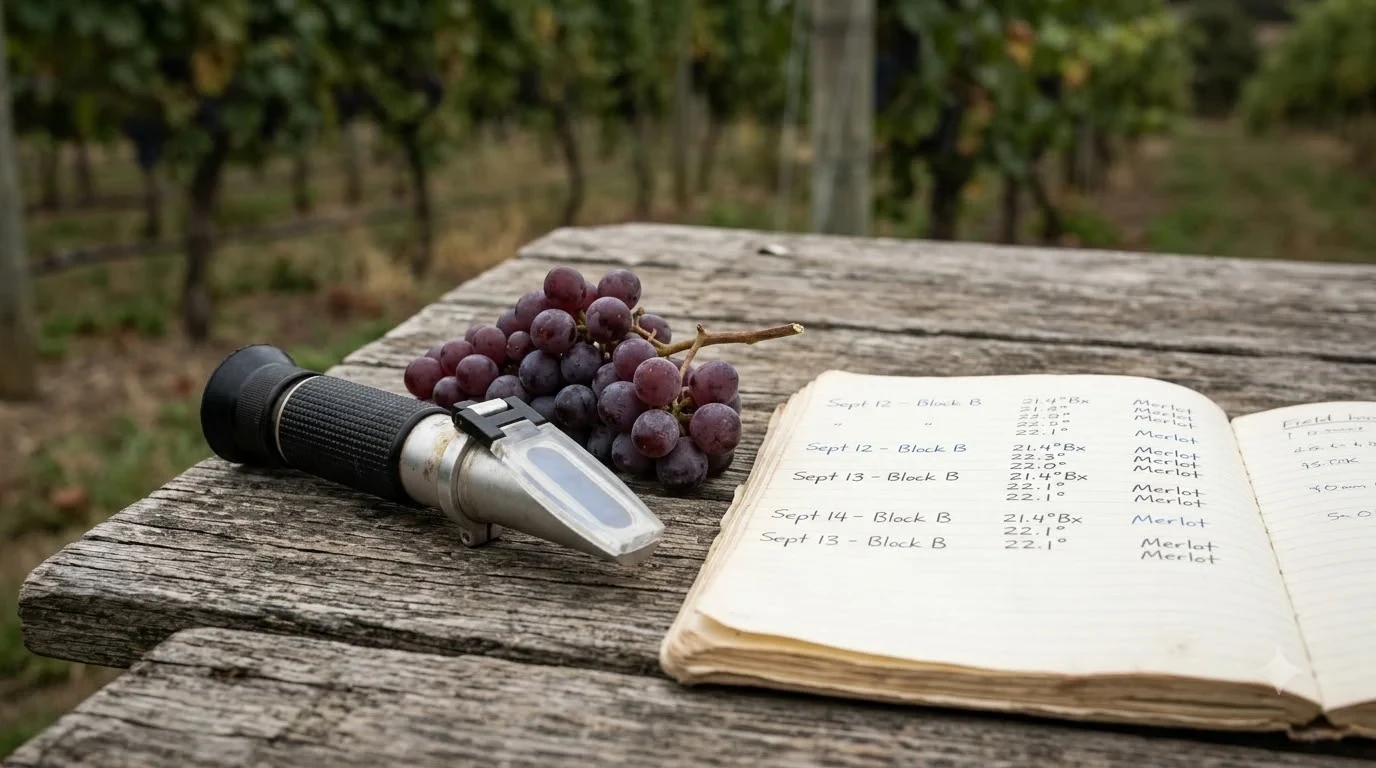
Sangiovese grapes have purplish-black skins, but the wine they produce is commonly ruby red and relatively transparent. This difference comes from the way grape pigments are extracted during winemaking and how those pigments behave in the finished wine.
The skins contain anthocyanins, the pigments responsible for much of the red and purple coloration in red wines. During fermentation, the juice remains in contact with the skins, allowing color compounds and other substances to move into the liquid. The length of this contact, temperature, fermentation conditions, and cellar techniques all influence the resulting appearance.
The Consorzio Vino Chianti describes Sangiovese grapes as medium to large, oval berries with purplish skins approaching black. It also notes that the grape has a naturally demanding ripening process and compact bunches that require adequate sunlight and air exposure. These vineyard characteristics influence grape development before winemaking even begins.
However, dark grape skins do not automatically produce opaque wine. Sangiovese is known for relatively modest color intensity compared with varieties that can produce much darker wines. Its naturally lighter pigment expression helps explain why the finished wine often retains a degree of transparency.
Winemaking can make a noticeable difference. Longer maceration, which keeps juice in contact with grape skins, can extract more pigment. Gentle extraction may produce a lighter, fresher style, while more intensive extraction can contribute to a deeper-looking wine and a firmer structure.
The main factors influencing color extraction
- Skin contact: Longer contact between juice and skins generally allows more color compounds to enter the wine.
- Fermentation temperature: Temperature management influences extraction and fermentation behavior.
- Grape ripeness: Ripeness affects the composition of the skins and the wine’s eventual color expression.
- Grape selection: Different Sangiovese clones and vineyard sites can produce different results.
- Blending: Other authorized red varieties can influence the color of a blended wine.
The distinction between grape and wine color is useful when comparing Sangiovese with other red varieties. A dark-skinned grape does not necessarily create a dark, opaque wine. The finished appearance depends on both the grape’s natural pigment characteristics and the decisions made during production.
Ruby, Garnet, and Other Sangiovese Color Variations
Sangiovese is most commonly associated with ruby red, but its appearance can include several recognizable shades. The most useful distinctions are pale ruby, bright ruby, deep ruby, and garnet, each offering clues about the wine’s style and possible development.
A pale ruby Sangiovese generally has a lighter center and noticeable transparency. It may be associated with fresh, fruit-focused wines intended for relatively early drinking. Its color can resemble bright red cherries rather than dark blackberries.
Bright ruby is one of the most recognizable expressions of young Sangiovese. The color is clear and lively, with red or crimson reflections. This appearance is frequently associated with youthful Chianti and other approachable Tuscan reds.
Deep ruby indicates greater visual concentration. It may appear in wines produced from carefully selected grapes, wines receiving more extensive extraction, or fuller-bodied examples intended for longer maturation. However, a deep ruby color alone does not establish quality or ageability.
Garnet is a darker, more muted red shade that can become increasingly noticeable as Sangiovese ages. The color may develop orange or brick-like reflections at the rim. In mature wines, this shift can accompany changes in aroma and flavor, including dried cherry, leather, tobacco, and earthy notes.
| Color | Typical appearance | Common context |
|---|---|---|
| Pale ruby | Light red with high transparency | Fresh, youthful Sangiovese |
| Bright ruby | Clear cherry-red center | Young Chianti and Rosso di Montalcino |
| Deep ruby | More concentrated red with darker reflections | Structured Tuscan reds |
| Garnet | Muted red with orange or brick-like edges | Mature Sangiovese |
| Brick red | Red-brown tones, especially near the rim | More developed older wines |
These categories are descriptive rather than strict technical classifications. A wine can show more than one shade simultaneously, and the exact appearance depends on the glass, lighting, wine volume, and bottle condition.
It is also important to avoid treating darker color as a reliable indicator of better wine. A pale ruby Sangiovese can be beautifully balanced, while a deep ruby example can be less harmonious. Color is one part of wine evaluation, alongside aroma, acidity, tannin, flavor, and overall balance.
Tip: Examine Sangiovese against a white background under natural or neutral lighting. Tilt the glass slightly and compare the center with the outer rim. This makes it easier to identify ruby, garnet, and orange reflections without confusing the wine’s true appearance with warm indoor lighting.
How Aging Changes Sangiovese Color
Sangiovese generally moves from brighter ruby tones toward more muted garnet and brick-red shades as it ages. This gradual change is a normal part of red wine development and is particularly noticeable in wines intended for extended bottle maturation.
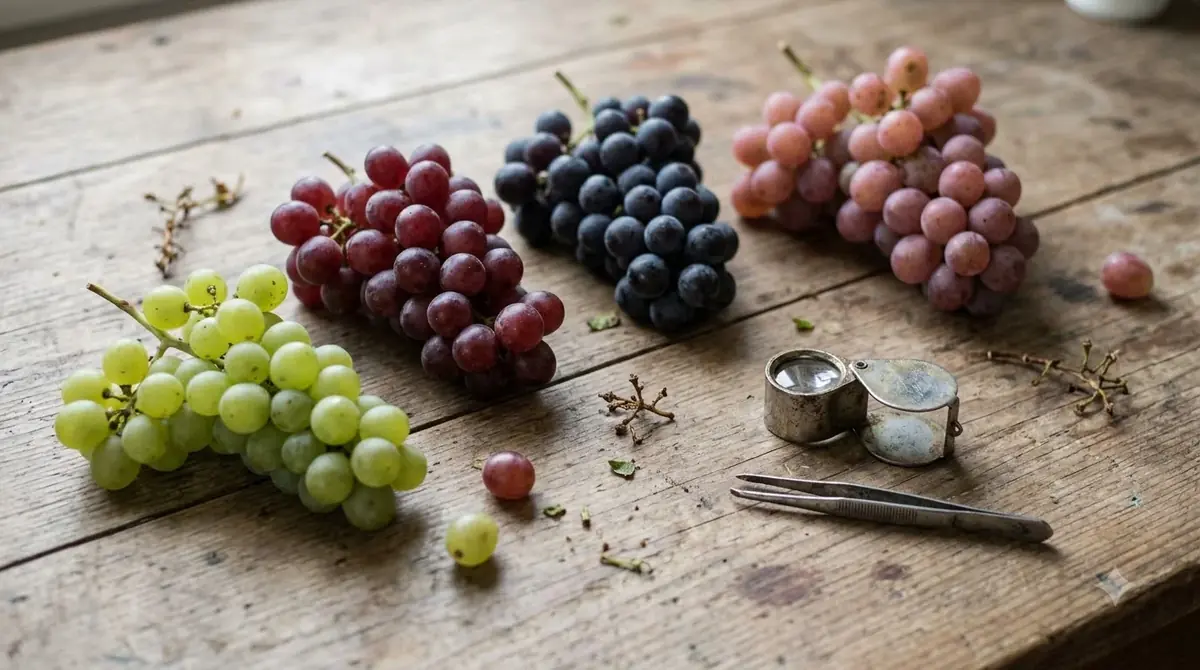
In a young bottle, the wine may display a vivid ruby center and relatively bright red edges. As time passes, pigment compounds undergo chemical changes and reactions that influence the appearance of the wine. Some color compounds combine, while others change their form or become less visually intense.
These developments can make the wine look less purple and more garnet or orange at the rim. The change is not always uniform. A mature wine may retain a relatively ruby-colored center while showing noticeable brick tones around the edge.
Aging also changes aromas and flavors. Fresh red cherry and raspberry can become more developed, with dried fruit, leather, tobacco, and earthy characteristics becoming more noticeable. Oak maturation may contribute additional notes of vanilla, coffee, and spice, depending on the barrel and production method.
Young wine versus mature wine
Young Sangiovese often emphasizes fresh fruit and lively acidity. Its color is generally brighter, and its fruit profile may feature sour cherry, red plum, and raspberry. These characteristics are common in approachable Chianti and Rosso di Montalcino wines.
More mature examples can display a greater proportion of garnet and brick-red tones. Their aromas may become more complex, and their tannins can feel more integrated. Brunello di Montalcino and age-worthy Chianti Classico are examples of styles that can develop considerable complexity with appropriate cellaring.
Age does not guarantee a particular color change at a specific time. Bottle development depends on vintage conditions, winemaking, storage, and the original structure of the wine. A bottle stored in unsuitable conditions may lose freshness and develop premature brown tones rather than mature gracefully.
For proper storage, keep bottles on their sides when sealed with natural cork, in a dark location with stable conditions near 55°F. Avoid repeated temperature fluctuations and unnecessary exposure to direct sunlight. These practices help protect the wine’s color, aromas, and overall quality.
When evaluating an older Sangiovese, consider the color alongside its smell and taste. A garnet rim can be perfectly normal, but a combination of unexpectedly brown coloration, stale aromas, and flat flavors may suggest excessive oxidation or poor storage.
Color Differences Between Chianti, Chianti Classico, and Brunello
Not all Sangiovese wines have the same visual appearance, even when they come from Tuscany. Chianti, Chianti Classico, and Brunello di Montalcino can differ in color because of production requirements, grape selection, vineyard conditions, extraction, and aging.
Chianti is often associated with a lively, translucent ruby-red appearance. The Consorzio Vino Chianti specifically describes Chianti DOCG as ruby red when young, tending toward garnet with age. This makes it a useful reference point for understanding the grape’s traditional color characteristics.
Chianti Classico also commonly displays ruby red, although the depth can vary considerably between producers and individual wines. According to the Chianti Classico consortium, the wine must contain at least 80% Sangiovese, while the remaining permitted proportion can consist of other authorized red varieties.
These additional varieties may influence the wine’s appearance. Colorino, for example, is a Tuscan grape recognized for its intense color and historical use in Chianti blends. Its presence can contribute additional depth to a blend, although the final appearance depends on the overall composition and winemaking.
Brunello di Montalcino offers another expression of Sangiovese. It is made exclusively from Sangiovese and is known for its structure and aging potential. Depending on the producer and stage of development, it may display deep ruby tones when younger and garnet characteristics as it matures.
Here is a practical comparison:
- Chianti: Often bright, translucent ruby with a lively red-fruit character.
- Chianti Classico: Ruby red with variable depth, depending on vineyard conditions, blending, and production.
- Brunello di Montalcino: Can show concentrated ruby tones when young and garnet reflections with maturity.
- Rosso di Montalcino: Often emphasizes fresh ruby color and approachable fruit characteristics.
Geography also contributes to variation. Chianti Classico comes from the territory between Florence and Siena, while Brunello di Montalcino comes from the Montalcino area in southern Tuscany. Differences in local conditions and vineyard practices influence grape development and the resulting wines.
For more information about the grapes and regulations behind Chianti Classico, visit the Chianti Classico consortium’s explanation of its grape varieties. Understanding the regional requirements helps explain why two wines made predominantly from Sangiovese can look different.
How Sangiovese Compares With Other Wine Colors
Sangiovese is generally less opaque than several familiar full-bodied red varieties, but its appearance is not as pale as every light-bodied red wine. Comparing its color with Pinot Noir, Cabernet Sauvignon, and Syrah provides useful visual context.
Pinot Noir typically produces lighter ruby wines with relatively high transparency. It often has low-to-medium tannin and high acidity. Sangiovese can look similarly translucent, although many examples show more noticeable tannin and a slightly deeper ruby appearance.
Cabernet Sauvignon usually has a deeper, more concentrated red appearance. Its high tannin structure and substantial color intensity can make it look considerably darker than a typical Chianti. The contrast is particularly noticeable when comparing young wines from each variety.
Syrah is another useful comparison. It commonly produces dark ruby or purple-red wines with medium-plus to high tannins. Its appearance is frequently more opaque than Sangiovese, particularly in concentrated examples from warmer growing regions.
For white wine comparisons, the color distinction is even more obvious. Pinot Grigio typically ranges from pale straw to light yellow, while Moscato can have a pale golden appearance depending on its production style. You can explore more visual characteristics in our guides to Pinot Grigio color and Moscato color.
Color also should not be confused with body. A relatively transparent red wine can still have firm tannins and substantial flavor concentration. Sangiovese is a particularly good example because its bright acidity and tannic structure can be more pronounced than its visual depth might suggest.
The following comparisons offer a straightforward reference:
- Sangiovese: Ruby red, often translucent, with medium-to-full tannins and high acidity.
- Pinot Noir: Generally lighter ruby, transparent, with low-to-medium tannins and high acidity.
- Cabernet Sauvignon: Commonly deeper ruby, dark red, or garnet, with high tannin.
- Syrah: Often deep ruby to purple-red, with medium-plus or high tannin.
- Merlot: Usually medium ruby to deep red, with softer, medium tannins.
These are typical patterns rather than universal rules. Climate, grape ripeness, extraction, blending, and bottle age can create considerable differences within each variety.
For readers interested in understanding the wider range of wine appearances, our Wine by Type resource provides additional context about grape varieties and the styles they produce.
How to Examine and Serve Sangiovese Correctly
Examining Sangiovese properly requires suitable lighting, an appropriate glass, and a serving temperature that preserves its aromas and structure. A few simple steps make its ruby and garnet characteristics easier to recognize.
Start with a clear wine glass and pour approximately 5 ounces. A standard 750-milliliter bottle provides about five conventional glasses. The bowl should allow enough space to swirl the wine gently without spilling it.
Place the glass against a plain white surface. This is especially useful when evaluating lighter Sangiovese wines, because colored backgrounds can make the wine appear darker or more purple than it actually is.
Observe the wine before swirling. Look at the center, then tilt the glass slightly and examine the rim. The center indicates the wine’s general color intensity, while the outer edge can reveal lighter ruby, garnet, or orange reflections.
Next, swirl gently and observe whether the color appears uniform or whether the wine shows a gradient. Then smell the wine to identify characteristics such as cherry, plum, violet, dried herbs, and oak-derived spice. These aromas provide additional context that a visual examination alone cannot supply.
Recommended serving temperature
Sangiovese is generally best served slightly cooler than typical room temperature. Light-bodied examples benefit from a temperature around 55–60°F, while fuller and more structured examples can be served around 60–65°F.
Serving the wine too warm can make alcohol more noticeable and reduce the freshness of its aromas. Serving it excessively cold can suppress the fruit character and make tannins seem more pronounced.
Young, full-bodied Sangiovese may benefit from decanting for approximately 30–60 minutes. This can help open up the wine’s aromas and soften its initial impression, although lighter, fruit-focused examples may not need extensive aeration.
If you have an older bottle, handle it carefully. Extended exposure to air may be less helpful for a mature wine that has already developed delicate aromas. Pouring gently and allowing the wine to open gradually is often a sensible approach.
Once opened, store remaining still Sangiovese in the refrigerator, preferably with the bottle properly resealed. Most still wines retain their best characteristics for approximately 3–5 days after opening, although freshness varies by wine and storage conditions.
Finally, remember that the purpose of examining color is to understand the wine, not to judge it in isolation. A bright ruby Chianti, a deeper Brunello, and an older garnet-colored Sangiovese can all represent successful expressions of the same grape.
Frequently Asked Questions
Is Sangiovese always a dry red wine?
Most Sangiovese is made as a dry red wine, but the grape is not limited to that style. It can also be used for rosé, sparkling wines, and sweet passito wines. Vin Santo categories from Tuscany can include Sangiovese among their permitted grapes, offering an alternative to the familiar dry red expression.
Does Sangiovese wine ever have purple reflections?
Yes. Some young Sangiovese wines display subtle violet or purple reflections, particularly around the center of the glass. These tones can be influenced by the wine’s youth, grape maturity, and extraction during fermentation. They generally become less prominent as the wine develops.
Can Sangiovese produce rosé wine?
Yes. Sangiovese can be used to make rosato, the Italian term for rosé. Its appearance depends on the length and conditions of skin contact, ranging from pale pink to deeper salmon or cherry-pink shades. These wines can retain the grape’s characteristic acidity and red-fruit aromas.
Does the glass shape change how Sangiovese color looks?
Yes. The shape of the bowl, the thickness of the glass, and the amount of wine poured can influence how its color appears. A broad bowl may spread the wine into a thinner layer when tilted, making its transparency easier to observe. Clear, thin-walled glass provides the most useful visual reference.
What does an orange rim mean in an older Sangiovese?
An orange or brick-colored rim can be a normal feature of mature Sangiovese. It reflects changes in the wine’s pigment compounds during bottle development. The appearance is particularly familiar in traditionally aged Tuscan reds, although the intensity of the change varies between bottles and vintages.
Sangiovese is best recognized by its characteristic ruby-red color, natural transparency, and gradual development toward garnet with age. Differences between Chianti, Chianti Classico, and Brunello di Montalcino demonstrate how the same grape can produce a wide range of visual expressions. Once you understand these variations, examining a glass becomes a useful way to appreciate the grape’s character and the influence of its origin and maturation.
More in Wine Types & Grapes
 What Does Mourvèdre Taste Like? Flavor Profile, Regions, and PairingsUpdated Nov 20, 2026
 What Does Marsanne Taste Like? Flavors, Styles, and Food PairingsUpdated Nov 20, 2026
 What Does Malvasia Taste Like? Styles, Flavors, and Food PairingsUpdated Nov 20, 2026
 What Does Grenache Blanc Taste Like? Flavor Profile, Styles, and PairingsUpdated Nov 20, 2026
 What Does Garnacha Taste Like? Key Flavors, Styles, and Pairing TipsUpdated Nov 20, 2026
 What Does Fruit Wine Taste Like? A Complete Flavor and Style BreakdownUpdated Nov 20, 2026