
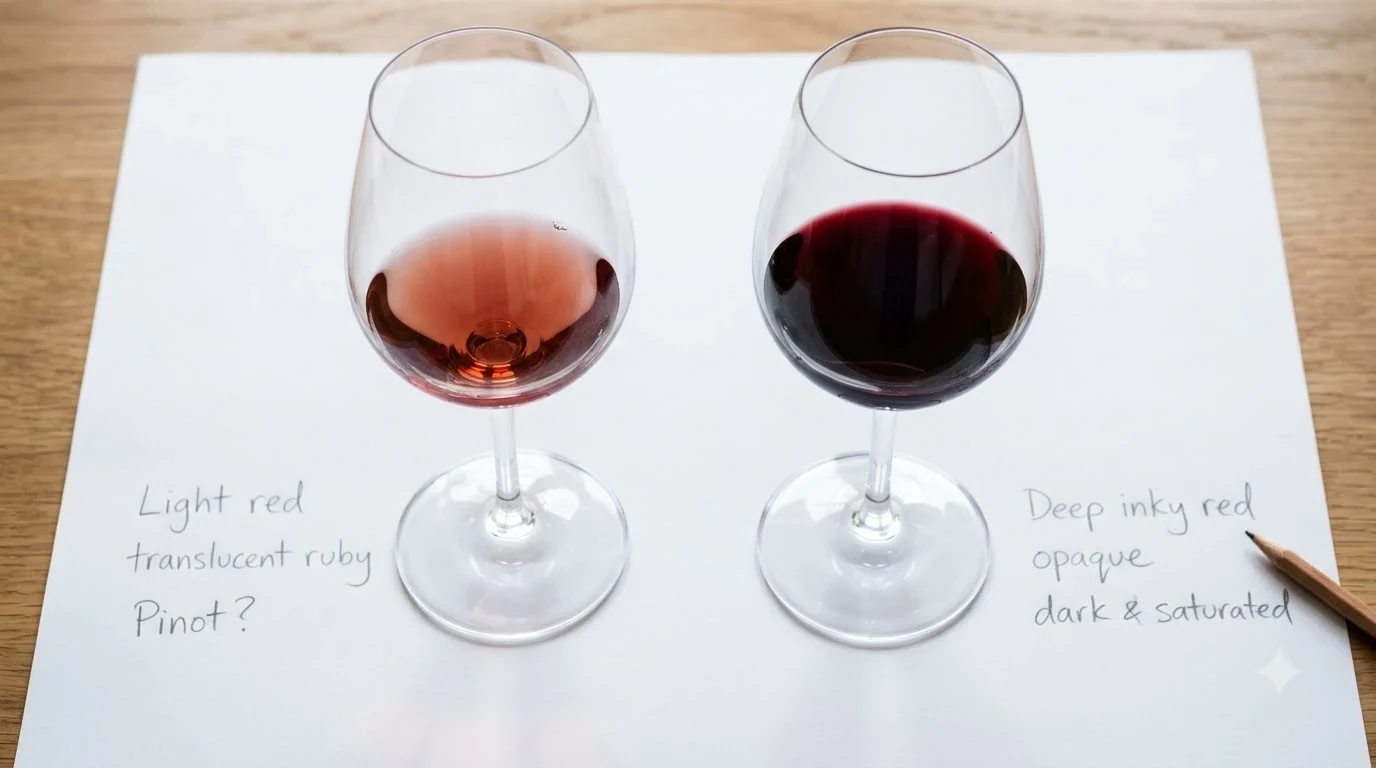

We may earn a commission when you buy through links on this page, at no extra cost to you. Learn more.
The best sancerre food pairing depends on the wine’s style, but fresh goat cheese, oysters, shellfish, white fish, and green vegetables are reliable matches for classic white Sancerre. Its Sauvignon Blanc character brings bright acidity, citrus, herbs, and often a stony or flinty edge. Red Sancerre and rosé are made from Pinot Noir, so they suit poultry, mushrooms, charcuterie, and lighter summer dishes instead.
Sancerre comes from France’s Loire Valley, where the landscape and soils give Sauvignon Blanc a range of expressions rather than one fixed flavor. You can use that range to match a simple weeknight fish dinner, a cheese course, or a more substantial meal. The key is to consider acidity, texture, seasoning, and the sauce—not just the main ingredient.
Acidity, Sauvignon Blanc, and the Three Sancerre Soils
Classic white Sancerre is dry Sauvignon Blanc with high acidity, fresh citrus, and herbal notes; its texture and mineral character shift with the vineyard soil. That combination explains why it works especially well with fresh, salty, or gently rich foods.
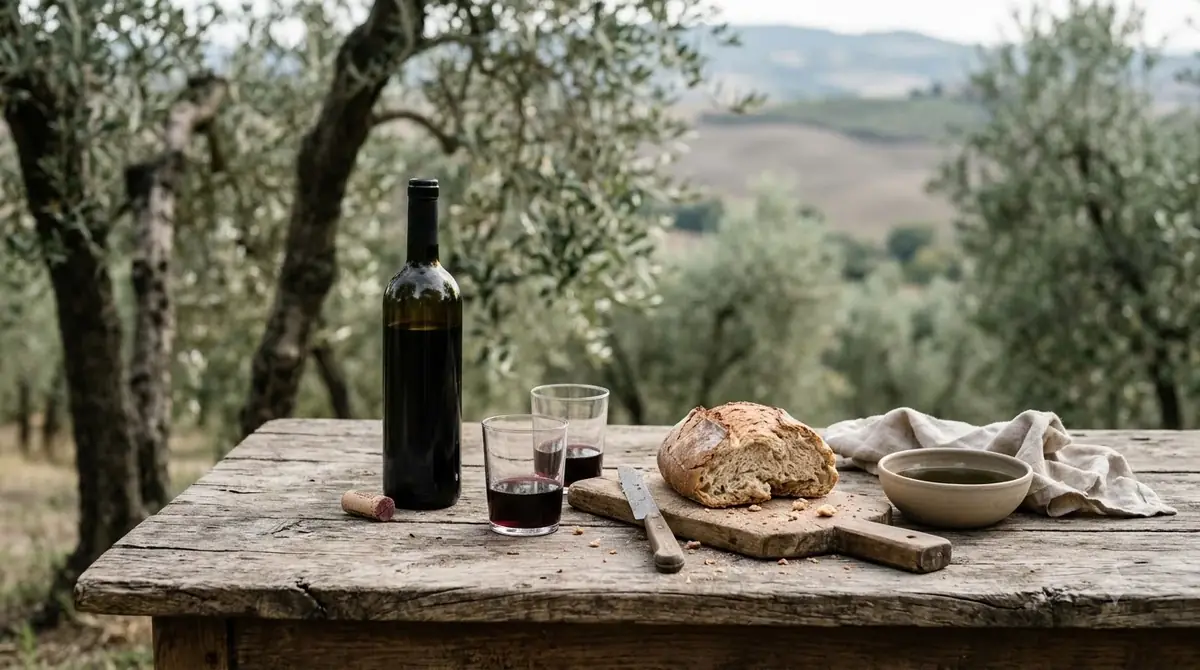
Sancerre sits in the Centre-Loire around the village of Sancerre. White wine accounts for about four out of five bottles produced there, according to the Société des Alcools du Québec (SAQ), and Sauvignon Blanc is the signature white grape. Expect lemon, grapefruit, green herbs, white flowers, and sometimes passion fruit, with a flinty or smoky mineral note. Wine Enthusiast describes Sauvignon Blanc as naturally high in acidity, with grassy and herbal notes that stand out in cooler growing conditions. At the table, that acidity refreshes the palate beside butter, olive oil, and cheese, while citrus and herbs connect with seasoning.
Three soil families help explain differences from bottle to bottle. Calcareous clay and limestone often give a rounder style; Kimmeridgian marl, also called terres blanches, tends to bring structure and mineral tension; flint, or silex, is associated with linear, stony wines. Famille Bourgeois uses those distinctions to suggest grilled fish for clay-limestone wines, fish in sauce for marl wines, and raw fish or shellfish for flint wines. Its Sancerre pairing guide offers a useful example of how soil and texture can guide a menu.
Treat soil names as a guide, not strict rules: producer, site, vintage, and winemaking choices also affect weight and aroma. Choose a crisp white for raw shellfish, a broader bottle for butter or cream, and an aromatic style for herbs and vegetables. This follows the same balancing approach used in general Wine Pairing: match the intensity of the dish to the intensity of the wine, then use acidity to balance richness.
Crottin de Chavignol, Goat Cheese, and Other Cheese Matches
Fresh goat cheese is the classic partner for white Sancerre, especially the local Crottin de Chavignol. The cheese’s tangy, lactic character meets Sauvignon Blanc’s high acidity and citrus-herb profile without making either element feel heavy.
Crottin de Chavignol comes from the village of Chavignol in the Sancerre area, making this a genuine local match rather than a pairing invented for a tasting room. A young Crottin is moist, mild, and creamy; as it matures, it becomes firmer, saltier, and more concentrated. Try a young cheese with a lively, fruit-forward white, then move to a more structured bottle for a drier, aged Crottin. Other fresh chèvre, including Sainte-Maure, works along similar lines. Serve the cheese slightly cool rather than ice-cold so its aroma and texture are apparent.
Cheese age offers a simple way to choose the wine. Pair fresh goat cheese with a bright, direct Sancerre; pair an aged Crottin with a more structured white from Kimmeridgian marl, whose weight can keep pace with the cheese’s savory depth. Aged hard cheeses can also work with more mature or concentrated Sancerre, particularly when the cheese brings nutty, salty flavors rather than pungent washed-rind intensity. A delicate white is easily overwhelmed by strongly aromatic cheeses such as Époisses, Munster, or Livarot, so choose a different wine for those.
Oysters, Shellfish, and Delicate Fish
White Sancerre is an excellent choice for oysters, clams, crab, shrimp, and simply prepared white fish because its acidity and restrained fruit complement delicate seafood. A lean, flinty style is especially good with raw or lightly cooked preparations.
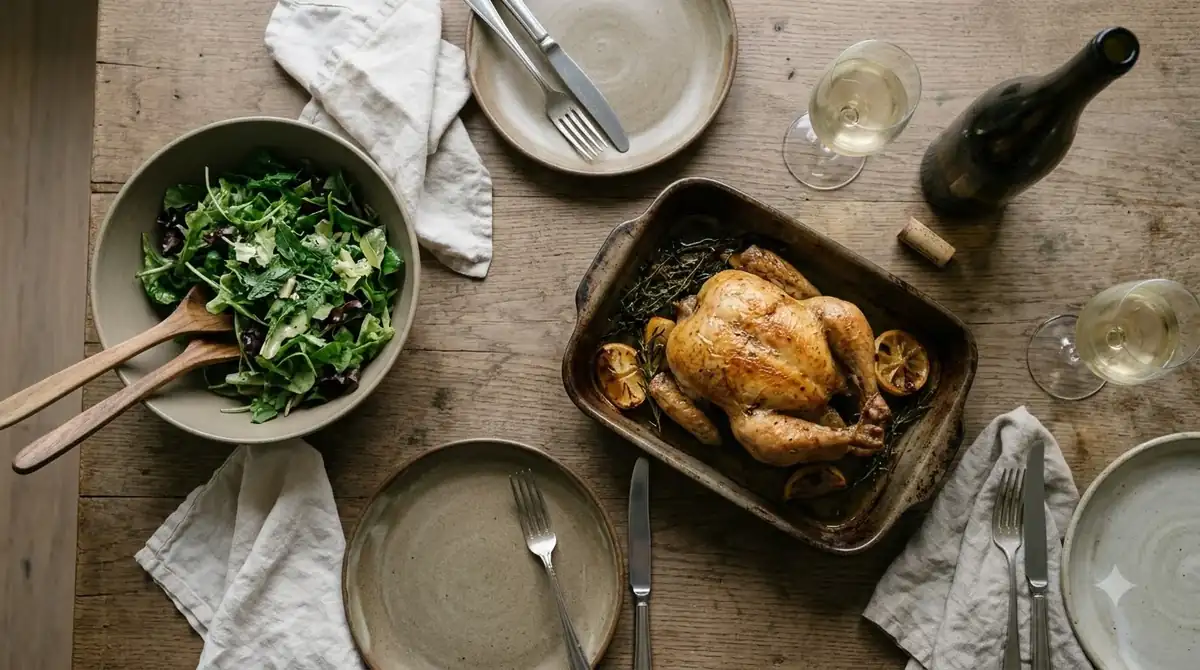
Raw oysters are a particularly natural match: citrus and mineral notes echo the briny liquor, while acidity gives the palate a clean finish. Serve them with lemon, mignonette, or shallot dressing rather than a sweet sauce. Chilled shrimp, crab salad, scallops, and poached prawns also work well. Choose flinty Sancerre for oysters and sashimi; a rounder bottle can suit crab cakes or shrimp with a little butter. Wine Enthusiast specifically recommends Loire Sancerre with oysters, shellfish, and white fish such as trout, cod, and halibut in its Sauvignon Blanc pairing overview.
For cooked fish, consider the sauce before choosing the bottle. Grilled sea bass, sole, trout, and halibut with lemon, parsley, dill, or chives suit a crisp Sancerre. A fish baked in parchment with fennel and citrus is another clean match. If the plate includes beurre blanc, a cream sauce, or a white-wine reduction, look for a white Sancerre with more breadth and texture—often a wine from Kimmeridgian marl rather than the leanest flint-driven example. The acidity keeps the sauce from feeling cloying, while the added structure prevents the wine from disappearing beside the food.
Sushi and sashimi reward restraint. Pair white Sancerre with white fish, scallop, shrimp, or a simple salmon roll without sweet toppings. Keep soy sauce modest, since its salt and umami can dominate; ginger, cucumber, and citrus are easier partners. For a seafood meal built around crisp Atlantic flavors, Albariño food pairing is another useful reference: it offers a similarly refreshing direction, though its own aroma and texture vary by region and producer.
Asparagus, Green Vegetables, Herbs, and Salads
Sancerre’s herbal Sauvignon Blanc character makes it a natural match for spring vegetables and fresh salads, especially when the dish includes lemon, herbs, or a light vinaigrette. Asparagus, peas, green beans, and leafy herbs are among the most dependable choices.
Asparagus can be difficult with many wines because its green, sometimes bitter flavor makes softer whites taste dull or sweet. Sauvignon Blanc has enough acidity and herbal character to meet it. Try grilled asparagus with parsley, lemon zest, and olive oil; asparagus tart with goat cheese; or steamed asparagus with a restrained mousseline. A fresh, aromatic Sancerre is generally the best choice. White asparagus with a richer sauce is better matched by a more textured bottle, especially one with enough body to accompany butter or cream.
Green beans, peas, fennel, cucumber, and spring onions also work. Try blanched beans with mint, peas with tarragon, or salad with basil or chervil. Raw artichoke can make the next sip seem oddly sweet; cooked artichoke with lemon and olive oil is often easier. Keep vinaigrette moderate, since a sharp vinegar dressing can make the wine seem less fresh.
Chicken, Pork, and Dishes With Butter or Cream
White Sancerre pairs well with roast chicken, turkey, pork tenderloin, and mild charcuterie when the preparation is savory rather than sweet. More textured white Sancerre is the better option for butter sauces, cream, and richer preparations.
Roast chicken with lemon, thyme, parsley, or tarragon is a reliable match for fresh white Sancerre. Acidity balances crisp skin and pan juices, while herbal notes echo the seasoning. Grilled chicken with citrus, turkey breast with herbs, and pork tenderloin with a restrained savory apple preparation can also work. Avoid sweet glazes, which can make a dry wine taste thin and sour. Roasted garlic or browned butter suits a broader bottle.
For chicken in cream sauce, veal blanquette, or pork with mustard cream, choose a white Sancerre with more texture. Kimmeridgian marl examples have the structure to stand beside rich sauces. The wine need not taste creamy; it needs enough body to hold its place while acidity refreshes the palate. Dijon mustard, shallot, and herbs can connect the dish to the wine, but strong vinegar or heavy chili can pull the flavors apart.
Charcuterie is another good route. Rillettes, country pâté, roast ham, and mild salami bring salt and fat, both of which can make crisp white wine feel especially refreshing. Keep the board focused on pork, poultry terrine, cornichons, mustard, and bread rather than very smoky or spicy sausages. For tomato-based pasta or pizza with sausage, a red with more acidity and fruit, such as Barbera, may be a more natural fit; this Barbera food pairing guide can help compare that style with Sancerre’s lighter profile.
Sancerre Rouge and Rosé With Poultry, Mushrooms, and Summer Food
Not every bottle labeled Sancerre is white: Pinot Noir is used for both Sancerre Rouge and Sancerre rosé. These wines bring a different structure to the table, with red fruit, freshness, and generally gentler tannins than fuller-bodied red wines.
Sancerre Rouge is often light to medium in body, with red cherry or berry notes and a fine, delicate tannic frame. That makes it a good partner for roast chicken, duck breast, guinea fowl, mushroom pasta, rabbit, and delicate charcuterie. A clay-limestone red can suit poultry, grilled veal, and mushrooms; a flinty red can be a more precise match for lamb, pigeon, rabbit with mustard, or wild mushrooms. More structured examples from Kimmeridgian marl can take on lean red meat, game, or a reduced red-wine sauce. Famille Bourgeois describes those differences across its own red cuvées, which is a reminder that not all Sancerre Rouge has the same weight.
Because Sancerre Rouge usually has modest tannin, it is not ideal for heavily marbled steak, thick barbecue sauce, or rich beef stew. Salt and fat soften tannin, but a delicate Pinot Noir can still be overwhelmed by intense char, sweetness, or a powerful sauce. Choose a structured red Sancerre for grilled veal or lean steak, and a fuller red for braised beef. Amarone, for example, suits dishes that would overpower a light Loire Pinot Noir. The Amarone food pairing guide is useful for those more substantial meals.
Sancerre rosé is also made from Pinot Noir, but it is dry, crisp, and generally more refreshing than tannic. Serve it with Niçoise salad, ratatouille, grilled vegetables, white pizza, light charcuterie, anchovies, or chicken with lime. Its red-fruit profile can be particularly handy with Thai, Vietnamese, and Japanese dishes where a delicate red feels too heavy and a very lean white feels too sharp. Spring rolls, shrimp fritters, and sushi with white fish are sensible choices. Keep chili moderate: alcohol and tannin can intensify the burn, and even a fresh rosé will lose nuance beside very hot curry or heavy chili oil.
Serving Temperature and a Practical Pairing Plan
Serve white Sancerre cool but not ice-cold, and match the bottle’s weight to the dish’s richness. A few small adjustments to temperature, glassware, and the menu can make the wine’s acidity and aromas easier to appreciate.
| Style | Serving temperature | Good first match |
|---|---|---|
| White Sancerre | 50–55°F | Oysters, goat cheese, trout |
| Sancerre rosé | 45–50°F | Grilled vegetables, spring rolls |
| Sancerre Rouge | 55–60°F | Roast chicken, mushrooms |
Tip: Chill white Sancerre, then let it warm slightly in the glass; serving it ice-cold can mute its citrus and herbal aromas.
Serve white Sancerre at about 50–55°F: cool enough to refresh, but not so cold that citrus, herbs, and mineral notes disappear. Let a very cold bottle sit briefly before pouring. Sancerre rosé can be served cool, while Sancerre Rouge is best around 55–60°F rather than warm room temperature. A five-ounce pour leaves space to smell the wine.
Build a menu from light to rich: begin with oysters or fresh Crottin de Chavignol, follow with trout or sea bass and herbs, then serve roast chicken or mushrooms with a broader white or light red. For dessert, choose a wine at least as sweet as the dish; pastries, syrupy fruit tarts, and chocolate make dry Sancerre taste austere.
Avoid sweet sauces, intense chili, oily fish with tannic reds, raw artichoke, and sharp vinegar dressings. For rich food, reach for acidity; for delicate food, avoid excessive oak, smoke, and spice; for savory dishes, consider a more structured cuvée or Sancerre Rouge.
Frequently Asked Questions
These quick answers cover common serving and menu decisions for Sauvignon Blanc, Pinot Noir, and the regional styles of Sancerre.
Does Sancerre go with salmon?
Yes. A dry white Sancerre works with poached salmon or salmon tartare served with dill and lemon. For smoked salmon on toast, choose a broader white and keep salty toppings restrained.
Is Sancerre always made from Sauvignon Blanc?
No. White Sancerre is Sauvignon Blanc, while Sancerre Rouge and rosé are made from Pinot Noir. Rosé producers may use direct pressing or saignée, a method in which some juice is drawn off after brief contact with the grape skins.
Can Sancerre pair with spicy Thai or Vietnamese food?
Yes, when the heat is moderate and fresh herbs lead the dish. Try a dry rosé with grilled shrimp marinated in lemongrass, lime, and cilantro, and keep chili oil on the side so it does not overwhelm the wine.
Does Sancerre work with warm goat-cheese dishes?
Yes. A goat-cheese soufflé or warm chèvre tart can pair well with a fresh white Sancerre because the wine’s acidity balances the baked dairy richness. Keep sweet onion jam or honey toppings separate so the dish does not make the dry wine taste sharp.
Can Sancerre age in the bottle?
Some structured bottlings can develop with time. Famille Bourgeois notes that its flint cuvées ES-56 and d’Antan can gain complexity after 5–7 years of aging, though that is not a fixed target for every bottle of Sancerre.
The easiest Sancerre match is often the freshest food on the table: goat cheese, oysters, simply cooked fish, or vegetables with herbs and lemon. For richer dishes, choose a broader white, and remember that Pinot Noir-based Sancerre Rouge and rosé offer their own distinct pairing possibilities.
More in Food & Wine Pairing
 Risotto With White Wine Recipe: Make a Creamy Dinner at HomeUpdated Nov 20, 2026
 Wassail With Wine Recipe for a Festive Spiced Holiday DrinkUpdated Nov 20, 2026
 Spritz Veneziano Recipe: Make a Classic Venetian Aperitivo at HomeUpdated Nov 20, 2026
 Summer Wine Punch Recipe for Easy Homemade EntertainingUpdated Nov 20, 2026
 Bishop Recipe: How to Make a Bright, Citrus-Forward Red Wine CocktailUpdated Nov 20, 2026
 Wine Cupcakes Recipe: Bake Rich Chocolate Cupcakes at HomeUpdated Nov 20, 2026